.avif)
.avif)
Asian palm oil refiners face margin compression beginning this month as the UN weather agency expects El Niño conditions to develop between May and July 2026, with early signals indicating a particularly intense event. The climate pattern threatens to disrupt Indonesian crude palm oil (CPO) supply which represents 60% of global production while simultaneously driving up energy costs for refineries across the region. With Malaysian palm oil futures already at MYR 4,622/MT ($1,140/MT) and Indonesian CPO reference prices at $1,049.58/MT, refiners now confront a structural tightening that could persist through Q4 2026. The arithmetic is stark: a 15-20% yield reduction in Indonesia translates to 7-9 million tonnes less CPO available globally, while regional power costs representing 8-12% of total refining costs could surge 30-50% as hydropower capacity drops and thermal backup increases.
The 1997-98 El Niño drought provides the historical anchor for current risk assessment, when Indonesian palm oil production declined alongside widespread fires and a 7% drop in CPO output. Unlike previous climate events, today's refiners face a compounded challenge: domestic Indonesian biodiesel demand now absorbs 23% of national production under the B40 mandate, meaning export availability tightens faster during supply disruptions. Consider a mid-sized refinery in Malaysia processing 50,000 tonnes monthly: pre-drought, CPO feedstock represented 70-75% of total operating costs at $1,050/MT. A 25% price spike to $1,300/MT entirely possible if drought stress materializes increases monthly feedstock costs by $12.5 million. Most regional refineries operate on 3-5% net margins, meaning this $250/MT cost increase would eliminate profitability entirely without price pass-through to consumers or alternative feedstock sourcing.
Feedstock substitution becomes the primary defense mechanism, but palm oil's unique technical properties limit alternatives. Palm oil's role in food and oleochemicals cannot be replaced by other vegetable oils, particularly in applications requiring solid fat content and oxidative stability. Soybean oil and sunflower oil can substitute in liquid applications cooking oils, biodiesel but not in margarine, confectionery, or industrial applications requiring specific melting points. A large integrated refiner might increase soybean oil procurement from Argentina or Brazil, but shipping costs add $40-60/MT, and product reformulation requires 60-90 days. Smaller regional refiners without global procurement networks face starker choices: reduce processing volumes, accept margin compression, or raise end-product prices and lose market share to imports.
On the buy side: Indian refiners the world's largest palm oil importers benefit from Indonesia's export duty structure that makes crude palm oil relatively cheaper during price spikes, but they face rupee depreciation pressure and elevated freight rates as vessel availability tightens. Chinese processors can partially offset palm oil tightness through increased domestic soybean processing, though this diverts soybeans from livestock feed markets. European refiners face a double burden: higher feedstock costs plus compliance costs under the EU Deforestation Regulation, which restricts palm oil sourcing to certified sustainable supplies a smaller, more expensive segment.
On the sell side: Malaysian plantation companies with integrated refining operations capture both the upstream price increase and downstream processing margins, provided they can secure adequate CPO supply from their own estates. Pure refiners without plantation assets face margin compression as they compete for limited CPO supplies. Indonesian refiners benefit from domestic price controls and government intervention, but face allocation pressure as biodiesel mandates claim increasing portions of national production. Under Indonesia's current B40 mandate, 23% of annual crude palm oil output is used for biodiesel production, with a potential B50 rollout consuming 41% of production or about 21 million tonnes.
For large integrated players Wilmar, IOI Group, Sime Darby the strategy involves supply chain hedging through futures contracts and diversification across multiple feedstocks. Malaysian palm oil futures provide some price discovery, but liquidity decreases in outer months, making hedging expensive beyond 6 month horizons. Physical supply agreements with multiple origins become crucial: Indonesian CPO, Malaysian CPO, and alternative oils from South America. These players can also leverage refining capacity across multiple countries, shifting processing to locations with better feedstock access or lower energy costs.
For smaller regional operators independent refineries in Thailand, Philippines, Vietnam options remain more constrained. Without access to financial derivatives, they rely on bilateral supply agreements with fixed pricing terms, but these typically include force majeure clauses that producers invoke during supply disruptions. Alternative strategies include reducing processing capacity utilization, focusing on higher-margin specialty products, or securing alternative feedstocks through spot markets though this increases exposure to price volatility. Some operators may temporarily halt operations if margins turn negative, contributing to regional supply tightness in refined products.
Energy cost amplification creates the second margin pressure point. El Niño conditions typically cause drought in Indonesia and parts of southern Asia while altering rainfall patterns globally. Hydropower-dependent regions face capacity reductions of 20-40%, forcing utilities to activate more expensive thermal generation. In Thailand, where many refineries rely on grid power, electricity costs could increase from $0.08-0.10/kWh to $0.12-0.16/kWh during peak demand periods. For a 1,000 tonne per day refinery consuming 200 MWh daily, this represents an additional $2,000-4,000 in daily energy costs, or $20-40/MT of processed oil.
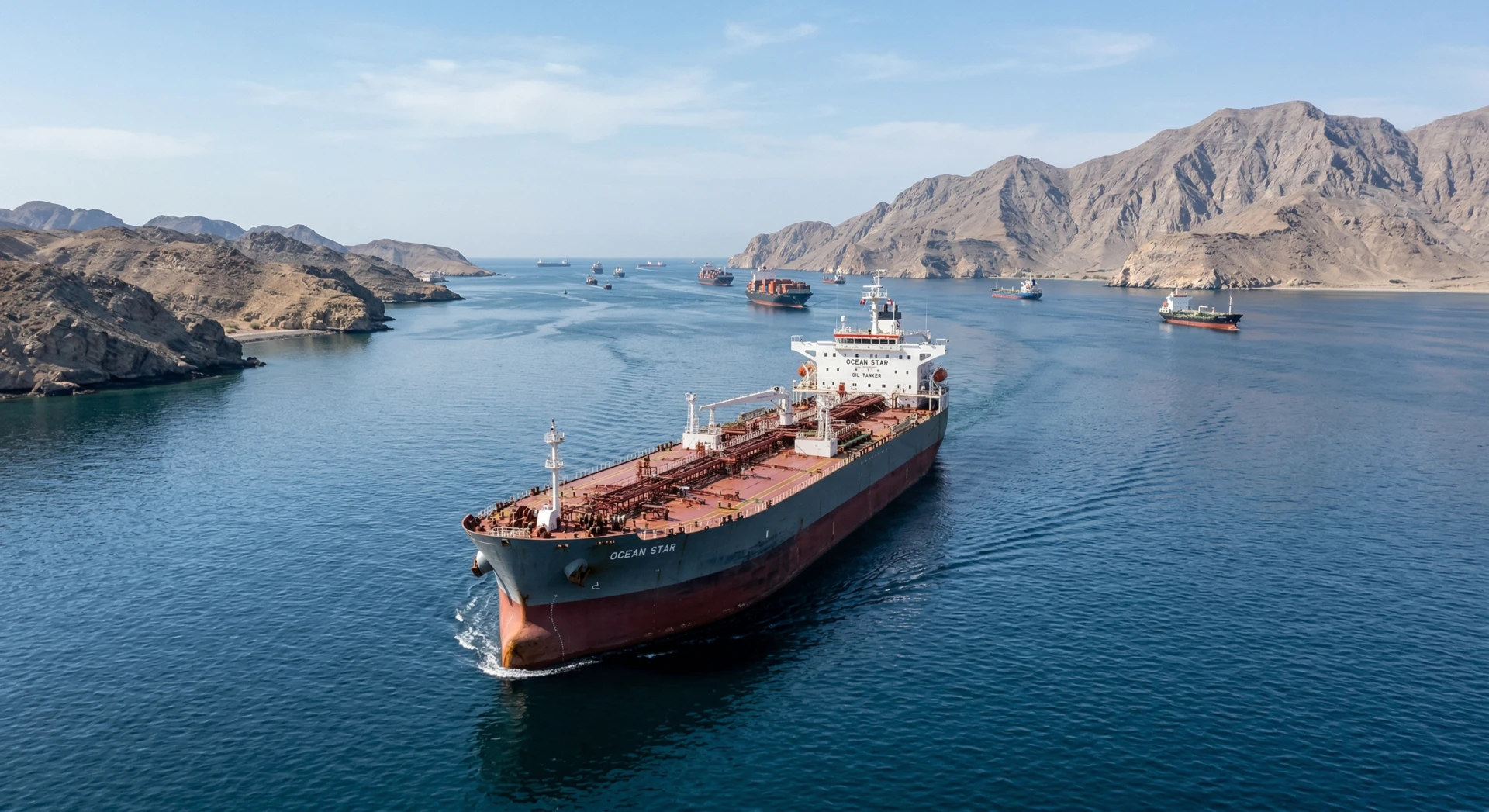
The freight dimension adds complexity to margin calculations. Palm oil exports from Indonesia dropped 15.7-16.8% in April, reflecting typical post-festive weakness, but El Niño-driven supply concerns could reverse this trend rapidly. Vessel charter rates for palm oil typically carried in chemical tankers increase during supply tightness as buyers compete for limited cargoes. Freight from Indonesia to India, normally $25-35/MT, could reach $50-70/MT if supply disruptions coincide with peak monsoon demand. This cost falls on importers, further compressing refinery margins in key consumption markets.
Observers should monitor the Indonesian Meteorological Agency's rainfall data for Sumatra and Kalimantan through July 2026. Precipitation levels 30% below seasonal averages for two consecutive months historically trigger significant yield impacts. Secondary indicators include Malaysian palm oil inventory levels published monthly by the Malaysian Palm Oil Board and Indonesian export licensing data. The Malaysian Palm Oil Council expects prices to stay above MYR 4,500, supported by elevated energy costs and potential El Niño driven supply risks. A break below MYR 4,300 would indicate either weather concerns proving unfounded or demand destruction from high prices, while sustained trading above MYR 4,800 suggests supply disruption is materializing ahead of forecasts.

.jpg)
.jpg)


'%3e%3cg id='Final-Copy-2_2_' transform='translate(1275.000000, 200.000000)'%3e%3cpath class='st0' d='M7.4,12.8h6.8l3.1-11.6H7.4C4.2,1.2,1.6,3.8,1.6,7S4.2,12.8,7.4,12.8z'/%3e%3c/g%3e%3c/g%3e%3c/g%3e%3cg id='final---dec.11-2020'%3e%3cg id='_x30_208-our-toggle' transform='translate(-1275.000000, -200.000000)'%3e%3cg id='Final-Copy-2' transform='translate(1275.000000, 200.000000)'%3e%3cpath class='st1' d='M22.6,0H7.4c-3.9,0-7,3.1-7,7s3.1,7,7,7h15.2c3.9,0,7-3.1,7-7S26.4,0,22.6,0z M1.6,7c0-3.2,2.6-5.8,5.8-5.8 h9.9l-3.1,11.6H7.4C4.2,12.8,1.6,10.2,1.6,7z'/%3e%3cpath id='x' class='st2' d='M24.6,4c0.2,0.2,0.2,0.6,0,0.8l0,0L22.5,7l2.2,2.2c0.2,0.2,0.2,0.6,0,0.8c-0.2,0.2-0.6,0.2-0.8,0 l0,0l-2.2-2.2L19.5,10c-0.2,0.2-0.6,0.2-0.8,0c-0.2-0.2-0.2-0.6,0-0.8l0,0L20.8,7l-2.2-2.2c-0.2-0.2-0.2-0.6,0-0.8 c0.2-0.2,0.6-0.2,0.8,0l0,0l2.2,2.2L23.8,4C24,3.8,24.4,3.8,24.6,4z'/%3e%3cpath id='y' class='st3' d='M12.7,4.1c0.2,0.2,0.3,0.6,0.1,0.8l0,0L8.6,9.8C8.5,9.9,8.4,10,8.3,10c-0.2,0.1-0.5,0.1-0.7-0.1l0,0 L5.4,7.7c-0.2-0.2-0.2-0.6,0-0.8c0.2-0.2,0.6-0.2,0.8,0l0,0L8,8.6l3.8-4.5C12,3.9,12.4,3.9,12.7,4.1z'/%3e%3c/g%3e%3c/g%3e%3c/g%3e%3c/g%3e%3c/svg%3e) Privacy Choices
Privacy Choices