.avif)
.avif)
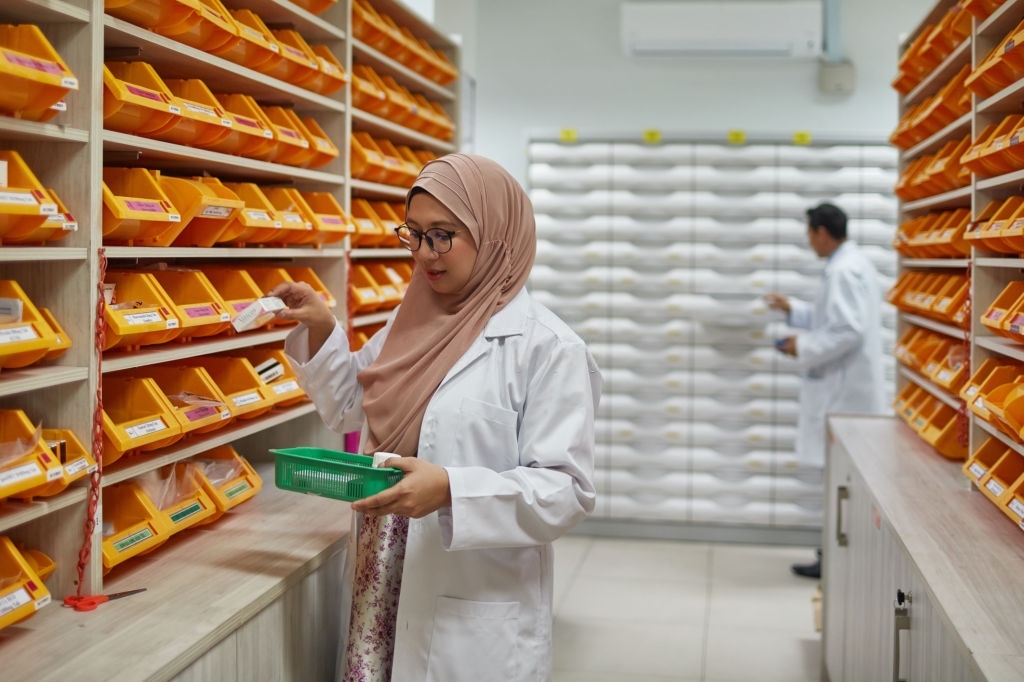
Pharmaceutical buyers sourcing active ingredients or chemical precursors from Shandong Province face immediate compliance exposure following federal indictments targeting two regional suppliers for fentanyl precursor trafficking. The Justice Department charged Shandong Believe Chemical Company and Shandong Ranhang Biotechnology with supplying cutting agents including medetomidine an animal tranquilizer that prosecutors say can increase street level fentanyl yield twenty fold per kilogram. While these companies operated in illicit markets using cryptocurrency payments, the enforcement action creates regulatory scrutiny for any pharmaceutical buyer with Shandong based suppliers, regardless of product category. Buyers must now demonstrate enhanced due diligence protocols to avoid association with a region now flagged for precursor diversion.
The enforcement mechanism centers on "material support for terrorism" charges, linking the chemical suppliers to the Gulf Cartel, a designated foreign terrorist organization. This legal framework extends beyond traditional drug trafficking charges, creating broader compliance risks for legitimate pharmaceutical buyers who may unknowingly source from suppliers with dual use chemical capabilities. Enhanced 'know-your-supplier' (KYS) protocols become essential, particularly for buyers sourcing bulk chemicals that could theoretically be diverted or misused. The indictments signal heightened regulatory attention on Chinese pharmaceutical chemical supply chains, with authorities likely expanding scrutiny beyond the specific companies named.
Buyers with active Shandong suppliers should immediately audit their vendor base for any connections to the indicted companies or their associated entities. Those sourcing critical ingredients might consider diversifying supply chains across multiple Chinese provinces or international alternatives, though this carries cost implications and potential quality control challenges. Sellers in competing regions particularly established pharmaceutical hubs in Jiangsu or Zhejiang provinces may find opportunities to capture displaced volume, provided they can demonstrate robust compliance frameworks. For observers tracking pharmaceutical supply chain shifts, the signal worth monitoring is whether enforcement actions drive meaningful geographic diversification or simply push transactions deeper underground.
The broader question remains whether targeted enforcement actually disrupts precursor supply chains or merely shifts sourcing patterns to other regions or countries. Chinese pharmaceutical chemical manufacturing spans dozens of provinces with similar production capabilities, and the fungible nature of industrial chemicals makes substitution relatively straightforward for determined actors. FBI Director Kash Patel emphasized unprecedented U.S.-China cooperation in this case, suggesting potential for broader enforcement coordination but also highlighting how previous efforts have struggled to meaningfully impact global precursor availability. Legitimate pharmaceutical buyers must now navigate an environment where compliance costs rise while the fundamental supply chain vulnerabilities that enable diversion remain largely intact.

.jpg)

'%3e%3cg id='Final-Copy-2_2_' transform='translate(1275.000000, 200.000000)'%3e%3cpath class='st0' d='M7.4,12.8h6.8l3.1-11.6H7.4C4.2,1.2,1.6,3.8,1.6,7S4.2,12.8,7.4,12.8z'/%3e%3c/g%3e%3c/g%3e%3c/g%3e%3cg id='final---dec.11-2020'%3e%3cg id='_x30_208-our-toggle' transform='translate(-1275.000000, -200.000000)'%3e%3cg id='Final-Copy-2' transform='translate(1275.000000, 200.000000)'%3e%3cpath class='st1' d='M22.6,0H7.4c-3.9,0-7,3.1-7,7s3.1,7,7,7h15.2c3.9,0,7-3.1,7-7S26.4,0,22.6,0z M1.6,7c0-3.2,2.6-5.8,5.8-5.8 h9.9l-3.1,11.6H7.4C4.2,12.8,1.6,10.2,1.6,7z'/%3e%3cpath id='x' class='st2' d='M24.6,4c0.2,0.2,0.2,0.6,0,0.8l0,0L22.5,7l2.2,2.2c0.2,0.2,0.2,0.6,0,0.8c-0.2,0.2-0.6,0.2-0.8,0 l0,0l-2.2-2.2L19.5,10c-0.2,0.2-0.6,0.2-0.8,0c-0.2-0.2-0.2-0.6,0-0.8l0,0L20.8,7l-2.2-2.2c-0.2-0.2-0.2-0.6,0-0.8 c0.2-0.2,0.6-0.2,0.8,0l0,0l2.2,2.2L23.8,4C24,3.8,24.4,3.8,24.6,4z'/%3e%3cpath id='y' class='st3' d='M12.7,4.1c0.2,0.2,0.3,0.6,0.1,0.8l0,0L8.6,9.8C8.5,9.9,8.4,10,8.3,10c-0.2,0.1-0.5,0.1-0.7-0.1l0,0 L5.4,7.7c-0.2-0.2-0.2-0.6,0-0.8c0.2-0.2,0.6-0.2,0.8,0l0,0L8,8.6l3.8-4.5C12,3.9,12.4,3.9,12.7,4.1z'/%3e%3c/g%3e%3c/g%3e%3c/g%3e%3c/g%3e%3c/svg%3e) Privacy Choices
Privacy Choices