.avif)
European refinery buyers now face the sharpest margin compression in over two years, with Brent crude trading around $95-97/barrel while regulated fuel pricing across EU markets limits their ability to pass through increased feedstock costs. The IMF downgraded its forecast for global growth to 3.1% in 2026 from the 3.3% it had forecast back in January, citing energy-driven inflation now expected to average 4.4% globally. The 21 European countries that share the euro currency will collectively grow 1.1% this year, down from 1.4% in 2025, creating a demand destruction cycle that further weakens refinery economics.
The margin anatomy reveals the structural bind facing European operators. Consider a mid-sized European refiner processing 150,000 barrels per day of Brent crude into gasoline and diesel: at pre-conflict crude prices of $65/barrel in January, the refinery's gross margin — the difference between product prices and crude costs — averaged roughly $12-15/barrel. The Brent crude oil spot price averaged $103 per barrel in March, $32/b higher than the average in February, adding approximately $28/barrel to feedstock costs. While wholesale gasoline and diesel prices have risen, regulated retail caps in France, Germany, and Italy prevent full margin recovery. The arithmetic is brutal: input costs up $28/barrel, recoverable pass-through limited to $15/barrel, net margin compression of $13/barrel — erasing 85% of normal operating margin.
The IMF's three-scenario analysis assumes a short-lived conflict puts global growth at only 3.1% and inflation at 4.4%. In an adverse scenario, growth falls to 2.5% this year and inflation rises to 5.4%. In a severe scenario where energy supply dislocations extend into next year, global growth would decline to 2% and inflation would exceed 6%. Each scenario worsens the refining environment: higher energy costs reduce driving demand while crude supply constraints persist. The severe scenario particularly threatens European operations, as it assumes sustained energy price elevation into 2027.
On the buy side, large integrated European refiners with derivatives access — Total, Shell's downstream operations, Repsol — can partially hedge crude exposure through futures contracts, but face basis risk between paper hedges and physical delivery prices. Physical crude oil prices surged to record levels near $150/bbl, far above the prices in futures markets, with the physical-futures disconnect becoming increasingly acute. This disconnect means even hedged refiners pay spot premiums for actual crude deliveries. Medium-sized independent refiners — regional cooperatives, family-owned operations — lack derivatives access entirely and absorb full crude price volatility with no protection.
On the sell side, European fuel suppliers face the inverse margin squeeze. National oil companies' downstream units — Eni's refining division, OMV — benefit from integrated crude production but cannot fully monetize higher refined product values due to government price interventions. Independent fuel distributors face the worst position: paying spot prices for refined products while retail margins remain capped. The result is a profit margin transfer from European downstream operators to crude producers in regions with alternative export routes — primarily North American shale producers and West African exporters who can reach European markets via Atlantic Basin routes.
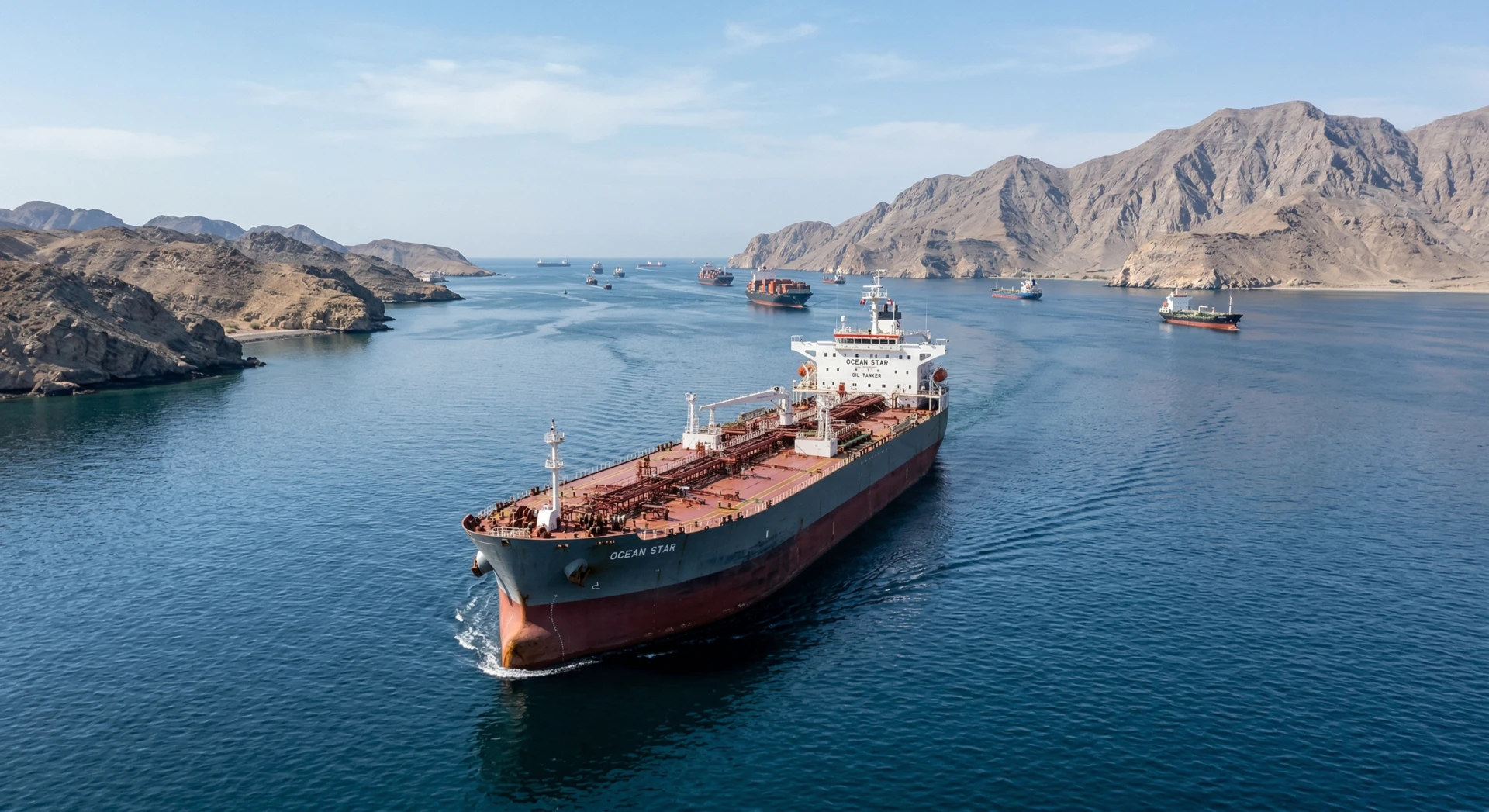
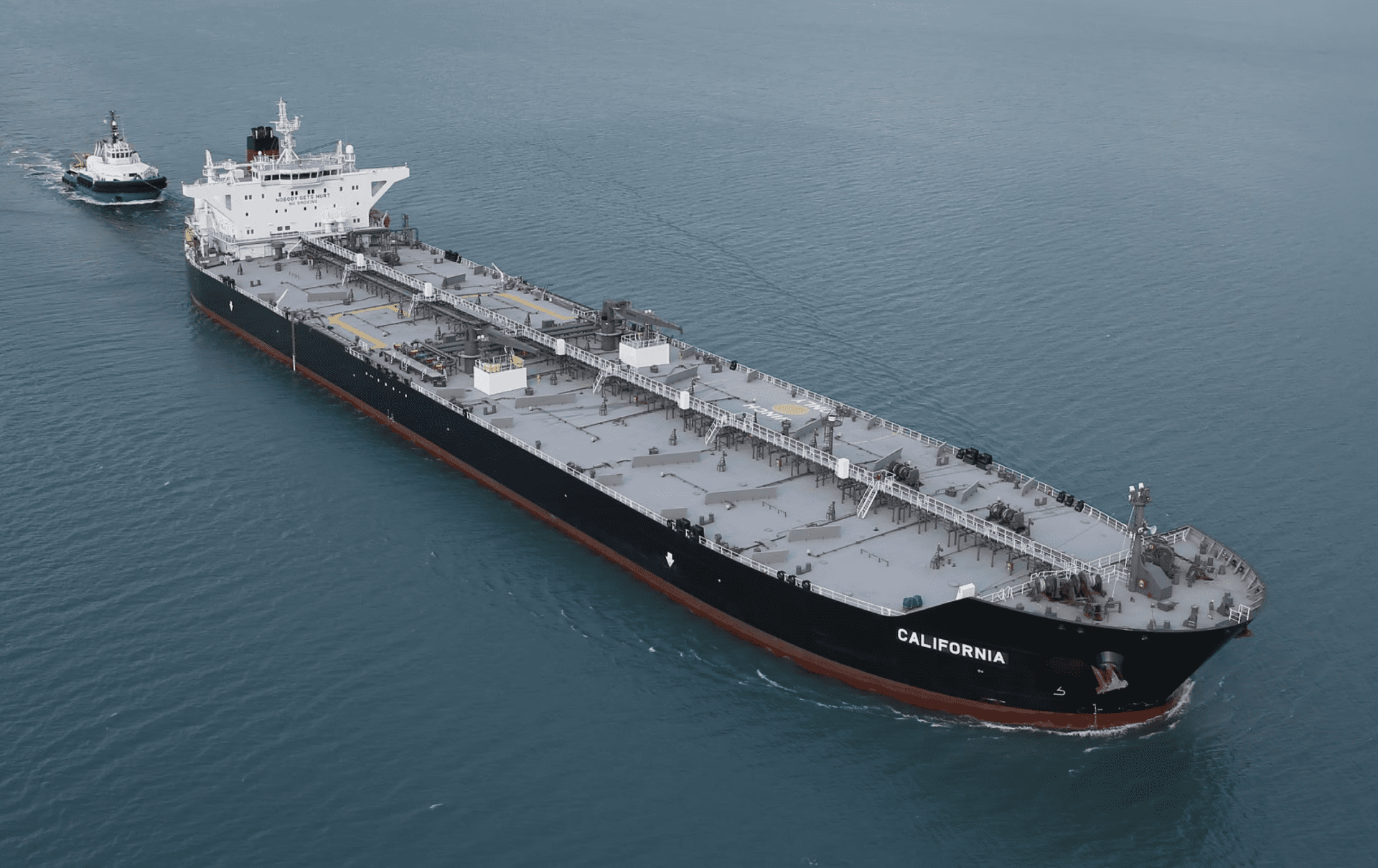
The freight dimension compounds the margin pressure through route economics that favor non-European operators. Global oil markets are in a period of heightened volatility due to the de facto closure of the Strait of Hormuz, through which nearly 20% of global oil supply flows. The closure has dramatically reduced the availability of oil supplies and has cascading effects across oil supply chains. European refineries historically sourced 35-40% of crude via Hormuz-routed tankers — primarily Saudi Arab Light, Iranian Heavy, and Kuwaiti Export Crude. Alternative supply requires longer-haul shipments from West Africa (Nigeria's Bonny Light) or transatlantic deliveries from US shale plays, adding 8-15 days transit time and $3-6/barrel in freight costs.
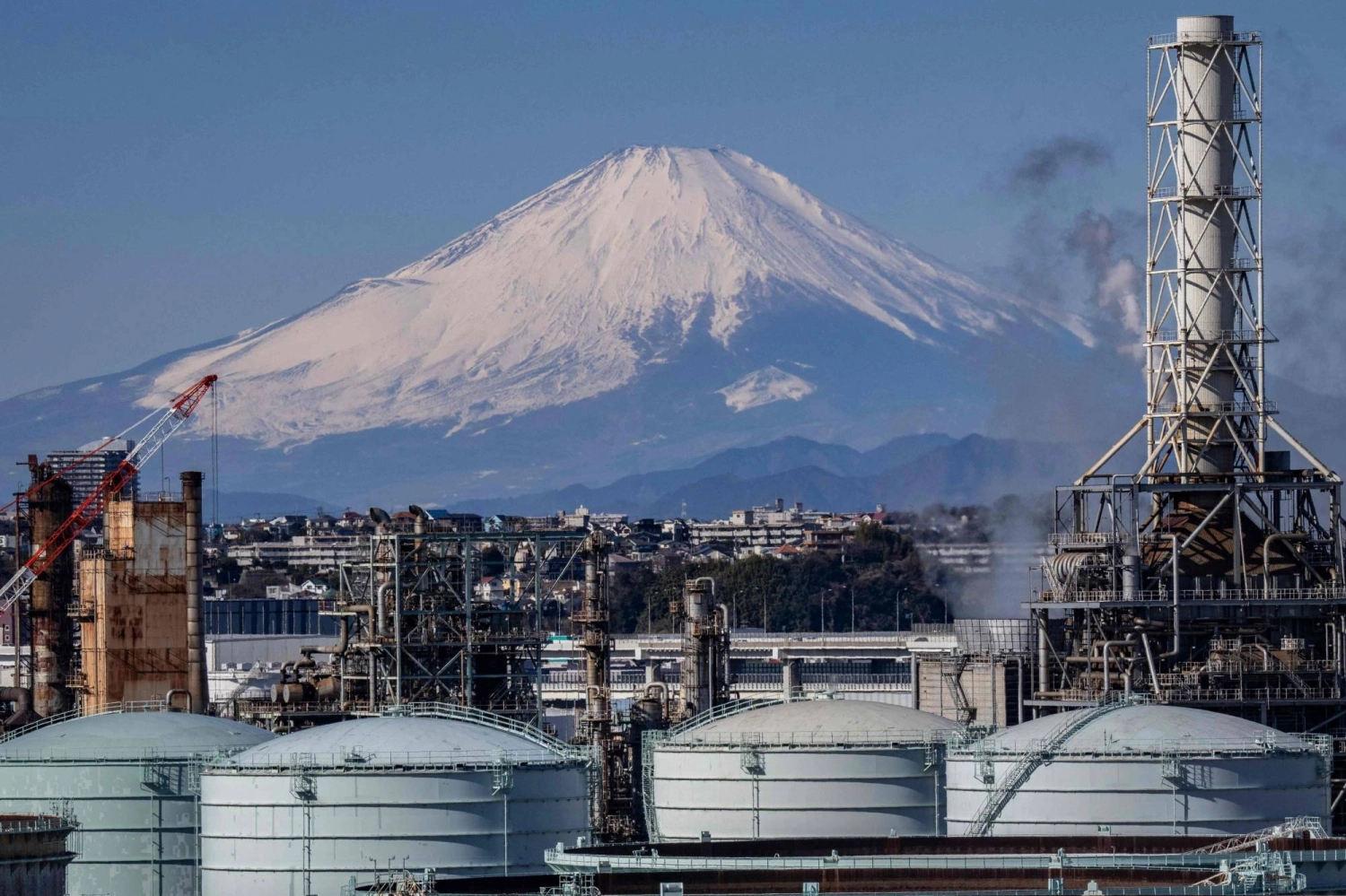
The EIA expects Brent crude oil prices will increase to a peak of $115/b in 2Q26 before gradually falling to an average of $88/b in 4Q26, based on conflict resolution assumptions that may prove optimistic. The structural challenge for European refiners lies in throughput economics: Middle East and feedstock-constrained refineries in Asia have cut runs by around 6 mb/d, to 77.2 mb/d. Global crude runs are now expected to decline by 1 mb/d on average in 2026. This capacity reduction supports refining margins globally, but European refiners cannot capture the benefit due to regulated pricing structures.
For large integrated operators, the immediate solution requires shifting crude sourcing toward Atlantic Basin suppliers while using financial instruments to hedge the basis risk between futures prices and physical deliveries. Medium-sized refiners must diversify supply contracts bilaterally — locking in West African crude deliveries through direct agreements with producers like Nigeria's NNPC or Angola's Sonangol. The arithmetic: securing 60-day forward contracts at fixed differentials to Brent prevents margin volatility even if absolute crude prices remain elevated.
The intelligence signal for European refinery buyers to monitor is the ICE Brent-Dubai spread — the price difference between North Sea crude (accessible via Atlantic routes) and Middle East crude (Hormuz-dependent). "Every day that passes and every day that we have more disruption in energy, we are drifting closer toward the adverse scenario," IMF chief economist Pierre-Olivier Gourinchas said. When this spread exceeds $8/barrel for three consecutive trading days, it signals sustained shift toward non-Hormuz supply sources and confirms that alternative crude sourcing becomes economically mandatory rather than optional for European operations. This threshold typically emerges 6-8 weeks before margin recovery becomes visible in downstream operations.




'%3e%3cg id='Final-Copy-2_2_' transform='translate(1275.000000, 200.000000)'%3e%3cpath class='st0' d='M7.4,12.8h6.8l3.1-11.6H7.4C4.2,1.2,1.6,3.8,1.6,7S4.2,12.8,7.4,12.8z'/%3e%3c/g%3e%3c/g%3e%3c/g%3e%3cg id='final---dec.11-2020'%3e%3cg id='_x30_208-our-toggle' transform='translate(-1275.000000, -200.000000)'%3e%3cg id='Final-Copy-2' transform='translate(1275.000000, 200.000000)'%3e%3cpath class='st1' d='M22.6,0H7.4c-3.9,0-7,3.1-7,7s3.1,7,7,7h15.2c3.9,0,7-3.1,7-7S26.4,0,22.6,0z M1.6,7c0-3.2,2.6-5.8,5.8-5.8 h9.9l-3.1,11.6H7.4C4.2,12.8,1.6,10.2,1.6,7z'/%3e%3cpath id='x' class='st2' d='M24.6,4c0.2,0.2,0.2,0.6,0,0.8l0,0L22.5,7l2.2,2.2c0.2,0.2,0.2,0.6,0,0.8c-0.2,0.2-0.6,0.2-0.8,0 l0,0l-2.2-2.2L19.5,10c-0.2,0.2-0.6,0.2-0.8,0c-0.2-0.2-0.2-0.6,0-0.8l0,0L20.8,7l-2.2-2.2c-0.2-0.2-0.2-0.6,0-0.8 c0.2-0.2,0.6-0.2,0.8,0l0,0l2.2,2.2L23.8,4C24,3.8,24.4,3.8,24.6,4z'/%3e%3cpath id='y' class='st3' d='M12.7,4.1c0.2,0.2,0.3,0.6,0.1,0.8l0,0L8.6,9.8C8.5,9.9,8.4,10,8.3,10c-0.2,0.1-0.5,0.1-0.7-0.1l0,0 L5.4,7.7c-0.2-0.2-0.2-0.6,0-0.8c0.2-0.2,0.6-0.2,0.8,0l0,0L8,8.6l3.8-4.5C12,3.9,12.4,3.9,12.7,4.1z'/%3e%3c/g%3e%3c/g%3e%3c/g%3e%3c/g%3e%3c/svg%3e) Privacy Choices
Privacy Choices