.avif)

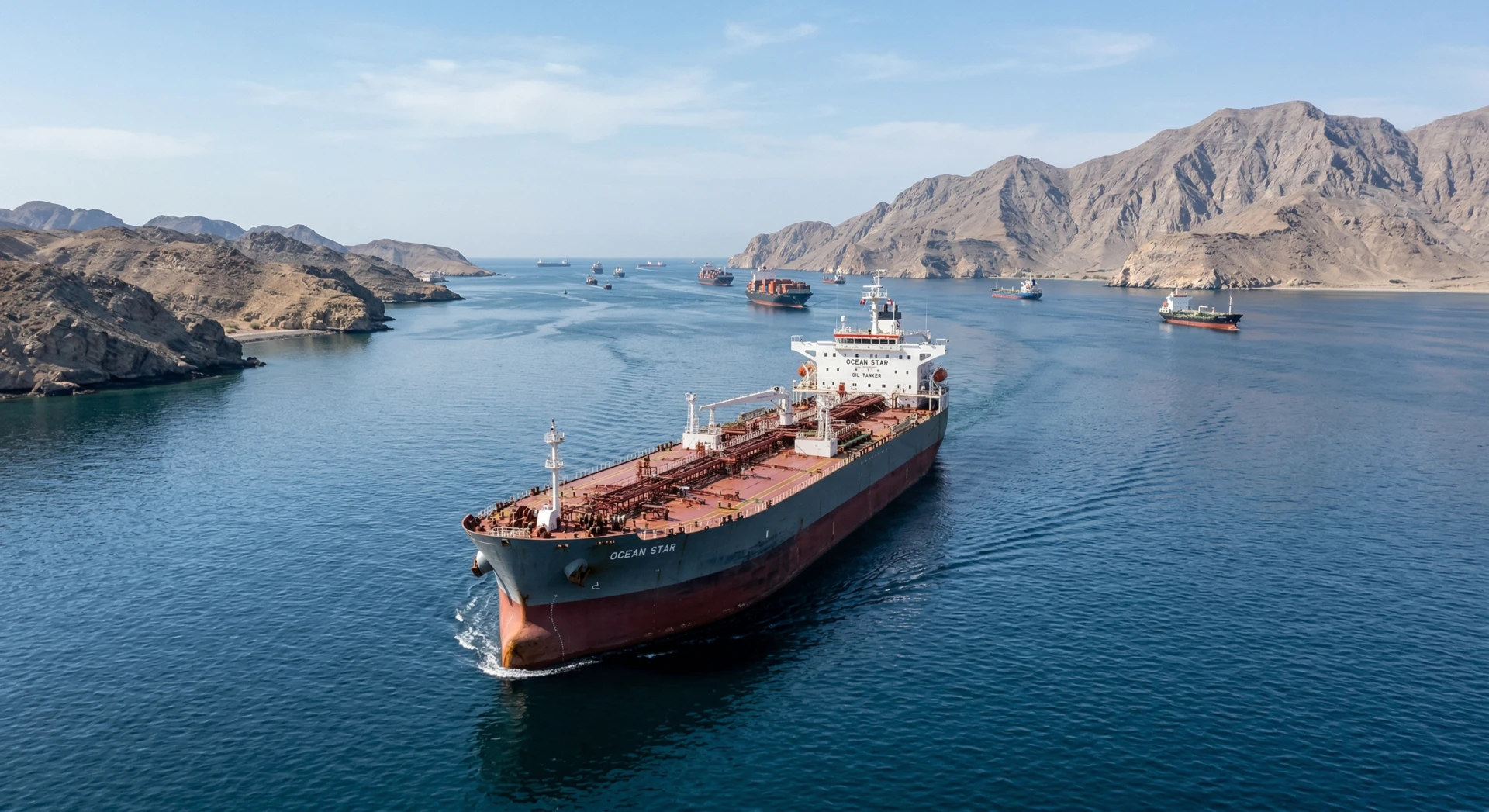
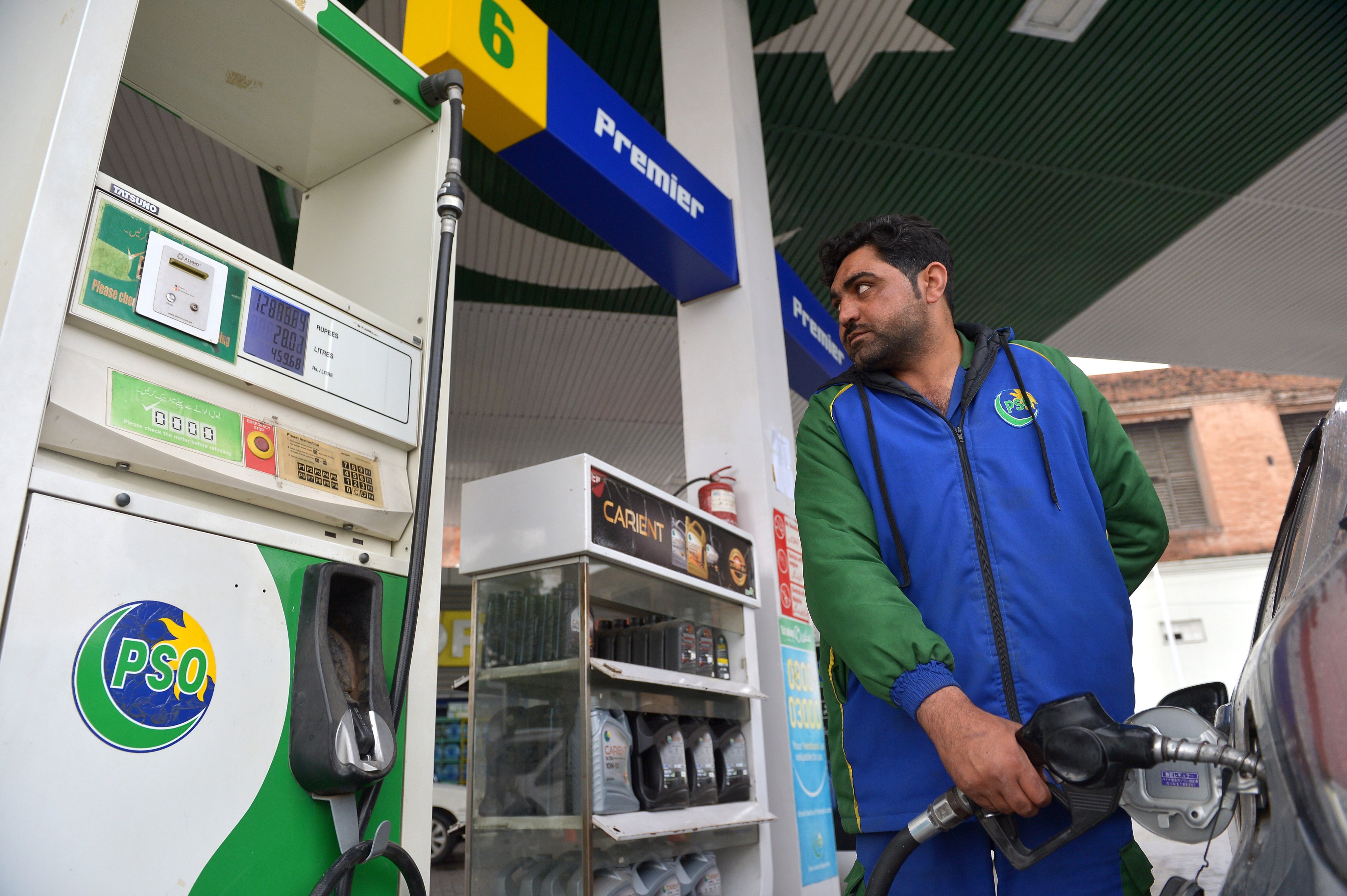
VLCC operators face a $2 million toll extraction every time they transit Iran's controlled Strait of Hormuz money that flows directly to Iran's Revolutionary Guard Corps (IRGC) while exposing shipowners to U.S. Treasury sanctions. The Islamic Revolutionary Guard Corps had already been levying ad-hoc charges on vessels since the ceasefire in April 2026, with individual transit fees reportedly reaching as high as $2 million per ship, though tankers are typically charged approximately $1 per barrel of oil. For a 2 million barrel VLCC, that arithmetic translates to exactly the same $2 million extraction whether calculated per barrel or per vessel. Brent crude futures rose more than 2% to above $107 a barrel on Thursday, while WTI crude futures traded around $99.5 a barrel as traders weigh toll impacts against ongoing diplomatic uncertainty.
Iran's toll system operates through a multi-layered clearance mechanism administered by the newly established Persian Gulf Strait Authority (PGSA) a bureaucratic front for IRGC naval control. The burgeoning system requires ship operators to contact an IRGC linked intermediary to provide sensitive data, including ownership details, crew lists, and Automated Identification System (AIS) data. After security screening to identify Israeli or American connections, fees are negotiated based on a five tier classification of the vessel's flag state. The PGSA issues a 40 question "Vessel Information Declaration" requiring complete cargo manifests, crew nationality breakdowns, and routing plans intelligence gathering disguised as transit administration.
The payment structure deliberately circumvents international sanctions architecture. Payments for the transit are being demanded in Chinese yuan or stablecoins, digital currencies pegged to major fiat assets, while multiple reports from April 2026 suggest that tolls may also be payable in Bitcoin or stablecoins like USDT, routed through IRGC intermediaries. This is not incidental sanctions evasion it is structural. Iran built cryptocurrency payments into the toll framework specifically to create plausible deniability for vessel operators while generating hard currency outside traditional banking channels. The IRGC collects digital assets that can be liquidated globally while operators claim they never directly funded Iranian entities.
On the buy side: Asian refiners importing Gulf crude through long-term contracts now face force majeure decisions on every cargo. A 2 million barrel VLCC carrying Saudi crude to Sinopec faces either $2 million in direct IRGC payments plus sanctions exposure, or 45-60 days additional voyage time routing around Africa at roughly $35,000 daily charter costs $1.5-2.1 million in additional freight expense. The toll is often cheaper than the alternative route, but comes with Treasury Department enforcement risk that could freeze company assets. Most have chosen to anchor and wait rather than test either option.
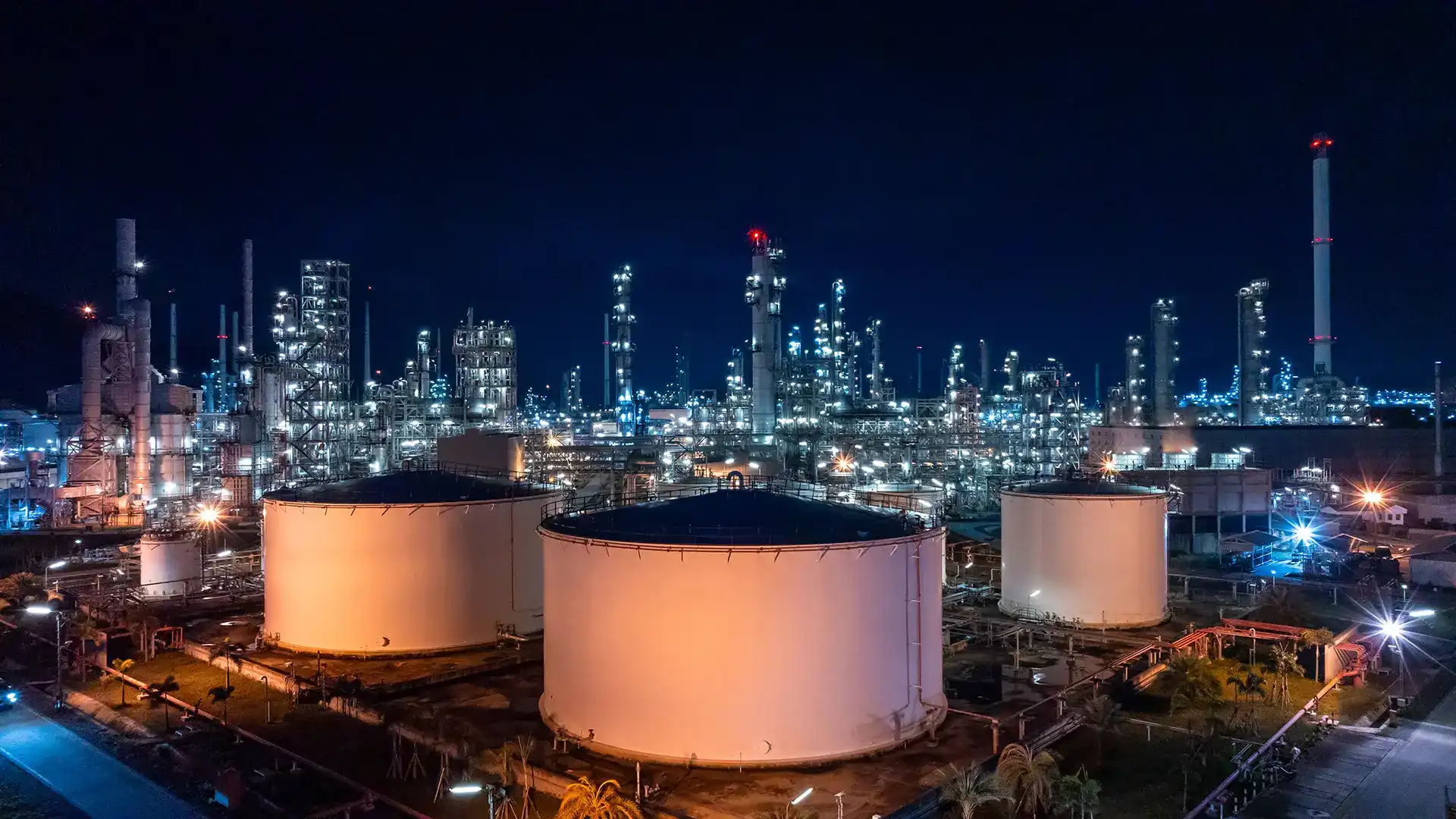
On the sell side: Gulf producers face margin compression from two directions simultaneously. Saudi Aramco and Kuwait Petroleum Corporation cannot pass toll costs to term contract buyers who signed deals assuming free Hormuz transit. Meanwhile, their crude backs up in onshore storage while VLCCs anchor offshore, creating carrying cost bleed that erodes realized prices. Saudi Aramco CEO Amin Nasser told investors on the company's first quarter earnings call that the oil market may not normalize until 2027 if the strait's disruption persists past mid-June. National oil companies earn nothing from anchored oil while servicing debt on pre-delivered volumes.
For large integrated traders like Vitol, Trafigura, and Glencore with derivatives access: The play shifts to time spread arbitrage and inter-basin price differentials. Oil prices remain elevated, nearly 50% above pre-war levels, supported by supply tightness while traders can capture backwardation where near-month prices exceed forward prices by securing storage outside the Gulf. A trader paying Iran's $2 million toll for immediate VLCC transit captures the scarcity premium in spot markets, while competitors anchored in the Gulf watch their forward positions bleed carrying costs. The toll becomes an arbitrage access fee.
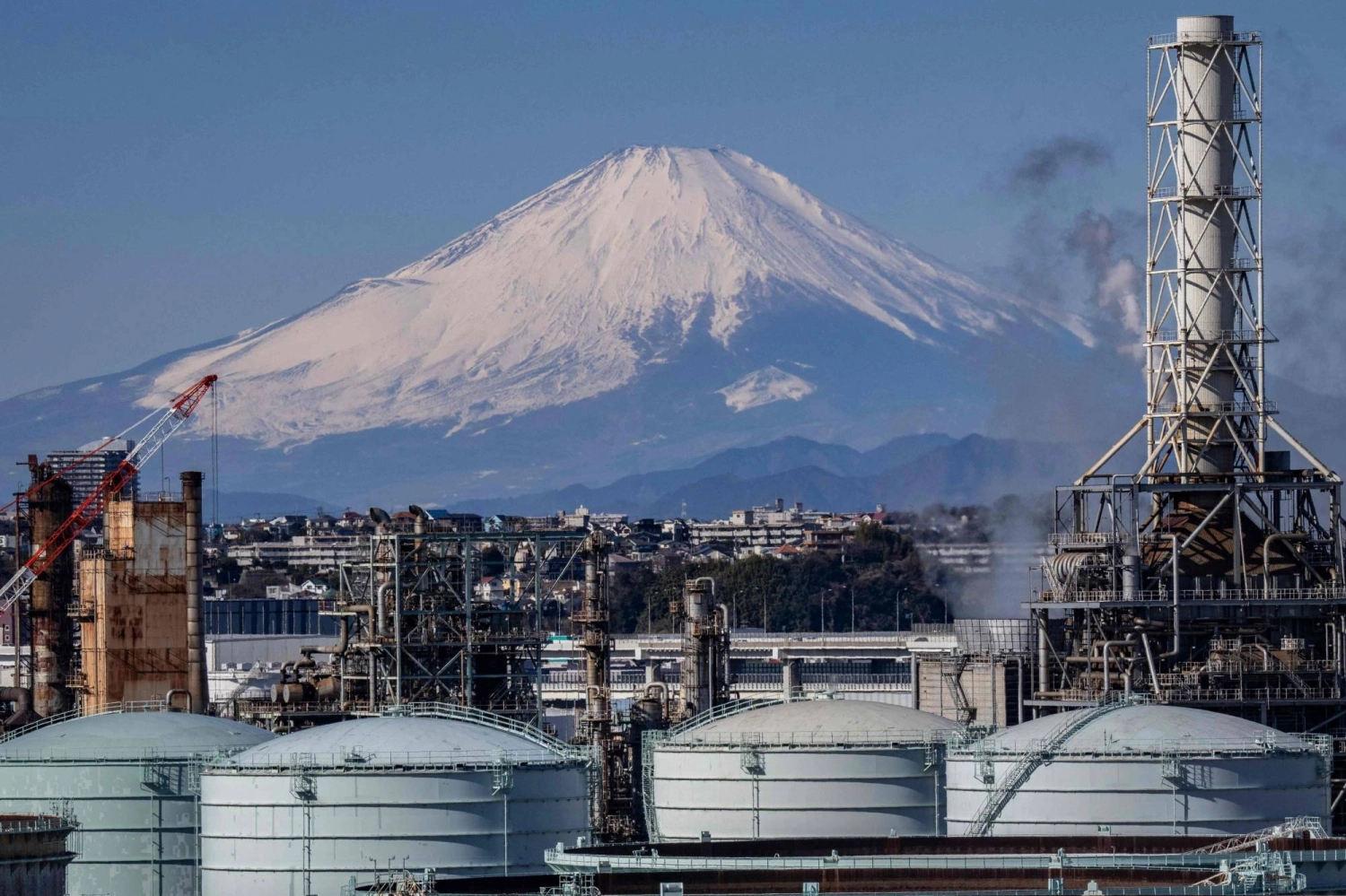
For smaller regional operators independent refiners, fuel distributors, and commodity cooperatives without derivatives capabilities: The sanctions exposure creates binary outcomes with no hedging instruments. Malaysia's Hengyuan International or Thailand's Bangchak Corporation cannot practically segregate Iranian toll payments from their corporate banking relationships. Unlike major traders who route payments through subsidiaries, regional operators face direct Treasury enforcement risk across their entire operation. Most have suspended Gulf crude purchases entirely, turning to non-Persian Gulf alternatives at significant quality discounts.
The freight market concentrates massive margin opportunities in vessel operators willing to navigate legal complexity. "There is no doubt that paying Iran is cheaper than a continuous blockade because a sitting tanker bleeds money," said Nader Habibi, an Iranian American economist. A VLCC anchored offshore burns roughly $35,000 daily in crew wages, insurance, and positioning costs $1-2 million monthly for vessels waiting for diplomatic resolution. Owners who pay Iran's toll and transit immediately save more than the toll amount in reduced carrying costs, but expose their vessels to potential seizure by U.S. or allied naval forces enforcing sanctions. The risk-adjusted return heavily favors operators with flag state protection from non-aligned countries.
U.S. Treasury enforcement creates a specific legal vulnerability that shifts commercial decisions. The U.S. Treasury Department's Office of Foreign Assets Control warned on May 1 that shippers risk sanctions if they make payments to Iran for passage through Hormuz, including through indirect methods such as barter, digital assets, or donations. OFAC specifically noted that "Payments to the government of Iran or the Islamic Revolutionary Guard Corps (IRGC), directly or indirectly, for safe passage through the Strait of Hormuz would not be authorized for US persons, including US financial institutions, or for US-owned or controlled foreign entities". Vessel operators face potential asset freezes, banking relationship termination, and criminal prosecution for toll payments enforcement risk that cannot be insured or hedged.
The supply chain impact extends far beyond oil flows into fertilizer and LNG disruption affecting global food security. About 20.3 million barrels per day of oil passed through the Strait of Hormuz in peacetime nearly 27 percent of global maritime oil trade, while between 120 and 140 ships travelled through the strait each day, about half of them oil tankers carrying some 20 million barrels of oil between them. Current transit volumes have collapsed to single digits. Windward data indicates that early May transit volumes had dropped dramatically, with only nine transits on May 11. Qatar's LNG exports to Japan and South Korea critical for Asian power generation face the same $2 million toll burden while carrying lower-value cargoes than crude oil, making the toll economically prohibitive.
Iran's toll mechanism creates structural revenue that could approach $100 billion annually if implemented at scale. Iran's semi-official Tasnim News Agency has projected that such fees could generate annual revenues exceeding $100 billion based on pre-war traffic volumes. At 140 daily transits charging $2 million per vessel, Iran would generate $280 million daily over $100 billion annually. This revenue stream incentivizes permanent Hormuz control regardless of diplomatic settlement, creating what amounts to a sovereign wealth fund based on global energy chokepoint extraction. Iran has no economic incentive to return to free transit.
U.S. diplomatic pressure reveals institutional limitations in addressing Iranian fait accompli. U.S. Secretary of State Marco Rubio on Thursday said there were "good signs" that an agreement to end the conflict is in sight, but warned any such deal would be "unfeasible" if Iran pursues measures to permanently control shipping through the Strait of Hormuz. "No one in the world is in favor of a tolling system," U.S. Secretary of State Marco Rubio told reporters on Thursday, yet only a few vessels whose owners have negotiated with the IRGC are permitted to pass. American threats carry limited credibility when Iranian control is already operationally established and generating revenue.
Route alternatives provide incomplete substitution for Gulf oil producers while creating margin opportunities for non-Persian Gulf suppliers. Gulf oil producers such as Saudi Arabia and the United Arab Emirates (UAE) are intensifying efforts to reroute crude exports through alternative channels. The UAE has recently begun transporting crude from fields near Abu Dhabi to the port of Fujairah via pipeline. Saudi Arabia's Red Sea pipeline system can handle 7 million barrels daily, but Gulf production capacity exceeds 25 million barrels daily. The mathematical gap cannot be closed through alternative routes, creating permanent supply shortfalls that benefit West African, North Sea, and Americas producers who gain pricing power relative to stranded Gulf barrels.
The precedent creates systematic risk for other global chokepoints beyond immediate Gulf energy flows. "It can't happen," Rubio said of any Iranian bid to impose regularized demands for payment for ships' passage. "If that were to happen in the Straits of Hormuz, it will happen in five other places around the world". Turkey controls Bosphorus traffic, Egypt manages Suez Canal transit, and Malaysia oversees Malacca Strait flows. If Iran successfully monetizes Hormuz control without military reversal, other chokepoint states gain commercial precedent for unilateral toll extraction. Global shipping costs could rise systematically as maritime chokepoints become revenue extraction points rather than free transit corridors.
For observers monitoring resolution signals: Watch weekly VLCC fixture rates on the Persian Gulf-Asia route versus alternative supply sources, and track the spread between Oman crude futures (deliverable outside Hormuz) versus Dubai crude (requiring Hormuz transit) for real-time toll impact measurement. Any convergence below $1.50/barrel indicates alternative route normalization; spreads above $3/barrel suggest permanent Iranian control expectations are becoming priced into forward curves through 2027.
.jpg)
.jpg)

'%3e%3cg id='Final-Copy-2_2_' transform='translate(1275.000000, 200.000000)'%3e%3cpath class='st0' d='M7.4,12.8h6.8l3.1-11.6H7.4C4.2,1.2,1.6,3.8,1.6,7S4.2,12.8,7.4,12.8z'/%3e%3c/g%3e%3c/g%3e%3c/g%3e%3cg id='final---dec.11-2020'%3e%3cg id='_x30_208-our-toggle' transform='translate(-1275.000000, -200.000000)'%3e%3cg id='Final-Copy-2' transform='translate(1275.000000, 200.000000)'%3e%3cpath class='st1' d='M22.6,0H7.4c-3.9,0-7,3.1-7,7s3.1,7,7,7h15.2c3.9,0,7-3.1,7-7S26.4,0,22.6,0z M1.6,7c0-3.2,2.6-5.8,5.8-5.8 h9.9l-3.1,11.6H7.4C4.2,12.8,1.6,10.2,1.6,7z'/%3e%3cpath id='x' class='st2' d='M24.6,4c0.2,0.2,0.2,0.6,0,0.8l0,0L22.5,7l2.2,2.2c0.2,0.2,0.2,0.6,0,0.8c-0.2,0.2-0.6,0.2-0.8,0 l0,0l-2.2-2.2L19.5,10c-0.2,0.2-0.6,0.2-0.8,0c-0.2-0.2-0.2-0.6,0-0.8l0,0L20.8,7l-2.2-2.2c-0.2-0.2-0.2-0.6,0-0.8 c0.2-0.2,0.6-0.2,0.8,0l0,0l2.2,2.2L23.8,4C24,3.8,24.4,3.8,24.6,4z'/%3e%3cpath id='y' class='st3' d='M12.7,4.1c0.2,0.2,0.3,0.6,0.1,0.8l0,0L8.6,9.8C8.5,9.9,8.4,10,8.3,10c-0.2,0.1-0.5,0.1-0.7-0.1l0,0 L5.4,7.7c-0.2-0.2-0.2-0.6,0-0.8c0.2-0.2,0.6-0.2,0.8,0l0,0L8,8.6l3.8-4.5C12,3.9,12.4,3.9,12.7,4.1z'/%3e%3c/g%3e%3c/g%3e%3c/g%3e%3c/g%3e%3c/svg%3e) Privacy Choices
Privacy Choices