.avif)
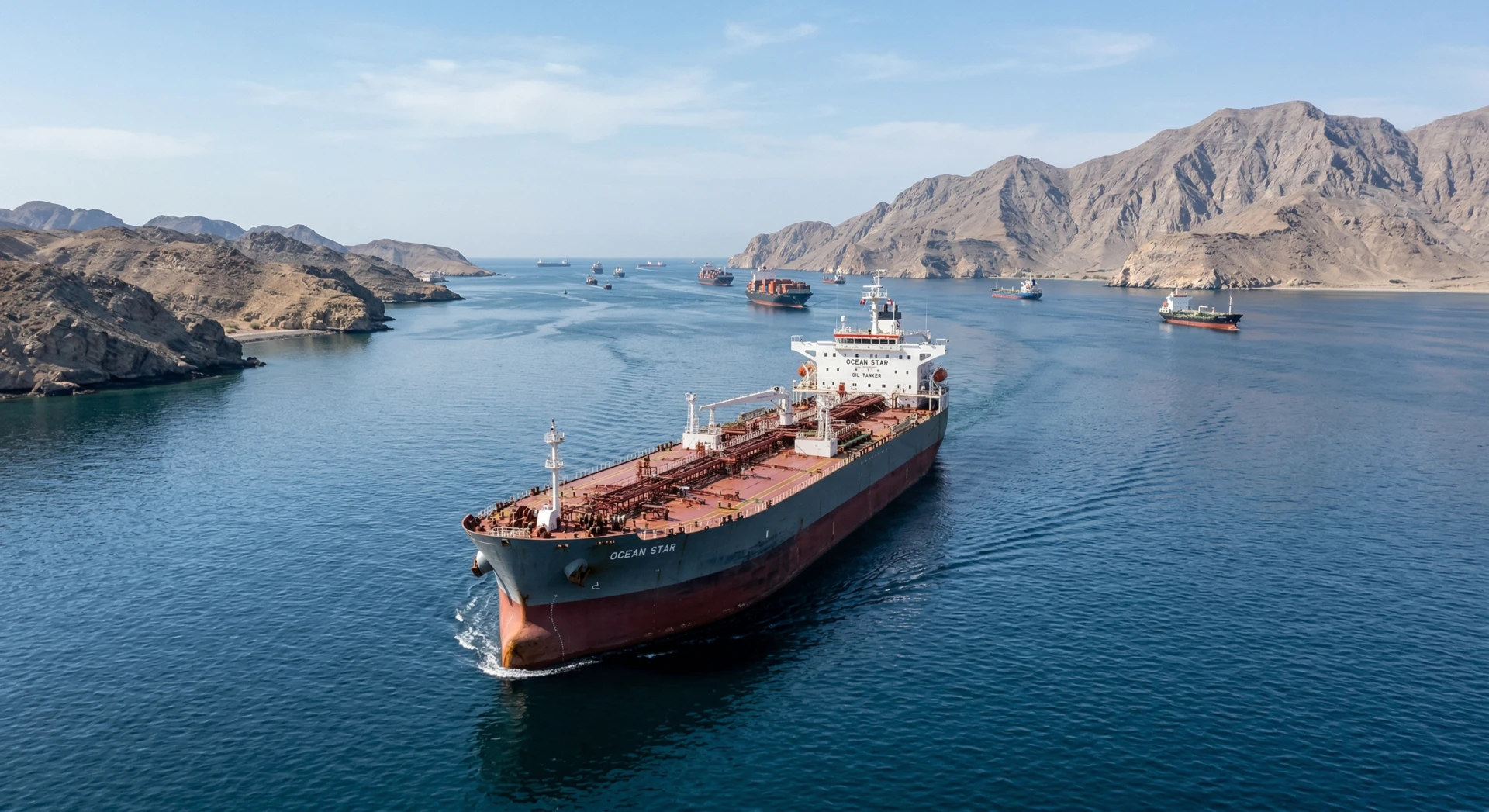
Indian State Refiners face immediate payment complications worth $15-20/barrel on existing Iranian crude contracts following Prime Minister Modi's 40-minute diplomatic call with President Trump amid ongoing U.S.-Iran ceasefire negotiations. With Brent crude trading around $95/barrel and the Strait of Hormuz — a 33-kilometre-wide chokepoint through which roughly 20% of world traded oil flows daily — effectively closed by naval blockade, Indian refiners must navigate both supply disruption and sanctions enforcement simultaneously. Commercial traffic through Hormuz remained at just six vessels on April 13th compared with 14 the previous day, as operators avoided transits amid security concerns despite the ceasefire. The diplomatic coordination, while symbolically important, cannot immediately resolve the financing infrastructure constraints that Indian refiners face when sourcing alternative supply routes. A letter of credit (LC) — a bank guarantee that payment will be made once shipping documents are presented — becomes nearly impossible to arrange for Iranian crude under current U.S. sanctions enforcement.
Both leaders highlighted the critical importance of keeping the Strait of Hormuz open and secure, given its central role in global oil supply and international trade. For Indian State Refiners, this represents more than diplomatic rhetoric. Consider Indian Oil Corporation's typical Iranian crude purchase: a 2-million-barrel VLCC cargo normally delivered at $8-12/barrel discount to Brent. Under the current two-week ceasefire agreed April 8th, which has been violated by both sides, that same cargo faces payment complications worth $15-20/barrel in additional banking costs, insurance premiums, and alternative supply arrangements. Global oil supply plummeted by 10.1 mb/d to 97 mb/d in March, with OPEC+ production falling 9.4 mb/d month-on-month to 42.4 mb/d — forcing Indian refiners to compete for increasingly scarce alternative barrels from U.S., West African, and Latin American suppliers at substantial premiums.
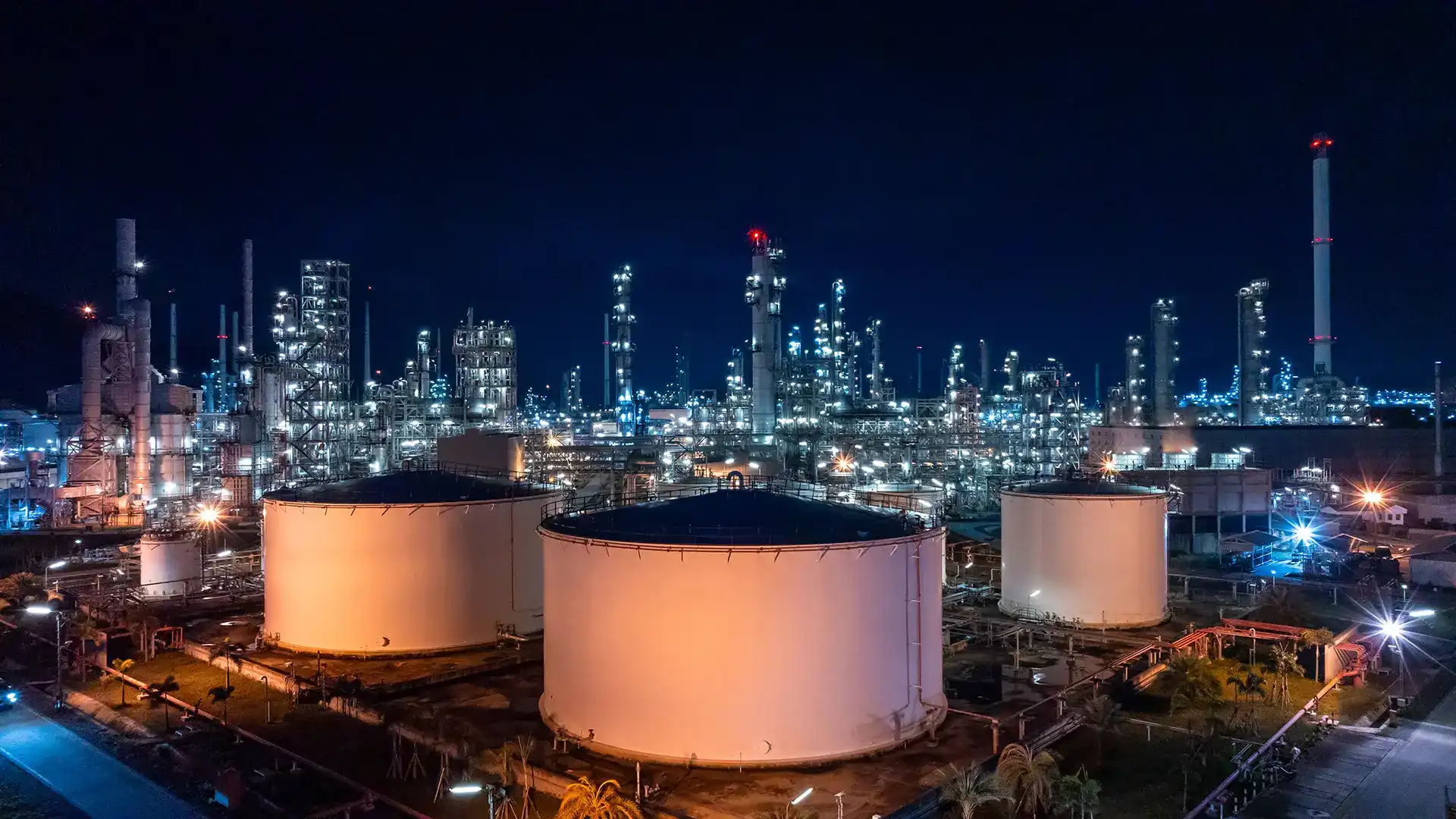
On the buy side: Indian State Refiners including Indian Oil Corporation, Bharat Petroleum, and Hindustan Petroleum face immediate procurement costs rising $400-500 million monthly if they shift entirely to alternative suppliers — U.S. WTI crude at current $94.69/barrel represents a $25-30/barrel premium over their typical Iranian supply arrangements. On the sell side: Iranian crude sellers, despite sitting on 230 loaded tankers inside the Persian Gulf according to recent reports, cannot access their primary payment mechanisms through the international banking system, creating a supply overhang that paradoxically cannot reach market. For trading intermediaries: The margin concentrates in freight and insurance — U.S. crude inventories rose by 6.1 million barrels last week, marking the eighth straight build, creating arbitrage opportunities for those with access to alternative supply routes and financing.
With physical crude oil prices surging to record levels near $150/barrel, far above futures market prices, and refined products reaching all-time highs above $290/barrel in Singapore, the scale differential becomes critical. For large integrated traders (Trafigura, Vitol, national oil companies' trading arms) with derivatives access: Hedge current Iranian exposure through Brent futures at $95/barrel while arranging alternative supply at premiums — the $40-50/barrel physical-futures disconnect provides hedging opportunities despite elevated basis risk. For smaller regional operators — mid-sized fuel importers, independent distributors, state-owned refiners without extensive trading arms — without derivatives access: Fix supply agreements bilaterally with U.S., Brazilian, or West African suppliers for 3-6 month terms, accepting $20-30/barrel premiums as insurance against further supply disruption. The financing constraint remains binding: most regional operators lack the balance sheet strength to arrange the enhanced letters of credit required for non-Iranian supply.
The U.S. and Iran are considering a two-week ceasefire extension to allow more time to negotiate a peace deal, with mediators seeking technical talks to overcome contentious issues preventing a longer-term agreement, including reopening Hormuz and Iran's nuclear program. For observers: Watch the Iran-U.S. ceasefire extension decision by April 21st — if extended, expect Brent crude to test $85-90/barrel; if collapsed, prepare for $110-120/barrel within days. Commercial shipping confidence remains weak with ongoing uncertainty around enforcement clarity, insurance constraints, and counterparty exposure continuing to weigh on transit decisions, with the operating environment remaining high risk, limiting any meaningful recovery in flows. The India-U.S. diplomatic coordination signals intent but cannot resolve the fundamental mismatch: Indian refiners need Iranian crude at historical pricing, while U.S. policy prevents the financial infrastructure that makes such trade possible.

.jpg)
.jpg)

'%3e%3cg id='Final-Copy-2_2_' transform='translate(1275.000000, 200.000000)'%3e%3cpath class='st0' d='M7.4,12.8h6.8l3.1-11.6H7.4C4.2,1.2,1.6,3.8,1.6,7S4.2,12.8,7.4,12.8z'/%3e%3c/g%3e%3c/g%3e%3c/g%3e%3cg id='final---dec.11-2020'%3e%3cg id='_x30_208-our-toggle' transform='translate(-1275.000000, -200.000000)'%3e%3cg id='Final-Copy-2' transform='translate(1275.000000, 200.000000)'%3e%3cpath class='st1' d='M22.6,0H7.4c-3.9,0-7,3.1-7,7s3.1,7,7,7h15.2c3.9,0,7-3.1,7-7S26.4,0,22.6,0z M1.6,7c0-3.2,2.6-5.8,5.8-5.8 h9.9l-3.1,11.6H7.4C4.2,12.8,1.6,10.2,1.6,7z'/%3e%3cpath id='x' class='st2' d='M24.6,4c0.2,0.2,0.2,0.6,0,0.8l0,0L22.5,7l2.2,2.2c0.2,0.2,0.2,0.6,0,0.8c-0.2,0.2-0.6,0.2-0.8,0 l0,0l-2.2-2.2L19.5,10c-0.2,0.2-0.6,0.2-0.8,0c-0.2-0.2-0.2-0.6,0-0.8l0,0L20.8,7l-2.2-2.2c-0.2-0.2-0.2-0.6,0-0.8 c0.2-0.2,0.6-0.2,0.8,0l0,0l2.2,2.2L23.8,4C24,3.8,24.4,3.8,24.6,4z'/%3e%3cpath id='y' class='st3' d='M12.7,4.1c0.2,0.2,0.3,0.6,0.1,0.8l0,0L8.6,9.8C8.5,9.9,8.4,10,8.3,10c-0.2,0.1-0.5,0.1-0.7-0.1l0,0 L5.4,7.7c-0.2-0.2-0.2-0.6,0-0.8c0.2-0.2,0.6-0.2,0.8,0l0,0L8,8.6l3.8-4.5C12,3.9,12.4,3.9,12.7,4.1z'/%3e%3c/g%3e%3c/g%3e%3c/g%3e%3c/g%3e%3c/svg%3e) Privacy Choices
Privacy Choices