.avif)
.avif)
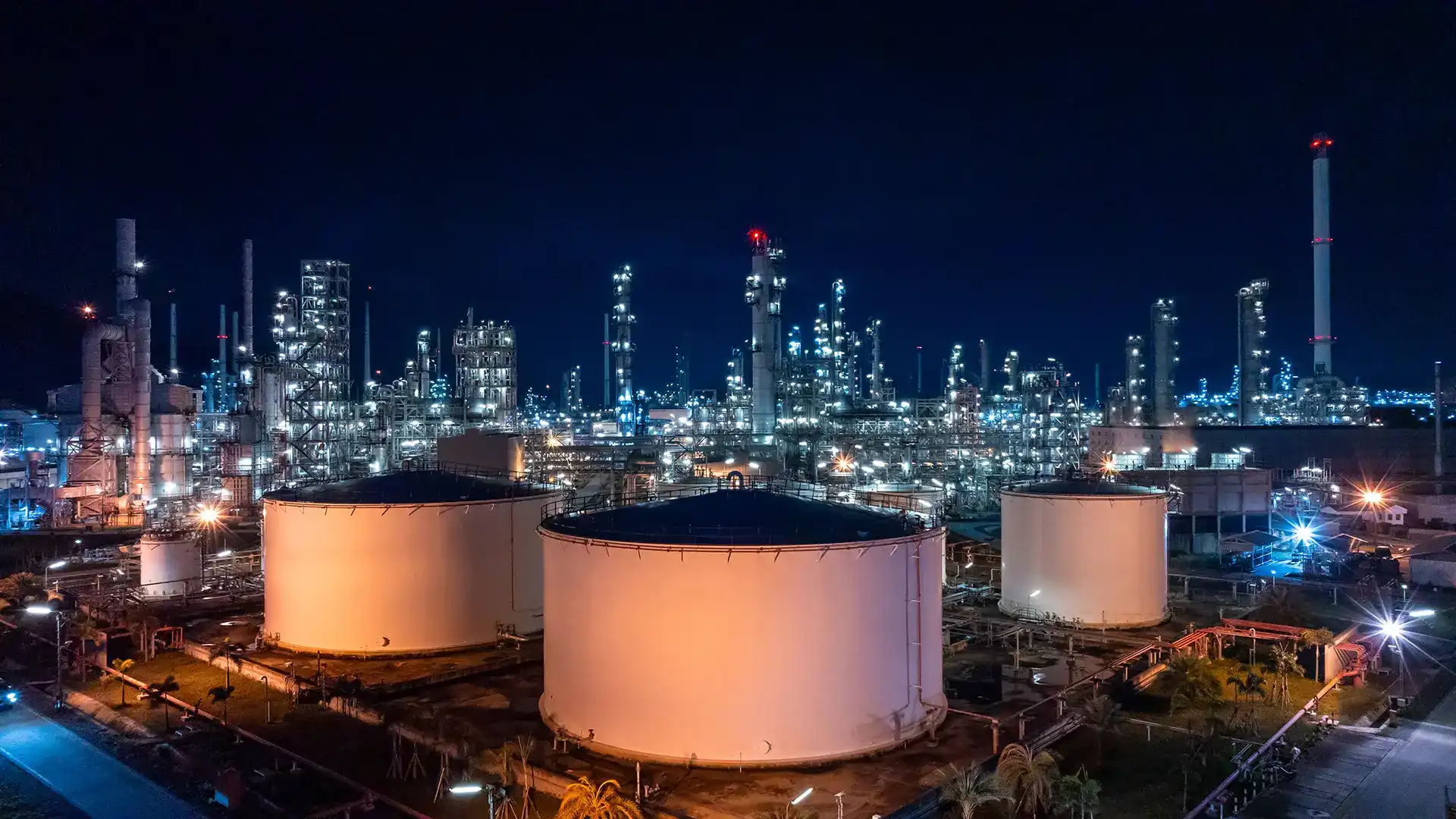
Indian state refiners face margin compression within months as HPCL's record FY26 standalone profit of ₹17,175 crore up 133% year on year demonstrates how quickly administrative pricing freedom can drive earnings, and how quickly it can be withdrawn. The company's gross refining margin (GRM) the spread between crude input costs and refined product realisation prices expanded to $8.79 per barrel in FY26 from $5.74 per barrel in FY25, but this 53% improvement depends entirely on the government's tolerance for high retail fuel prices. With crude oil surging from $70 to $109 per barrel since February 2026 and retail fuel prices frozen since April 2022, the earnings windfall is structurally unsustainable. A state refiner's GRM the difference between what it pays for crude and what it realises from selling petrol, diesel, and other products is not a market-driven metric in India. It is administratively determined. Consider the arithmetic: at current crude prices of $109/barrel and frozen retail diesel prices, HPCL effectively subsidises each litre by approximately ₹15-20. The company absorbs this through its balance sheet until the government either provides compensation or permits price increases. Neither is guaranteed.
The mechanics of India's fuel pricing system create a binary outcome for state refiners: windfall profits when global crude falls below administratively sustainable levels, or forced losses when crude exceeds them. HPCL's cumulative unrecognised LPG subsidy buffer money spent but not authorised for recovery reached ₹12,799 crore as of March 2026, up from ₹10,895 crore a year earlier, with current losses continuing to accumulate. This is not an accounting entry. It represents real cash absorbed by the company to maintain household LPG cylinder prices below cost. The LPG subsidy mechanism works as follows: HPCL sells domestic cylinders at government mandated prices, typically ₹200-300 below import parity cost. The difference accumulates as "under-recoveries" until the government announces compensation packages. The Ministry of Petroleum announced a ₹7,920 crore compensation package in October 2025, disbursed in 12 monthly instalments, with only five instalments falling in FY26, leaving ₹4,620 crore as deferred income into FY27. But compensation addresses past losses partially current losses expand in real-time.
On the buy side: Large integrated oil companies with diversified crude sourcing (IOC, BPCL, HPCL) can optimise feedstock costs and benefit from refining complexity, but remain exposed to administrative pricing decisions that can eliminate margins overnight. A 50,000 barrel per day refinery processing $109/barrel crude with a $8.79/barrel margin generates approximately $1.6 million daily gross profit until the government freezes output prices. On the sell side: Independent fuel retailers face margin compression as state refiners expand their integrated networks and leverage economies of scale. HPCL added 526 new retail outlets in Q4 FY26 alone, taking its total network past 25,000 outlets. This vertical integration allows state refiners to capture downstream margins when upstream refining margins are administratively constrained, but creates competitive pressure for independent distributors who lack refining operations to offset retail losses.
For large integrated traders with derivatives access: The India fuel margin trade requires political risk hedging instruments unavailable in conventional commodity markets. Currency forwards can hedge rupee crude costs, but no financial instrument protects against administrative margin compression. The hedge is diversification exposure to multiple jurisdictions with market determined pricing, or positioning in global refined product arbitrage when Indian domestic demand is administratively capped. For smaller regional operators without derivatives access: Independent fuel distributors must negotiate fixed margin supply agreements with state refiners, accepting lower absolute margins in exchange for protection from policy volatility. Regional LPG distributors can diversify into piped natural gas distribution where pricing mechanisms are more stable, but infrastructure requirements are substantial. Piped gas connections in India are being added at 10,000 daily, increasing just 3% since the conflict began to 17 million total connections growth that provides some insulation from LPG price shocks but requires patient capital deployment.
For observers: Monitor the fortnightly fuel price review announcements from state refiners, typically released on the first and 16th of each month. Any resumption of price increases after the current freeze signals government tolerance for passing through crude cost inflation. With Brent crude at $109.24 per barrel as of May 15, retail fuel prices would need to increase by ₹8-12 per litre to restore sustainable refining margins. The window for administrative intervention narrows as crude stays elevated either prices adjust upward, or state refiner margins collapse by Q2 FY27. The tell tale signal is the gap between pump prices and import parity: when this spread exceeds ₹10-15 per litre sustainably, administrative compression becomes inevitable regardless of reported quarterly profits.


.jpg)

'%3e%3cg id='Final-Copy-2_2_' transform='translate(1275.000000, 200.000000)'%3e%3cpath class='st0' d='M7.4,12.8h6.8l3.1-11.6H7.4C4.2,1.2,1.6,3.8,1.6,7S4.2,12.8,7.4,12.8z'/%3e%3c/g%3e%3c/g%3e%3c/g%3e%3cg id='final---dec.11-2020'%3e%3cg id='_x30_208-our-toggle' transform='translate(-1275.000000, -200.000000)'%3e%3cg id='Final-Copy-2' transform='translate(1275.000000, 200.000000)'%3e%3cpath class='st1' d='M22.6,0H7.4c-3.9,0-7,3.1-7,7s3.1,7,7,7h15.2c3.9,0,7-3.1,7-7S26.4,0,22.6,0z M1.6,7c0-3.2,2.6-5.8,5.8-5.8 h9.9l-3.1,11.6H7.4C4.2,12.8,1.6,10.2,1.6,7z'/%3e%3cpath id='x' class='st2' d='M24.6,4c0.2,0.2,0.2,0.6,0,0.8l0,0L22.5,7l2.2,2.2c0.2,0.2,0.2,0.6,0,0.8c-0.2,0.2-0.6,0.2-0.8,0 l0,0l-2.2-2.2L19.5,10c-0.2,0.2-0.6,0.2-0.8,0c-0.2-0.2-0.2-0.6,0-0.8l0,0L20.8,7l-2.2-2.2c-0.2-0.2-0.2-0.6,0-0.8 c0.2-0.2,0.6-0.2,0.8,0l0,0l2.2,2.2L23.8,4C24,3.8,24.4,3.8,24.6,4z'/%3e%3cpath id='y' class='st3' d='M12.7,4.1c0.2,0.2,0.3,0.6,0.1,0.8l0,0L8.6,9.8C8.5,9.9,8.4,10,8.3,10c-0.2,0.1-0.5,0.1-0.7-0.1l0,0 L5.4,7.7c-0.2-0.2-0.2-0.6,0-0.8c0.2-0.2,0.6-0.2,0.8,0l0,0L8,8.6l3.8-4.5C12,3.9,12.4,3.9,12.7,4.1z'/%3e%3c/g%3e%3c/g%3e%3c/g%3e%3c/g%3e%3c/svg%3e) Privacy Choices
Privacy Choices