.avif)

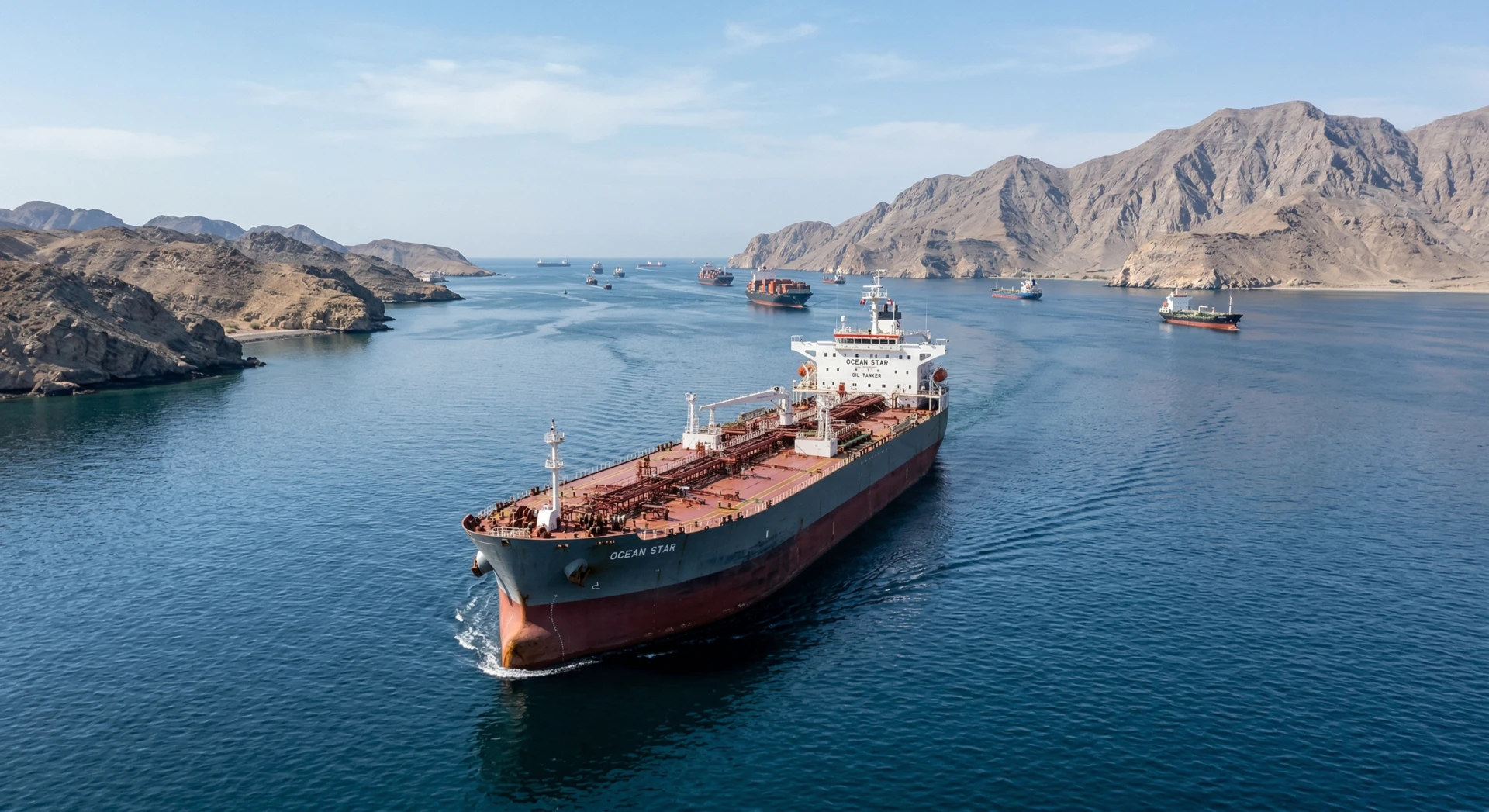
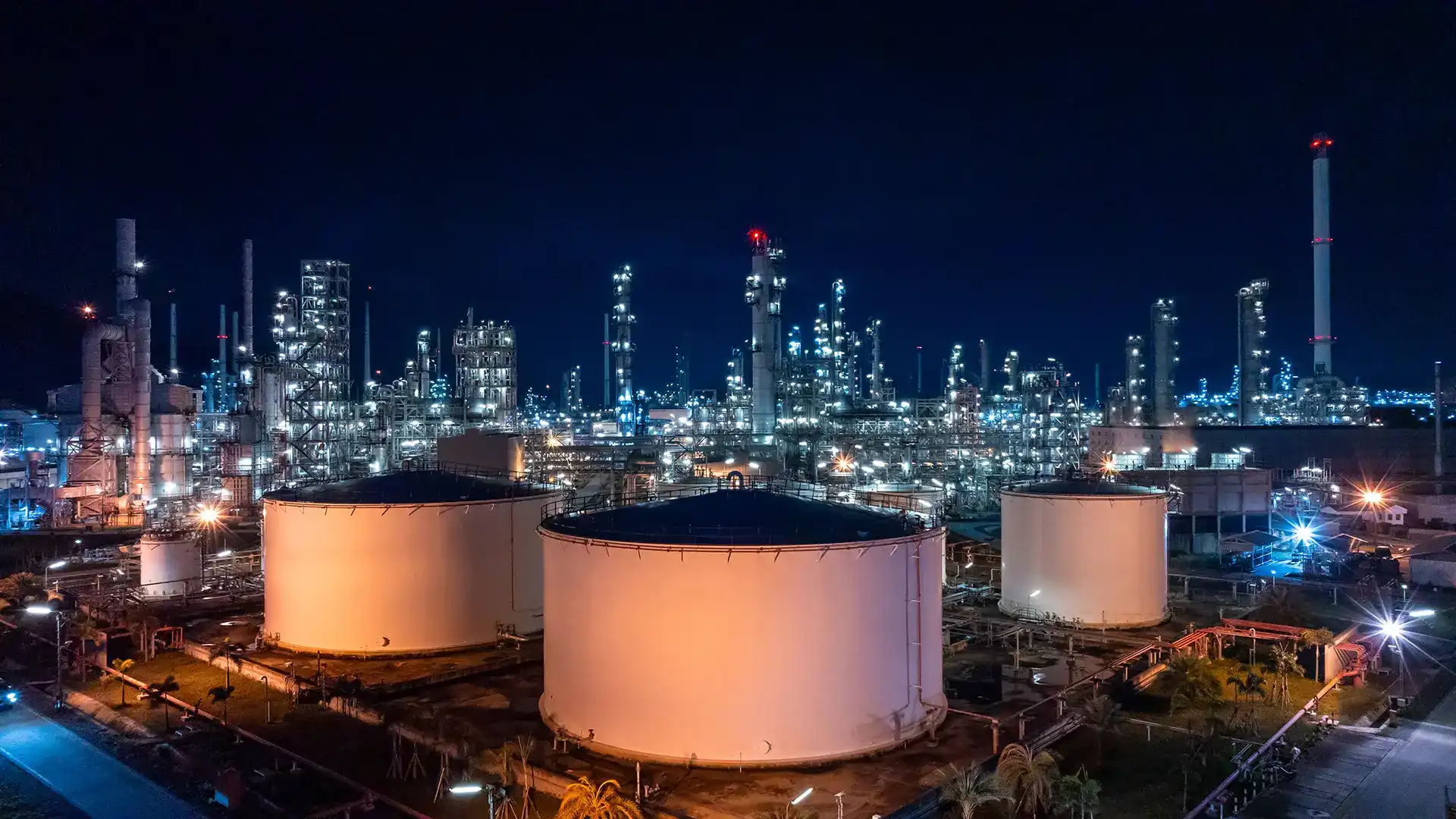
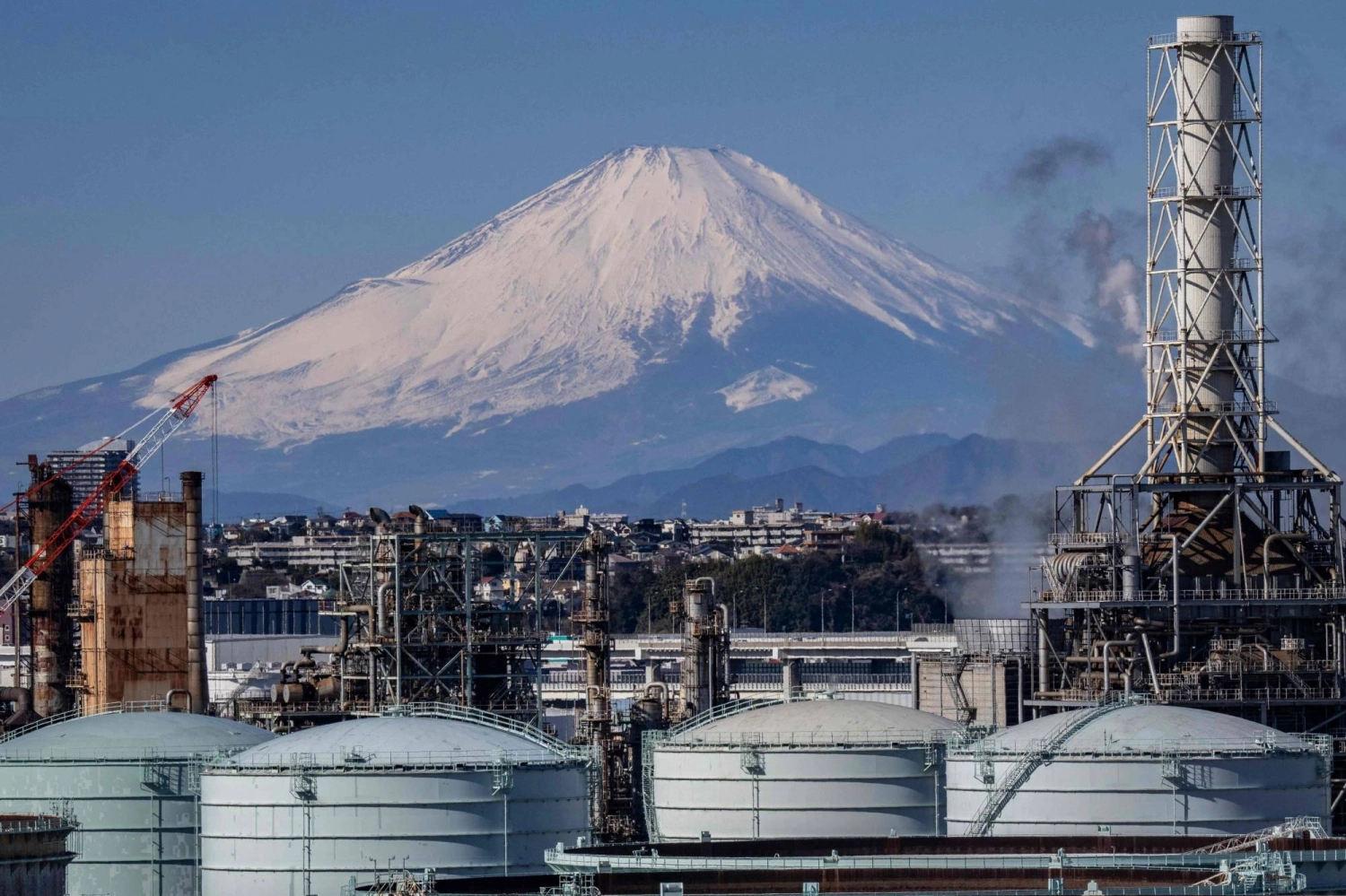
Brent crude futures surged above $104 per barrel this morning as Iran's latest diplomatic threats signal growing risks to Persian Gulf oil transit, creating immediate margin pressure for Asian refineries importing 14 million barrels daily through the Strait of Hormuz. The International Energy Agency warns that 14 million barrels per day roughly 15% of global supply remain disrupted, while Iranian officials now threaten 'surprise weapons' and expanded operations if attacks continue. For Asian crude importers from Japan to India, the arithmetic is stark: Brent prices have already climbed to $101-105/barrel from pre-war levels around $75, adding approximately $25-30/barrel to procurement costs. Consider a major Japanese refinery importing 200,000 barrels daily the war risk premium now costs an additional $5-6 million per day compared to February.
Iran's rejection of the latest US peace proposal, dismissed by Trump as 'totally unacceptable,' prolongs the standoff over Hormuz reopening. The diplomatic deadlock centers on Iran's demands for sovereignty recognition over the strait and war reparations, while Washington insists on immediate unconditional reopening. Saudi Aramco CEO Amin Nasser warned that even if reopened today, market normalization would 'take months' and any further delay could extend disruptions into 2027. This timeline mismatch creates a dangerous asymmetry: buyers need supply now, sellers control supply timing, and traders capture the expanding spread between immediate needs and deferred delivery.
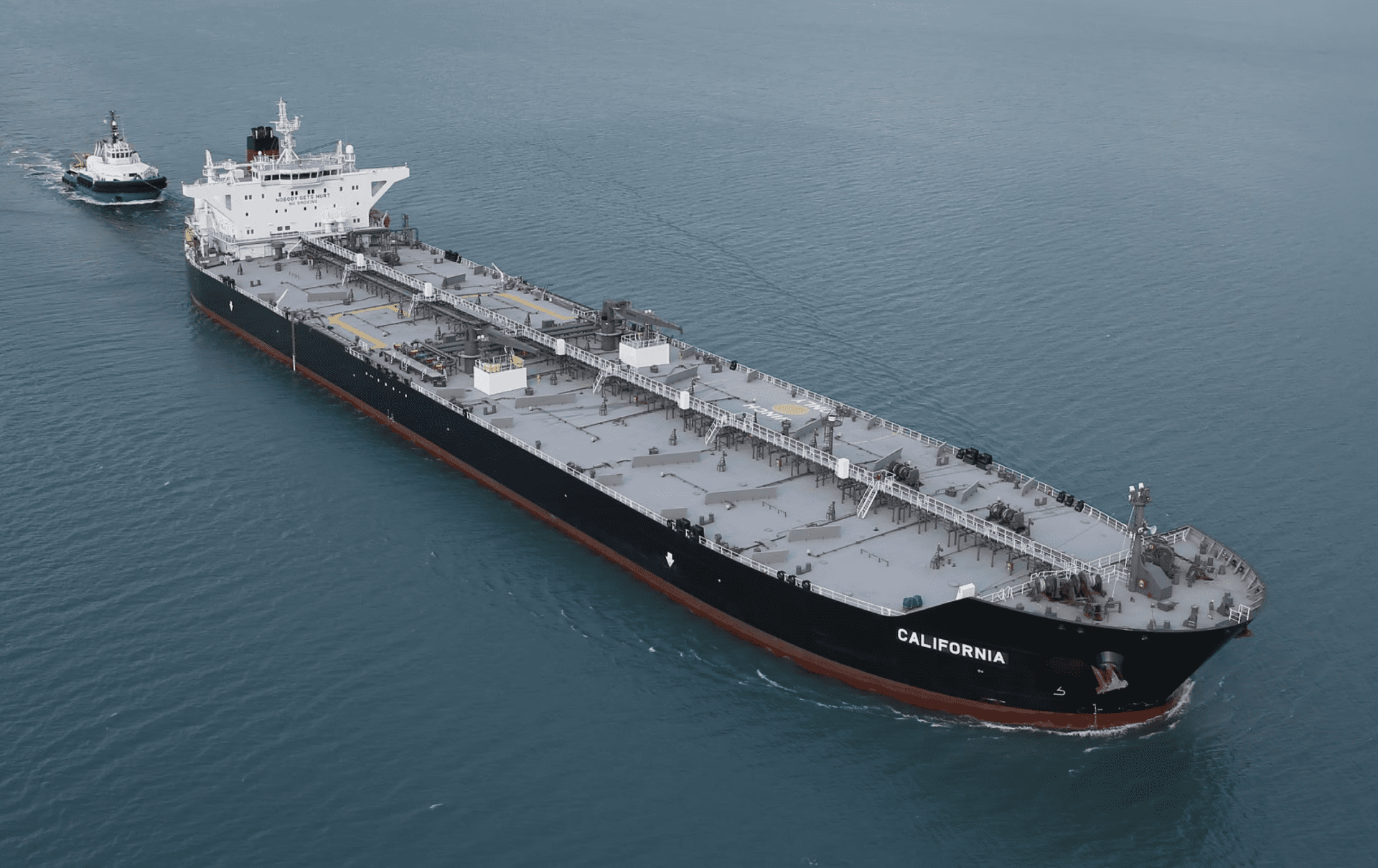
Citi analysts note that while strategic reserves and weak demand in developing economies have cushioned markets, Iran retains 'significant control over timing and terms' of any Hormuz reopening, with risks tilted toward later resolution and partial reopening. The freight dimension compounds the margin squeeze. War risk insurance premiums have surged from 0.125% to 0.4% of vessel value per transit adding $250,000-400,000 for a typical VLCC carrying 2 million barrels. For smaller regional tankers moving 500,000 barrels, the insurance premium alone adds $1.25-2.50/barrel to delivered costs. Protection and indemnity coverage was cancelled from March 5, making commercial transit impossible for most operators.
Alternative pipeline capacity through Saudi Arabia's East-West line to Yanbu, UAE's pipeline to Fujairah, and Iraq's Kirkuk-Ceyhan route totals just 9 million barrels daily less than half the strait's 20 million barrel capacity, with Red Sea routes vulnerable to Houthi attacks. This infrastructure constraint creates a structural bottleneck where Asian buyers must either pay Persian Gulf war premiums or accept Atlantic Basin alternatives at significantly higher transport costs. A South Korean refinery sourcing 100,000 barrels daily faces a choice: West Texas Intermediate delivered from the US Gulf at approximately $12-15/barrel freight premium, or waiting for Hormuz reopening with escalating war risk costs.
Global oil inventories currently stand at 101 days of demand but could fall to 98 days by month-end, with Goldman Sachs warning that 'easily accessible buffers' of refined products are being 'depleted rapidly'. For large integrated traders like Vitol or Trafigura with derivatives access, the solution involves purchasing Brent call options struck at $120-130/barrel to hedge against further price spikes while selling forward crude at current elevated levels. The hedge cost: approximately $3-5/barrel for three-month protection. For smaller regional importers mid-sized Indian refineries, Southeast Asian distributors, cooperative purchasing groups without derivatives access, the strategy shifts to inventory building and bilateral term contracts with Atlantic Basin suppliers, accepting 15-20% higher procurement costs to secure supply certainty.
Asian dependency on Gulf crude creates severe exposure: China imports 40% of its oil through Hormuz, Japan 70% of its Middle East crude, with South Korea similarly exposed. Pakistan and Bangladesh, importing 99% and 72% of LNG respectively from Qatar and UAE, face power sector disruptions as storage capacity nears depletion. The margin transfer is clear: Persian Gulf crude exporters lose market access while Atlantic Basin suppliers US shale producers, North Sea operators, West African exporters capture windfall premiums of $8-12/barrel above normal pricing.
India's response illustrates the procurement arithmetic: raising diesel export duties to Rs 21.5/liter ($28/MT) and aviation fuel duties to Rs 29.5/liter, while 60% of LPG imports through Hormuz face immediate shortages. Consider a mid-sized Indian diesel exporter shipping 50,000 tonne cargoes to Singapore. Before the levy, delivered margins were $25-30/MT thin but viable. The Rs 21.5/liter duty adds roughly $28/MT, erasing margins entirely. The cargo stays domestic, tightening Asian diesel markets and widening refining margins for Singapore and South Korean complexes with alternative crude sources.
Iran's latest counterproposal demands sovereignty recognition over the strait, war reparations, frozen asset releases, and sanctions lifting, while offering no nuclear program concessions. This maximalist position suggests Tehran views Hormuz control as leverage for broader strategic gains, not merely a tactical disruption. The commercial consequence: any resolution requires comprehensive political settlement, not operational accommodation. Fresh exchanges of fire between US destroyers and Iranian forces in the strait, with each side claiming self-defense, demonstrate the ceasefire's fragility.
For European importers, the route mathematics favor immediate diversification. Alternative supplies via Saudi Yanbu (Red Sea), UAE Fujairah (Arabian Sea), and Iraqi Ceyhan (Mediterranean) provide accessible alternatives, though at 20-25% volume discount to normal Gulf flows. North Sea Brent becomes the global benchmark as Middle East pricing mechanisms break down, creating arbitrage opportunities for traders positioned in Atlantic Basin storage. Normal Hormuz traffic of 3,000 vessels monthly carrying 15 million barrels daily has collapsed to just 191 vessels in April a 94% decline.
Energy analysts warn that while crude may not reach $200/barrel, refined products will see consistent pricing at those levels, creating 'humanitarian crisis' in poorer countries, 'economic crisis' in Europe, and 'political crisis' in the US. Goldman estimates oil could spike toward $140-150/barrel if disruptions persist, though elevated prices would eventually curb demand. For observers, the key signal is the Brent-Dubai spread currently widening beyond $8/barrel as Persian Gulf crude becomes unavailable. Watch for the spread to reach $15-20/barrel as marker for complete route breakdown, triggering mandatory inventory releases and demand destruction measures across importing economies.

.jpg)

'%3e%3cg id='Final-Copy-2_2_' transform='translate(1275.000000, 200.000000)'%3e%3cpath class='st0' d='M7.4,12.8h6.8l3.1-11.6H7.4C4.2,1.2,1.6,3.8,1.6,7S4.2,12.8,7.4,12.8z'/%3e%3c/g%3e%3c/g%3e%3c/g%3e%3cg id='final---dec.11-2020'%3e%3cg id='_x30_208-our-toggle' transform='translate(-1275.000000, -200.000000)'%3e%3cg id='Final-Copy-2' transform='translate(1275.000000, 200.000000)'%3e%3cpath class='st1' d='M22.6,0H7.4c-3.9,0-7,3.1-7,7s3.1,7,7,7h15.2c3.9,0,7-3.1,7-7S26.4,0,22.6,0z M1.6,7c0-3.2,2.6-5.8,5.8-5.8 h9.9l-3.1,11.6H7.4C4.2,12.8,1.6,10.2,1.6,7z'/%3e%3cpath id='x' class='st2' d='M24.6,4c0.2,0.2,0.2,0.6,0,0.8l0,0L22.5,7l2.2,2.2c0.2,0.2,0.2,0.6,0,0.8c-0.2,0.2-0.6,0.2-0.8,0 l0,0l-2.2-2.2L19.5,10c-0.2,0.2-0.6,0.2-0.8,0c-0.2-0.2-0.2-0.6,0-0.8l0,0L20.8,7l-2.2-2.2c-0.2-0.2-0.2-0.6,0-0.8 c0.2-0.2,0.6-0.2,0.8,0l0,0l2.2,2.2L23.8,4C24,3.8,24.4,3.8,24.6,4z'/%3e%3cpath id='y' class='st3' d='M12.7,4.1c0.2,0.2,0.3,0.6,0.1,0.8l0,0L8.6,9.8C8.5,9.9,8.4,10,8.3,10c-0.2,0.1-0.5,0.1-0.7-0.1l0,0 L5.4,7.7c-0.2-0.2-0.2-0.6,0-0.8c0.2-0.2,0.6-0.2,0.8,0l0,0L8,8.6l3.8-4.5C12,3.9,12.4,3.9,12.7,4.1z'/%3e%3c/g%3e%3c/g%3e%3c/g%3e%3c/g%3e%3c/svg%3e) Privacy Choices
Privacy Choices