.avif)
European diesel buyers face 15-20% premiums as Georgia's Kulevi refinery pivots from Russian to Central Asian crude, triggering supply chain adjustments across the Black Sea product tanker market. Black Sea Petroleum's 1.2 million tonne annual refinery — expanding to 4.5 million tonnes — represents minimal global impact but creates localized margin pressure for buyers dependent on competitively-priced refined products from the region. The facility's shift from Russian crude to Turkmen and Kazakh feedstock adds $25-35 per tonne in logistics costs: Turkmen crude must transit Azerbaijan via the Baku-Batumi pipeline, adding 7-10 days versus direct Russian deliveries, while Kazakh crude faces similar routing constraints. For European independent fuel distributors importing 10,000-20,000 tonnes monthly from the Black Sea region, this translates to $250,000-700,000 additional annual procurement costs. The premium reflects not just transportation differentials but also the processing margin adjustment BSP requires to justify the feedstock switch while maintaining operational profitability.
The refinery's dependence on Azerbaijan's state oil company SOCAR for terminal access creates a structural bottleneck that extends beyond pure logistics. SOCAR operates the Kulevi oil terminal and controls pipeline access for Central Asian crude transiting Azerbaijan — making BSP's timeline hostage to Baku's strategic priorities rather than operational efficiency. Transit delays through Azerbaijan, described by BSP CEO David Potskhveria as the main obstacle to starting Turkmen deliveries, reflect SOCAR's calculated approach to balancing relationships with Russia, the EU, and Central Asian suppliers. A letter of credit (LC) — a bank guarantee that payment is made once shipping documents are presented — becomes more complex when the controlling terminal operator has competing geopolitical incentives. For the 105,000 tonnes of Russian crude Rosneft delivered to Kulevi in October, processing and export required only SOCAR's passive cooperation. Central Asian crude requires active facilitation, creating leverage SOCAR can exercise to extract concessions or delay operations based on broader Azerbaijan energy diplomacy.
On the buy side, European diesel importers face margin compression as their lowest-cost Black Sea supply source reprices upward. Netherlands-based independent distributor Varo Energy, which sources 200,000-300,000 tonnes annually from Black Sea refineries, must now compete for limited Kulevi output against buyers willing to pay the Central Asian crude premium. Before the feedstock switch, Kulevi diesel traded at $15-20 per tonne discount to Mediterranean benchmarks, reflecting favorable Russian Urals crude economics. Post-switch pricing targets parity with Mediterranean diesel, eliminating the discount European buyers relied on to maintain retail margins. For Varo's scale of operations, this represents $3-6 million in additional annual procurement costs that must be passed through to industrial customers or absorbed through margin compression. Large integrated players like Vitol can hedge exposure through derivatives markets, but mid-tier importers face direct profit impact from the pricing shift.
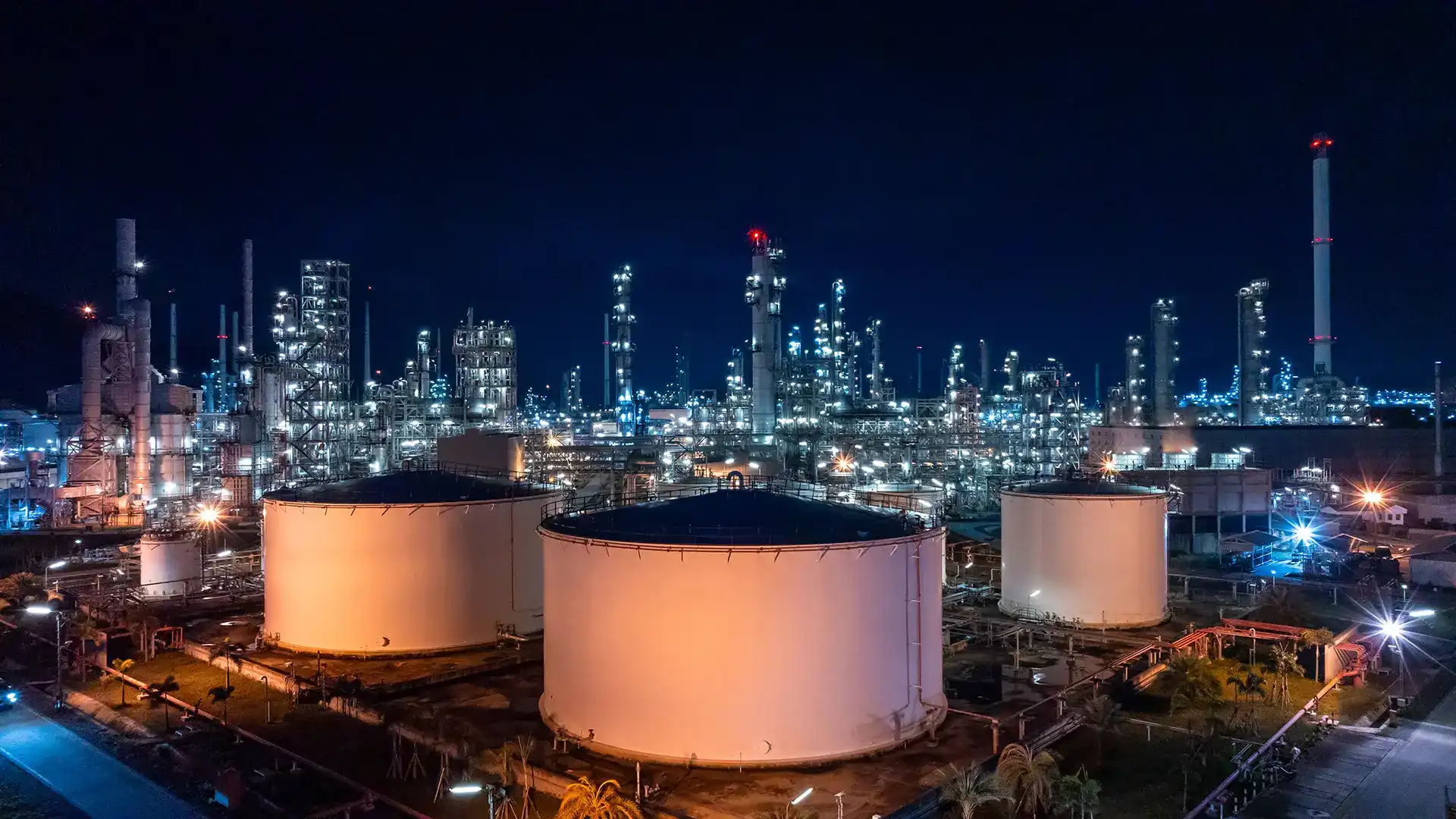
On the sell side, BSP confronts the operational complexity of maintaining refinery utilization while transitioning feedstock sources and export destinations simultaneously. The company's partnerships with Saudi Aramco and Trafigura provide crude supply optionality and marketing support, but cannot eliminate the fundamental economics of Central Asian crude pricing. Turkmen crude commands premiums to Russian Urals reflecting transportation costs and limited export route optionality — premiums BSP must recover through higher product pricing or accept reduced refining margins. Processing 100,000 tonnes monthly, BSP's margin per tonne must increase $25-30 to maintain profitability equivalent to Russian crude operations. The $600 million facility investment requires debt service coverage that becomes more challenging as feedstock costs rise without proportional product price increases. Technology partnerships with Honeywell provide process efficiency gains, but cannot offset crude oil arbitrage economics that have shifted against the facility's original business model.
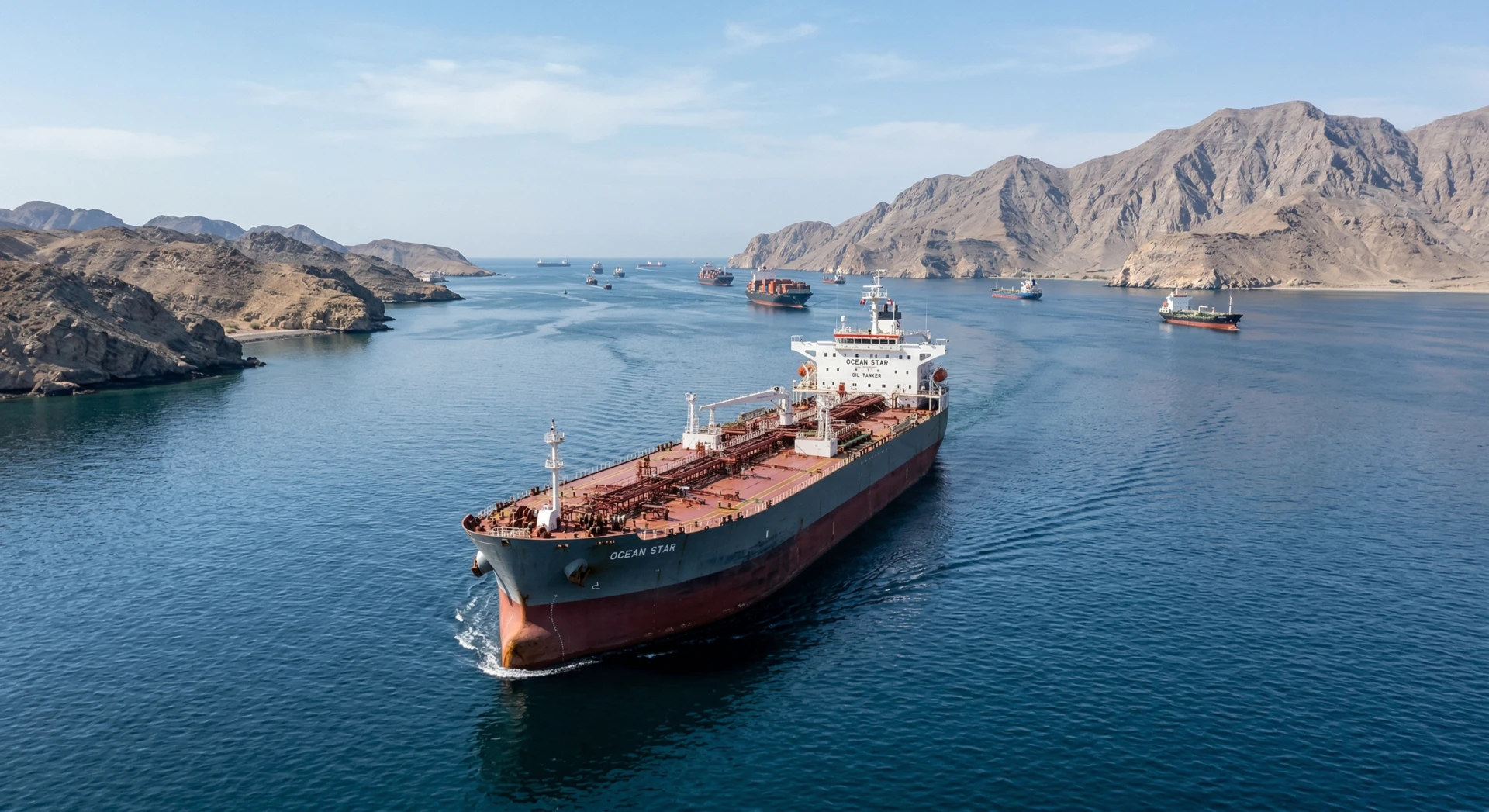
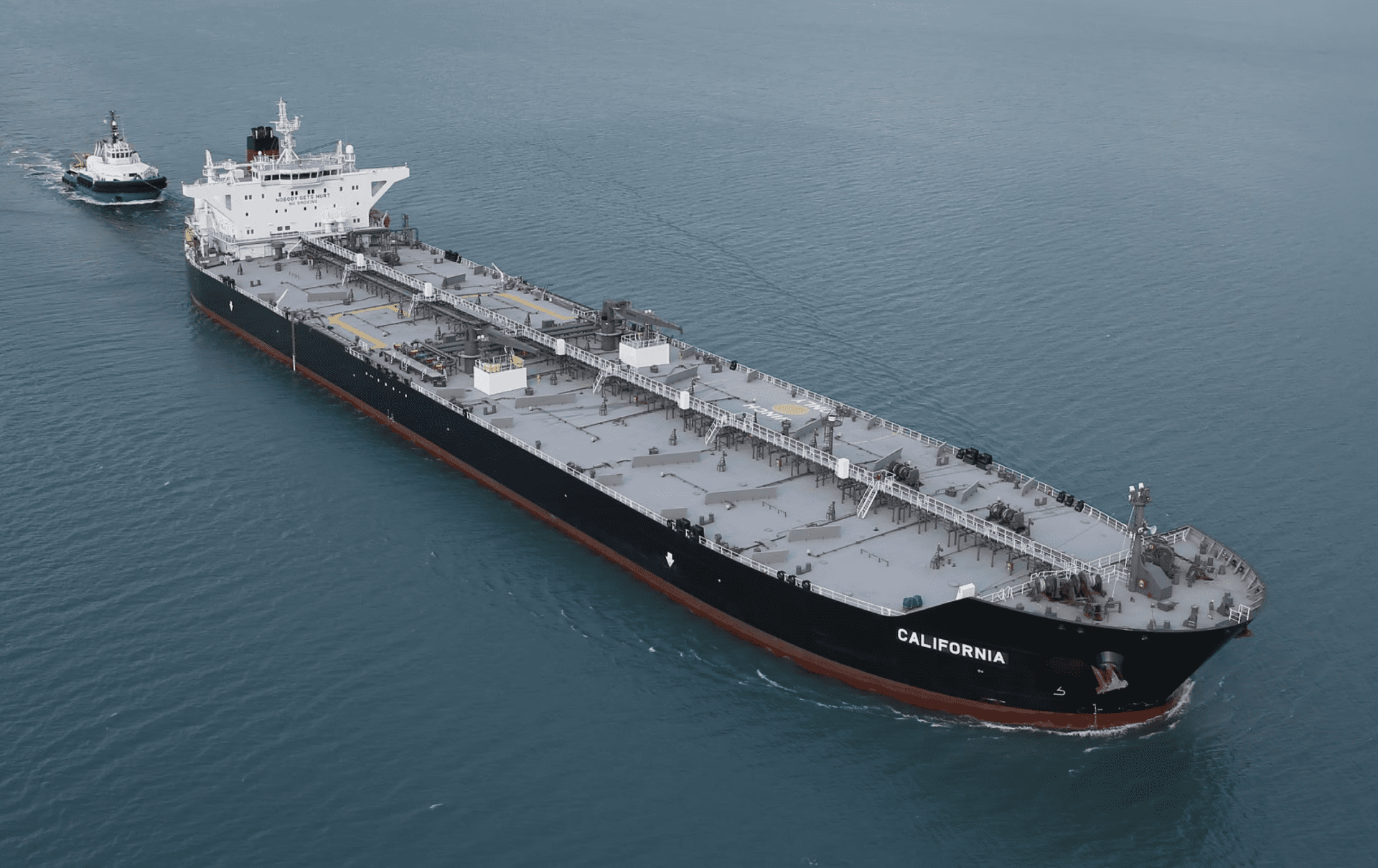
For product tanker operators, the 15-20% diesel premium creates route economics that favor longer-haul alternatives over traditional Black Sea sourcing. A 37,000-tonne MR tanker loading Kulevi diesel for Amsterdam faces time charter equivalent rates of $18,000-22,000 daily on the 8-day voyage, but the cargo's higher FOB price reduces charterers' willingness to pay premium freight rates. Mediterranean refineries offering competitively-priced diesel on shorter routes to Northern Europe become more attractive, reducing Black Sea product tanker demand. Operators like Scorpio Tankers with significant MR exposure to Black Sea-Europe routes must adjust positioning to capture Mediterranean opportunities or accept lower utilization rates. The structural shift affects vessel deployment: rather than ballasting from Northwest Europe to the Black Sea for product loading, tankers increasingly seek Mediterranean cargoes that offer comparable netbacks without the crude supply uncertainty. Fleet owners with 10-15 MR vessels focused on European product trades face revenue impact of $50,000-100,000 weekly as their preferred loading region becomes less competitive.
Backwardation in European diesel futures — where near-term prices exceed forward prices — signals buyers need physical supply now, but the Kulevi premium creates arbitrage opportunities for larger players with storage access. Contango typically characterizes stable supply situations, but European diesel markets show persistent backwardation reflecting supply chain adjustments following Russian product import restrictions. Independent storage operators in Amsterdam-Rotterdam-Antwerp (ARA) with 100,000-200,000 cubic meters capacity can capture $8-12 per tonne margins by storing competitively-priced Mediterranean diesel for later sale when Kulevi-sourced volumes command premiums. Large trading houses like Gunvor leverage this arbitrage through floating storage on product tankers, using vessel capacity as temporary inventory when shore tank premiums justify the carrying costs. However, this opportunity remains limited to operators with established credit facilities and storage infrastructure — excluding smaller regional distributors who must source from spot markets at prevailing premiums. The arbitrage window narrows as alternative Black Sea refineries adjust pricing to compete with Mediterranean suppliers.
Looking forward, BSP's ability to achieve its 4.5 million tonne expansion depends on securing long-term Central Asian crude supply contracts that provide feedstock price certainty. Turkmenistan's limited export infrastructure concentrates crude sales through state-controlled channels that prioritize China and Russia as primary customers, leaving European-focused refineries competing for residual volumes. Kazakhstan's CPC pipeline system offers more reliable access but at prices reflecting transportation costs to Black Sea terminals plus margins for intermediate handlers. The expansion timeline extends 18-24 months beyond original projections as BSP negotiates supply agreements and upgrades terminal facilities to handle increased throughput. European buyers face sustained premium pricing for Kulevi products until alternative Black Sea refining capacity comes online or Mediterranean suppliers increase output to fill the price gap. Product tanker operators should monitor ARA diesel inventories and Mediterranean refinery utilization rates as leading indicators of whether the Kulevi premium represents temporary adjustment or permanent supply chain restructuring. The facility's success in transitioning to Central Asian crude will determine whether similar projects pursue European market access or focus on regional Asian demand.

.jpg)
'%3e%3cg id='Final-Copy-2_2_' transform='translate(1275.000000, 200.000000)'%3e%3cpath class='st0' d='M7.4,12.8h6.8l3.1-11.6H7.4C4.2,1.2,1.6,3.8,1.6,7S4.2,12.8,7.4,12.8z'/%3e%3c/g%3e%3c/g%3e%3c/g%3e%3cg id='final---dec.11-2020'%3e%3cg id='_x30_208-our-toggle' transform='translate(-1275.000000, -200.000000)'%3e%3cg id='Final-Copy-2' transform='translate(1275.000000, 200.000000)'%3e%3cpath class='st1' d='M22.6,0H7.4c-3.9,0-7,3.1-7,7s3.1,7,7,7h15.2c3.9,0,7-3.1,7-7S26.4,0,22.6,0z M1.6,7c0-3.2,2.6-5.8,5.8-5.8 h9.9l-3.1,11.6H7.4C4.2,12.8,1.6,10.2,1.6,7z'/%3e%3cpath id='x' class='st2' d='M24.6,4c0.2,0.2,0.2,0.6,0,0.8l0,0L22.5,7l2.2,2.2c0.2,0.2,0.2,0.6,0,0.8c-0.2,0.2-0.6,0.2-0.8,0 l0,0l-2.2-2.2L19.5,10c-0.2,0.2-0.6,0.2-0.8,0c-0.2-0.2-0.2-0.6,0-0.8l0,0L20.8,7l-2.2-2.2c-0.2-0.2-0.2-0.6,0-0.8 c0.2-0.2,0.6-0.2,0.8,0l0,0l2.2,2.2L23.8,4C24,3.8,24.4,3.8,24.6,4z'/%3e%3cpath id='y' class='st3' d='M12.7,4.1c0.2,0.2,0.3,0.6,0.1,0.8l0,0L8.6,9.8C8.5,9.9,8.4,10,8.3,10c-0.2,0.1-0.5,0.1-0.7-0.1l0,0 L5.4,7.7c-0.2-0.2-0.2-0.6,0-0.8c0.2-0.2,0.6-0.2,0.8,0l0,0L8,8.6l3.8-4.5C12,3.9,12.4,3.9,12.7,4.1z'/%3e%3c/g%3e%3c/g%3e%3c/g%3e%3c/g%3e%3c/svg%3e) Privacy Choices
Privacy Choices