.avif)
.jpg)
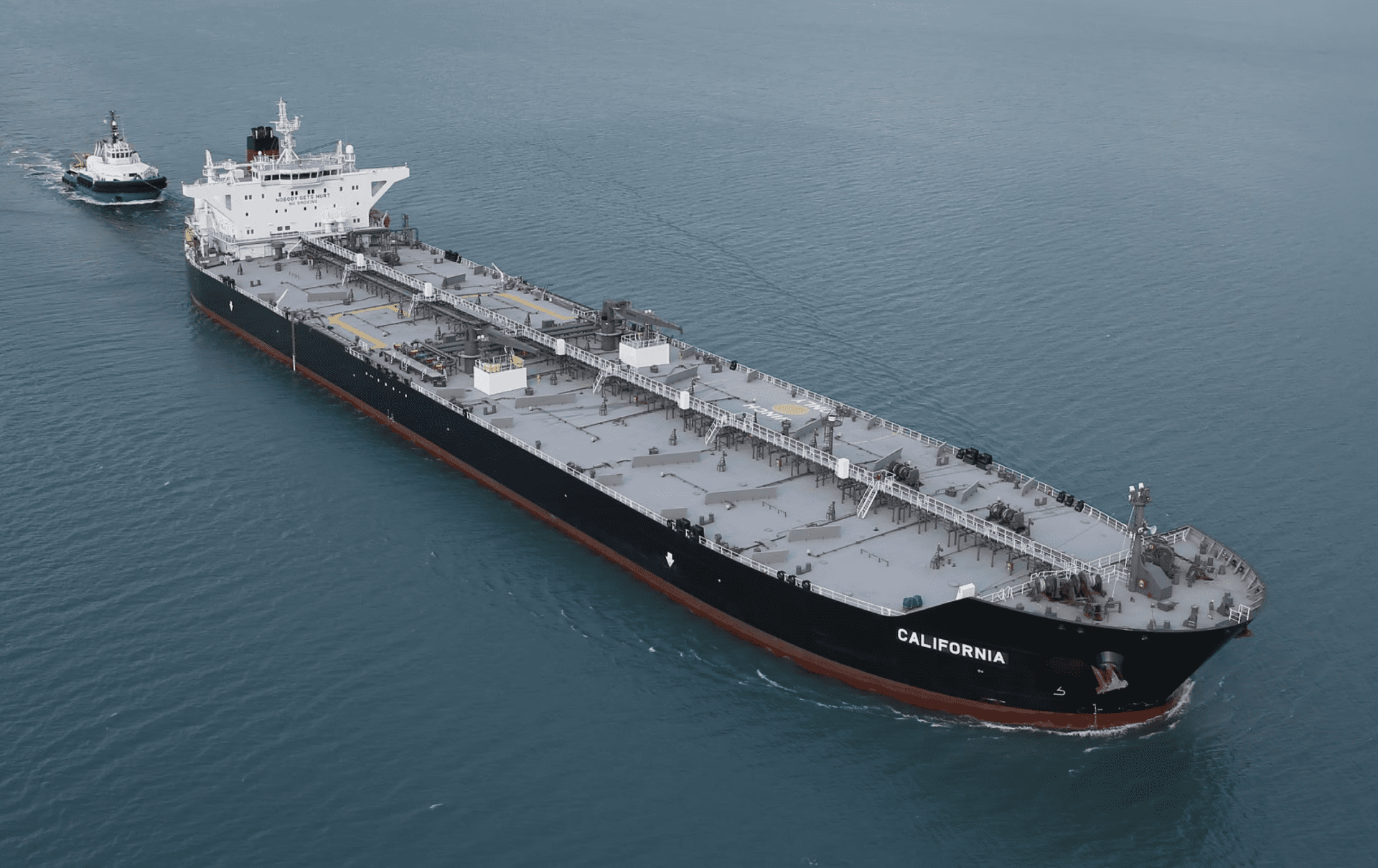
Indian shipowners face an immediate freight margin squeeze as the government commits ₹51,383 crore to add 62 vessels in FY2026-27, creating 2.85 million gross tonnage capacity, but construction timelines make this irrelevant for current Red Sea and Hormuz disruptions. Most newbuilding contracts are scheduled for delivery in 2026 or later, with vessel construction extending deep into 2027. Even with accelerated orders, VLCCs take 32-36 months to build, while delivery timelines are extending across all vessel types. The arithmetic is stark: orders placed today deliver in 2028-29, three years after current Hormuz tensions matter commercially.
Atmanirbhar shipping self-reliant maritime capacity is the policy framework driving this expansion. The roadmap targets container ships, LPG carriers, crude oil tankers, dredging vessels, and green tugs, explicitly framed as response to supply chain vulnerabilities. Union Minister Sarbananda Sonowal outlined the plan following a high-level inter-ministerial review on Strait of Hormuz developments, bringing together petroleum, chemicals, commerce, and shipping officials. The 62 vessel target represents roughly 40% of India's current merchant fleet capacity, delivered over 12 months ambitious for any shipbuilding program, particularly given Asian shipyard capacity pressures and production backlogs at record levels.
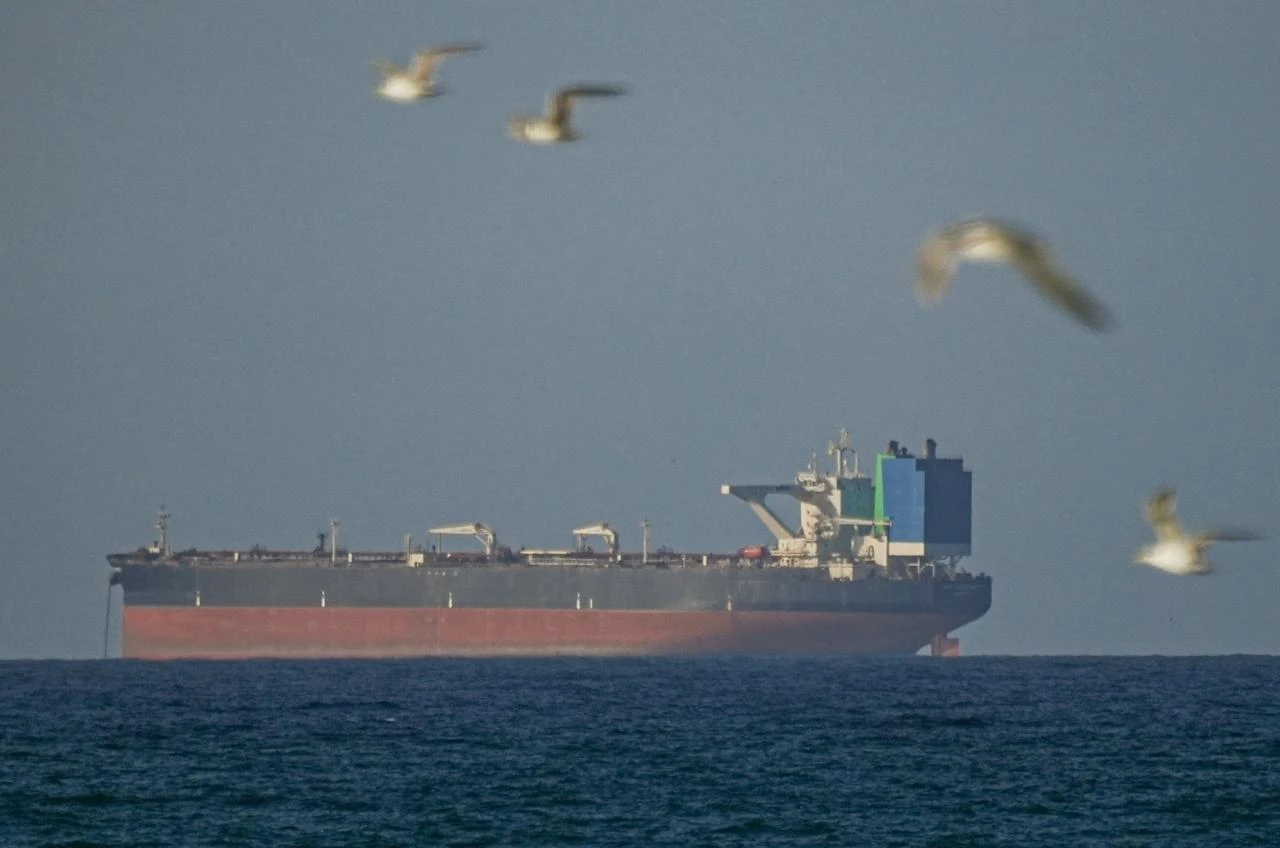
Consider the commercial reality for a mid-sized Indian crude importer chartering a VLCC (Very Large Crude Carrier, a supertanker carrying 2 million barrels) from the Middle East. At current freight rates, the Containerized Freight Index traded flat at 1,875.26 points on April 29, 2026, indicating stable but elevated shipping costs. For a standard Gulf-India crude run roughly 1,200 nautical miles through the Strait of Hormuz freight represents $8-12 per metric ton of the delivered crude cost. With 2 million barrels (roughly 270,000 MT), freight costs reach $2.2-3.2 million per voyage. That margin currently accrues to foreign vessel operators, predominantly Greek, Norwegian, and Middle Eastern shipowners who dominate the global tanker fleet.
On the buy side: Large Indian refiners like Indian Oil Corporation and Reliance Industries currently charter foreign-flagged VLCCs for 80-85% of crude imports, paying charter premiums that averaged 15-20% above baseline rates during 2026's Red Sea disruptions. The ₹51,383 crore program could reduce this dependency by 2029-2030, assuming successful delivery of the planned crude carriers and LPG vessels. For smaller Indian importers regional fuel distributors, petrochemical feedstock buyers the benefits arrive even later, as priority allocation will favor large state-owned enterprises.
On the sell side: Progress on a proposed joint venture between Shipping Corporation of India and oil PSUs to acquire 59 vessels positions Indian shipping companies to capture freight margins currently paid to foreign operators. However, this requires coordinated cargo allocation policies ensuring Indian-flagged vessels receive preference on state enterprise charters.
For large integrated traders with derivatives access Trafigura, Vitol, or Indian Oil's trading arm the timeline mismatch creates hedging challenges. Forward freight agreements (FFAs) for crude tanker routes rarely extend beyond 18 months, leaving a 24 month gap between policy announcement and vessel availability. For smaller regional operators mid-sized fuel importers, independent storage facilities, coastal shipping cooperatives the practical equivalent involves diversifying supplier relationships and building inventory buffers against future disruptions.
For observers: monitor the Containerized Freight Index for sustained moves above 2,000 points through 2026, indicating that current capacity constraints persist long enough to justify India's infrastructure investment. If freight costs normalize before 2027, the commercial case for Atmanirbhar shipping weakens significantly, turning this into a strategic rather than economic program.

.jpg)

'%3e%3cg id='Final-Copy-2_2_' transform='translate(1275.000000, 200.000000)'%3e%3cpath class='st0' d='M7.4,12.8h6.8l3.1-11.6H7.4C4.2,1.2,1.6,3.8,1.6,7S4.2,12.8,7.4,12.8z'/%3e%3c/g%3e%3c/g%3e%3c/g%3e%3cg id='final---dec.11-2020'%3e%3cg id='_x30_208-our-toggle' transform='translate(-1275.000000, -200.000000)'%3e%3cg id='Final-Copy-2' transform='translate(1275.000000, 200.000000)'%3e%3cpath class='st1' d='M22.6,0H7.4c-3.9,0-7,3.1-7,7s3.1,7,7,7h15.2c3.9,0,7-3.1,7-7S26.4,0,22.6,0z M1.6,7c0-3.2,2.6-5.8,5.8-5.8 h9.9l-3.1,11.6H7.4C4.2,12.8,1.6,10.2,1.6,7z'/%3e%3cpath id='x' class='st2' d='M24.6,4c0.2,0.2,0.2,0.6,0,0.8l0,0L22.5,7l2.2,2.2c0.2,0.2,0.2,0.6,0,0.8c-0.2,0.2-0.6,0.2-0.8,0 l0,0l-2.2-2.2L19.5,10c-0.2,0.2-0.6,0.2-0.8,0c-0.2-0.2-0.2-0.6,0-0.8l0,0L20.8,7l-2.2-2.2c-0.2-0.2-0.2-0.6,0-0.8 c0.2-0.2,0.6-0.2,0.8,0l0,0l2.2,2.2L23.8,4C24,3.8,24.4,3.8,24.6,4z'/%3e%3cpath id='y' class='st3' d='M12.7,4.1c0.2,0.2,0.3,0.6,0.1,0.8l0,0L8.6,9.8C8.5,9.9,8.4,10,8.3,10c-0.2,0.1-0.5,0.1-0.7-0.1l0,0 L5.4,7.7c-0.2-0.2-0.2-0.6,0-0.8c0.2-0.2,0.6-0.2,0.8,0l0,0L8,8.6l3.8-4.5C12,3.9,12.4,3.9,12.7,4.1z'/%3e%3c/g%3e%3c/g%3e%3c/g%3e%3c/g%3e%3c/svg%3e) Privacy Choices
Privacy Choices