.avif)
.avif)
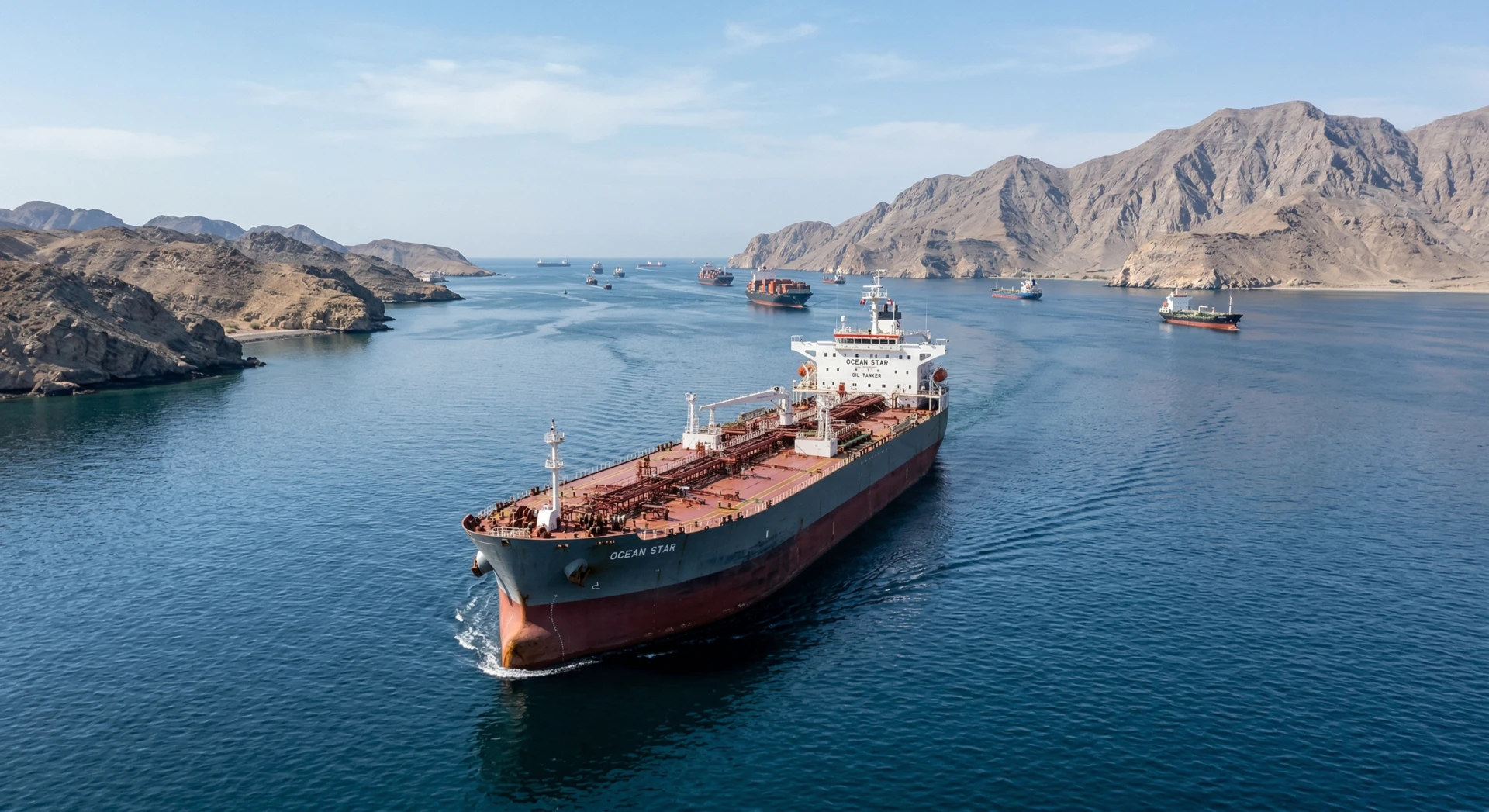
Asian refiners are already paying $10-15/barrel premiums for Atlantic Basin crude as US Energy Secretary Chris Wright argues that the Strait of Hormuz can reopen through a cleared shipping corridor without removing all Iranian mines. Wright's comments, delivered at the Three Seas Summit in Dubrovnik, suggest corridor operations could begin within weeks rather than the six months Pentagon officials estimate for complete demining. But the commercial reality is harsher: war risk insurance premiums have surged from 0.25% of hull value before the conflict to as much as 5% now. For a $100 million VLCC (Very Large Crude Carrier a supertanker capable of carrying 2 million barrels), this represents $5 million in additional insurance costs per voyage.
The freight mathematics reveal why Wright's corridor may serve only state-controlled vessels willing to self-insure. Brent crude futures are trading above $111/barrel, with the Strait of Hormuz closure sustaining upward pressure as roughly 20% of global energy flows remain halted. A VLCC carrying Iranian crude to China currently earns operators approximately $25-30/MT at current freight rates around $50-60 million gross per voyage. But insurance exclusions mean only vessels operating without Western P&I (Protection and Indemnity comprehensive marine insurance covering third-party liabilities) club coverage can transit. Chinese state-owned COSCO, Iranian NITC (National Iranian Tanker Company), and shadow fleet operators dominate the limited traffic that continues. Western majors like Maersk, MSC, and Hapag-Lloyd will not enter regardless of corridor assurances.
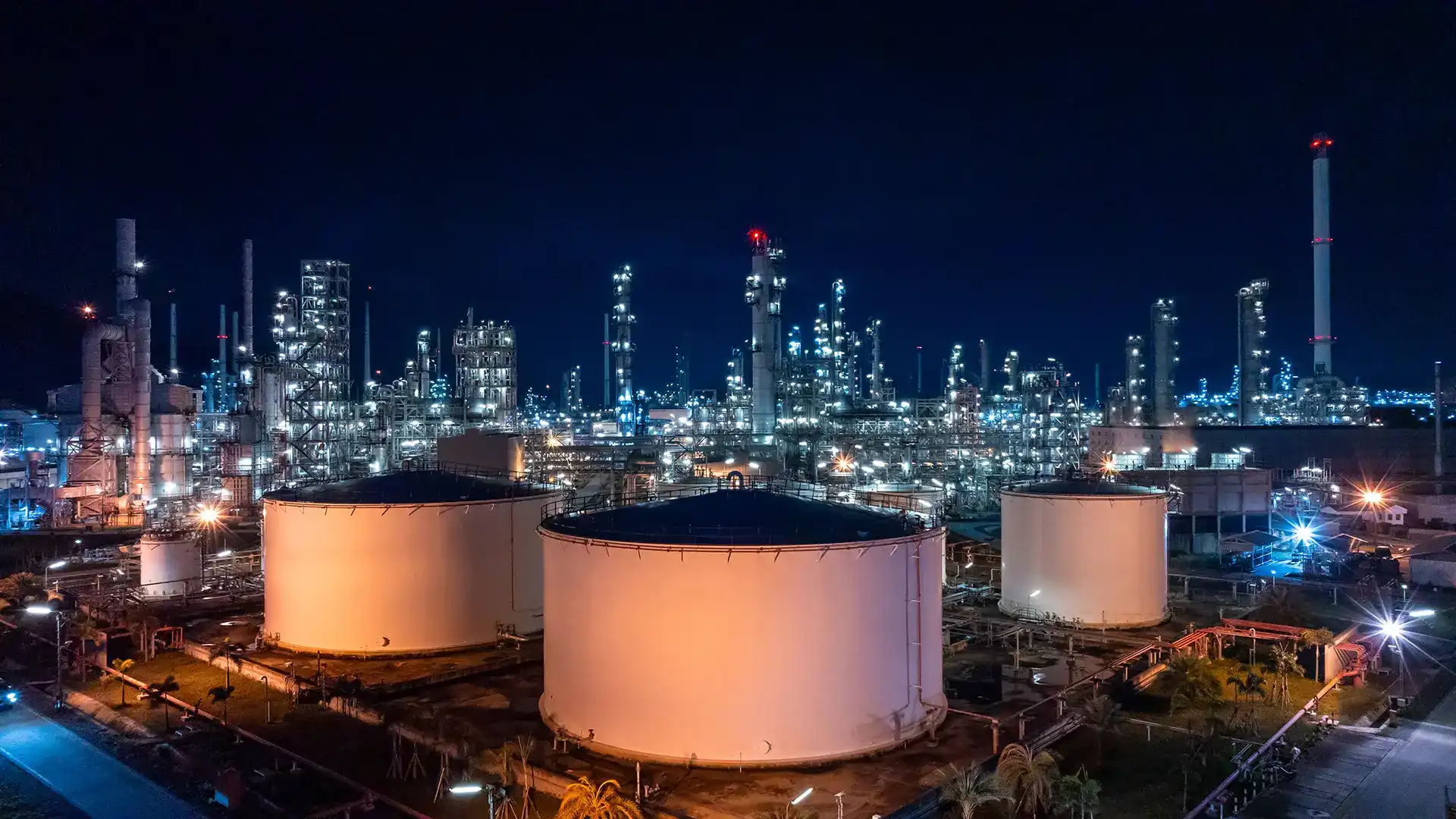
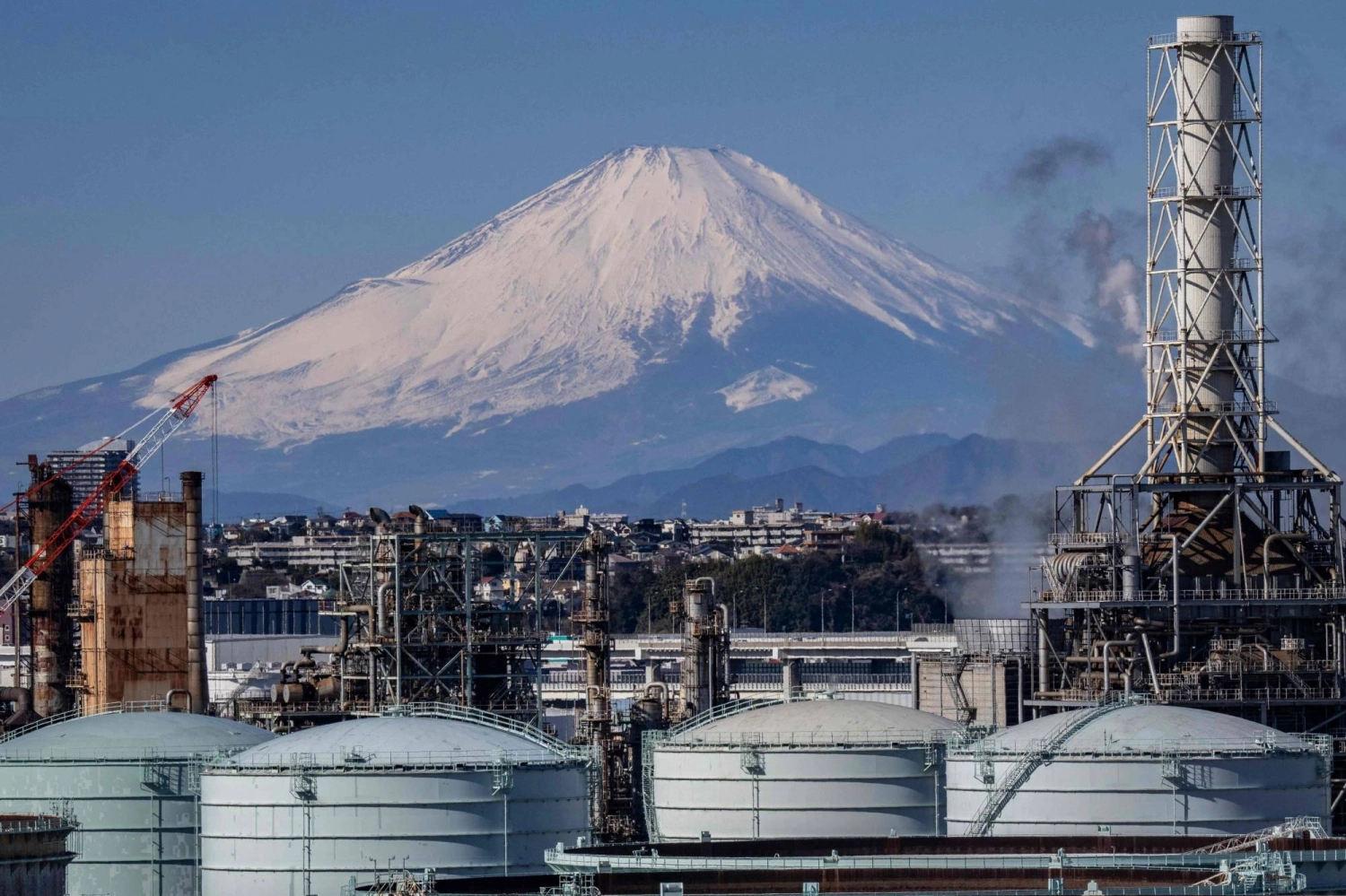
On the buy side: European refiners are scrambling for alternative crudes, with Dated Brent showing extreme backwardation of more than $25/barrel premium over front-month futures, reflecting market tightness since the strait's closure. TotalEnergies, Repsol, and Eni are securing West African and North Sea grades at premiums approaching $8-12/barrel above pre-crisis levels. Refiners with flexible configurations are processing more US shale crude, but transportation costs via Atlantic routes add $3-4/barrel to landed prices in Europe. Asian buyers face steeper penalties: Japanese refiners like JXTG and Cosmo Oil are paying $15-20/barrel premiums for replacement barrels from Australia and Malaysia, as Middle East crude becomes effectively inaccessible.
On the sell side: Middle East producers are trapped behind the chokepoint with limited export alternatives. Saudi Aramco and Abu Dhabi's ADNOC can route some production through the Red Sea via pipeline, but capacity constraints mean roughly 60% of their export capability remains stranded. Iran faces particular reservoir damage risks, with over half its oilfields classified as low-pressure, vulnerable to permanent loss through shut-ins via water emulsions and clay swelling. Every week of closure potentially destroys productive capacity that may never recover. Kuwait and Iraq, entirely dependent on Hormuz transit, have implemented rotating production cuts to prevent storage overflow. The revenue impact compounds daily: Saudi Arabia loses approximately $200-300 million in daily export revenue at current production restrictions.
For large integrated traders like Vitol, Trafigura, and Glencore with derivatives access: The play concentrates on West Texas Intermediate-Brent arbitrage trades. WTI crude, normally trading at a $2-4/barrel discount to Brent, has narrowed to parity as US crude becomes the marginal barrel reaching global markets. These operators are booking Aframax tankers (medium-sized crude carriers capable of 750,000 barrel capacity) to ship US crude to Asia via Cape of Good Hope routes, earning $12-18/barrel on each cargo. The voyage economics work despite 14 additional sailing days because Asian refiners pay premium pricing for guaranteed supply. Protection comes through Brent-WTI spread options and freight derivatives, allowing traders to lock margins regardless of price volatility.
For smaller regional operators independent fuel distributors, regional refinery cooperatives, smaller trading houses without derivatives access: The strategy shifts to bilateral supply agreements and geographical diversification. Mid-sized European refiners are negotiating annual contracts with US shale producers, accepting 15-20% price premiums in exchange for supply certainty. Asian independents are forming buying consortiums to charter dedicated vessels from non-Middle East suppliers. Regional distributors in markets like Turkey and India are rebuilding inventory levels, accepting higher working capital costs to buffer against supply interruptions. These operators cannot hedge price risk but can diversify supply sources and extend contract terms.
The physical supply chain impact reveals Wright's corridor limitations. Iran has closed the strait to all foreign-flagged ships since the US imposed its naval blockade in April, previously allowing only "friendly" nations to pass. Even with a cleared corridor, vessel traffic will remain constrained by insurance requirements and flag state restrictions. US officials indicate Iran may have lost track of some mine locations, as they were deployed by small boats without precise positioning records. This uncertainty compounds insurer reluctance: Lloyd's of London syndicates and major marine insurers will demand comprehensive mine-free certification before resuming coverage, regardless of corridor assurances.
The financing dimension shapes trade flow patterns more than mine locations. Marine insurers cancelled war risk coverage for Hormuz transits in March, forcing cargo owners into self-insurance arrangements or alternative routes entirely. Letters of credit from Western banks now exclude Hormuz related shipments, pushing trade financing toward Chinese, Russian, and Middle Eastern institutions willing to accept higher risks. This financing bottleneck means even a cleared corridor may serve only transactions denominated in renminbi or settled through alternative payment systems, limiting participation to specific buyer-seller combinations.
Freight market concentration has shifted dramatically toward operators with insurance flexibility. Crude tanker day rates for Hormuz-capable vessels (those with appropriate insurance and flag state permissions) trade at 300-400% premiums to standard rates. Shadow fleet operators typically older vessels with opaque ownership structures dominate remaining traffic, earning extraordinary day rates of $150,000-250,000 per day compared to $35,000-50,000 for conventional routes. This freight premium accrues entirely to vessel operators, not cargo owners, creating a parallel economy of specialized transport providers.
Historically, the 1980s Iran-Iraq tanker war provides the closest precedent for current conditions. During that conflict, Lloyd's of London declared the Persian Gulf a war risk zone, requiring separate insurance arrangements and governmental assurances. Even after formal hostilities ended, commercial confidence took 18 months to fully restore, with insurance premiums remaining elevated throughout 1988-1989. The current crisis differs in scale affecting 20% of global energy flows versus roughly 8% during the 1980s suggesting recovery timelines may extend well beyond Wright's corridor optimism.
For observers: The key signal is Baltic Exchange freight rates for VLCCs on Middle East-Asia routes versus West Africa-Asia alternatives. When the Hormuz dependent route differential exceeds $4-5/MT ($8-10 million per voyage), even cleared corridors become commercially marginal for Western operators. Monitor Lloyd's List Intelligence shipping tracking data for actual vessel counts transiting Wright's proposed corridor if daily transits remain below 15-20 vessels (versus pre-crisis levels of 130 daily), corridor viability fails regardless of technical clearance success. The ultimate test arrives when commercial insurers resume coverage without governmental backstops, likely requiring sustained periods of incident-free transit before confidence returns.

.jpg)
.jpg)

'%3e%3cg id='Final-Copy-2_2_' transform='translate(1275.000000, 200.000000)'%3e%3cpath class='st0' d='M7.4,12.8h6.8l3.1-11.6H7.4C4.2,1.2,1.6,3.8,1.6,7S4.2,12.8,7.4,12.8z'/%3e%3c/g%3e%3c/g%3e%3c/g%3e%3cg id='final---dec.11-2020'%3e%3cg id='_x30_208-our-toggle' transform='translate(-1275.000000, -200.000000)'%3e%3cg id='Final-Copy-2' transform='translate(1275.000000, 200.000000)'%3e%3cpath class='st1' d='M22.6,0H7.4c-3.9,0-7,3.1-7,7s3.1,7,7,7h15.2c3.9,0,7-3.1,7-7S26.4,0,22.6,0z M1.6,7c0-3.2,2.6-5.8,5.8-5.8 h9.9l-3.1,11.6H7.4C4.2,12.8,1.6,10.2,1.6,7z'/%3e%3cpath id='x' class='st2' d='M24.6,4c0.2,0.2,0.2,0.6,0,0.8l0,0L22.5,7l2.2,2.2c0.2,0.2,0.2,0.6,0,0.8c-0.2,0.2-0.6,0.2-0.8,0 l0,0l-2.2-2.2L19.5,10c-0.2,0.2-0.6,0.2-0.8,0c-0.2-0.2-0.2-0.6,0-0.8l0,0L20.8,7l-2.2-2.2c-0.2-0.2-0.2-0.6,0-0.8 c0.2-0.2,0.6-0.2,0.8,0l0,0l2.2,2.2L23.8,4C24,3.8,24.4,3.8,24.6,4z'/%3e%3cpath id='y' class='st3' d='M12.7,4.1c0.2,0.2,0.3,0.6,0.1,0.8l0,0L8.6,9.8C8.5,9.9,8.4,10,8.3,10c-0.2,0.1-0.5,0.1-0.7-0.1l0,0 L5.4,7.7c-0.2-0.2-0.2-0.6,0-0.8c0.2-0.2,0.6-0.2,0.8,0l0,0L8,8.6l3.8-4.5C12,3.9,12.4,3.9,12.7,4.1z'/%3e%3c/g%3e%3c/g%3e%3c/g%3e%3c/g%3e%3c/svg%3e) Privacy Choices
Privacy Choices