.avif)
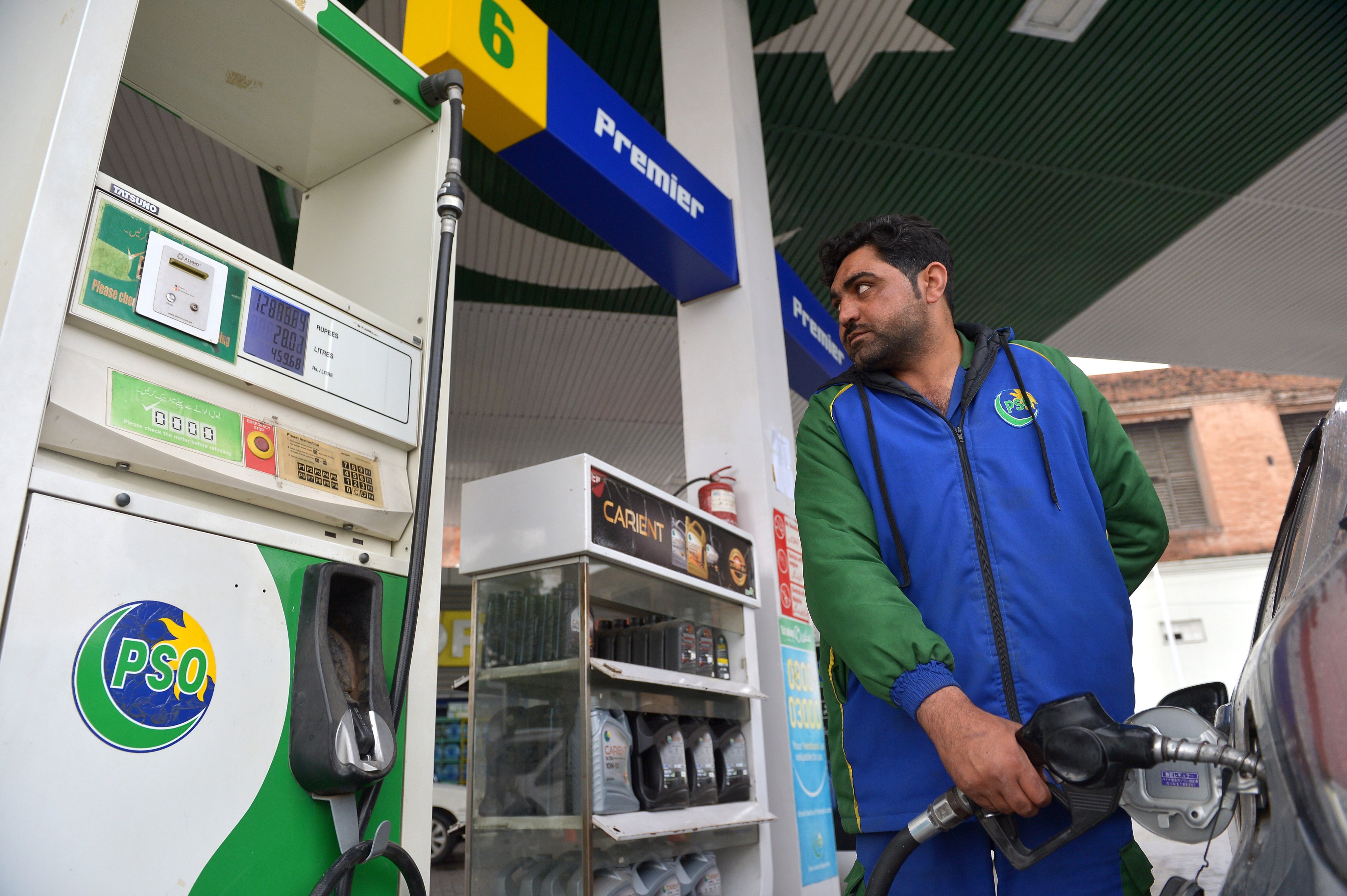
Vietnam's National Assembly voted 460-0 on April 12 to eliminate environmental protection, VAT, and special consumption taxes on refined fuel products, effective April 16 through June 30, 2026. The decision creates an immediate cost advantage for Vietnam fuel importers — companies that purchase gasoline, diesel, kerosene, fuel oil, and aviation fuel from Singapore and regional refineries for domestic distribution. Consider a mid-sized Vietnamese fuel importer handling 50,000 tonnes per month of gasoline and diesel. The tax elimination removes approximately VND 2,000 per litre in environmental tax, 10% VAT, and special consumption tax — roughly $0.25-0.30 per litre in total tax burden. At current import volumes, this translates to $12-15 million in tax savings over the 75-day period, margin that accrues directly to the importer.
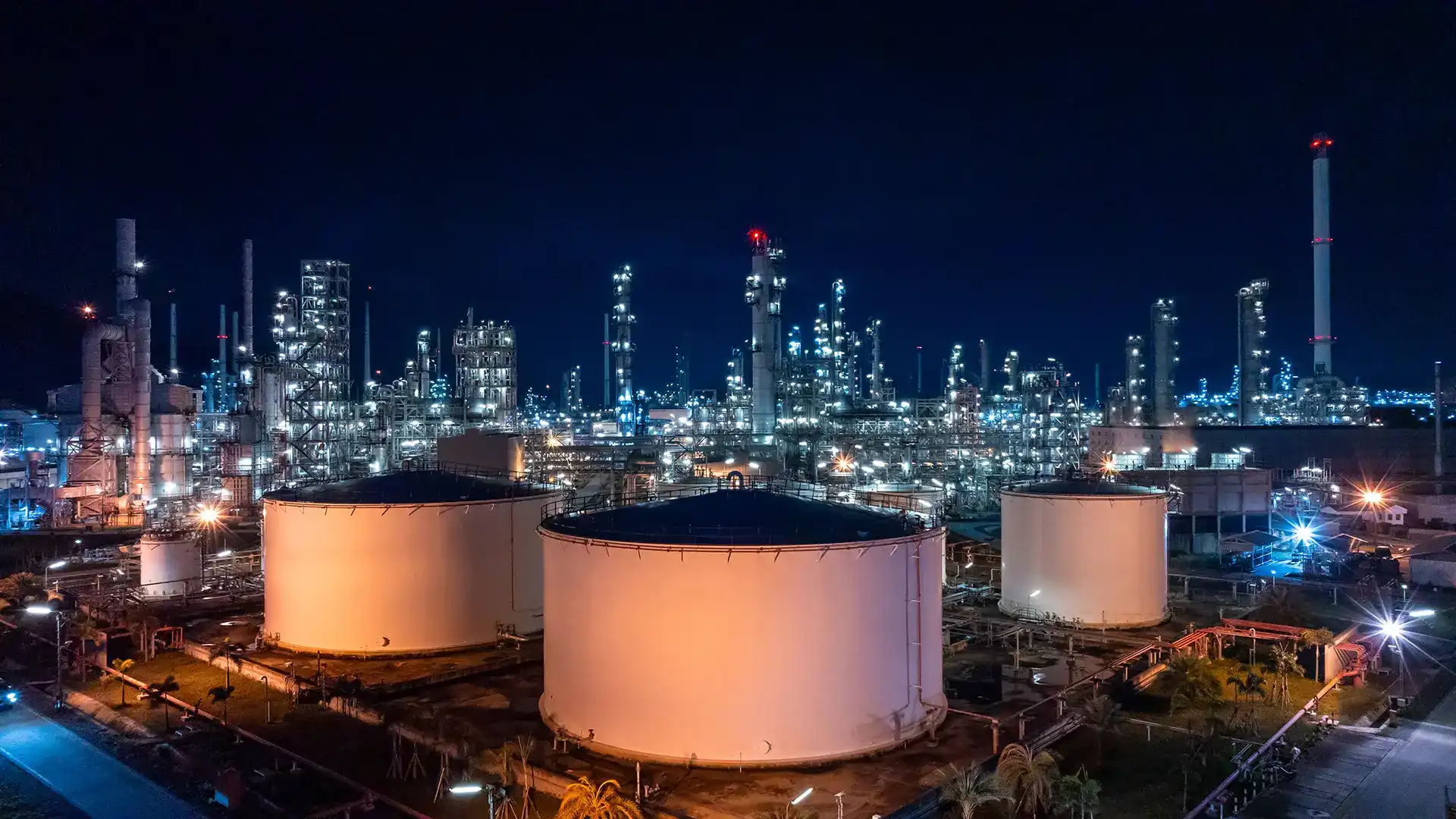
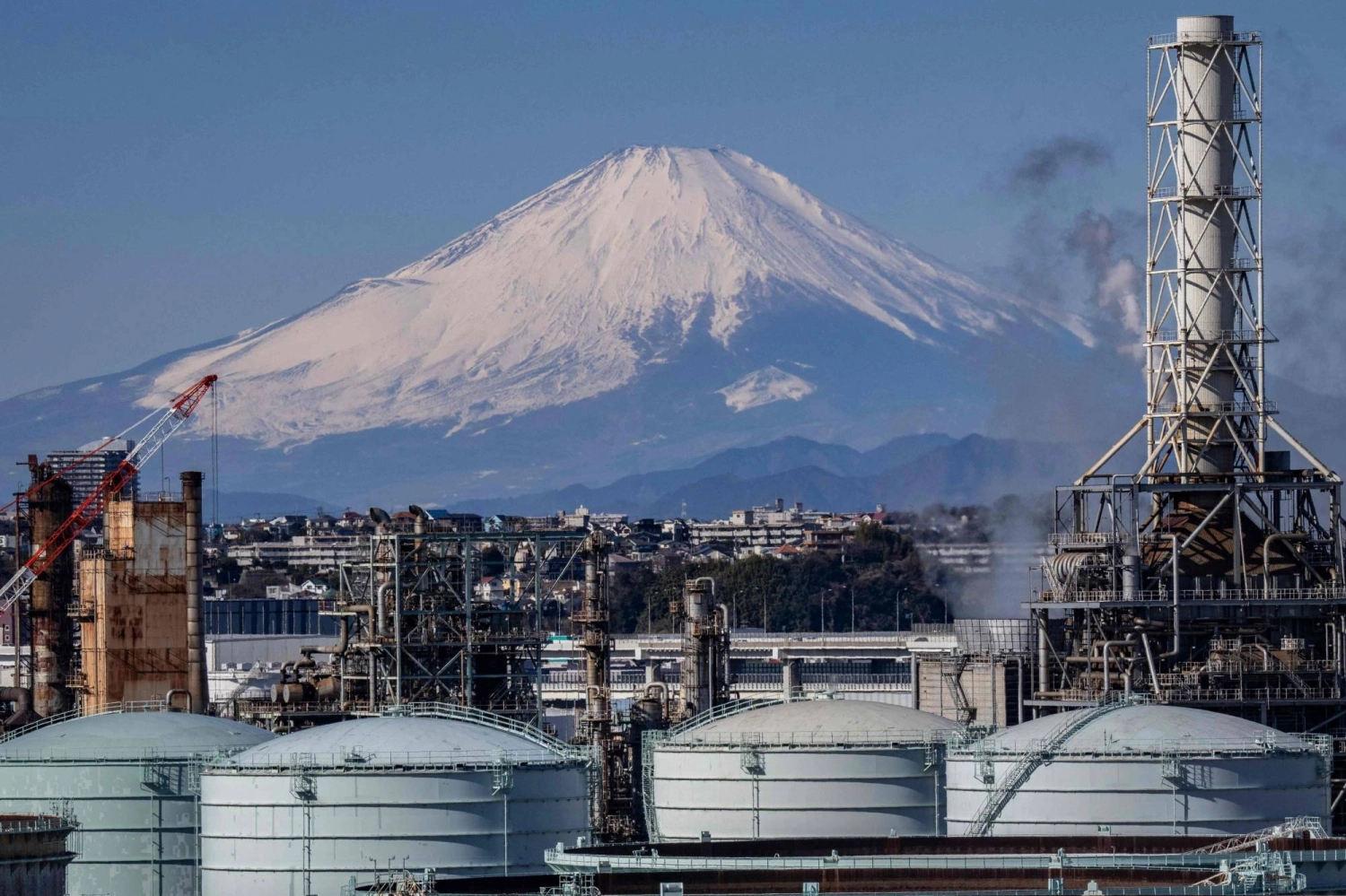
The policy response comes as Brent crude trades at $95.20 per barrel (down 0.75% on April 10), amid Middle East tensions that have pushed oil prices up 47% year-over-year. Finance Minister Ngo Van Tuan cited "escalating tensions in the Middle East" and "sharp fluctuations in global energy prices" as justification for the emergency measure. Vietnam's refining capacity constraint means the country imports 60-70% of its refined product needs, making domestic fuel prices highly sensitive to both crude oil movements and regional product margins. The entire supply of raw materials for the Nghi Son Refinery (accounting for 40% of the country's total consumption) has been disrupted, while 30% of imported petroleum products from Asian countries have been affected due to restrictions or export bans.
reveals where this policy concentrates financial benefit. On the buy side: Vietnam fuel importers gain the full tax pass-through — environmental protection tax (VND 2,000/litre for gasoline), VAT exemption (10% of landed cost), and special consumption tax elimination (varying by product). For a typical cargo of 30,000 tonnes of gasoline landed at Ho Chi Minh City, the tax savings amount to approximately $7-9 million per cargo. On the sell side: Singapore refiners and regional product suppliers face no direct cost reduction but benefit from sustained Vietnamese import demand that might otherwise have been curtailed by high retail prices. The tax relief prevents demand destruction that would have reduced export volumes to Vietnam.
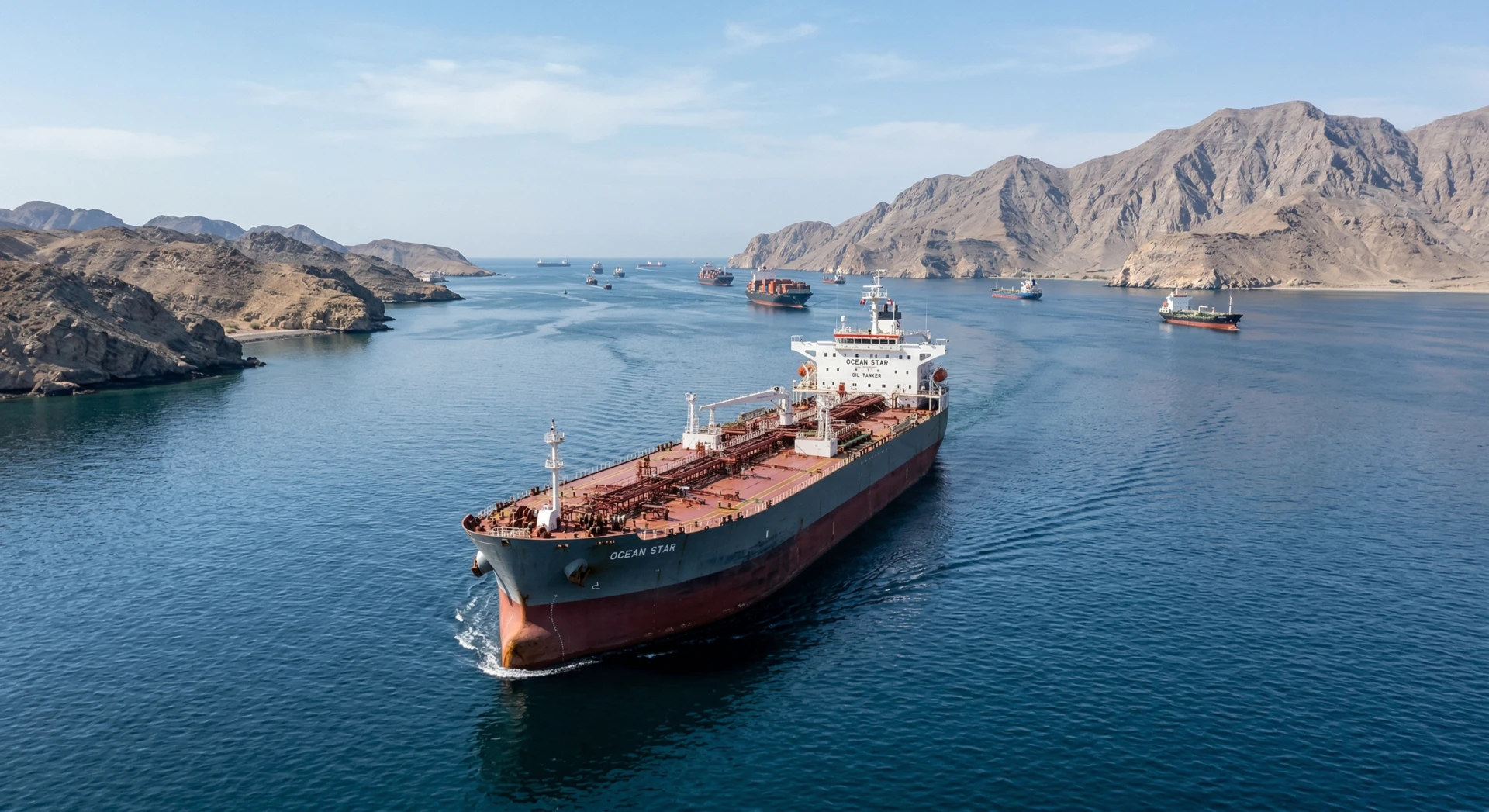
Freight dynamics reveal how transportation costs interact with tax policy. Fuel markets remain unstable following the recent closure of the Strait of Hormuz, which disrupted bunker supply and increased pricing. Carriers' requests to waive the thirty-day notice period for emergency fuel surcharges were rejected by regulators, forcing costs into the Bunker Adjustment Factor. A product tanker (25,000-50,000 DWT) carrying gasoline from Singapore to Ho Chi Minh City typically earns $8-12,000 per day at current charter rates. The tax elimination ensures Vietnamese importers can absorb these elevated freight costs without passing the full burden to consumers, maintaining import economics that support continued cargo flows.
Operator scale determines access to hedging and financing tools. For large integrated traders — Trafigura, Vitol, Mercuria — with established Vietnam operations, the tax holiday creates opportunities for inventory positioning and margin capture through storage and blending facilities. These operators can finance floating storage or forward purchase agreements, capturing the spread between tax-inclusive and tax-free periods. For smaller regional fuel importers without derivatives access, the benefit is immediate but tactical: reduced working capital requirements and enhanced cash flow during the 75-day window, but no mechanism to hedge against policy reversal or extend the advantage beyond June 30.
Revenue impact estimates suggest the policy will cost Vietnam's state budget approximately VND 7.3 trillion ($278 million) per month in lost tax receipts. The government's flexibility mechanism allows extension based on "global oil price movements" and "continuation of the Middle East conflict," creating uncertainty for both importers and downstream distributors. Some National Assembly delegates urged extending the tax relief to at least September 30, 2026, arguing businesses and consumers may lack "psychological stability" if the end date remains short.
Physical supply chain grounding shows how Vietnam's fuel import dependency shapes policy effectiveness. Gasoline and diesel from Singapore's refining complex — operated by ExxonMobil and Shell — transit the South China Sea via clean product tankers to Vietnamese receiving terminals at Vung Tau, Ho Chi Minh City, and Hai Phong. Journey time: 3-5 days depending on destination and weather. Countries like Cambodia and Myanmar, which lack or have limited oil refining capacity, rely on exported products from neighboring Thailand, Vietnam, and Singapore. Vietnam's policy creates regional arbitrage where fuel becomes cheaper in Vietnam than in neighboring markets still bearing full tax burdens.
Regional context amplifies Vietnam's decision significance. Thailand has introduced temporary diesel price caps, while Vietnam is using a fuel stabilization fund to control price spikes. Airlines in Southeast Asia are cancelling flights as jet fuel demand weakens under higher oil prices, with operators across Singapore, Indonesia, and Vietnam reducing aviation activity. Vietnam's comprehensive tax elimination contrasts with Thailand's selective price controls and Indonesia's subsidy adjustments, potentially creating fuel tourism where Vietnamese fuel becomes attractive to cross-border trucking and marine bunker operators.
For observers tracking regional energy policy responses, monitor Singapore published gasoline and diesel crack spreads — the margin between crude oil and refined products — through June 30. A narrowing of Vietnam-Singapore product price differentials below transport costs signals successful demand stimulus. Track Vietnamese customs data for refined product imports: volumes above seasonal norms indicate the policy is drawing additional supply into the market rather than merely subsidizing existing consumption. The policy's success metrics emerge in May import statistics and regional product price convergence patterns.
.jpg)
.jpg)

'%3e%3cg id='Final-Copy-2_2_' transform='translate(1275.000000, 200.000000)'%3e%3cpath class='st0' d='M7.4,12.8h6.8l3.1-11.6H7.4C4.2,1.2,1.6,3.8,1.6,7S4.2,12.8,7.4,12.8z'/%3e%3c/g%3e%3c/g%3e%3c/g%3e%3cg id='final---dec.11-2020'%3e%3cg id='_x30_208-our-toggle' transform='translate(-1275.000000, -200.000000)'%3e%3cg id='Final-Copy-2' transform='translate(1275.000000, 200.000000)'%3e%3cpath class='st1' d='M22.6,0H7.4c-3.9,0-7,3.1-7,7s3.1,7,7,7h15.2c3.9,0,7-3.1,7-7S26.4,0,22.6,0z M1.6,7c0-3.2,2.6-5.8,5.8-5.8 h9.9l-3.1,11.6H7.4C4.2,12.8,1.6,10.2,1.6,7z'/%3e%3cpath id='x' class='st2' d='M24.6,4c0.2,0.2,0.2,0.6,0,0.8l0,0L22.5,7l2.2,2.2c0.2,0.2,0.2,0.6,0,0.8c-0.2,0.2-0.6,0.2-0.8,0 l0,0l-2.2-2.2L19.5,10c-0.2,0.2-0.6,0.2-0.8,0c-0.2-0.2-0.2-0.6,0-0.8l0,0L20.8,7l-2.2-2.2c-0.2-0.2-0.2-0.6,0-0.8 c0.2-0.2,0.6-0.2,0.8,0l0,0l2.2,2.2L23.8,4C24,3.8,24.4,3.8,24.6,4z'/%3e%3cpath id='y' class='st3' d='M12.7,4.1c0.2,0.2,0.3,0.6,0.1,0.8l0,0L8.6,9.8C8.5,9.9,8.4,10,8.3,10c-0.2,0.1-0.5,0.1-0.7-0.1l0,0 L5.4,7.7c-0.2-0.2-0.2-0.6,0-0.8c0.2-0.2,0.6-0.2,0.8,0l0,0L8,8.6l3.8-4.5C12,3.9,12.4,3.9,12.7,4.1z'/%3e%3c/g%3e%3c/g%3e%3c/g%3e%3c/g%3e%3c/svg%3e) Privacy Choices
Privacy Choices