.avif)
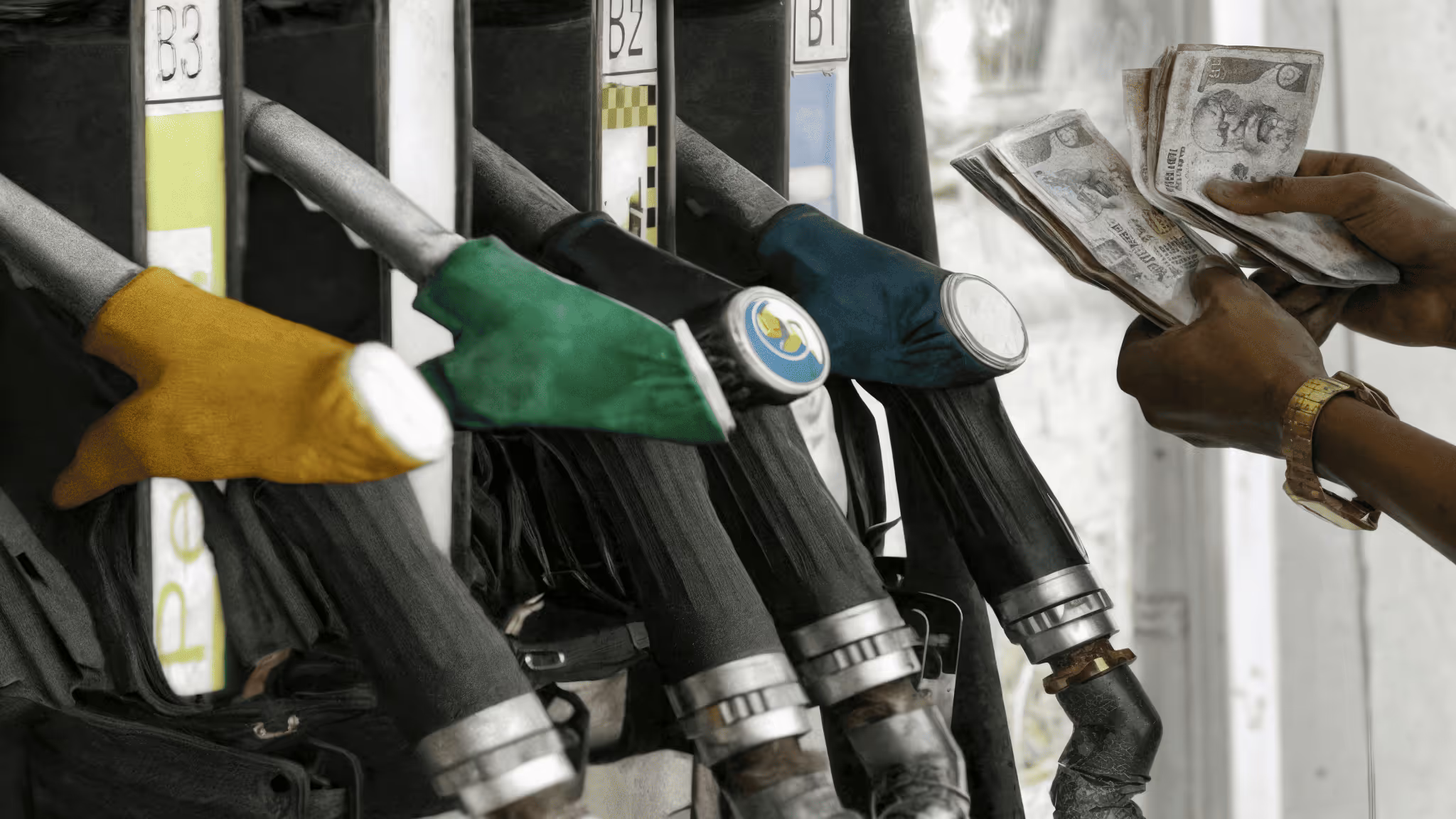
Indian oil marketing companies (OMCs) the state controlled distributors that operate roughly 70% of India's 80,000 fuel retail stations are absorbing Rs 14/litre losses on diesel sales despite the government's March 26 excise duty cuts. The arithmetic is stark, while the Finance Ministry eliminated the Rs 10/litre diesel excise entirely and reduced petrol duty from Rs 13 to Rs 3, crude oil costs have surged approximately 50% since late February following escalating Middle East tensions. For a mid-sized OMC like Hindustan Petroleum Corporation Limited (HPCL), this translates to an additional Rs 2,800 crore in unrecovered costs quarterly if diesel volumes remain at current levels of roughly 7 million tonnes per month. The policy relief addresses only the tax burden component while feedstock acquisition costs the largest element in fuel retail margins continue climbing unchecked.
The mechanics of this margin compression illuminate why government intervention cannot fully insulate domestic fuel prices from international crude volatility. Consider the cost structure for a litre of diesel at an Indian pump, approximately Rs 45-50 represents the underlying crude and refining cost, Rs 25-30 covers state taxes and dealer margins, and until March 26, Rs 10 went to central excise. When Brent crude the international benchmark that determines India's import costs climbs from $70 to $105 per barrel as it has since February, the feedstock component rises by roughly Rs 17-20 per litre. The Rs 10 excise relief captures less than 60% of this increase, leaving OMCs to absorb the remainder or pass it through to consumers. This dynamic explains why pump prices remain unchanged despite the duty cuts, the relief merely prevents prices from rising further, rather than enabling reductions.
On the buy side, OMCs face a liquidity crunch as their working capital requirements surge with higher crude costs while regulated pump prices lag international benchmarks. Indian Oil Corporation (IOC), which processes roughly 1.4 million barrels per day across its refineries, now requires an additional $2-3 billion in working capital compared to February levels simply to maintain the same physical inventory. The company's quarterly earnings calls consistently highlight this cash flow pressure, where delayed price adjustments create temporary losses that must be financed until regulatory catch up occurs. For smaller regional distributors and fuel retailers, the situation is more acute. They lack the balance sheet capacity to absorb extended margin compression and often reduce inventory levels, creating supply tightness in rural markets.
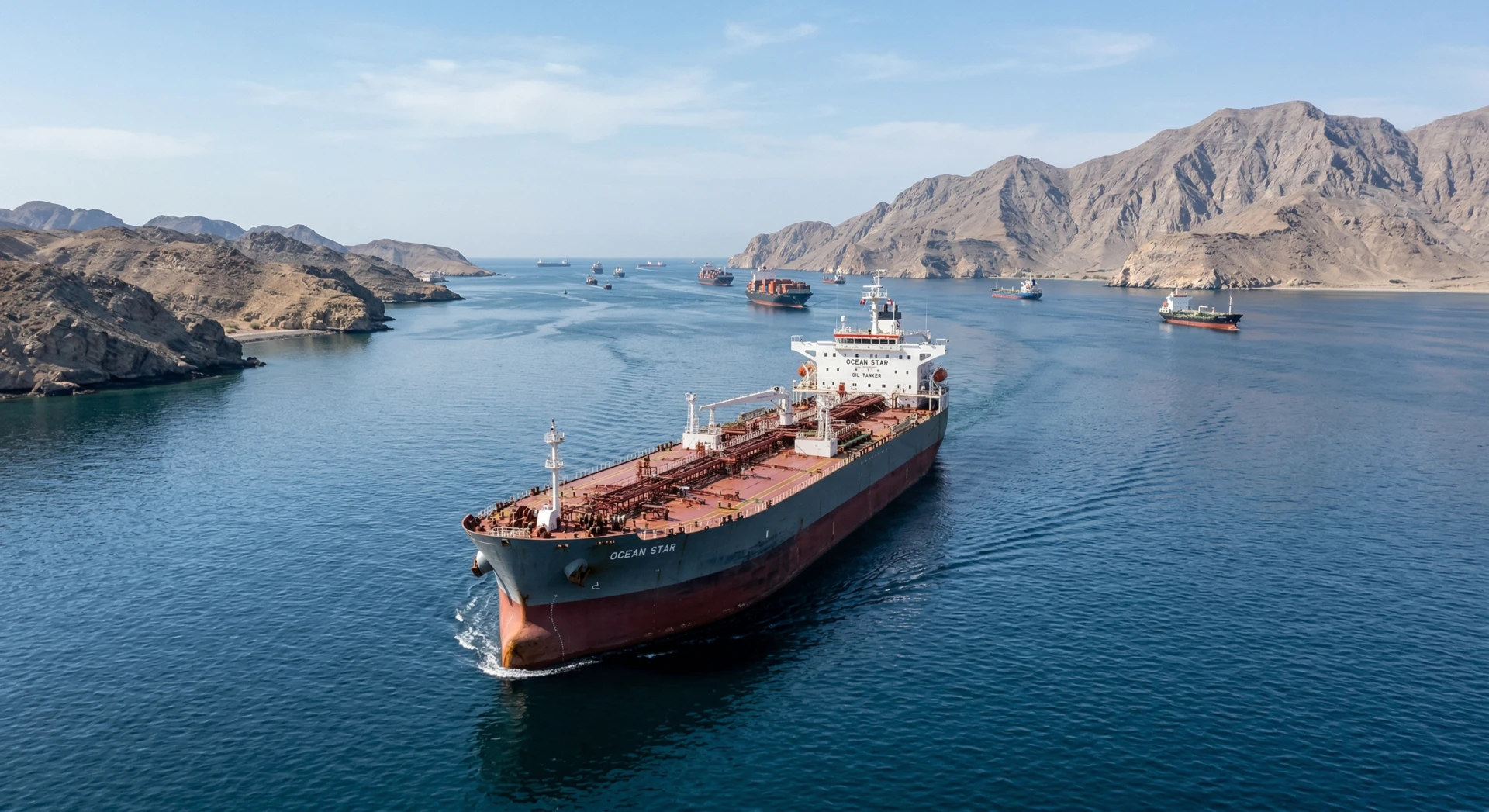
On the sell side, crude oil producers and international traders benefit from this arbitrage structure, where policy constrained buyers like Indian OMCs cannot immediately adjust their purchasing patterns despite rising costs. Saudi Aramco and other Middle East producers shipping to India via Very Large Crude Carriers (VLCCs) vessels carrying 2 million barrels that transit the Strait of Hormuz chokepoint capture the full crude price appreciation while their buyers absorb margin compression domestically. The freight component adds another layer, Hormuz to Mumbai routes now cost approximately $3.5-4/barrel in shipping, up from $2.5/barrel in normal conditions, as vessel operators price in geopolitical risk premiums. This creates a double impact where both the commodity and transportation costs rise simultaneously.
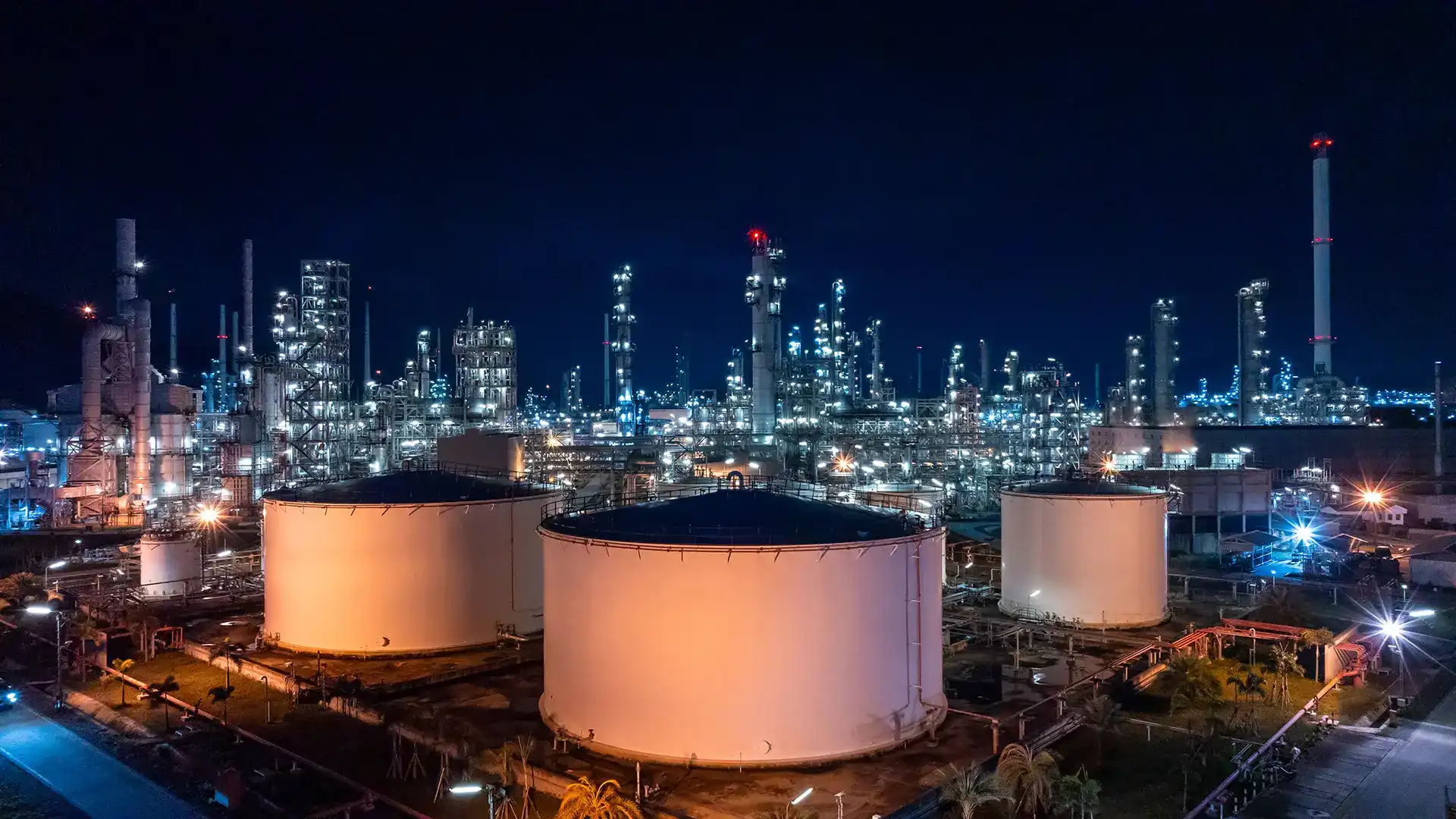
For large integrated operators like Reliance Industries, which operates both refining and retail segments, the margin dynamics vary significantly from pure downstream players. Reliance's 1.24 million barrels per day refining capacity at Jamnagar allows the company to benefit from higher crack spreads the difference between crude oil prices and refined product values even as its retail operations face margin pressure. The integrated model provides natural hedging, when crude costs rise, refining margins often expand if product demand remains stable. However, pure downstream operators like HPCL or Bharat Petroleum Corporation Limited (BPCL) lack this upstream integration and bear the full impact of crude cost volatility. Their only mitigation is operational efficiency improvements and careful inventory management to minimize exposure to price swings.
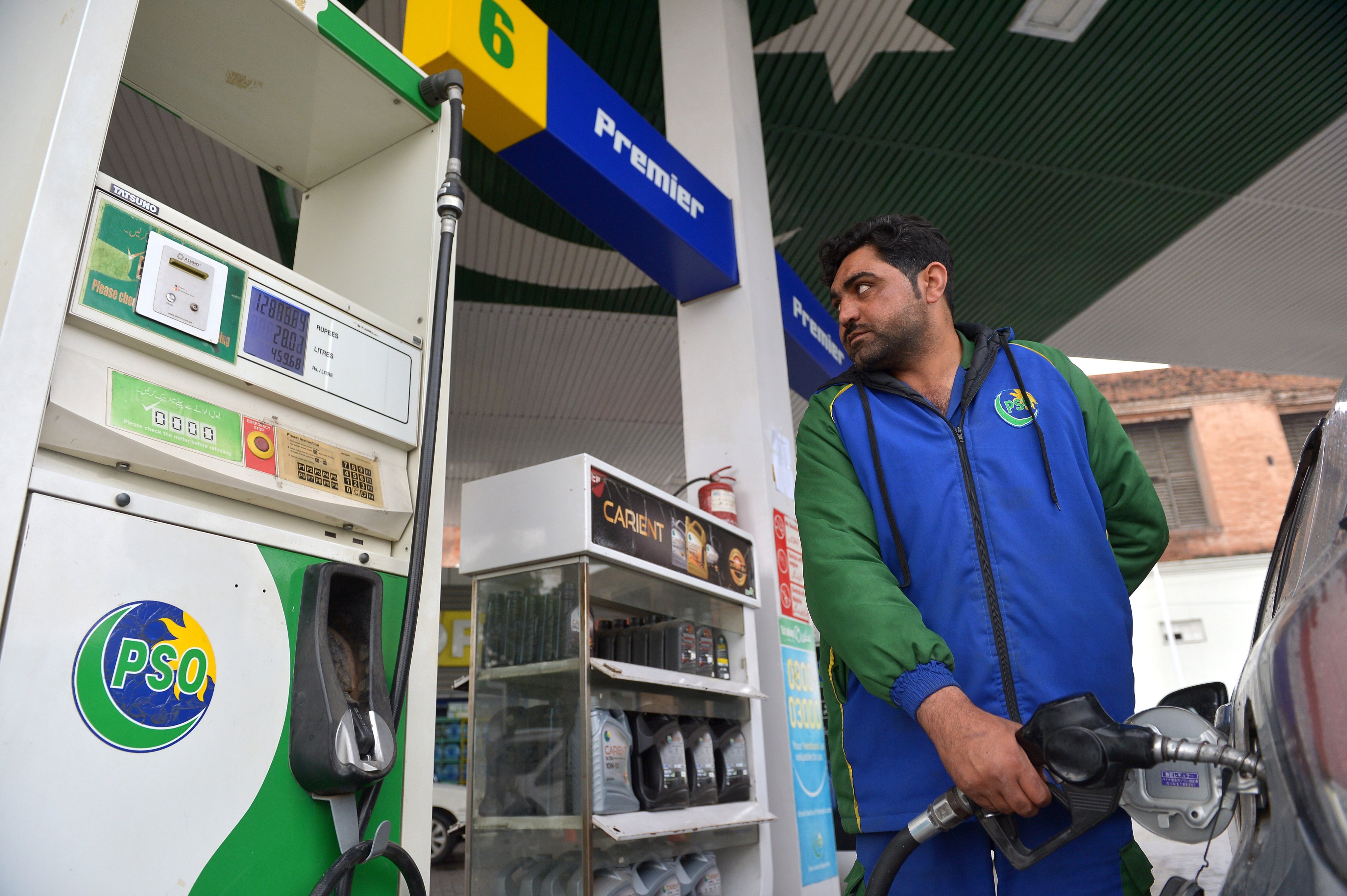
For smaller independent fuel retailers typically family owned operations managing 2-4 stations in tier two cities the current environment creates existential pressure. These operators typically maintain 7-10 days of fuel inventory and lack the working capital to absorb extended margin compression. Many are reducing inventory levels to minimum operational requirements, creating supply inconsistency in smaller markets. Regional cooperative societies that distribute fuel in rural areas face similar constraints, often negotiating extended payment terms with OMC suppliers to manage cash flow. Unlike major integrated players, these operators cannot hedge their exposure through derivatives markets and must rely on bilateral supply agreements with more favorable payment terms to survive margin compression periods.
Market participants should monitor two specific indicators over the next 30-45 days to gauge whether this margin pressure intensifies or begins to stabilize. First, the Indian Oil Corporation's monthly dealer margin circulars typically released by the 5th of each month will reveal whether OMCs begin passing through crude cost increases to pump prices, effectively abandoning the current policy of margin absorption. Second, the Platts Dubai crude assessment relative to Brent will indicate whether Middle East supply premiums continue expanding a sustained spread above $3/barrel would signal that geopolitical risk premiums are becoming embedded in Indian crude acquisition costs rather than remaining temporary. For large integrated operators, the key decision point centers on whether to accelerate crude oil inventory builds ahead of potential Strait of Hormuz disruptions, accepting higher working capital costs in exchange for supply security. Smaller operators should focus on negotiating extended payment terms with suppliers and diversifying their fuel supply sources where possible to reduce dependence on any single OMC's margin policies.
.jpg)
.jpg)

'%3e%3cg id='Final-Copy-2_2_' transform='translate(1275.000000, 200.000000)'%3e%3cpath class='st0' d='M7.4,12.8h6.8l3.1-11.6H7.4C4.2,1.2,1.6,3.8,1.6,7S4.2,12.8,7.4,12.8z'/%3e%3c/g%3e%3c/g%3e%3c/g%3e%3cg id='final---dec.11-2020'%3e%3cg id='_x30_208-our-toggle' transform='translate(-1275.000000, -200.000000)'%3e%3cg id='Final-Copy-2' transform='translate(1275.000000, 200.000000)'%3e%3cpath class='st1' d='M22.6,0H7.4c-3.9,0-7,3.1-7,7s3.1,7,7,7h15.2c3.9,0,7-3.1,7-7S26.4,0,22.6,0z M1.6,7c0-3.2,2.6-5.8,5.8-5.8 h9.9l-3.1,11.6H7.4C4.2,12.8,1.6,10.2,1.6,7z'/%3e%3cpath id='x' class='st2' d='M24.6,4c0.2,0.2,0.2,0.6,0,0.8l0,0L22.5,7l2.2,2.2c0.2,0.2,0.2,0.6,0,0.8c-0.2,0.2-0.6,0.2-0.8,0 l0,0l-2.2-2.2L19.5,10c-0.2,0.2-0.6,0.2-0.8,0c-0.2-0.2-0.2-0.6,0-0.8l0,0L20.8,7l-2.2-2.2c-0.2-0.2-0.2-0.6,0-0.8 c0.2-0.2,0.6-0.2,0.8,0l0,0l2.2,2.2L23.8,4C24,3.8,24.4,3.8,24.6,4z'/%3e%3cpath id='y' class='st3' d='M12.7,4.1c0.2,0.2,0.3,0.6,0.1,0.8l0,0L8.6,9.8C8.5,9.9,8.4,10,8.3,10c-0.2,0.1-0.5,0.1-0.7-0.1l0,0 L5.4,7.7c-0.2-0.2-0.2-0.6,0-0.8c0.2-0.2,0.6-0.2,0.8,0l0,0L8,8.6l3.8-4.5C12,3.9,12.4,3.9,12.7,4.1z'/%3e%3c/g%3e%3c/g%3e%3c/g%3e%3c/g%3e%3c/svg%3e) Privacy Choices
Privacy Choices