.avif)
Brent crude futures have crashed roughly 13% from pre-ceasefire highs above $110 to $95.71 per barrel as of April 9, 2026, following the US-Iran ceasefire agreement announced April 8. The Brent-WTI spread has narrowed from its March 31 peak of $25/barrel to current levels around $2-3, as the geopolitical risk premium that had pushed Brent significantly above WTI rapidly unwinds. For crude oil traders, this creates immediate margin relief on the buy side but concentrates timing risk in a 14-day window that cannot accommodate the physical realities of international oil logistics.
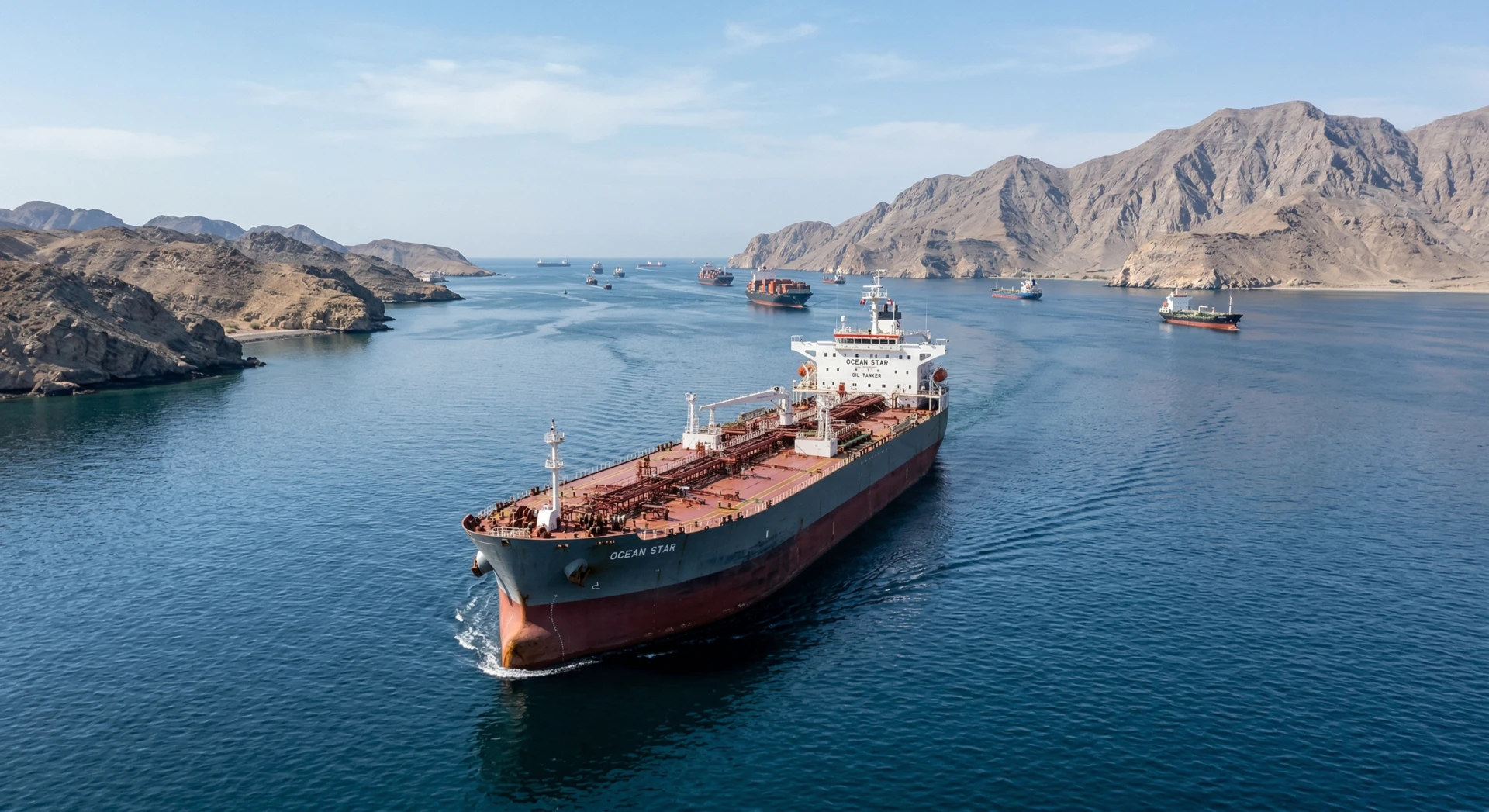
The Strait of Hormuz—a 33-kilometre-wide chokepoint between Iran and Oman—normally carries one-fifth of the world's oil and gas flows. Before the US-Israeli war against Iran began February 28, approximately 25% of the world's seaborne oil trade and 20% of global liquefied natural gas passed through the strait. Since hostilities began, Strait transit has dropped by roughly 80%, with only 21 vessel transits completed versus more than 100 per day in normal conditions. Over 150 tankers are now anchored outside the strait, creating a supply chain bottleneck that the ceasefire agreement aims to resolve.
A letter of credit (LC)—a bank guarantee that payment will be made once shipping documents are presented—becomes meaningless when the underlying voyage cannot be completed within commercial timeframes. The April 8 ceasefire agreement requires Iran to reopen the Strait of Hormuz for two weeks while the US and Israel halt attacks, but by April 9, there was no sign the agreement to lift the Iranian blockade was being implemented, with ships once again prevented from moving through the strait. The fundamental tension is temporal: vessels rerouting around the Cape of Good Hope add 3,500 to 4,000 nautical miles per voyage and 10 to 14 additional transit days, which alone reduces active VLCC fleet capacity by a meaningful fraction.
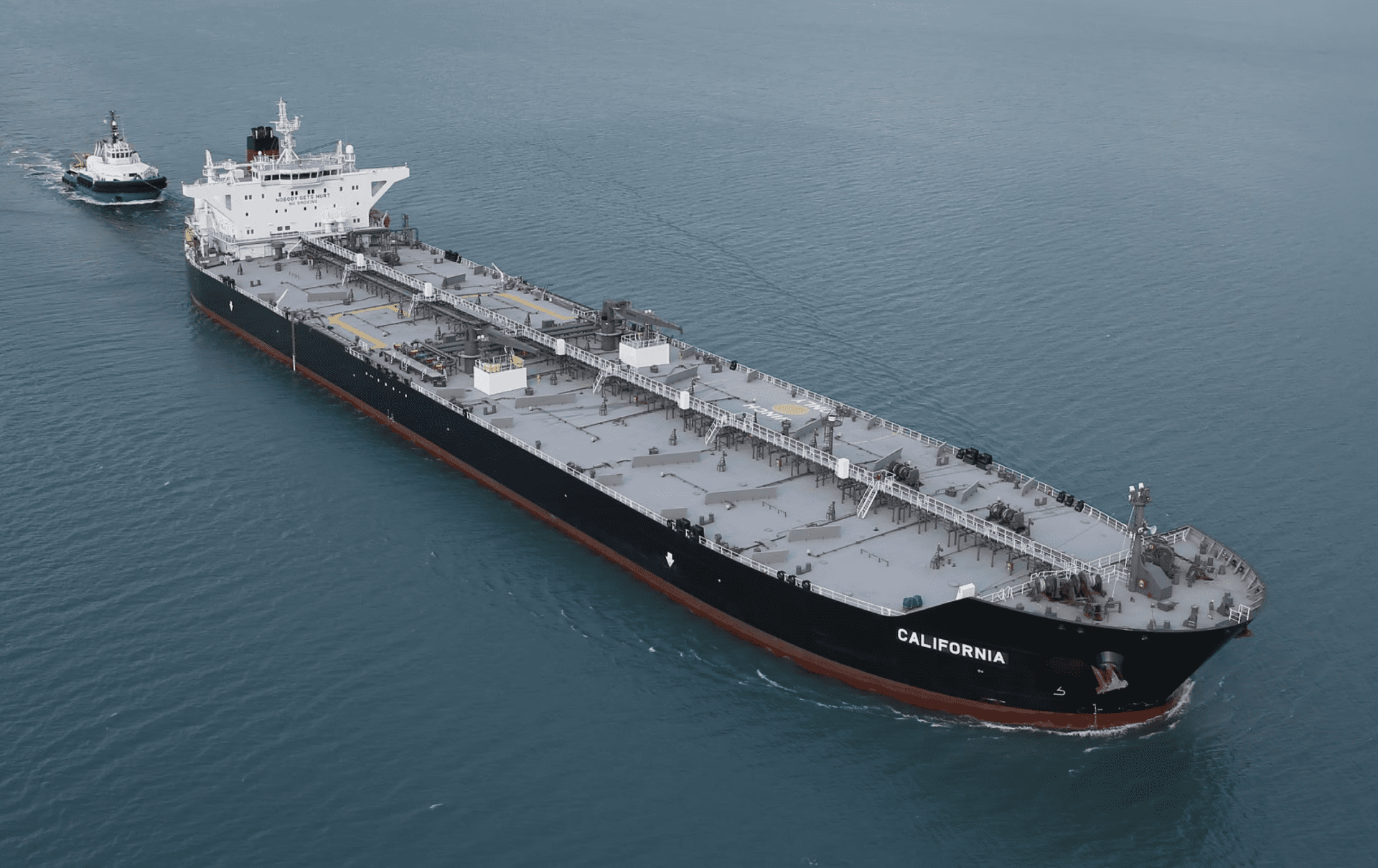
Very Large Crude Carriers (VLCCs)—supertankers capable of carrying 2-2.2 million barrels—form the backbone of international crude trade. The Baltic Exchange's Middle East Gulf-China TD3C index reached a record $423,736 per day on March 4, up 94% from the previous Friday. UK-based Clarksons estimated average VLCC spot rates at $350,000 per day, with Middle East-Asia routes surpassing $400,000 following the Hormuz blockade. At these rates, a standard 25-day voyage from Kuwait to Shanghai costs approximately $10.6 million in freight alone—compared to roughly $3.5 million at pre-crisis levels of $140,000/day.
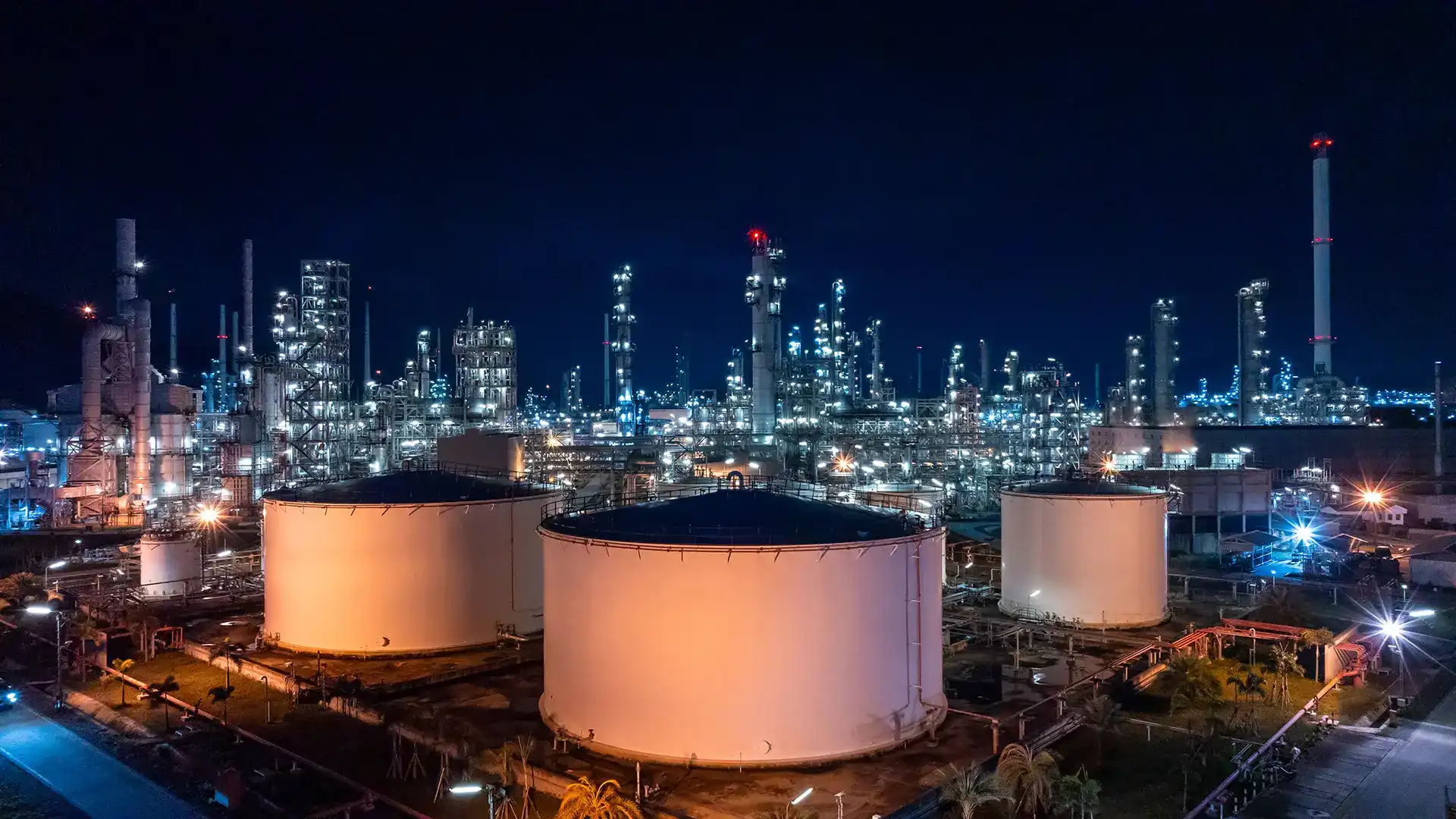
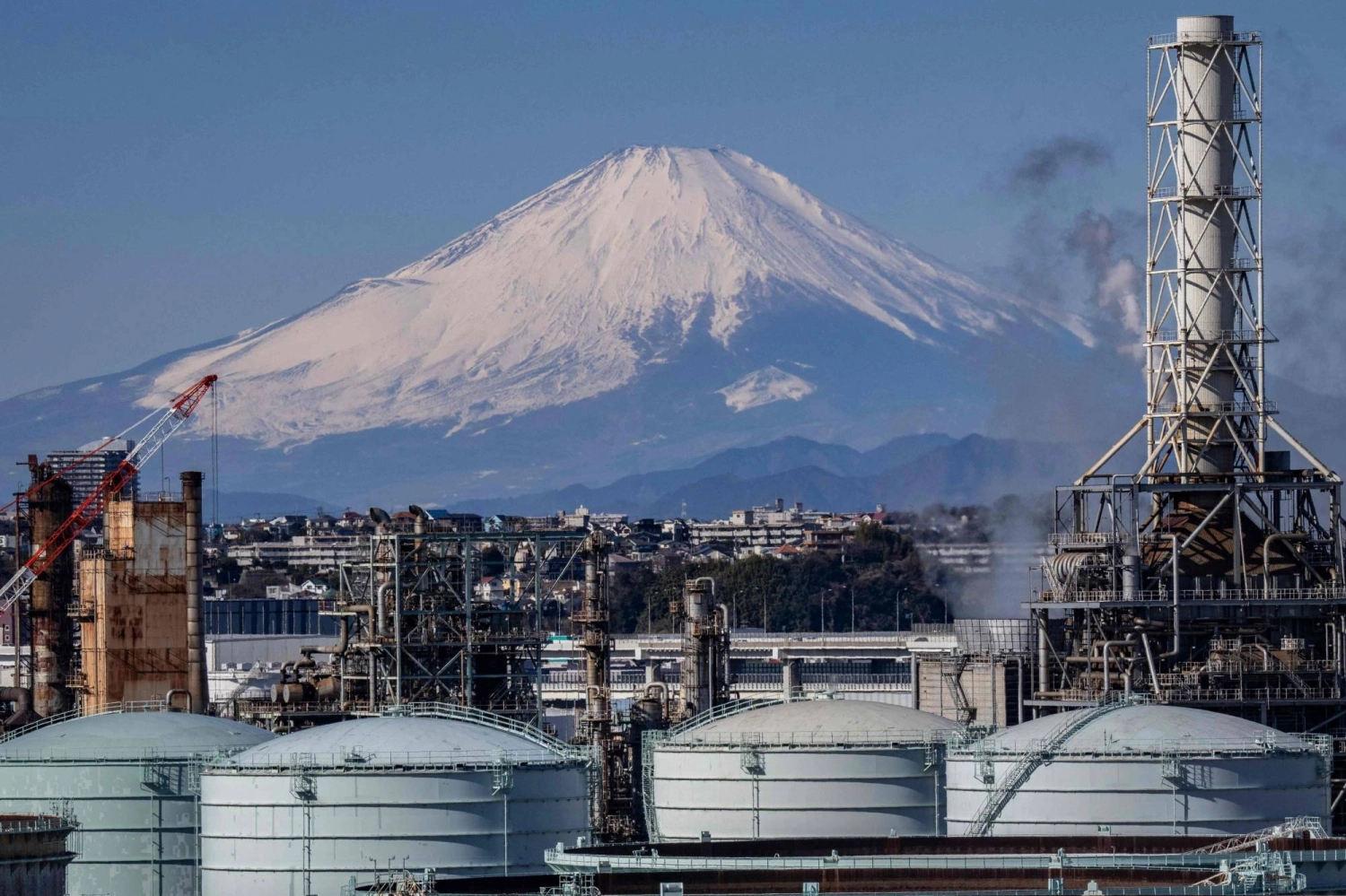
On the buy side, Asian refineries importing Middle Eastern crude face immediate relief if the ceasefire holds. Consider Sinopec's Zhenhai refinery, which processes 650,000 barrels per day of primarily Middle Eastern crude. At current Brent prices of $95.71/barrel versus pre-ceasefire highs above $110, the refinery saves approximately $9.3 million daily on crude input costs—assuming supply restoration. However, the refinery's procurement team cannot commit to 45-day forward purchases based on a 14-day political agreement. The risk is asymmetric: if the ceasefire collapses on day 13, oil prices return to $110+ immediately, but crude already committed at $96 becomes a $14/barrel loss.
On the sell side, Middle Eastern producers and their trading arms face the opposite dynamic. Saudi Aramco's trading division, which moves approximately 7 million barrels per day of crude and products globally, benefits from any sustained price recovery but loses the war premium that had pushed the Brent-WTI spread to $25/barrel at its March peak. Saudi Arabia reported that attacks on its oil facilities reduced production capacity by roughly 600,000 barrels per day, with the East-West Pipeline—designed to bypass Hormuz—also struck. The kingdom's spare capacity becomes less valuable as geopolitical premiums compress.
For large integrated traders with derivatives access—Vitol, Trafigura, Glencore's oil division—the ceasefire creates hedging opportunities but also eliminates the volatility that generates trading profits. Goldman Sachs maintains its 2026 Brent average forecast of $85, with a $71 Q4 base case now looking more achievable as the war premium evaporates. These firms can hedge their physical positions using Brent futures or swaps, locking in the current $96 level while maintaining upside exposure through options. The cost of a three-month $110 call option—protecting against ceasefire collapse—trades at approximately $3-4/barrel, expensive but manageable for firms moving millions of barrels monthly.
For smaller regional operators without derivatives access, the ceasefire creates an impossible planning dilemma. A mid-sized Indian refiner importing 150,000 barrels per day cannot hedge through futures markets but must secure crude supplies 45-60 days forward. The practical equivalent becomes bilateral supply agreements with flexible pricing mechanisms—typically Brent or Dubai crude benchmarks with 30-45 day pricing windows. These agreements shift price risk to suppliers but often carry premium charges of $1-2/barrel for the optionality.
Freight operators face the starkest margin compression. VLCC day rates that breached $423,000 on the Middle East-China route represent all-time records with no precedent in data going back to 2005. DHT Holdings, which operates 26 VLCCs exclusively, has a simple cash flow profile where higher rates flow almost directly to distributable cash. At $400,000/day, a VLCC generates approximately $10 million per 25-day voyage. At pre-crisis rates of $40,000/day, the same voyage earned $1 million. The $9 million differential disappears entirely if Hormuz reopens and routes normalize.
The financing dimension reveals where commercial risk concentrates. War risk insurance premiums have been suspended for Gulf transits by major P&I clubs, eliminating the option for rate-chasing vessels to enter the strait cheaply. Without insurance, no crude cargo can legally transit Hormuz regardless of charter rates. The ceasefire does not automatically restore insurance coverage—that requires separate assessment by London-based insurance syndicates that Iranian military coordination promises may not be resumed. Banks extending trade finance face the same uncertainty: a 14-day political window cannot underwrite 60-90 day crude supply chains.
Backwardation—where near-term prices exceed forward prices—signals that buyers need physical supply immediately rather than in future months. Brent's current structure shows April contracts trading at $96 while December 2026 futures trade at $87, a $9/barrel backwardation that reflects the market's expectation that current disruptions will resolve. However, this structure also means that any trader holding crude inventory benefits from immediate sales rather than storage, which tends to accelerate market normalization once supply routes reopen.
Crude quality spreads—the price differences between various crude grades—have compressed significantly as Asian refiners become less selective about feedstock sources. Dubai physical crude traded at $126/barrel on March 27, reflecting the wider physical-market impact of Strait closure. The strait remained effectively closed during the first 24 hours of ceasefire, with only one oil products tanker transiting according to Reuters. The differential between Dubai and Brent crude, normally $2-3/barrel, had widened to $12-15/barrel as physical supply scarcity overwhelmed benchmark relationships.
For observers monitoring whether the ceasefire will hold, the most reliable signal is not political rhetoric but commercial behavior. Abu Dhabi National Oil Company CEO Sultan Al Jaber said on April 9 that the strait remained closed despite the ceasefire because Iran was restricting and conditioning traffic, with 230 loaded oil tankers waiting inside the Gulf. If these tankers begin moving within 72 hours, the ceasefire has commercial credibility. If they remain anchored after April 15, the agreement is political theater. The market will price accordingly—and if the ceasefire collapses, $110+ returns immediately, confirming that the current $96 level reflects hope rather than restored supply fundamentals.

.jpg)
'%3e%3cg id='Final-Copy-2_2_' transform='translate(1275.000000, 200.000000)'%3e%3cpath class='st0' d='M7.4,12.8h6.8l3.1-11.6H7.4C4.2,1.2,1.6,3.8,1.6,7S4.2,12.8,7.4,12.8z'/%3e%3c/g%3e%3c/g%3e%3c/g%3e%3cg id='final---dec.11-2020'%3e%3cg id='_x30_208-our-toggle' transform='translate(-1275.000000, -200.000000)'%3e%3cg id='Final-Copy-2' transform='translate(1275.000000, 200.000000)'%3e%3cpath class='st1' d='M22.6,0H7.4c-3.9,0-7,3.1-7,7s3.1,7,7,7h15.2c3.9,0,7-3.1,7-7S26.4,0,22.6,0z M1.6,7c0-3.2,2.6-5.8,5.8-5.8 h9.9l-3.1,11.6H7.4C4.2,12.8,1.6,10.2,1.6,7z'/%3e%3cpath id='x' class='st2' d='M24.6,4c0.2,0.2,0.2,0.6,0,0.8l0,0L22.5,7l2.2,2.2c0.2,0.2,0.2,0.6,0,0.8c-0.2,0.2-0.6,0.2-0.8,0 l0,0l-2.2-2.2L19.5,10c-0.2,0.2-0.6,0.2-0.8,0c-0.2-0.2-0.2-0.6,0-0.8l0,0L20.8,7l-2.2-2.2c-0.2-0.2-0.2-0.6,0-0.8 c0.2-0.2,0.6-0.2,0.8,0l0,0l2.2,2.2L23.8,4C24,3.8,24.4,3.8,24.6,4z'/%3e%3cpath id='y' class='st3' d='M12.7,4.1c0.2,0.2,0.3,0.6,0.1,0.8l0,0L8.6,9.8C8.5,9.9,8.4,10,8.3,10c-0.2,0.1-0.5,0.1-0.7-0.1l0,0 L5.4,7.7c-0.2-0.2-0.2-0.6,0-0.8c0.2-0.2,0.6-0.2,0.8,0l0,0L8,8.6l3.8-4.5C12,3.9,12.4,3.9,12.7,4.1z'/%3e%3c/g%3e%3c/g%3e%3c/g%3e%3c/g%3e%3c/svg%3e) Privacy Choices
Privacy Choices