.avif)
.avif)
Australian fuel importers face an immediate procurement crisis as Asia-Pacific refiners divert export cargoes from Australian term contracts to prioritize domestic supply amid Middle East disruptions. The margin squeeze is severe: Australian buyers previously locked term contracts at Platts Singapore gasoil plus ~$8-12/MT for Q2 delivery, but spot replacement cargoes now command Singapore plus $35-45/MT a $25-35/MT penalty that eliminates distributor margins entirely. With Iran's actions effectively shutting the Strait of Hormuz a chokepoint carrying one-fifth of global oil supply regional refiners like Reliance and SK Energy are canceling Australian shipments to serve their home markets first. For Australia's fuel distributors, who rely on imports for 90% of domestic consumption, this represents a structural supply shock. The 48-hour audit window matters because force majeure clauses in most term contracts require notice within 72 hours of disruption, and Australian buyers need to establish whether these are legitimate force majeure events or commercial diversions that trigger penalty clauses.
On the buy side, major Australian fuel importers like Ampol and Viva Energy both operating with integrated refining and distribution networks face different pressures than pure importers. Ampol's Brisbane refinery can theoretically increase utilization, but crude supply disruptions from the Middle East (Australia sources ~15% of crude imports from the region) create their own constraints. These integrated players typically hedge 60-80% of their crude exposure through derivatives, providing some protection, but their term contracts for finished products from Asian refiners are now under stress. For pure importers like United Petroleum or smaller regional distributors, the situation is more dire. A typical 25,000 tonne gasoil cargo for Melbourne delivery, previously contracted at Singapore FOB plus $10/MT freight, now faces spot replacement at Singapore plus $40/MT turning a $250,000 cargo into a $1 million procurement challenge. The working capital impact alone could stress smaller operators' credit facilities within weeks.
On the sell side, Asian refiners are making calculated commercial decisions disguised as force majeure. Reliance Industries, operating the world's largest refining complex, typically exports 15-20 cargoes monthly to Australia across diesel and jet fuel. Sources indicate these volumes are being redirected to Indian domestic markets where the government has relaxed export restrictions, allowing Reliance to capture domestic prices that now exceed export netbacks by $15-20/MT. Similarly, South Korea's SK Energy and GS Caltex are prioritizing domestic supply ahead of peak summer driving season. The mechanism is straightforward: while Australian contracts may include force majeure language, the refiners are invoking supply disruption clauses that may not legally qualify if their feedstock supply remains intact. This creates a legal gray area that Australian buyers must navigate quickly. The broader consequence extends beyond individual contracts, Australia's fuel security framework, already strained by limited strategic reserves, faces systematic stress testing.
The operational scale differences create vastly different risk profiles for Australian fuel buyers. Large integrated operators like Ampol maintain sophisticated trading desks with derivatives access, allowing them to hedge Brent exposure and potentially monetize volatility through options strategies. Their Q2 contracts typically include price review mechanisms triggered by sustained Brent moves above $100/barrel, providing some relief valve. Mid-tier importers like United Petroleum or Pacific Energy operate with simpler bilateral contracts but lack derivatives sophistication. For these operators, a 25,000 tonne diesel shortfall requires immediate spot market access at today's inflated levels potentially $750,000-$1 million above contracted expectations. Smaller regional distributors face the harshest reality, no derivatives access, limited credit facilities for spot purchases, and typically operating on 30-45 day payment terms that assume steady contract volumes. A typical rural distributor moving 2,000-3,000 tonnes monthly could exhaust working capital within 45-60 days if forced into spot markets consistently.
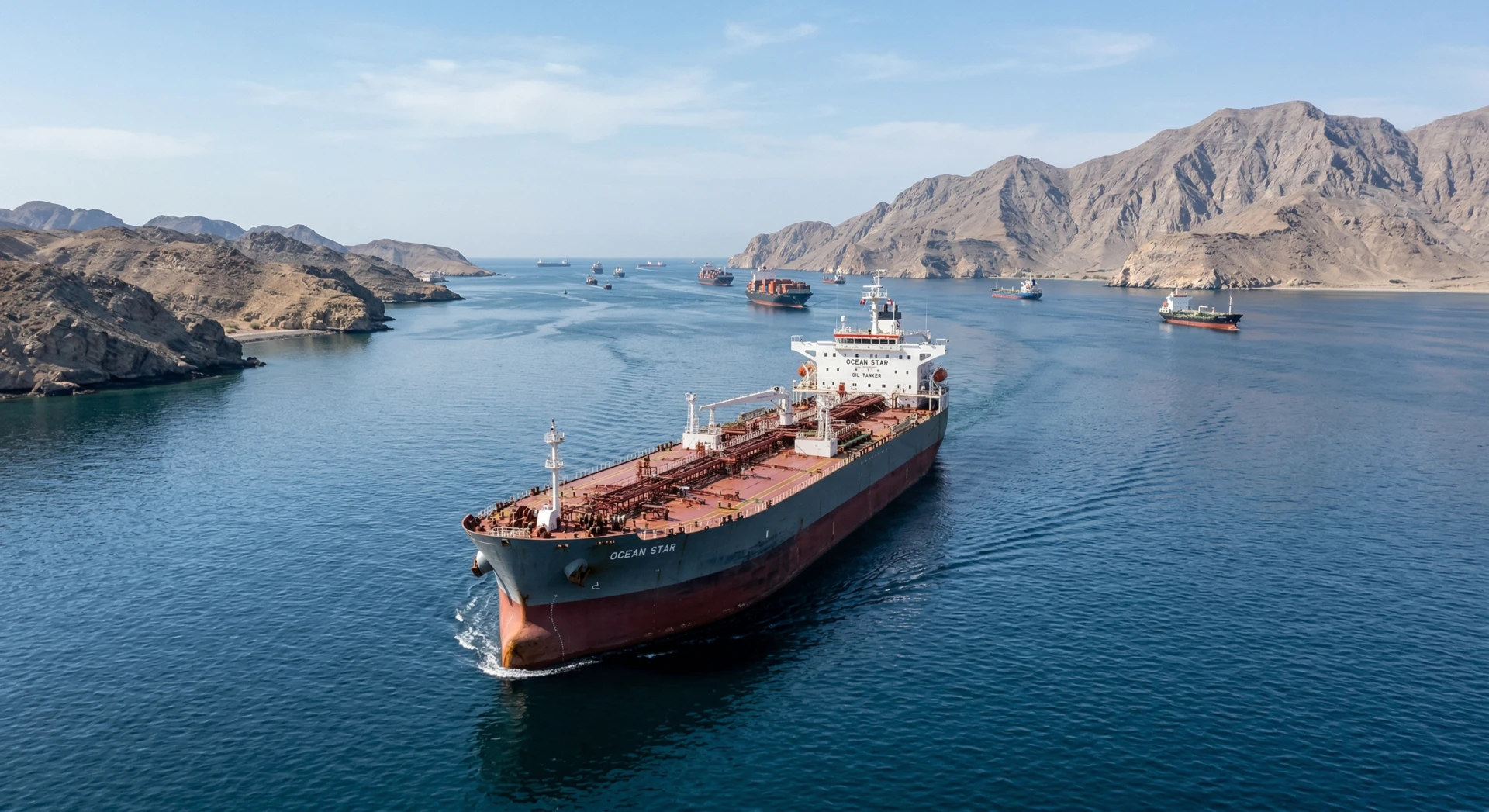
The freight and logistics component compounds the procurement challenge significantly. Australia's fuel import infrastructure concentrates around major ports Melbourne, Sydney, Brisbane with limited coastal distribution capacity. Typical Asia-Australia freight rates for clean petroleum products ran $12-15/MT pre-crisis but have spiked to $25-35/MT as vessel owners demand war risk premiums for Middle East transits. More critically, the vessel availability itself is constrained. Clean product tankers typically serving Australia-Asia routes are being repositioned for higher-paying Atlantic basin trades or idled in safe harbors pending clarity on Middle East transit risks. This creates a secondary squeeze, even if Australian buyers secure replacement cargoes, vessel availability and freight costs add another $10-20/MT penalty. The time factor is crucial clean product vessels from Singapore to Melbourne require 7-10 days transit, meaning supply decisions made today affect retail availability in mid-April. For integrated operators with strategic storage, this provides a brief buffer; for smaller distributors with minimal tank capacity, the supply chain inflexibility becomes apparent quickly.
The forward signal suggests this crisis will intensify through Q2 before any resolution emerges. Commonwealth Bank's forecast of Brent crude sustaining around $120/barrel through June implies continued refiner prioritization of domestic markets over export commitments. The mechanism is self-reinforcing, higher crude prices increase refining margins domestically, making export diversions more profitable even after accounting for contract penalties. For Australian procurement managers, this creates a strategic dilemma. Accepting spot replacements at current premiums may establish a new pricing floor that persists beyond the immediate crisis. However, legal challenges to force majeure claims could take months to resolve through arbitration, providing little immediate supply relief. The RBA's response potentially two rate increases by Christmas adds another layer of cost pressure as fuel distributors' financing costs increase alongside procurement expenses. This monetary tightening could ultimately force consolidation among smaller distributors who lack the balance sheet strength to navigate both supply disruptions and higher financing costs simultaneously.
The procurement intelligence for Australian fuel buyers centers on rapid contract forensics and alternative supply development. Within 48 hours, buyers must distinguish between legitimate force majeure events (actual crude supply disruption to Asian refiners) and commercial diversions (refiners choosing more profitable alternatives). The legal framework matters, Australian commercial law provides stronger remedies against commercial breaches than genuine force majeure, but establishing the distinction requires immediate documentation of refiners' actual operational status. Buyers should simultaneously activate alternative supply channels, Middle East suppliers like Kuwait Petroleum or Saudi Aramco Trading maintain some export availability, though at significant premiums to Asian supply. The strategic consideration extends beyond immediate procurement, this crisis exposes Australia's structural fuel import dependency and may accelerate government intervention in fuel security policy. Buyers who establish relationships with non-Asian suppliers during this crisis position themselves advantageously for a potentially restructured Australian fuel import landscape. The working capital management becomes critical operators should immediately review credit facilities and consider inventory financing arrangements to bridge the gap between contracted expectations and spot market reality.

.jpg)
.jpg)

'%3e%3cg id='Final-Copy-2_2_' transform='translate(1275.000000, 200.000000)'%3e%3cpath class='st0' d='M7.4,12.8h6.8l3.1-11.6H7.4C4.2,1.2,1.6,3.8,1.6,7S4.2,12.8,7.4,12.8z'/%3e%3c/g%3e%3c/g%3e%3c/g%3e%3cg id='final---dec.11-2020'%3e%3cg id='_x30_208-our-toggle' transform='translate(-1275.000000, -200.000000)'%3e%3cg id='Final-Copy-2' transform='translate(1275.000000, 200.000000)'%3e%3cpath class='st1' d='M22.6,0H7.4c-3.9,0-7,3.1-7,7s3.1,7,7,7h15.2c3.9,0,7-3.1,7-7S26.4,0,22.6,0z M1.6,7c0-3.2,2.6-5.8,5.8-5.8 h9.9l-3.1,11.6H7.4C4.2,12.8,1.6,10.2,1.6,7z'/%3e%3cpath id='x' class='st2' d='M24.6,4c0.2,0.2,0.2,0.6,0,0.8l0,0L22.5,7l2.2,2.2c0.2,0.2,0.2,0.6,0,0.8c-0.2,0.2-0.6,0.2-0.8,0 l0,0l-2.2-2.2L19.5,10c-0.2,0.2-0.6,0.2-0.8,0c-0.2-0.2-0.2-0.6,0-0.8l0,0L20.8,7l-2.2-2.2c-0.2-0.2-0.2-0.6,0-0.8 c0.2-0.2,0.6-0.2,0.8,0l0,0l2.2,2.2L23.8,4C24,3.8,24.4,3.8,24.6,4z'/%3e%3cpath id='y' class='st3' d='M12.7,4.1c0.2,0.2,0.3,0.6,0.1,0.8l0,0L8.6,9.8C8.5,9.9,8.4,10,8.3,10c-0.2,0.1-0.5,0.1-0.7-0.1l0,0 L5.4,7.7c-0.2-0.2-0.2-0.6,0-0.8c0.2-0.2,0.6-0.2,0.8,0l0,0L8,8.6l3.8-4.5C12,3.9,12.4,3.9,12.7,4.1z'/%3e%3c/g%3e%3c/g%3e%3c/g%3e%3c/g%3e%3c/svg%3e) Privacy Choices
Privacy Choices