.avif)
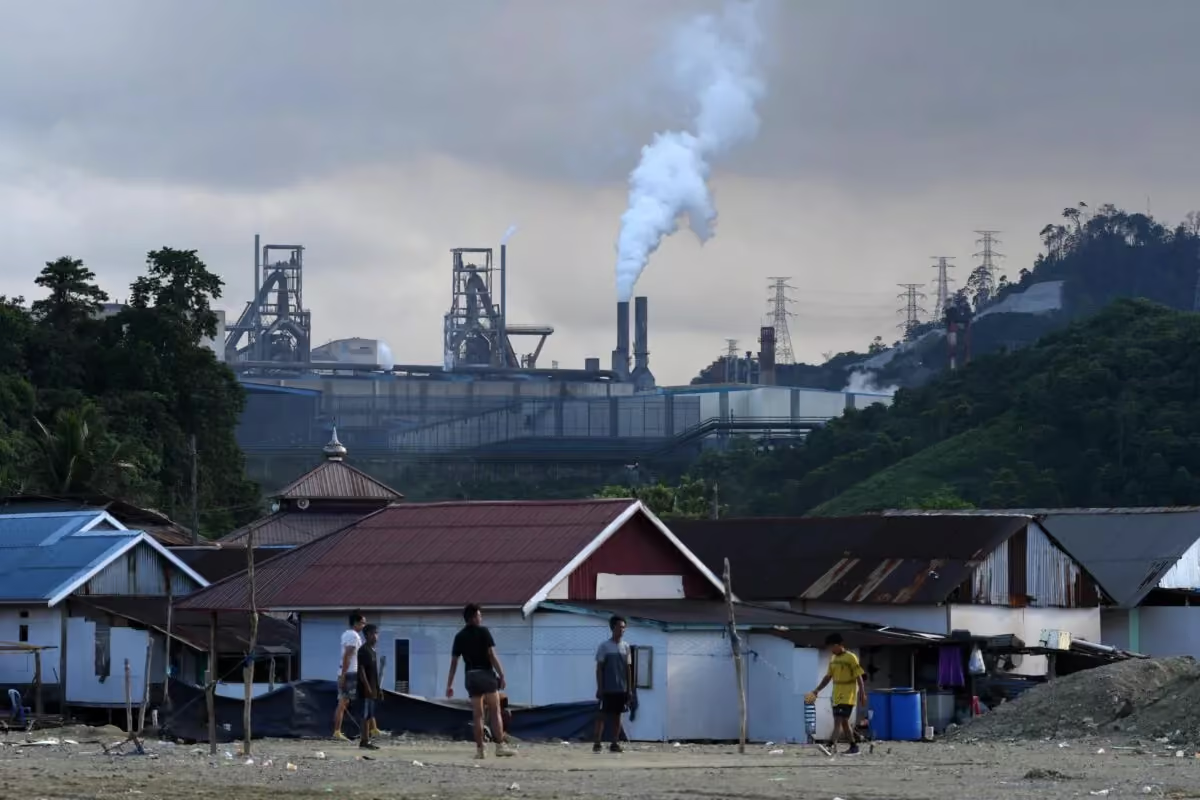
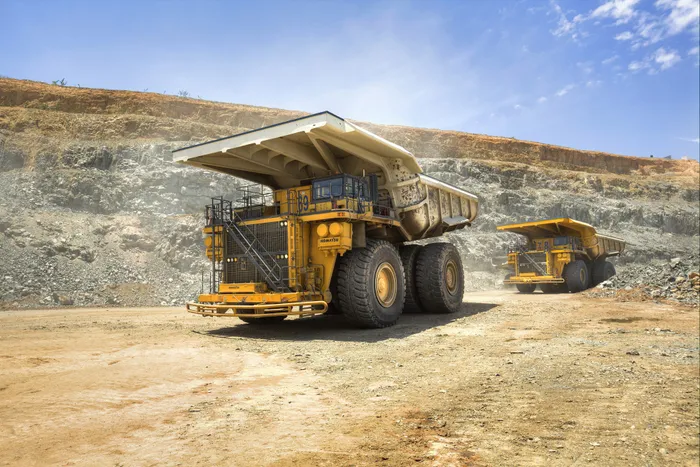
Indonesian nickel miners face a 28% production cut as the government's 2026 RKAB quota drops to 270 million wet metric tonnes from 375 million in 2025, while new export controls force all sales through state controlled Danantara Sumberdaya Indonesia (DSI) starting September 2026, ending direct foreign sales. Nickel prices have rallied to $18,500-$19,250 per tonne, but Indonesian producers face margin compression from rising sulfuric acid costs exceeding $28 per tonne after China's export ban and Middle East supply disruptions. The regulatory squeeze hits Chinese partners hardest: the China Chamber of Commerce in Indonesia sent an open letter to President Prabowo in May 2026 citing "abrupt policy shifts and alleged extortion by officials" undermining investment confidence.
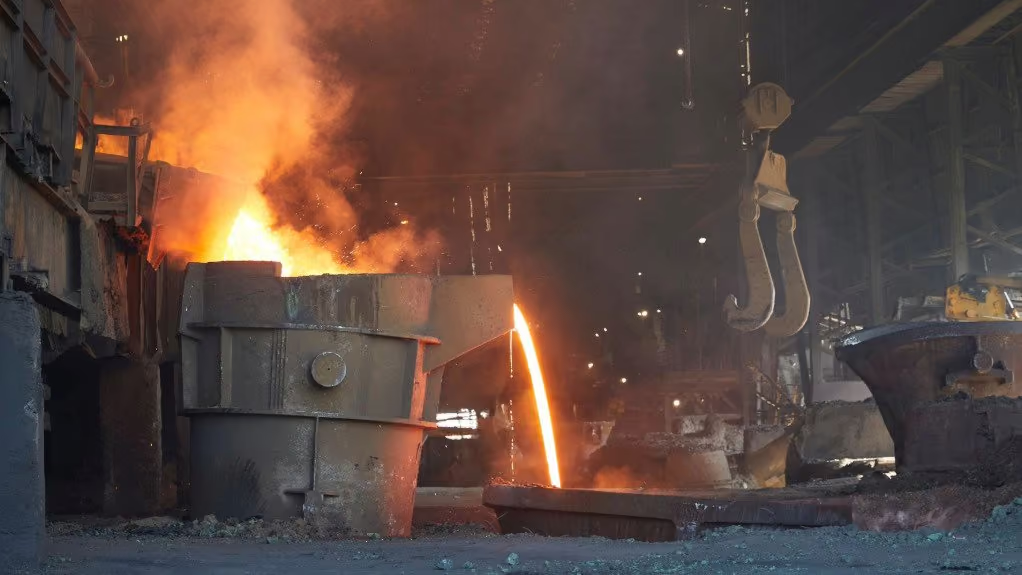
Indonesia produced 2.6 million tonnes of nickel in 2025 from 3.9 million tonnes globally, commanding roughly 60% of world supply after the decisive 2020 raw ore export ban forced Chinese firms to build smelting capacity onshore through nickel pig iron (NPI) and high-pressure acid leaching (HPAL) facilities. HPAL a hydrometallurgical process that uses sulfuric acid to extract nickel from lateritic ore for battery-grade production consumed 16 million tonnes of acid annually in Indonesia by 2025. NPI production melting nickel ore in blast furnaces to create ferroalloy for stainless steel requires less acid but generates lower-value output than HPAL's battery-grade nickel sulfate. Chinese firms retain operational control and technical expertise despite Indonesian downstreaming policies, leaving Jakarta dependent on foreign partners for the value-added production that generates resource rents.
The margin anatomy reveals how state control concentrates extraction at the regulatory level while Chinese operators control processing margins. Under DSI rules, no Indonesian producer can sell directly to foreign buyers every transaction must pass through the state intermediary first, creating a mandatory margin layer. The foreign exchange retention mechanism requires 100% of export earnings to sit in Indonesian state banks from June 2026, functioning as the primary margin capture tool rather than industrial policy. For a typical 50,000 tonne HPAL nickel shipment worth approximately $950 million at current prices, DSI's intermediation adds administrative costs while the FX retention requirement constrains working capital for Chinese operators who previously cycled proceeds offshore.
Freight costs add operational complexity but remain manageable compared to input cost inflation. Middle East conflicts have limited Strait of Hormuz access, though Brent crude has fallen below $100 per barrel, reducing shipping cost pressure. Indonesian nickel typically moves on smaller bulk carriers (30,000-50,000 DWT) rather than capesize vessels, with freight rates from Sulawesi to Chinese ports running approximately $15-20 per tonne significant but not margin-determining. The real freight impact comes through sulfuric acid supply: Indonesia sources 75% of its sulfur from the Middle East and now competes with other sectors for supply, forcing acid prices up and creating potential shortages that can shut HPAL lines entirely.
On the buy side: Chinese stainless steel mills and battery precursor manufacturers face supply uncertainty through DSI's export monopoly and potential contract revisions. Below-benchmark long-term contracts face review, affecting most existing agreements since below-spot offtakes are common in this industry. For Tsingshan Holding Group, which operates Indonesia's largest nickel complex, the policy shift threatens established supply relationships and forces renegotiation through state intermediaries. Chinese firms dominate Indonesia's nickel industry and China remains the top importer of affected resources, creating bilateral tension as Beijing's private companies confront Jakarta's resource nationalism.
On the sell side: Indonesian nickel miners face compressed margins from multiple directions reduced quotas limiting volume, rising input costs from acid shortages, and administrative friction through mandatory state intermediation. Indonesia-domiciled producers face margin compression while international peers gain pricing power from constrained Indonesian supply. PT Vale Indonesia, the country's largest listed nickel miner, must navigate quota restrictions while competing for acid supplies. Smaller regional miners face even greater pressure: quota allocations favor established operators, while acid shortages hit marginal operations hardest due to limited purchasing power and storage capacity.
For large integrated traders with derivatives access: hedge Indonesian exposure through LME nickel puts at current elevated prices, given supply constraints may not offset rising costs indefinitely. Price strength triggers additional RKAB approvals, limiting upward momentum durability as elevated prices catalyze more supply. Position in seaborne nickel alternatives Canadian or Russian sulfide operations generate internal acid from high-sulfur ore, insulating them from reagent import costs. For smaller regional importers without derivatives access: diversify supply away from Indonesian concentration by contracting Canadian or Philippine laterite at fixed terms, accepting higher base costs for supply security.
Indonesia operates as "a nickel state in formation, leveraging mineral rents like petrostates leverage hydrocarbons," but faces the fundamental question of whether centralization builds lasting industrial capacity or deepens extractive dynamics. The 2026 export regime differs from the successful 2020 ore ban, which was industrial policy forcing onshore value-add that grew nickel exports from $3.3 billion in 2018-2019 to $33 billion by 2023-2024. Current policies focus on margin capture rather than capacity building, suggesting Jakarta prioritizes immediate fiscal extraction over long-term industrial development.
For observers: monitor the LME three month nickel price sustainability above $19,000 per tonne through July 2026 breaks below this level signal that supply tightening cannot offset rising costs and administrative friction. Watch Indonesian RKAB quota announcements for Q4 2026 allocation by September 15; any increase above 300 million wet metric tonnes indicates policy moderation under Chinese pressure. Track sulfuric acid spot prices in Southeast Asia through August sustained levels above $300 per tonne threaten HPAL economics and force production cuts regardless of ore quotas.





'%3e%3cg id='Final-Copy-2_2_' transform='translate(1275.000000, 200.000000)'%3e%3cpath class='st0' d='M7.4,12.8h6.8l3.1-11.6H7.4C4.2,1.2,1.6,3.8,1.6,7S4.2,12.8,7.4,12.8z'/%3e%3c/g%3e%3c/g%3e%3c/g%3e%3cg id='final---dec.11-2020'%3e%3cg id='_x30_208-our-toggle' transform='translate(-1275.000000, -200.000000)'%3e%3cg id='Final-Copy-2' transform='translate(1275.000000, 200.000000)'%3e%3cpath class='st1' d='M22.6,0H7.4c-3.9,0-7,3.1-7,7s3.1,7,7,7h15.2c3.9,0,7-3.1,7-7S26.4,0,22.6,0z M1.6,7c0-3.2,2.6-5.8,5.8-5.8 h9.9l-3.1,11.6H7.4C4.2,12.8,1.6,10.2,1.6,7z'/%3e%3cpath id='x' class='st2' d='M24.6,4c0.2,0.2,0.2,0.6,0,0.8l0,0L22.5,7l2.2,2.2c0.2,0.2,0.2,0.6,0,0.8c-0.2,0.2-0.6,0.2-0.8,0 l0,0l-2.2-2.2L19.5,10c-0.2,0.2-0.6,0.2-0.8,0c-0.2-0.2-0.2-0.6,0-0.8l0,0L20.8,7l-2.2-2.2c-0.2-0.2-0.2-0.6,0-0.8 c0.2-0.2,0.6-0.2,0.8,0l0,0l2.2,2.2L23.8,4C24,3.8,24.4,3.8,24.6,4z'/%3e%3cpath id='y' class='st3' d='M12.7,4.1c0.2,0.2,0.3,0.6,0.1,0.8l0,0L8.6,9.8C8.5,9.9,8.4,10,8.3,10c-0.2,0.1-0.5,0.1-0.7-0.1l0,0 L5.4,7.7c-0.2-0.2-0.2-0.6,0-0.8c0.2-0.2,0.6-0.2,0.8,0l0,0L8,8.6l3.8-4.5C12,3.9,12.4,3.9,12.7,4.1z'/%3e%3c/g%3e%3c/g%3e%3c/g%3e%3c/g%3e%3c/svg%3e) Privacy Choices
Privacy Choices