.avif)

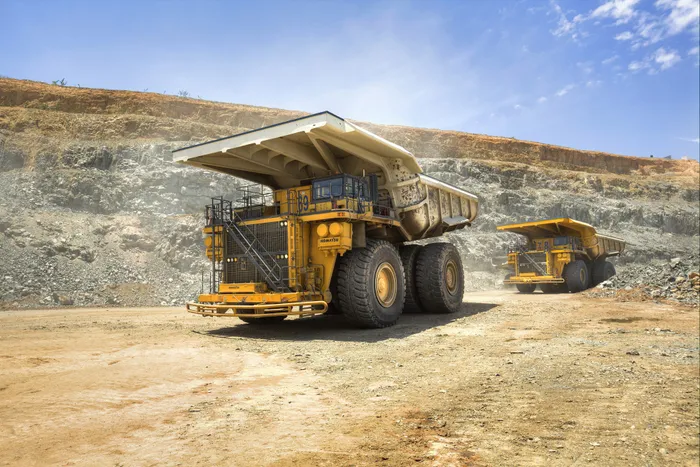
Jubilee Metals' Roan concentrator restart in Zambia comes at a cost fuel expenses have surged 80% while acid and transport costs now account for 36% of monthly operating expenditure. The facility targets 30,000 tonnes per month of run of mine throughput as the company assesses whether efficiency interventions can offset the inflated cost structure. For copper concentrate producers companies that process ore into the 20-30% copper content material that feeds smelters Roan's restart demonstrates how rapidly transport economics can shift in landlocked operations. Acid consumption and transport costs account for 20% and 16% of monthly expenditure respectively, with the 80% fuel cost increase directly impacting both ore delivery to Roan and concentrate transport to Jubilee's Sable refinery.
A concentrator a processing facility that uses flotation, magnetic separation, and gravity techniques to separate valuable minerals from waste rock typically requires significant logistics coordination in Zambia's interior. Jubilee has commissioned a new fine copper concentrate dewatering circuit designed to remove moisture before transport, addressing material that contains about 25% of Roan's total copper content. The company reports 140 tonnes of previously stockpiled copper can be processed alongside new production, providing operational flexibility during the dewatering system's stabilisation period. Consider the transport arithmetic: a 50 tonne truck carrying copper concentrate from Roan to Sable refinery faces fuel costs that have increased from approximately $28/MT to $50/MT. For operators processing 1,000 tonnes monthly, the additional $22,000 in fuel costs alone erases margins on lower grade material.
On the buy side: Smelters purchasing copper concentrate face potential supply tightening as producers assess minimum viable grades. With acid consumption and transport representing over one-third of Roan's monthly costs, concentrate buyers may see grade premiums increase as operators prioritise higher copper content material to maintain transport economics. Chinese smelters, who typically source 15-25% of concentrate needs from African producers, could face delivery delays as logistics costs force producers to consolidate shipments or reassess third-party ore procurement. On the sell side: Third-party ore suppliers to concentrators like Roan encounter compressed margins as transport costs transfer downstream. Small-scale miners delivering ore to processing facilities now absorb fuel cost inflation of nearly 80%, with some operations potentially becoming uneconomical at current copper grades below 1.5%. Regional trucking contractors face margin compression as mining companies renegotiate transport rates to share the burden of inflated diesel costs.
For large integrated producers (First Quantum, Barrick, or state-owned Konkola Copper Mines) with captive transport fleets and long-term fuel contracts: hedge remaining 2026 fuel exposure through forward diesel contracts or negotiate mine mouth concentrate sales to reduce transport exposure. Jubilee retains the option to increase throughput through front-end dense medium separation, which could improve economies of scale if transport costs stabilise. For smaller regional operators mid-tier copper producers, toll processing operators, or concentrate traders without derivatives access: secure bilateral fuel cost sharing agreements with ore suppliers, consolidate shipments to improve truck utilisation rates, or establish concentrate storage hubs to optimise delivery timing. Zambian inflation currently stands at 7.5%, with fuel costs driving broader price pressures across the mining transport sector.
For observers: monitor Zambian Energy Regulation Board fuel price adjustments (published monthly) and Jubilee's June production guidance for evidence whether efficiency gains can sustainably offset transport cost inflation. The company expects June performance to clarify sustainable operating capacity and recovery efficiencies with fines concentrate processing at Sable. LME copper closed at $6.42/lb on June 5, down 1.47% from the previous session, with 3 month copper at $13,700/tonne providing adequate margin cushion for efficient operations. If Roan's 5% efficiency target proves insufficient to offset 80% fuel cost increases, expect other Zambian copper concentrate producers to reassess minimum processing grades and ore procurement strategies by Q3 2026.





'%3e%3cg id='Final-Copy-2_2_' transform='translate(1275.000000, 200.000000)'%3e%3cpath class='st0' d='M7.4,12.8h6.8l3.1-11.6H7.4C4.2,1.2,1.6,3.8,1.6,7S4.2,12.8,7.4,12.8z'/%3e%3c/g%3e%3c/g%3e%3c/g%3e%3cg id='final---dec.11-2020'%3e%3cg id='_x30_208-our-toggle' transform='translate(-1275.000000, -200.000000)'%3e%3cg id='Final-Copy-2' transform='translate(1275.000000, 200.000000)'%3e%3cpath class='st1' d='M22.6,0H7.4c-3.9,0-7,3.1-7,7s3.1,7,7,7h15.2c3.9,0,7-3.1,7-7S26.4,0,22.6,0z M1.6,7c0-3.2,2.6-5.8,5.8-5.8 h9.9l-3.1,11.6H7.4C4.2,12.8,1.6,10.2,1.6,7z'/%3e%3cpath id='x' class='st2' d='M24.6,4c0.2,0.2,0.2,0.6,0,0.8l0,0L22.5,7l2.2,2.2c0.2,0.2,0.2,0.6,0,0.8c-0.2,0.2-0.6,0.2-0.8,0 l0,0l-2.2-2.2L19.5,10c-0.2,0.2-0.6,0.2-0.8,0c-0.2-0.2-0.2-0.6,0-0.8l0,0L20.8,7l-2.2-2.2c-0.2-0.2-0.2-0.6,0-0.8 c0.2-0.2,0.6-0.2,0.8,0l0,0l2.2,2.2L23.8,4C24,3.8,24.4,3.8,24.6,4z'/%3e%3cpath id='y' class='st3' d='M12.7,4.1c0.2,0.2,0.3,0.6,0.1,0.8l0,0L8.6,9.8C8.5,9.9,8.4,10,8.3,10c-0.2,0.1-0.5,0.1-0.7-0.1l0,0 L5.4,7.7c-0.2-0.2-0.2-0.6,0-0.8c0.2-0.2,0.6-0.2,0.8,0l0,0L8,8.6l3.8-4.5C12,3.9,12.4,3.9,12.7,4.1z'/%3e%3c/g%3e%3c/g%3e%3c/g%3e%3c/g%3e%3c/svg%3e) Privacy Choices
Privacy Choices