.avif)
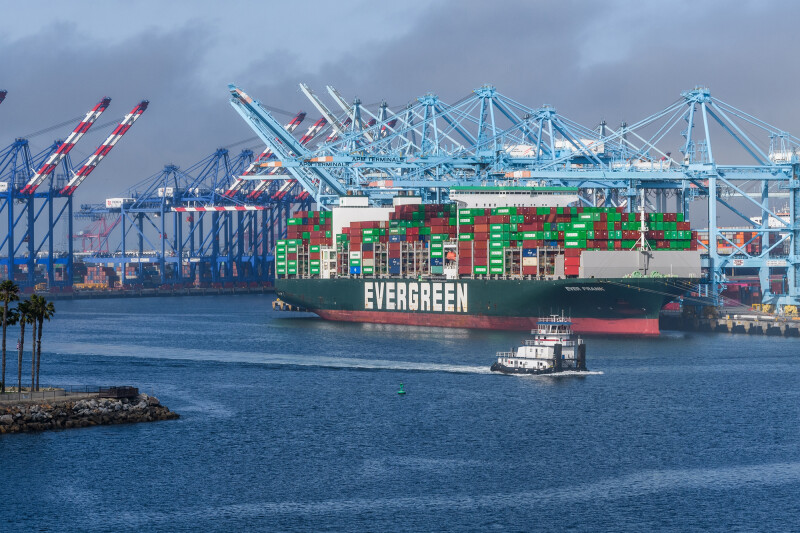
Marine fuel suppliers at the Port of Long Beach face a $500,000 cost gap methanol bunkering runs approximately $1.5 million per call versus roughly $1 million for conventional marine fuel that forces even methanol capable vessels to bunker standard fuel. The Long Beach Harbor Commission approved the Clean Fuel Bunkering Challenge on May 26, offering a $1 million incentive to the first oceangoing vessel completing commercial scale methanol bunkering at the port. Methanol bunkering the process of loading methanol fuel onto vessels, similar to conventional fuel bunkering but requiring specialized handling procedures for this low-carbon alternative currently occurs only at select Asian ports, leaving West Coast operators stranded with conventional bunker fuel despite fleet investment in dual-fuel capability.
The infrastructure deficit creates margin pressure across the supply chain. Currently around 400 dual-fuel methanol ships are in operation globally, though most continue to use conventional bunker fuel because supplies of green methanol are limited, particularly along the West Coast. Consider a container operator with a 15,000 TEU dual-fuel vessel calling Long Beach monthly. The vessel was built to burn either conventional fuel or methanol a dual-fuel engine configuration that costs roughly $3–5 million more than conventional propulsion but provides regulatory compliance optionality under evolving emissions rules. Without methanol availability, that premium becomes a stranded investment, and the vessel burns conventional fuel throughout its West Coast operations.
On the buy side, shipping lines with methanol-capable vessels cannot access the fuel they invested in engine technology to burn. Large integrated operators like Maersk and CMA CGM which collectively represent the largest methanol dual-fuel vessel orderbooks planned West Coast methanol operations but cannot execute without bunkering infrastructure. In 2024, the dual-fuel methanol container ship Alette Maersk called at the neighboring Port of Los Angeles, crossing the Pacific using a combination of green methanol and biofuels, but did not take on green fuels while at San Pedro Bay. The vessel completed its journey on conventional fuel, eliminating intended emissions reductions and carbon accounting benefits.
On the sell side, conventional marine fuel suppliers maintain incumbent advantage through infrastructure lock-in, while methanol suppliers cannot establish market presence without solving the chicken and egg problem of vessel calls versus fuel availability. The incentive is designed to cover that estimated $500,000 price gap, and set aside an additional $500,000 for ancillary costs including operational and safety procedures and working with fuel providers and distributors, as well as local permitting agencies. For a mid-sized bunker fuel operator, establishing methanol capability requires storage infrastructure, specialized handling equipment, crew training, and safety certification investments that demand guaranteed call frequency to justify. The port's incentive attempts to guarantee the first commercial operation, creating precedent for subsequent calls.
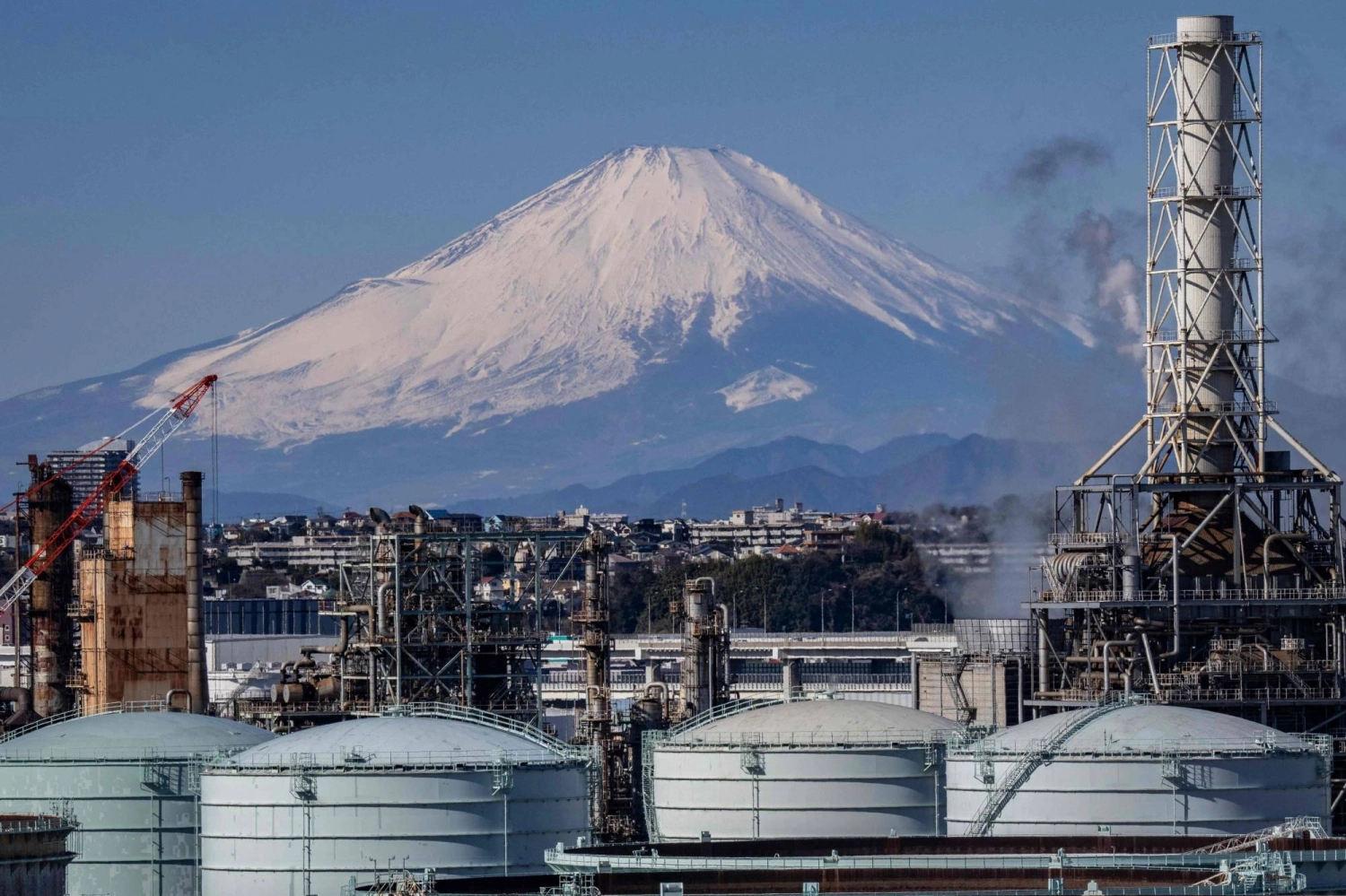
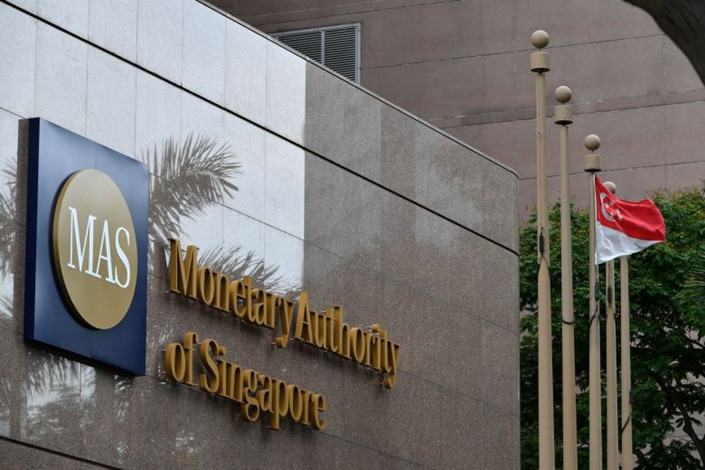
For large integrated marine fuel suppliers (Vitol, Trafigura, major oil company trading arms) with derivatives access, methanol expansion offers portfolio diversification and regulatory arbitrage opportunities as emissions compliance costs rise. Smaller regional marine fuel distributors without balance sheet depth to build methanol infrastructure face potential margin compression as dual-fuel vessels seek methanol capable ports. The challenge was partly inspired by the commercial availability of methanol at the ports of Shanghai and Singapore, both of which participate in Green Shipping Corridors with the San Pedro Bay ports. For observers: track Singapore's TR129 methanol bunkering framework implementation and Rotterdam's methanol infrastructure development timelines through Q3 2026 these signal whether the West Coast lag becomes permanent disadvantage or temporary development gap.
.jpg)


'%3e%3cg id='Final-Copy-2_2_' transform='translate(1275.000000, 200.000000)'%3e%3cpath class='st0' d='M7.4,12.8h6.8l3.1-11.6H7.4C4.2,1.2,1.6,3.8,1.6,7S4.2,12.8,7.4,12.8z'/%3e%3c/g%3e%3c/g%3e%3c/g%3e%3cg id='final---dec.11-2020'%3e%3cg id='_x30_208-our-toggle' transform='translate(-1275.000000, -200.000000)'%3e%3cg id='Final-Copy-2' transform='translate(1275.000000, 200.000000)'%3e%3cpath class='st1' d='M22.6,0H7.4c-3.9,0-7,3.1-7,7s3.1,7,7,7h15.2c3.9,0,7-3.1,7-7S26.4,0,22.6,0z M1.6,7c0-3.2,2.6-5.8,5.8-5.8 h9.9l-3.1,11.6H7.4C4.2,12.8,1.6,10.2,1.6,7z'/%3e%3cpath id='x' class='st2' d='M24.6,4c0.2,0.2,0.2,0.6,0,0.8l0,0L22.5,7l2.2,2.2c0.2,0.2,0.2,0.6,0,0.8c-0.2,0.2-0.6,0.2-0.8,0 l0,0l-2.2-2.2L19.5,10c-0.2,0.2-0.6,0.2-0.8,0c-0.2-0.2-0.2-0.6,0-0.8l0,0L20.8,7l-2.2-2.2c-0.2-0.2-0.2-0.6,0-0.8 c0.2-0.2,0.6-0.2,0.8,0l0,0l2.2,2.2L23.8,4C24,3.8,24.4,3.8,24.6,4z'/%3e%3cpath id='y' class='st3' d='M12.7,4.1c0.2,0.2,0.3,0.6,0.1,0.8l0,0L8.6,9.8C8.5,9.9,8.4,10,8.3,10c-0.2,0.1-0.5,0.1-0.7-0.1l0,0 L5.4,7.7c-0.2-0.2-0.2-0.6,0-0.8c0.2-0.2,0.6-0.2,0.8,0l0,0L8,8.6l3.8-4.5C12,3.9,12.4,3.9,12.7,4.1z'/%3e%3c/g%3e%3c/g%3e%3c/g%3e%3c/g%3e%3c/svg%3e) Privacy Choices
Privacy Choices