.avif)
.jpg)
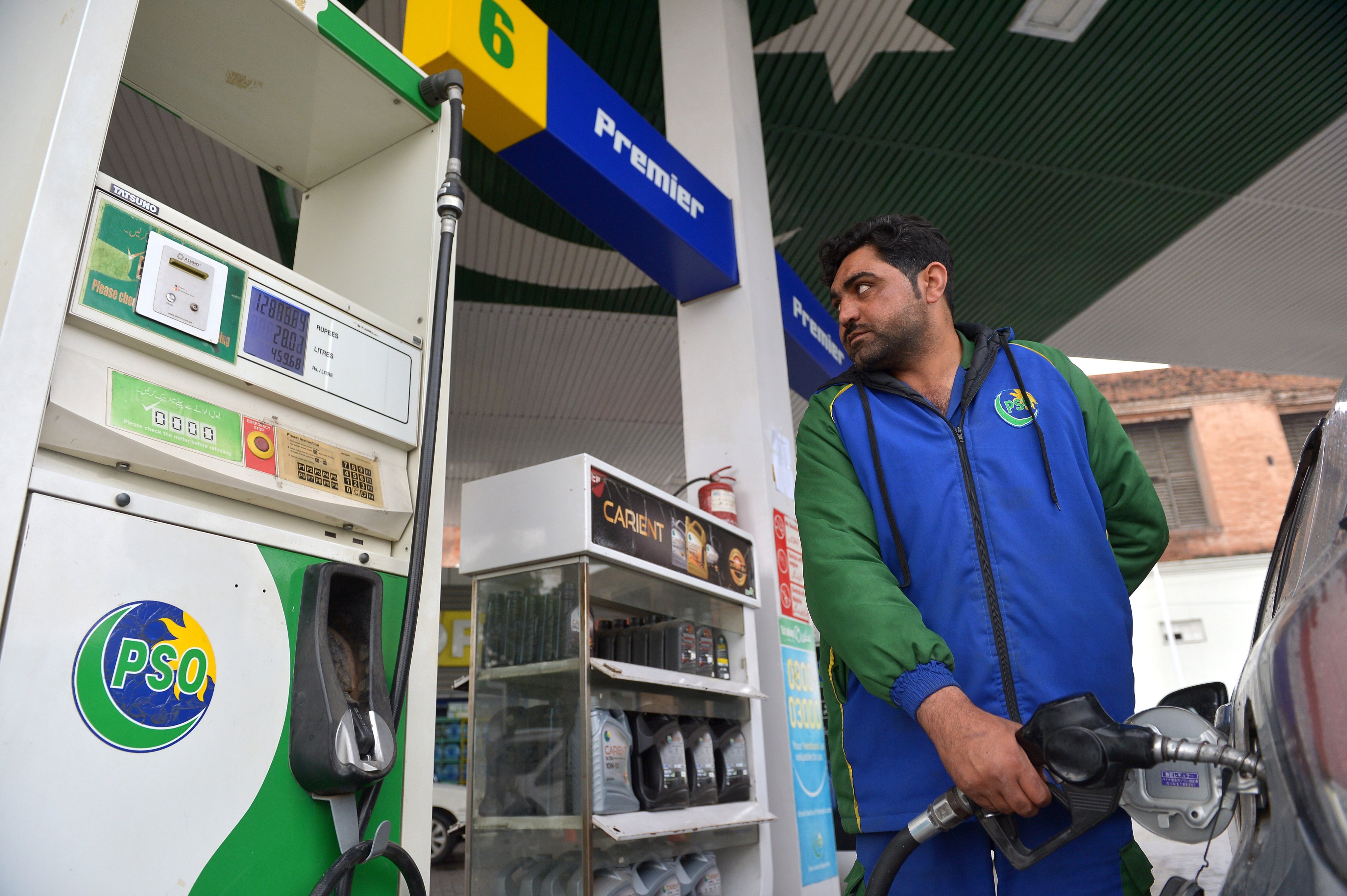
Indian state refiners are hemorrhaging ₹1,600-1,700 crore daily as Prime Minister Modi's conservation appeal masks a brutal arithmetic: current losses of ₹18 per litre on petrol and ₹35 per litre on diesel cannot be sustained beyond the next 2-3 months without triggering either sharp retail price hikes or massive government bailouts. Modi's Saturday speech in Hyderabad, urging restraint in fuel consumption while warning of "near-term price rises," reflects a government caught between political toxicity of fuel price hikes and financial collapse of state oil marketing companies (OMCs). With Brent crude trading above $103 per barrel and the IEA warning 14 million barrels per day remain disrupted by the West Asia conflict, conservation alone cannot bridge a gap this large.
The margin anatomy reveals the political economy trap. State OMCs have absorbed over ₹1 lakh crore in under recoveries over 10 weeks while keeping retail prices unchanged. Indian Oil Corporation (IOC), Bharat Petroleum (BPCL), and Hindustan Petroleum (HPCL) three companies processing 5 million barrels per day and operating 55,000 fuel stations are essentially running a hidden subsidy program worth ₹30,000 crore monthly. This exceeds the annual budget allocation for several ministries. Consider a mid-sized fuel distributor in Maharashtra buying 1,000 kilolitres monthly: at current under-recovery rates, the state is effectively subsidizing ₹35,000 per kilolitre of diesel, or ₹3.5 crore monthly for this single operator. The subsidy flows invisibly through OMC balance sheets rather than explicit budget transfers.
On the buy side, fuel consumers across transport, logistics, and industrial segments continue accessing diesel at artificially suppressed rates ₹35 below cost according to current estimates. A mid-sized trucking fleet running 100 vehicles consuming 300 litres per truck daily saves approximately ₹10.5 lakh per day compared to market-based pricing. This creates false demand signals and prevents efficiency investments. Large industrial buyers cement plants, steel mills, power generators benefit from similar implicit subsidies on furnace oil and diesel, receiving energy below replacement cost. For smaller operators without hedging access regional transport companies, independent fuel retailers, agricultural cooperatives the current pricing provides temporary relief but builds unsustainable expectations.
On the sell side, state refiners face an impossible choice: continue absorbing losses that could exhaust working capital within months, or break the political taboo of fuel price increases during a conflict driven cost spike. Union Petroleum Minister Hardeep Singh Puri acknowledged losses of ₹24 per litre on petrol and ₹30 per litre on diesel in March figures that have likely worsened as crude climbed further. Public sector OMCs trade at depressed price to earnings ratios around 5-6x, reflecting investor concerns about balance sheet sustainability. The government has effectively re-introduced the subsidy regime it officially abandoned in 2014, but now without explicit budget provision or cost-sharing mechanisms that existed during earlier under-recovery periods.
For large integrated energy traders with derivatives access, the current dislocation creates arbitrage opportunities between domestic and international fuel markets, but execution remains constrained by export restrictions and shipping logistics. National oil companies' trading arms can potentially benefit from price differentials, but regulatory constraints limit flexibility. The real opportunity lies in alternative energy investments ethanol blending, solar power, and CNG infrastructure which Modi explicitly promoted as receiving policy support. For midstream operators, this environment rewards those with diversified energy portfolios less dependent on conventional fuel margins.
For smaller regional operators independent fuel distributors, state transport corporations, industrial users without long-term contracts the current pricing provides temporary advantages but builds dangerous dependency. These operators lack the sophisticated hedging tools available to integrated players and remain vulnerable to sudden price corrections. The most likely near-term scenario involves ₹4-5 per litre increases on petrol and diesel, which would restore partial cost recovery but still leave OMCs absorbing meaningful losses. Regional operators must prepare for this adjustment through inventory management and contract renegotiation.
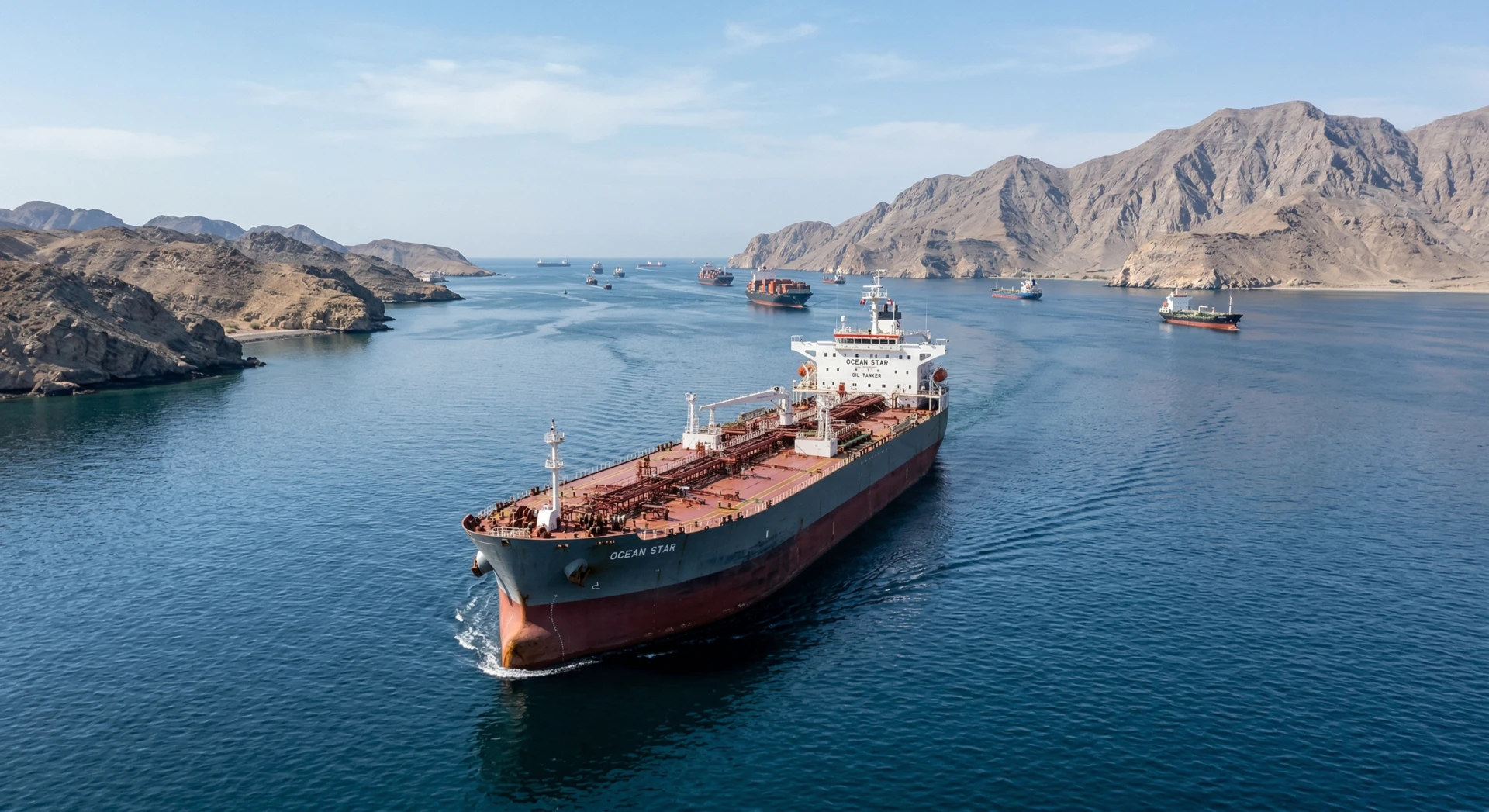
The supply chain reality anchors these financial pressures in physical constraints. The West Asia conflict disrupts India's import of 40% of crude oil, 90% of cooking gas LPG, and 65% of natural gas. The Strait of Hormuz has remained largely closed since late February, disrupting global crude flows and forcing India to source alternative supplies at premiums. Crude carriers now take longer routes, adding 10-15 days transit time and $2-3 per barrel in freight costs. India's 254 million tonne annual refining capacity can process alternative crude, but optimization requires 4-6 weeks for feedstock adjustment, during which yields and margins suffer.
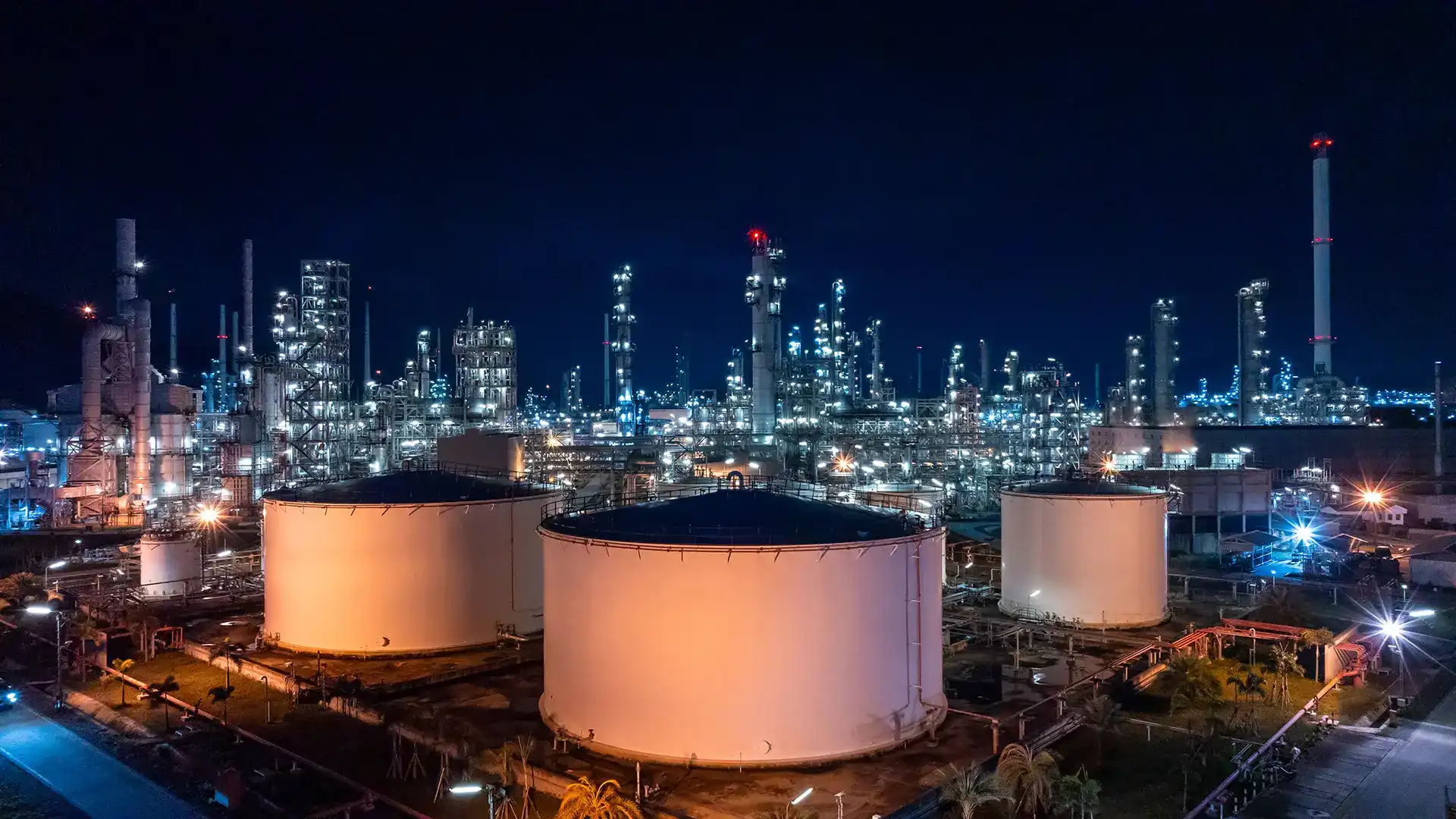
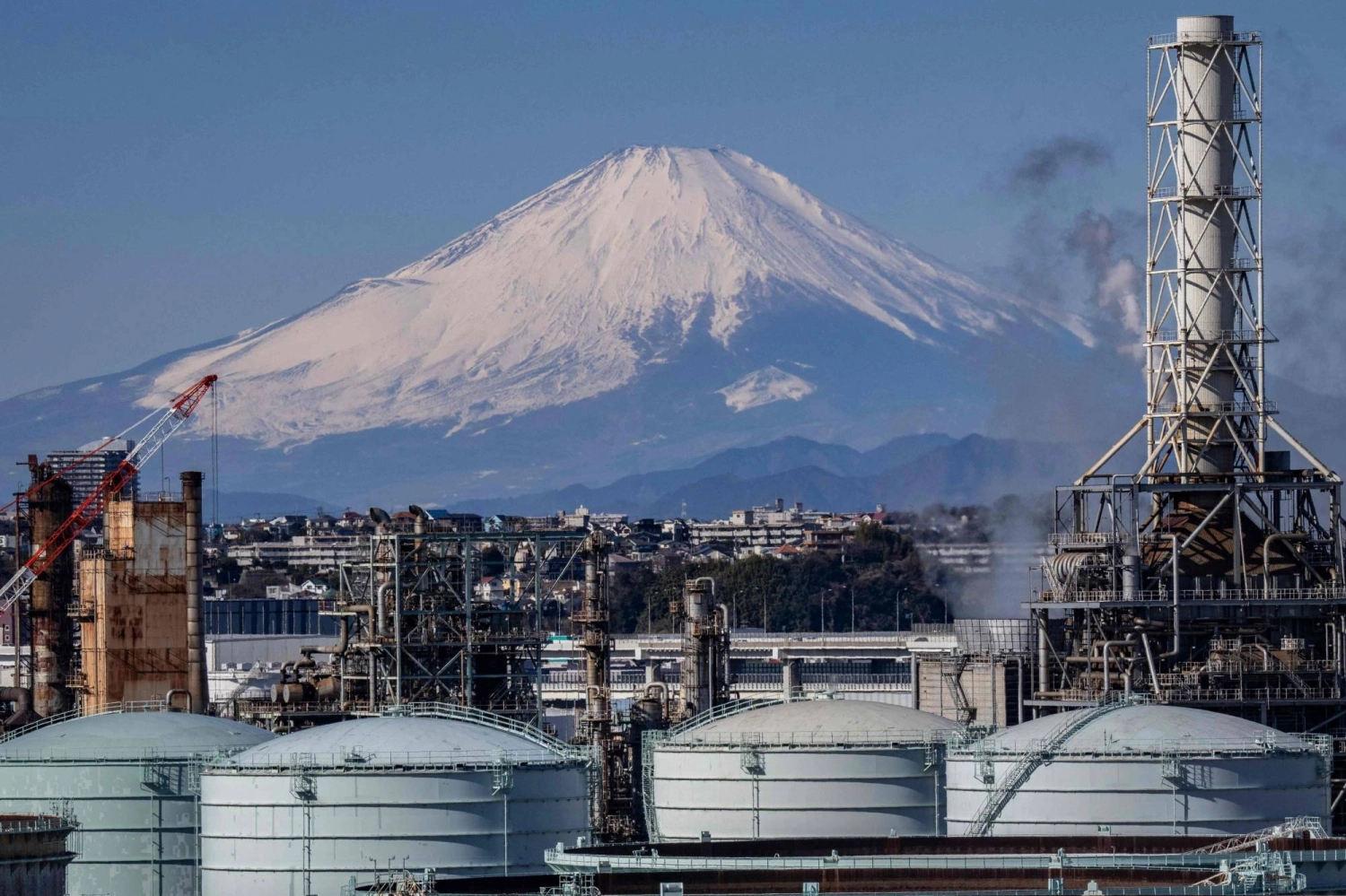
A worked example illustrates the unsustainable mathematics. Take IOC's Panipat refinery processing 300,000 barrels per day: at current crude costs of $103 per barrel and diesel yields of 35%, each barrel produces roughly 58 litres of diesel costing ₹456 to produce (including refining costs). Selling at current retail prices of approximately ₹94 per litre generates ₹545 per barrel worth of diesel a loss of ₹89 per barrel on diesel alone, before considering petrol and other products. Processing 300,000 barrels daily means this single refinery loses ₹26.7 million daily, or ₹975 crore annually, just on diesel production. Multiply across India's refining capacity and the scale of unsustainability becomes clear.
Observers should monitor retail fuel price announcements expected before May 15 as the clearest signal of policy resolution. If prices remain frozen beyond mid-May despite OMC losses exceeding ₹35,000 crore monthly, expect explicit government compensation mechanisms or emergency lending facilities for state refiners. The alternative allowing OMCs to exhaust working capital would trigger fuel supply disruptions within 60-90 days. Government excise duty cuts currently cost ₹14,000 crore monthly, but this fiscal measure cannot bridge gaps of the current magnitude. Track IOC, BPCL, and HPCL quarterly results for under-recovery disclosures and working capital borrowing levels as definitive measures of sustainability.
.jpg)

'%3e%3cg id='Final-Copy-2_2_' transform='translate(1275.000000, 200.000000)'%3e%3cpath class='st0' d='M7.4,12.8h6.8l3.1-11.6H7.4C4.2,1.2,1.6,3.8,1.6,7S4.2,12.8,7.4,12.8z'/%3e%3c/g%3e%3c/g%3e%3c/g%3e%3cg id='final---dec.11-2020'%3e%3cg id='_x30_208-our-toggle' transform='translate(-1275.000000, -200.000000)'%3e%3cg id='Final-Copy-2' transform='translate(1275.000000, 200.000000)'%3e%3cpath class='st1' d='M22.6,0H7.4c-3.9,0-7,3.1-7,7s3.1,7,7,7h15.2c3.9,0,7-3.1,7-7S26.4,0,22.6,0z M1.6,7c0-3.2,2.6-5.8,5.8-5.8 h9.9l-3.1,11.6H7.4C4.2,12.8,1.6,10.2,1.6,7z'/%3e%3cpath id='x' class='st2' d='M24.6,4c0.2,0.2,0.2,0.6,0,0.8l0,0L22.5,7l2.2,2.2c0.2,0.2,0.2,0.6,0,0.8c-0.2,0.2-0.6,0.2-0.8,0 l0,0l-2.2-2.2L19.5,10c-0.2,0.2-0.6,0.2-0.8,0c-0.2-0.2-0.2-0.6,0-0.8l0,0L20.8,7l-2.2-2.2c-0.2-0.2-0.2-0.6,0-0.8 c0.2-0.2,0.6-0.2,0.8,0l0,0l2.2,2.2L23.8,4C24,3.8,24.4,3.8,24.6,4z'/%3e%3cpath id='y' class='st3' d='M12.7,4.1c0.2,0.2,0.3,0.6,0.1,0.8l0,0L8.6,9.8C8.5,9.9,8.4,10,8.3,10c-0.2,0.1-0.5,0.1-0.7-0.1l0,0 L5.4,7.7c-0.2-0.2-0.2-0.6,0-0.8c0.2-0.2,0.6-0.2,0.8,0l0,0L8,8.6l3.8-4.5C12,3.9,12.4,3.9,12.7,4.1z'/%3e%3c/g%3e%3c/g%3e%3c/g%3e%3c/g%3e%3c/svg%3e) Privacy Choices
Privacy Choices