.avif)
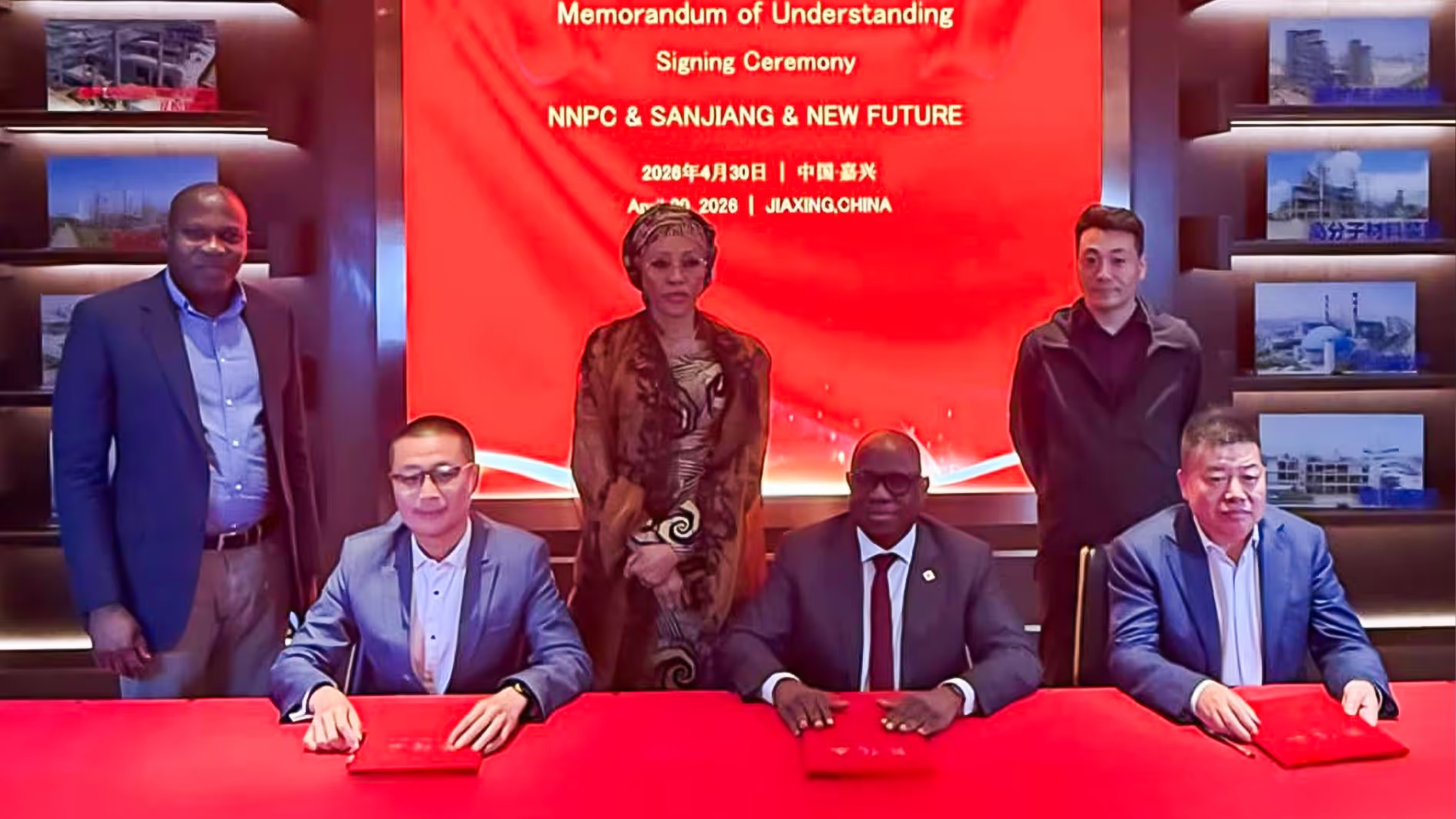
West African refined product importers face potential volume reductions worth approximately $3-4 billion annually if Nigeria successfully restarts its Port Harcourt and Warri refineries through a new Chinese partnership, with NNPC signing a memorandum of understanding with Sanjiang Chemical Company and Xingcheng (Fuzhou) Industrial Park Operation and Management for a "technical equity partnership" announced May 4, 2026.
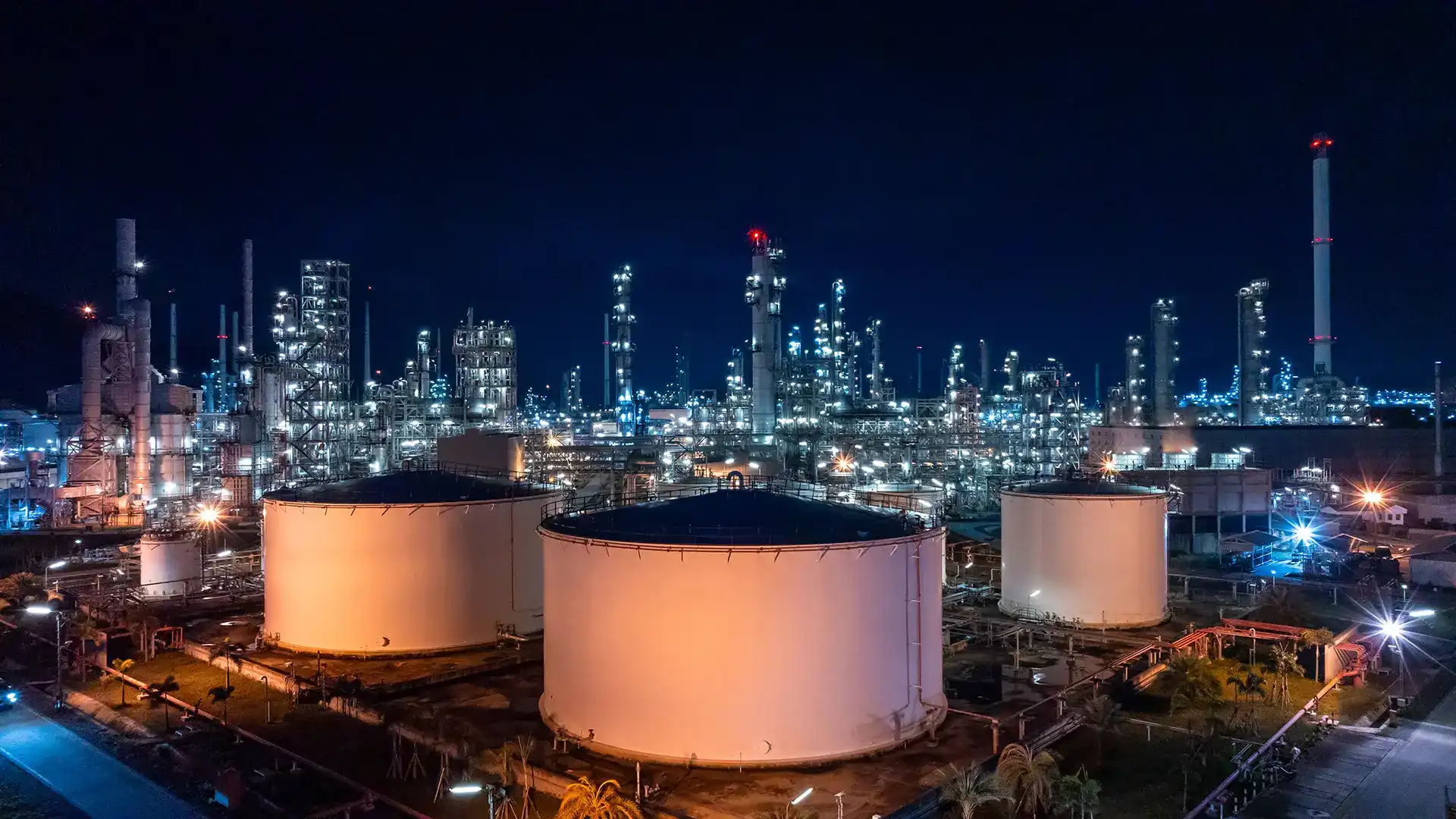
A technical equity partnership (TEP) differs fundamentally from traditional contracting arrangements by giving foreign partners an ownership stake in operational assets rather than fixed-fee service contracts. The Port Harcourt refineries have a total crude distillation capacity of 210,000 barrels per day while the Warri refinery has a distillation capacity of 125,000 barrels per day, representing a combined capacity of 335,000 barrels per day if successfully restarted. Consider a typical refined product cargo from Amsterdam-Rotterdam-Antwerp (ARA) to Lagos: 30,000 tonnes of gasoline costs approximately $35-40 million at current Brent prices around $108/barrel, plus $800,000-1.2 million in freight and logistics. Nigeria's domestic refining capacity of 335,000 bpd would displace roughly 8-10 such monthly cargoes worth $300-400 million, directly affecting European and Middle Eastern suppliers who have dominated West African fuel markets for decades.
NNPC had reactivated the refineries in 2024 but shut them down again within a year, with operations remaining largely inactive since May 24, 2025. Nigeria has spent over ₦11 trillion ($25 billion) on failed refinery rehabilitation efforts since 2010, with previous partnerships plagued by delays and underperformance. The new Chinese arrangement shifts risk allocation by requiring equity participation meaning partners lose money if operations fail, unlike traditional engineering, procurement, and construction contracts where contractors receive payment regardless of long-term performance. The potential framework would cover completion of outstanding work at the refineries, together with operating and maintaining both facilities to achieve "best-in-class, sustainable performance".
On the buy side, major fuel importers including Vitol, Trafigura, and regional distributors face margin compression as domestic Nigerian supply potentially undercuts import economics by $3-8 per barrel through eliminated freight, insurance, and port charges. On the sell side, Chinese partners gain operational control of strategic refining assets plus petrochemicals expansion opportunities in Nigeria's gas-rich Niger Delta region. For smaller regional operators independent fuel distributors and cooperative buyers across West Africa successful Nigerian refining restart means potential access to closer, cheaper supply sources, reducing working capital requirements and foreign exchange exposure that currently burden smaller importers purchasing from European or Middle Eastern suppliers.
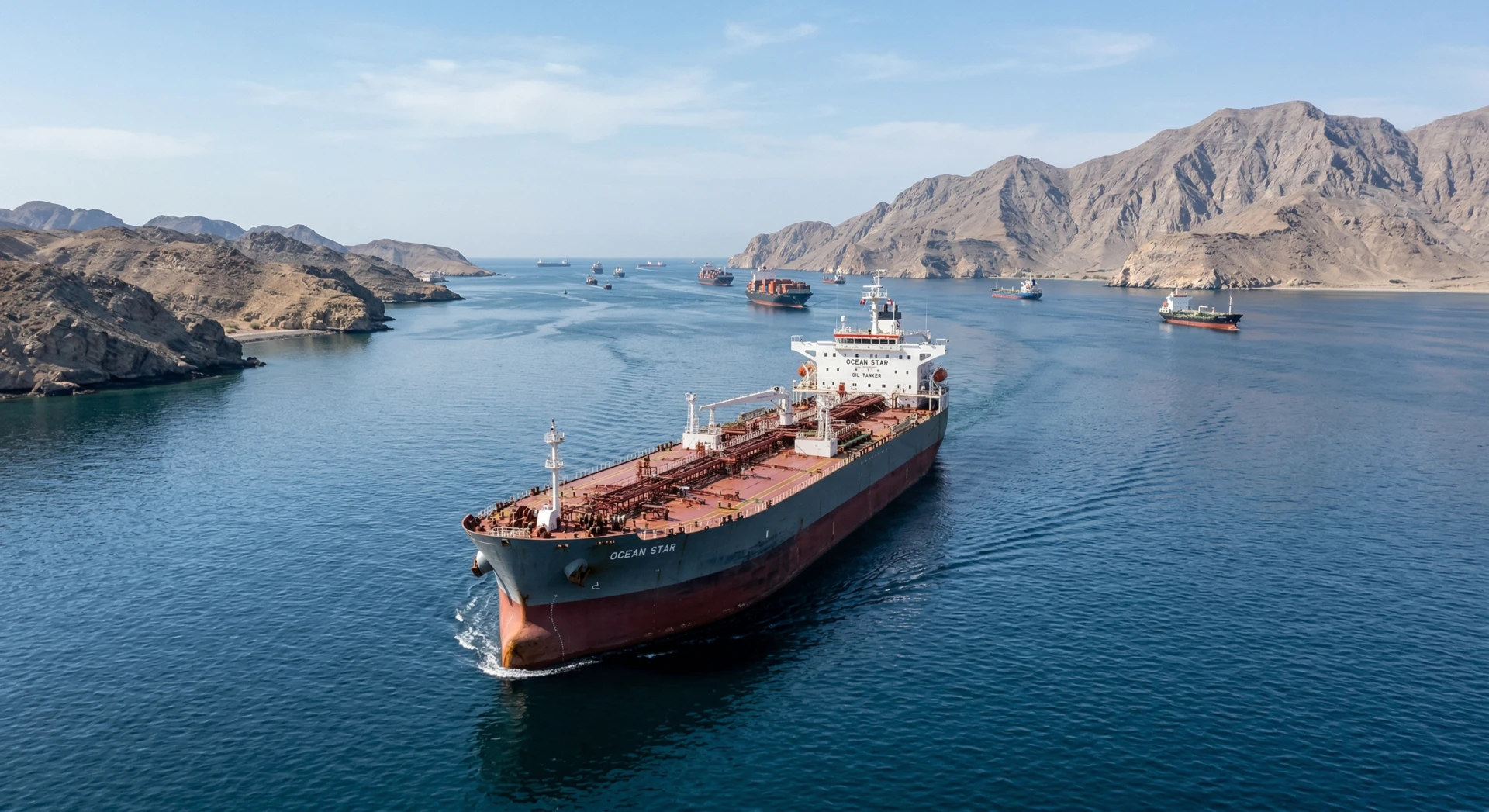
The emergence of the Dangote Refinery one of the world's largest single-train refineries has already begun reducing reliance on imports and repositioning the country as a potential net exporter of refined products, with the refinery reaching full capacity as of February 2026. Nigeria's refining restart occurs as US and Iranian forces exchanged fire in the Strait of Hormuz while US forces defended commercial ships from drones and small boats, highlighting the strategic value of Atlantic Basin refining capacity. Watch Nigerian refined product exports to neighboring markets if Port Harcourt and Warri achieve sustained operations by Q4 2026, expect reduced ARA-West Africa gasoline arbitrage opportunities and potential supply agreements with Ghana, Benin, and Togo by early 2027.

.jpg)

'%3e%3cg id='Final-Copy-2_2_' transform='translate(1275.000000, 200.000000)'%3e%3cpath class='st0' d='M7.4,12.8h6.8l3.1-11.6H7.4C4.2,1.2,1.6,3.8,1.6,7S4.2,12.8,7.4,12.8z'/%3e%3c/g%3e%3c/g%3e%3c/g%3e%3cg id='final---dec.11-2020'%3e%3cg id='_x30_208-our-toggle' transform='translate(-1275.000000, -200.000000)'%3e%3cg id='Final-Copy-2' transform='translate(1275.000000, 200.000000)'%3e%3cpath class='st1' d='M22.6,0H7.4c-3.9,0-7,3.1-7,7s3.1,7,7,7h15.2c3.9,0,7-3.1,7-7S26.4,0,22.6,0z M1.6,7c0-3.2,2.6-5.8,5.8-5.8 h9.9l-3.1,11.6H7.4C4.2,12.8,1.6,10.2,1.6,7z'/%3e%3cpath id='x' class='st2' d='M24.6,4c0.2,0.2,0.2,0.6,0,0.8l0,0L22.5,7l2.2,2.2c0.2,0.2,0.2,0.6,0,0.8c-0.2,0.2-0.6,0.2-0.8,0 l0,0l-2.2-2.2L19.5,10c-0.2,0.2-0.6,0.2-0.8,0c-0.2-0.2-0.2-0.6,0-0.8l0,0L20.8,7l-2.2-2.2c-0.2-0.2-0.2-0.6,0-0.8 c0.2-0.2,0.6-0.2,0.8,0l0,0l2.2,2.2L23.8,4C24,3.8,24.4,3.8,24.6,4z'/%3e%3cpath id='y' class='st3' d='M12.7,4.1c0.2,0.2,0.3,0.6,0.1,0.8l0,0L8.6,9.8C8.5,9.9,8.4,10,8.3,10c-0.2,0.1-0.5,0.1-0.7-0.1l0,0 L5.4,7.7c-0.2-0.2-0.2-0.6,0-0.8c0.2-0.2,0.6-0.2,0.8,0l0,0L8,8.6l3.8-4.5C12,3.9,12.4,3.9,12.7,4.1z'/%3e%3c/g%3e%3c/g%3e%3c/g%3e%3c/g%3e%3c/svg%3e) Privacy Choices
Privacy Choices