.avif)

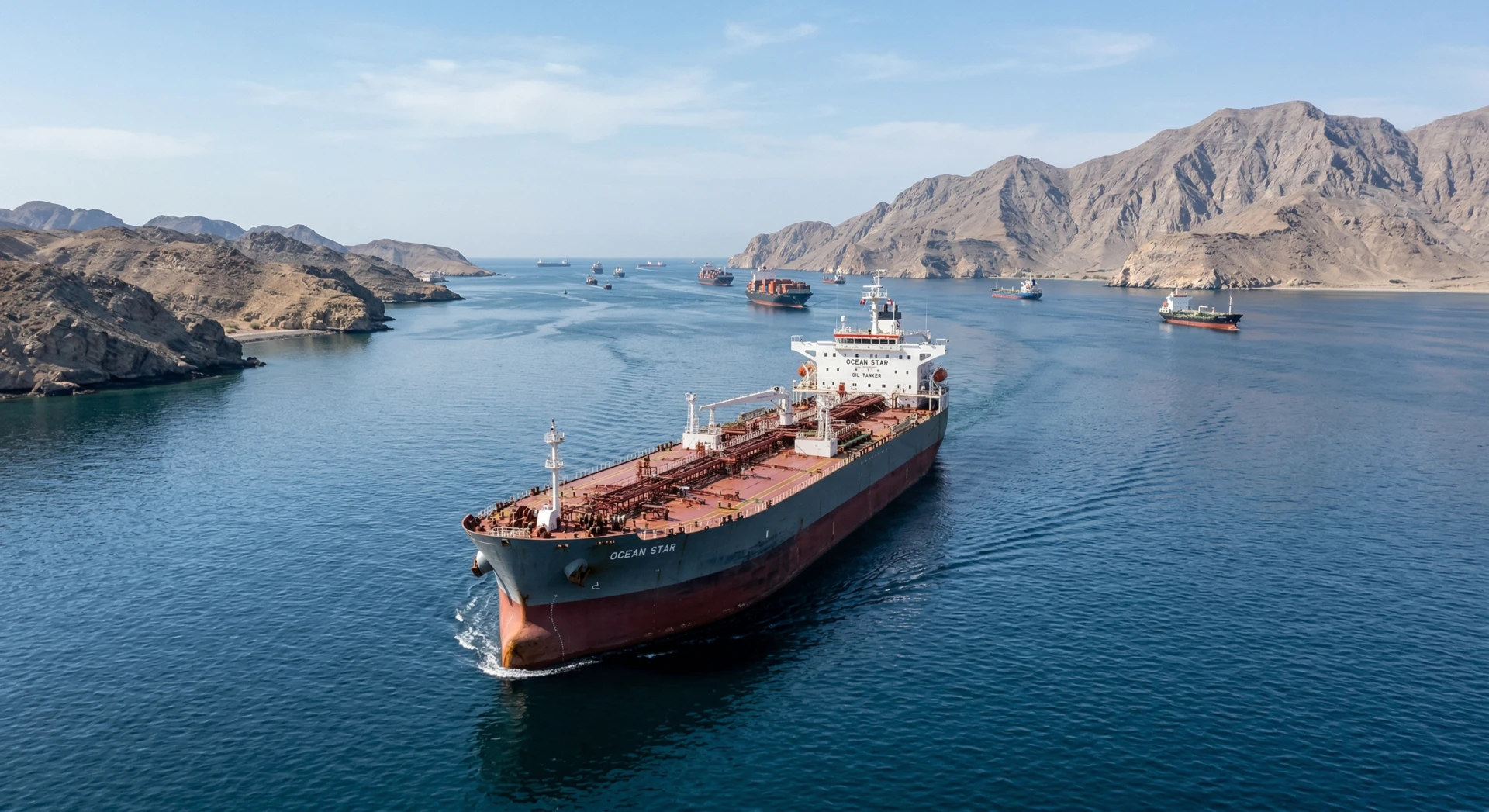
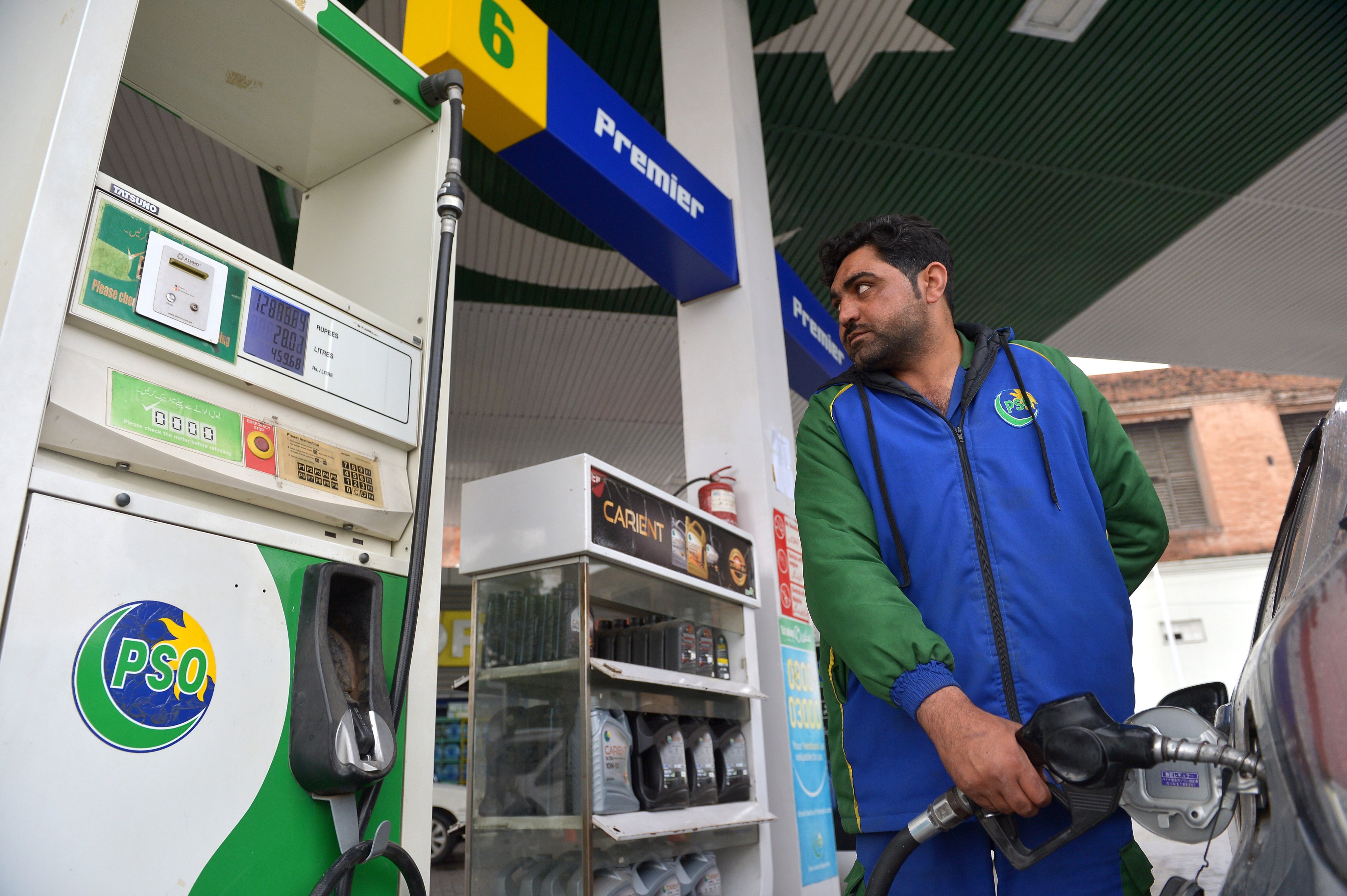
Pakistani refined product importers face margin compression of $15-25 per metric tonne (MT) as geopolitical disruptions force route diversification away from the Strait of Hormuz, with Pakistan State Oil (PSO) scrambling to secure bilateral supply agreements with Oman before the April-June peak demand season. Pakistan's three March petrol cargoes and one diesel shipment from Omani ports typically 30,000-40,000 MT each now require 12-15 day transit times via alternative Fujairah and Red Sea routes versus traditional 7-10 day Hormuz passages. This extended voyage translates to additional financing costs of approximately $8-12/MT for letters of credit (LCs) bank guarantees ensuring payment upon document presentation while alternative routing adds $10-15/MT in freight premiums. For PSO's monthly import requirement of roughly 400,000 MT refined products, these combined cost increases represent $6-10 million in additional monthly expenses that must either compress margins or pass through to domestic consumers already facing government mandated fuel conservation measures.
On the buy side, Pakistan State Oil leverages its government backing to negotiate preferential pricing arrangements with Oman Trading International, potentially securing crude and refined products at discounts of $2-5/MT below prevailing spot rates in exchange for diplomatic relationship capital and longer-term offtake commitments. PSO's status as a state-owned enterprise provides implicit sovereign guarantee backing that reduces counterparty risk for Omani suppliers, enabling access to bilateral credit facilities that private Pakistani importers cannot secure. However, this preferential access comes with volume commitments that reduce PSO's flexibility to optimize spot market opportunities. On the sell side, Omani suppliers gain diversified outlet exposure while building strategic relationships that insulate them from broader regional demand volatility. Oman Trading International particularly benefits from guaranteed PSO offtake volumes that provide revenue visibility amid uncertain regional export flows, justifying the modest pricing concessions offered within the bilateral framework.
For large integrated trading houses with derivatives access, the Hormuz disruption creates arbitrage opportunities worth $8-15/MT for those positioned in alternative route logistics. Companies like Vitol or Trafigura with Fujairah storage assets and Red Sea shipping networks can source refined products at traditional Persian Gulf pricing and capture freight premiums by delivering via alternative corridors. These operators deploy time spread hedging strategies using Brent crude futures and gasoil swaps to lock in margins while managing voyage duration risk. Conversely, mid-tier Pakistani importers without government backing face credit facility constraints that limit their ability to extend LC tenors for longer alternative routes. A typical Pakistani private importer handling 50,000 MT monthly volumes now requires $3-4 million additional working capital to manage extended transit financing, forcing many to reduce import volumes or exit refined product trade entirely. Regional banks confirm increased scrutiny of Pakistani import financing requests, with LC confirmation spreads widening 25-50 basis points due to perceived geopolitical exposure.
Smaller operators without derivatives access bear the most acute margin pressure as they cannot hedge against voyage duration risk or access preferential bilateral pricing. Independent Pakistani fuel distributors typically operate on $20-30/MT gross margins before the route disruption, with the additional $15-25/MT in freight and financing costs effectively eliminating profitability on many transactions. These operators increasingly depend on domestic credit facilities from Pakistani banks rather than international trade finance, but local banking sector liquidity constraints limit available financing for extended import cycles. The consequence cascades through Pakistan's retail fuel distribution network, where independent operators either reduce throughput or demand higher wholesale margins from PSO, creating upward pressure on consumer fuel prices. Some smaller distributors report switching from 45-day to 60-day payment terms with PSO to manage cash flow timing, indicating working capital stress throughout the domestic supply chain even before seasonal demand peaks in the approaching summer months.
The financing dimension reveals how geopolitical disruption reshapes trade architecture beyond simple price adjustments. Traditional 30-day sight LCs that financed most Pakistan refined product imports through Hormuz corridors now require 45-50 day tenors for Fujairah routing and up to 60 days for Red Sea alternatives. Pakistani banks face increased exposure duration to regional risk while Omani and UAE banks demand higher confirmation fees from correspondent relationships. Trade finance costs for Pakistani importers increase by approximately 20-30% purely from extended credit periods, before accounting for any risk premium adjustments. The bilateral framework between PSO and Oman Trading International effectively creates a government to government credit facility that bypasses commercial banking constraints, but this arrangement covers only a fraction of Pakistan's total refined product import requirements. Private sector importers increasingly rely on pre-financing arrangements where suppliers extend 90-120 day credit terms at higher margins rather than traditional documentary credit structures.
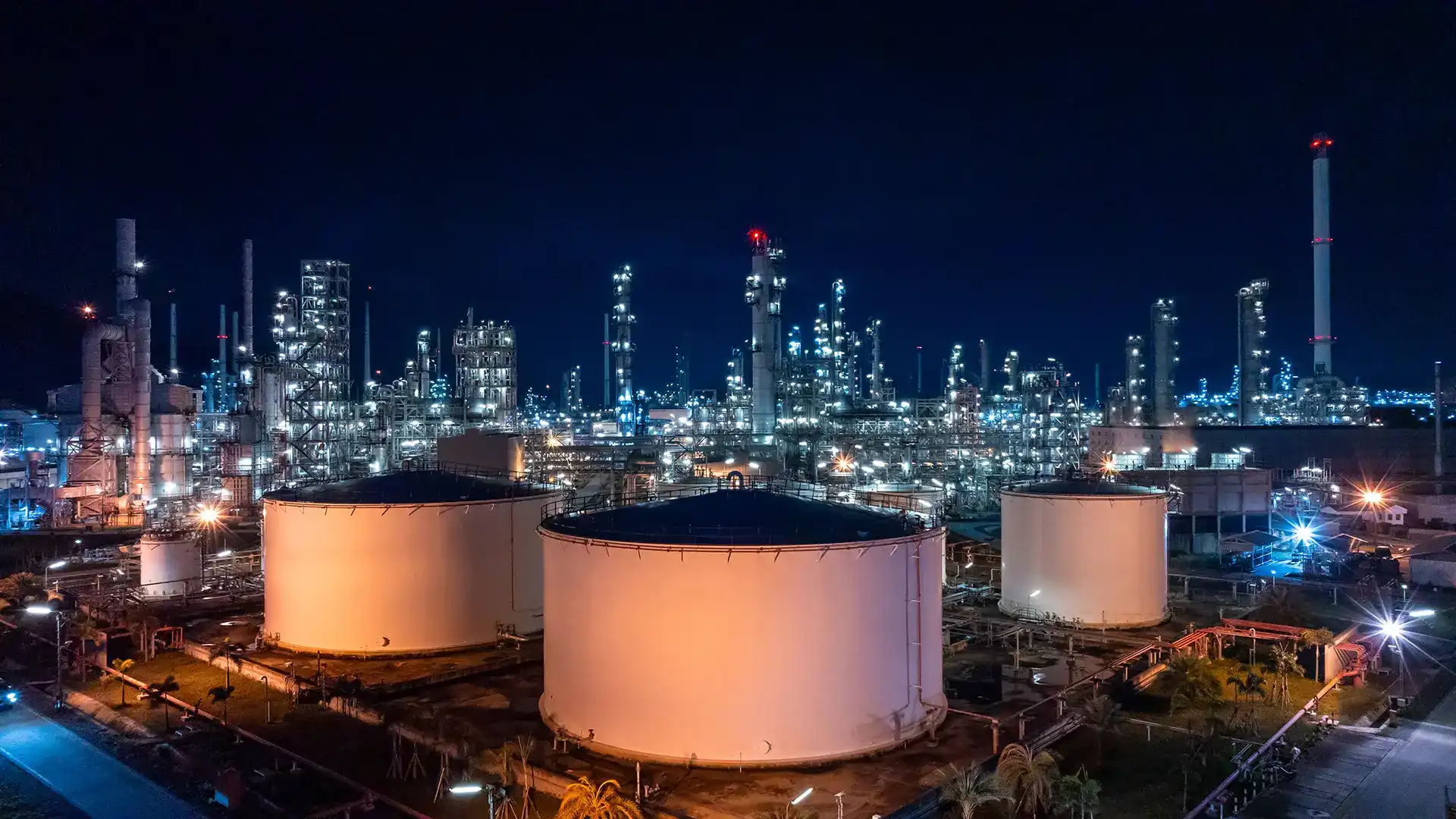
Fujairah emerges as the primary beneficiary of this supply chain reconfiguration, with storage tank utilization rates increasing 15-20% as traders use the emirate as a hub for Pakistan bound refined product shipments. Fujairah's strategic positioning outside the Strait of Hormuz allows continued receipt of Saudi and UAE production while maintaining efficient onward routing to Pakistan via established shipping lanes. Storage operators in Fujairah report increased demand for medium-term tank leases (30-60 days) as traders build inventory buffers to manage extended voyage times, with tank rental rates increasing approximately 25-30% since January 2026. This storage premium adds another $3-5/MT to total delivered costs for Pakistani imports but provides crucial supply security during peak demand periods. The shift also benefits Red Sea shipping operators, where vessel charter rates for product tankers on Saudi-Pakistan routes have increased 20-25% due to increased demand for alternative corridor capacity, though this route adds 5-7 days to traditional transit times.
Looking forward, Pakistan's refined product import landscape faces structural transformation as temporary disruption responses become permanent supply diversification strategies. PSO's negotiations with Oman Trading International signal recognition that Hormuz dependency creates unacceptable supply security risk, justifying higher acquisition costs for route diversification. However, Pakistan's foreign exchange reserves currently sufficient for 2.5-3 months of imports according to State Bank of Pakistan data may struggle to absorb the additional $50-80 million monthly import costs if disruptions persist through the peak summer demand season. The government's fuel conservation measures indicate domestic price support mechanisms are reaching limits, suggesting consumer price increases of 8-12% may be necessary to maintain import capacity. Private sector importers face a binary choice: either secure expensive alternative route financing or exit the market, potentially consolidating Pakistan's refined product import sector around PSO and a few well-capitalized trading houses with government relationship access.
.jpg)
.jpg)
'%3e%3cg id='Final-Copy-2_2_' transform='translate(1275.000000, 200.000000)'%3e%3cpath class='st0' d='M7.4,12.8h6.8l3.1-11.6H7.4C4.2,1.2,1.6,3.8,1.6,7S4.2,12.8,7.4,12.8z'/%3e%3c/g%3e%3c/g%3e%3c/g%3e%3cg id='final---dec.11-2020'%3e%3cg id='_x30_208-our-toggle' transform='translate(-1275.000000, -200.000000)'%3e%3cg id='Final-Copy-2' transform='translate(1275.000000, 200.000000)'%3e%3cpath class='st1' d='M22.6,0H7.4c-3.9,0-7,3.1-7,7s3.1,7,7,7h15.2c3.9,0,7-3.1,7-7S26.4,0,22.6,0z M1.6,7c0-3.2,2.6-5.8,5.8-5.8 h9.9l-3.1,11.6H7.4C4.2,12.8,1.6,10.2,1.6,7z'/%3e%3cpath id='x' class='st2' d='M24.6,4c0.2,0.2,0.2,0.6,0,0.8l0,0L22.5,7l2.2,2.2c0.2,0.2,0.2,0.6,0,0.8c-0.2,0.2-0.6,0.2-0.8,0 l0,0l-2.2-2.2L19.5,10c-0.2,0.2-0.6,0.2-0.8,0c-0.2-0.2-0.2-0.6,0-0.8l0,0L20.8,7l-2.2-2.2c-0.2-0.2-0.2-0.6,0-0.8 c0.2-0.2,0.6-0.2,0.8,0l0,0l2.2,2.2L23.8,4C24,3.8,24.4,3.8,24.6,4z'/%3e%3cpath id='y' class='st3' d='M12.7,4.1c0.2,0.2,0.3,0.6,0.1,0.8l0,0L8.6,9.8C8.5,9.9,8.4,10,8.3,10c-0.2,0.1-0.5,0.1-0.7-0.1l0,0 L5.4,7.7c-0.2-0.2-0.2-0.6,0-0.8c0.2-0.2,0.6-0.2,0.8,0l0,0L8,8.6l3.8-4.5C12,3.9,12.4,3.9,12.7,4.1z'/%3e%3c/g%3e%3c/g%3e%3c/g%3e%3c/g%3e%3c/svg%3e) Privacy Choices
Privacy Choices