.avif)
.avif)
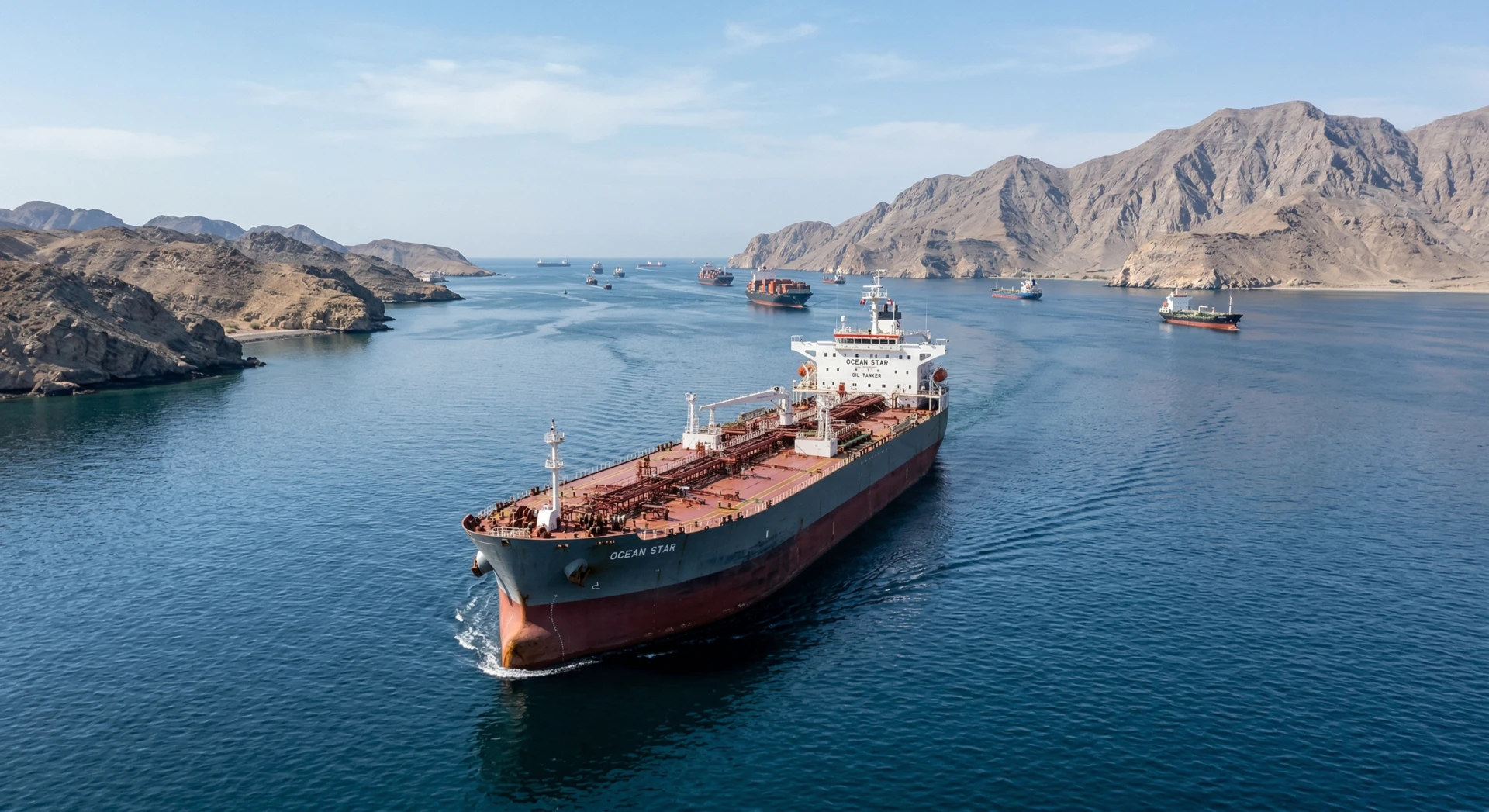
Mumbai jet fuel suppliers face an immediate credit crunch as airline margins collapse into negative territory. ICRA's downgrade to negative outlook signals that carriers' interest coverage ratio will fall to 0.7–0.9 times in FY2026 from 1.8 times in FY2025, meaning airlines cannot service debt from operating cash flows. For jet fuel suppliers extending 30-45 day payment terms, standard practice for aviation turbine fuel (ATF) supply contracts this creates a $200-300 million working capital exposure across India's aviation sector. With 13-15% of the domestic fleet (117 aircraft) already grounded and losses widening to ₹170-180 billion, suppliers must immediately tighten credit terms or face cascading defaults.
The margin squeeze hits from multiple directions as fuel costs surge while airline pricing power remains constrained. ATF rose 5.7% sequentially in March 2026 while Brent crude jumped from $72 to $105 per barrel a $33 spike that translates to roughly ₹2.75 per litre in additional fuel costs. Fuel represents 30-40% of airline operating expenses, meaning a ₹100 crore monthly fuel bill for a mid-sized carrier like Akasa becomes ₹110-112 crore overnight. Airlines have introduced fuel surcharges of 5-6% on ticket prices, but this covers perhaps half the cost impact. West Asia airspace disruptions force longer routing a Mumbai-Dubai flight now burns 15-20% more fuel via alternate corridors, while the weakening rupee (currently near ₹85/$) inflates dollar-linked costs including aircraft leases and maintenance.
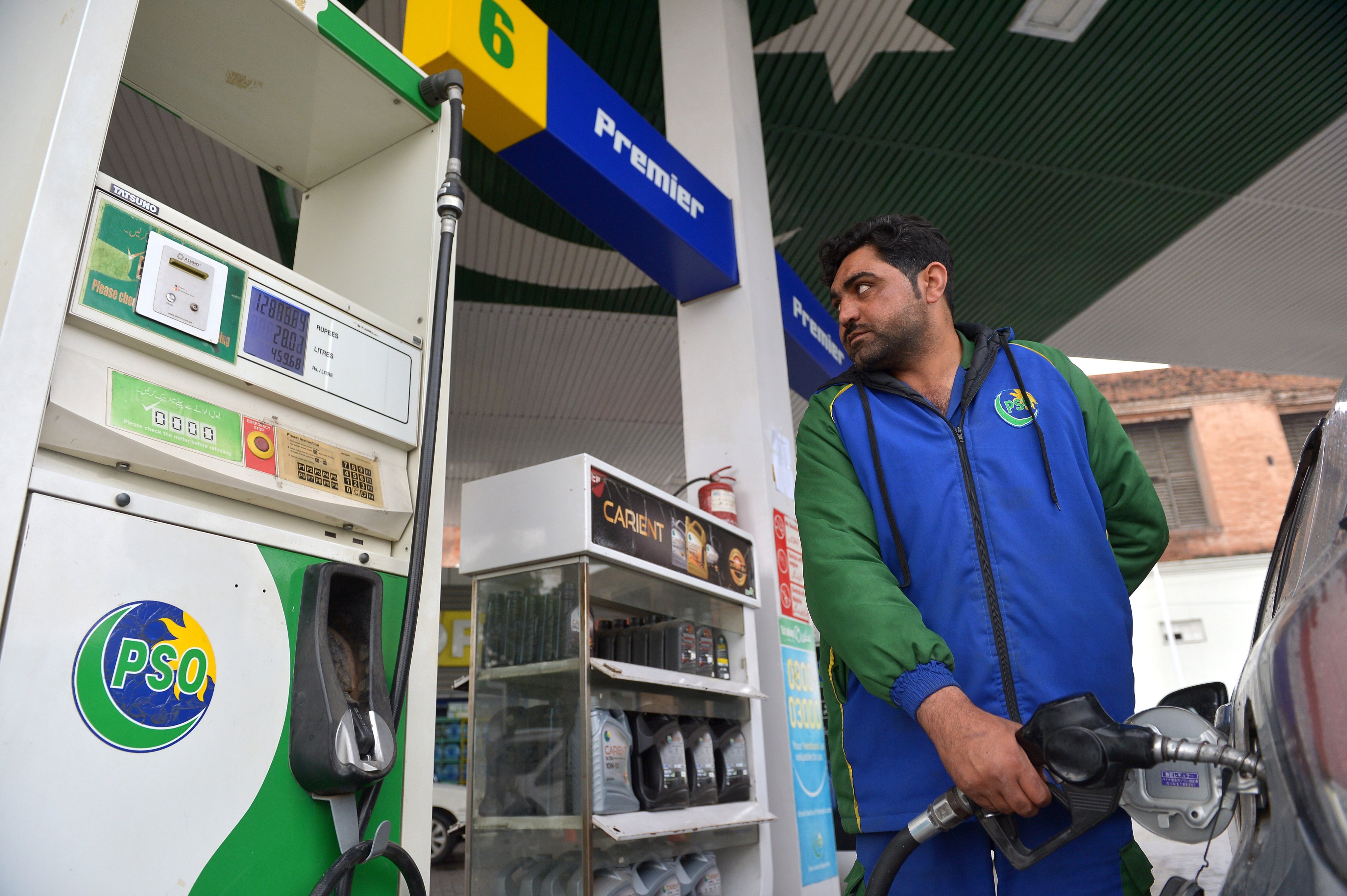
On the supply side, Indian Oil Corporation and Hindustan Petroleum the dominant ATF suppliers at Mumbai, Delhi, and Bangalore airports face a working capital crunch as payment cycles extend. Airlines typically settle ATF invoices in 30-45 days, but deteriorating cash flows mean payment delays stretching to 60-90 days. For IOCL supplying 40-45% of India's ATF demand (roughly 7.5 million tonnes annually), a 30-day payment extension across the airline customer base ties up approximately ₹1,800-2,000 crore in additional working capital. Smaller regional suppliers lack the balance sheet strength to absorb extended payment terms, creating potential supply disruptions at secondary airports where single supplier arrangements are common.
On the buy side, airlines face a liquidity crisis that threatens operational continuity. IndiGo, controlling 60% of domestic market share, has signaled capacity recalibration as costs escalate materially code for potential route cuts and aircraft groundings. With interest coverage below 1x, carriers cannot access additional bank financing without asset backing or promoter guarantees. SpiceJet's experience with fuel supply disruptions in 2022-23, when delayed payments led to fuel rationing provides the template for sector-wide risk. Airlines must either secure letters of credit (LC) bank guarantees that ensure payment upon fuel delivery or accept cash on delivery terms that further strain working capital.
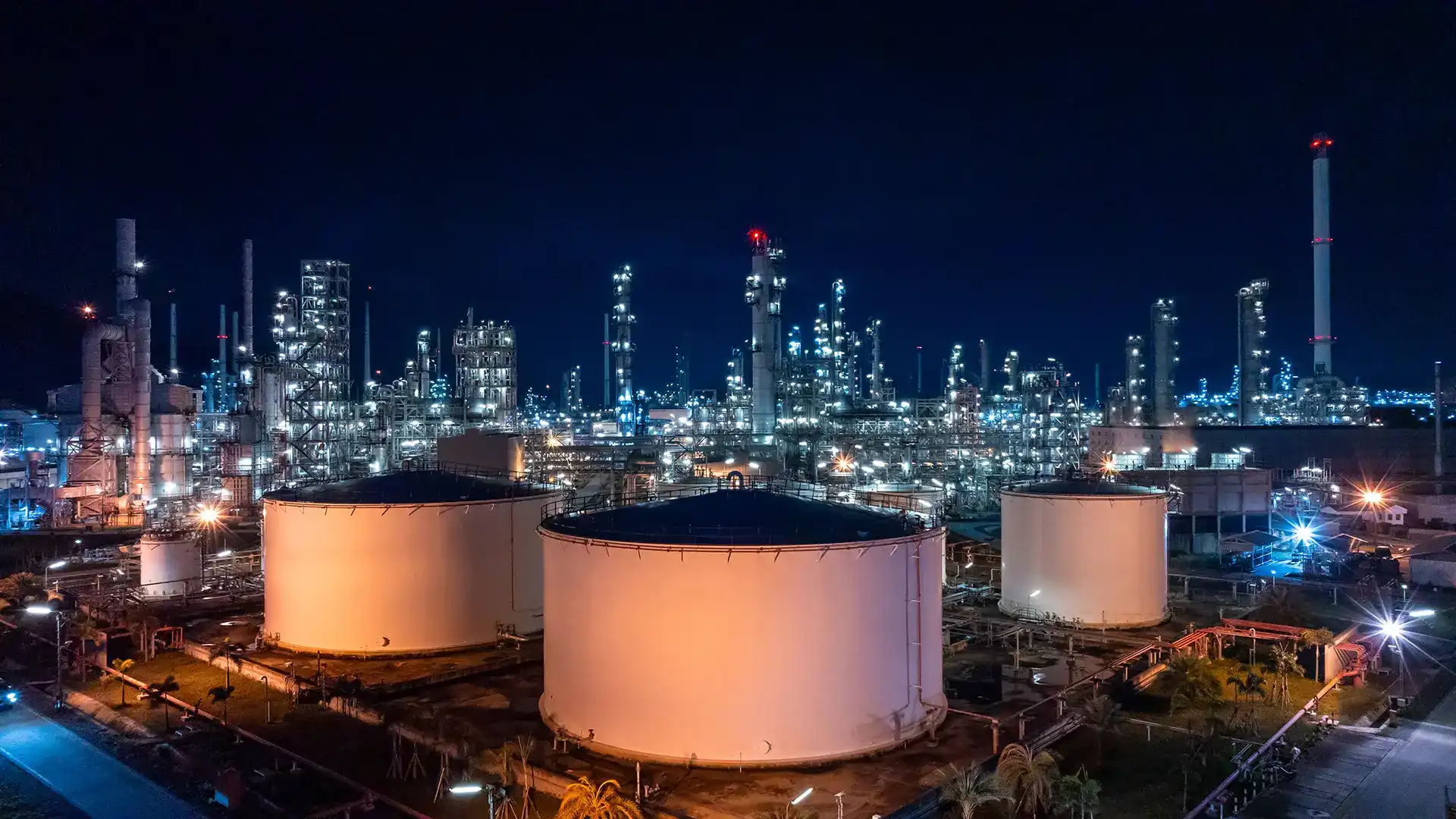
Large integrated oil marketing companies can leverage their refining margins and financial strength to navigate the crisis. IOCL and HPCL benefit from integrated refining operations where crude to ATF processing margins expand during price spikes the crack spread (difference between crude cost and refined product price) for ATF typically widens to $15-20 per barrel during supply disruptions versus $8-12 in normal markets. These companies can offer extended payment terms to financially stable carriers like Air India (backed by Tata Group) while demanding secured payment mechanisms from weaker operators. However, their exposure to airline credit risk remains substantial across a customer base generating negative cash flows.
Smaller fuel suppliers and independent terminal operators face existential pressure without access to integrated refining margins or deep balance sheets. Companies like Shell Aviation or regional distributors operating at secondary airports typically operate on 2-3% net margins in ATF supply razor thin spreads that cannot absorb payment delays beyond 45-60 days. These operators must immediately move to cash on delivery or LC-backed transactions, potentially causing fuel supply disruptions at airports where they hold exclusive supply agreements. The consolidation risk is real: weaker suppliers may exit ATF supply entirely, creating market concentration among larger players with stronger financial capacity.
The path forward requires immediate credit term restructuring and risk-based pricing across the ATF supply chain. Suppliers must implement tiered payment terms cash on delivery for airlines with interest coverage below 1x, LC backing for marginal operators, and traditional 30 day terms only for financially robust carriers with promoter support. The DGCA's removal of airfare caps in December enables airlines to pass through fuel costs but also risks demand destruction if ticket prices rise sharply. Watch Brent crude futures and the rupee-dollar exchange rate through Q2 2026, if crude holds above $100 and the rupee weakens past ₹86/$, additional airline failures become inevitable, cascading into fuel supplier losses that could reshape India's ATF distribution landscape.
.jpg)
.jpg)

'%3e%3cg id='Final-Copy-2_2_' transform='translate(1275.000000, 200.000000)'%3e%3cpath class='st0' d='M7.4,12.8h6.8l3.1-11.6H7.4C4.2,1.2,1.6,3.8,1.6,7S4.2,12.8,7.4,12.8z'/%3e%3c/g%3e%3c/g%3e%3c/g%3e%3cg id='final---dec.11-2020'%3e%3cg id='_x30_208-our-toggle' transform='translate(-1275.000000, -200.000000)'%3e%3cg id='Final-Copy-2' transform='translate(1275.000000, 200.000000)'%3e%3cpath class='st1' d='M22.6,0H7.4c-3.9,0-7,3.1-7,7s3.1,7,7,7h15.2c3.9,0,7-3.1,7-7S26.4,0,22.6,0z M1.6,7c0-3.2,2.6-5.8,5.8-5.8 h9.9l-3.1,11.6H7.4C4.2,12.8,1.6,10.2,1.6,7z'/%3e%3cpath id='x' class='st2' d='M24.6,4c0.2,0.2,0.2,0.6,0,0.8l0,0L22.5,7l2.2,2.2c0.2,0.2,0.2,0.6,0,0.8c-0.2,0.2-0.6,0.2-0.8,0 l0,0l-2.2-2.2L19.5,10c-0.2,0.2-0.6,0.2-0.8,0c-0.2-0.2-0.2-0.6,0-0.8l0,0L20.8,7l-2.2-2.2c-0.2-0.2-0.2-0.6,0-0.8 c0.2-0.2,0.6-0.2,0.8,0l0,0l2.2,2.2L23.8,4C24,3.8,24.4,3.8,24.6,4z'/%3e%3cpath id='y' class='st3' d='M12.7,4.1c0.2,0.2,0.3,0.6,0.1,0.8l0,0L8.6,9.8C8.5,9.9,8.4,10,8.3,10c-0.2,0.1-0.5,0.1-0.7-0.1l0,0 L5.4,7.7c-0.2-0.2-0.2-0.6,0-0.8c0.2-0.2,0.6-0.2,0.8,0l0,0L8,8.6l3.8-4.5C12,3.9,12.4,3.9,12.7,4.1z'/%3e%3c/g%3e%3c/g%3e%3c/g%3e%3c/g%3e%3c/svg%3e) Privacy Choices
Privacy Choices