.avif)
.avif)
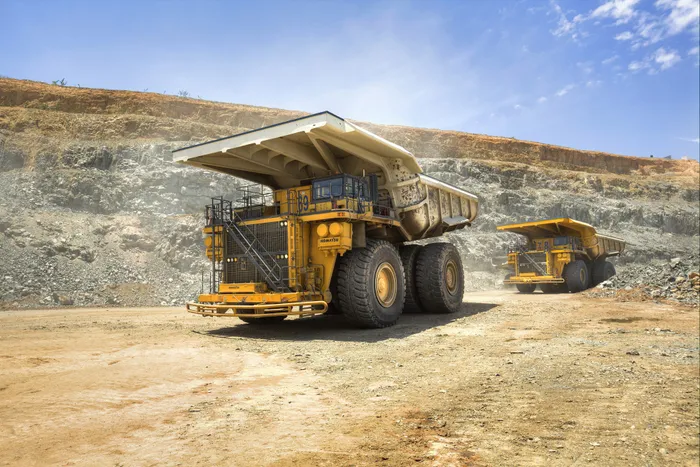
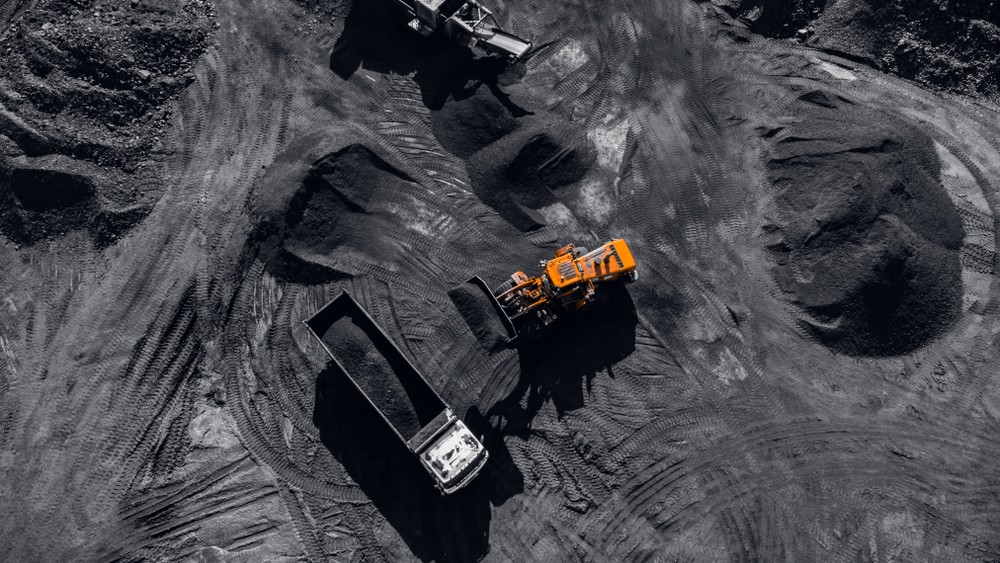
NMDC Limited's record-breaking 16% year on year rise in April 2026 iron ore production to 4.64 million tonnes (MT) creates inventory tensions for domestic steelmakers who now face 960,000 additional tonnes of supply concentration from a single producer at a moment when iron ore prices traded at $107.86/tonne CFR China on May 1, up 9.85% year on year. The production surge was entirely driven by Chhattisgarh operations rising to 3.66 MT from 2.85 MT while Karnataka declined to 0.98 MT from 1.15 MT, creating a grade-quality imbalance that reverberates through India's steel supply chain. NMDC the state-owned National Mineral Development Corporation, which supplies roughly 20% of India's iron ore requirements represents a bellwether for domestic raw material availability, with total sales rising marginally to 3.68 MT from 3.63 MT, indicating potential inventory accumulation at mine-head.
The production-sales gap exposes the fundamental issue: grade quality versus volume tonnage. Chhattisgarh's Bailadila operations typically produce lower grade ore (62-64% Fe content) compared to Karnataka's premium deposits (65-66% Fe), meaning Chhattisgarh production increasing 28% while sales rose only 12% floods the market with ore that requires higher beneficiation costs. For a mid-sized integrated steelmaker operating a 2 million tonne annual capacity plant, this grade differential translates to approximately $3-5 additional cost per tonne of finished steel when sourcing from lower-grade Chhattisgarh ore versus Karnataka material. The 960,000 MT additional production represents roughly 15-20 days of consumption for India's entire steel industry, but the grade composition creates procurement headaches for quality-sensitive integrated mills.
On the buy side: Domestic integrated steelmakers (Tata Steel, JSW Steel, SAIL) benefit from increased supply availability but face grade-mix challenges. A typical 5 million tonne capacity integrated steel plant requires approximately 8 million tonnes of iron ore annually NMDC's incremental 960,000 MT covers roughly 12% of one major plant's annual requirement, providing supply security but potentially at suboptimal grades. On the sell side: NMDC benefits from inventory appreciation potential if India's projected 8% iron ore production growth to 340-345 million tonnes in FY2026-27 creates supply tightness later in the fiscal year. The miner's timing advantage starting fiscal year with high inventory levels positions it well if seasonal demand patterns accelerate in the monsoon construction season.
For large integrated traders with derivatives access: Hedge grade-differential risk through TSI Iron Ore 62% Fe CFR China futures contracts (currently trading around $108/tonne) while establishing physical positions in higher-grade Karnataka ore from smaller producers to blend with NMDC's Chhattisgarh volumes. The 0.96 MT monthly production increase can be hedged via approximately 15-20 monthly futures contracts. For smaller regional steel processors mini-mills, sponge iron producers, pellet manufacturers without derivatives access: Negotiate term contracts directly with NMDC for grade-specific pricing, securing fixed-percentage discounts to published rates based on actual Fe content rather than nominal grades, and diversify sourcing to include 30-40% higher-grade Karnataka ore from merchant miners.
Watch NMDC's monthly production pattern through June 2026 monsoon onset. NMDC achieved record production of 53 million tonnes in FY2025-26, up 21% year-on-year, establishing a high baseline for comparison. If production-sales gaps persist beyond June typically India's steel consumption acceleration month it signals structural oversupply requiring either export market activation or domestic price adjustments. Monitor the Chhattisgarh-Karnataka production ratio: any reversion toward Karnataka (higher-grade) production growth above 5% monthly would indicate NMDC prioritizing value over volume, potentially tightening premium-grade supply and benefiting integrated mills with long-term term contracts.




'%3e%3cg id='Final-Copy-2_2_' transform='translate(1275.000000, 200.000000)'%3e%3cpath class='st0' d='M7.4,12.8h6.8l3.1-11.6H7.4C4.2,1.2,1.6,3.8,1.6,7S4.2,12.8,7.4,12.8z'/%3e%3c/g%3e%3c/g%3e%3c/g%3e%3cg id='final---dec.11-2020'%3e%3cg id='_x30_208-our-toggle' transform='translate(-1275.000000, -200.000000)'%3e%3cg id='Final-Copy-2' transform='translate(1275.000000, 200.000000)'%3e%3cpath class='st1' d='M22.6,0H7.4c-3.9,0-7,3.1-7,7s3.1,7,7,7h15.2c3.9,0,7-3.1,7-7S26.4,0,22.6,0z M1.6,7c0-3.2,2.6-5.8,5.8-5.8 h9.9l-3.1,11.6H7.4C4.2,12.8,1.6,10.2,1.6,7z'/%3e%3cpath id='x' class='st2' d='M24.6,4c0.2,0.2,0.2,0.6,0,0.8l0,0L22.5,7l2.2,2.2c0.2,0.2,0.2,0.6,0,0.8c-0.2,0.2-0.6,0.2-0.8,0 l0,0l-2.2-2.2L19.5,10c-0.2,0.2-0.6,0.2-0.8,0c-0.2-0.2-0.2-0.6,0-0.8l0,0L20.8,7l-2.2-2.2c-0.2-0.2-0.2-0.6,0-0.8 c0.2-0.2,0.6-0.2,0.8,0l0,0l2.2,2.2L23.8,4C24,3.8,24.4,3.8,24.6,4z'/%3e%3cpath id='y' class='st3' d='M12.7,4.1c0.2,0.2,0.3,0.6,0.1,0.8l0,0L8.6,9.8C8.5,9.9,8.4,10,8.3,10c-0.2,0.1-0.5,0.1-0.7-0.1l0,0 L5.4,7.7c-0.2-0.2-0.2-0.6,0-0.8c0.2-0.2,0.6-0.2,0.8,0l0,0L8,8.6l3.8-4.5C12,3.9,12.4,3.9,12.7,4.1z'/%3e%3c/g%3e%3c/g%3e%3c/g%3e%3c/g%3e%3c/svg%3e) Privacy Choices
Privacy Choices