.avif)
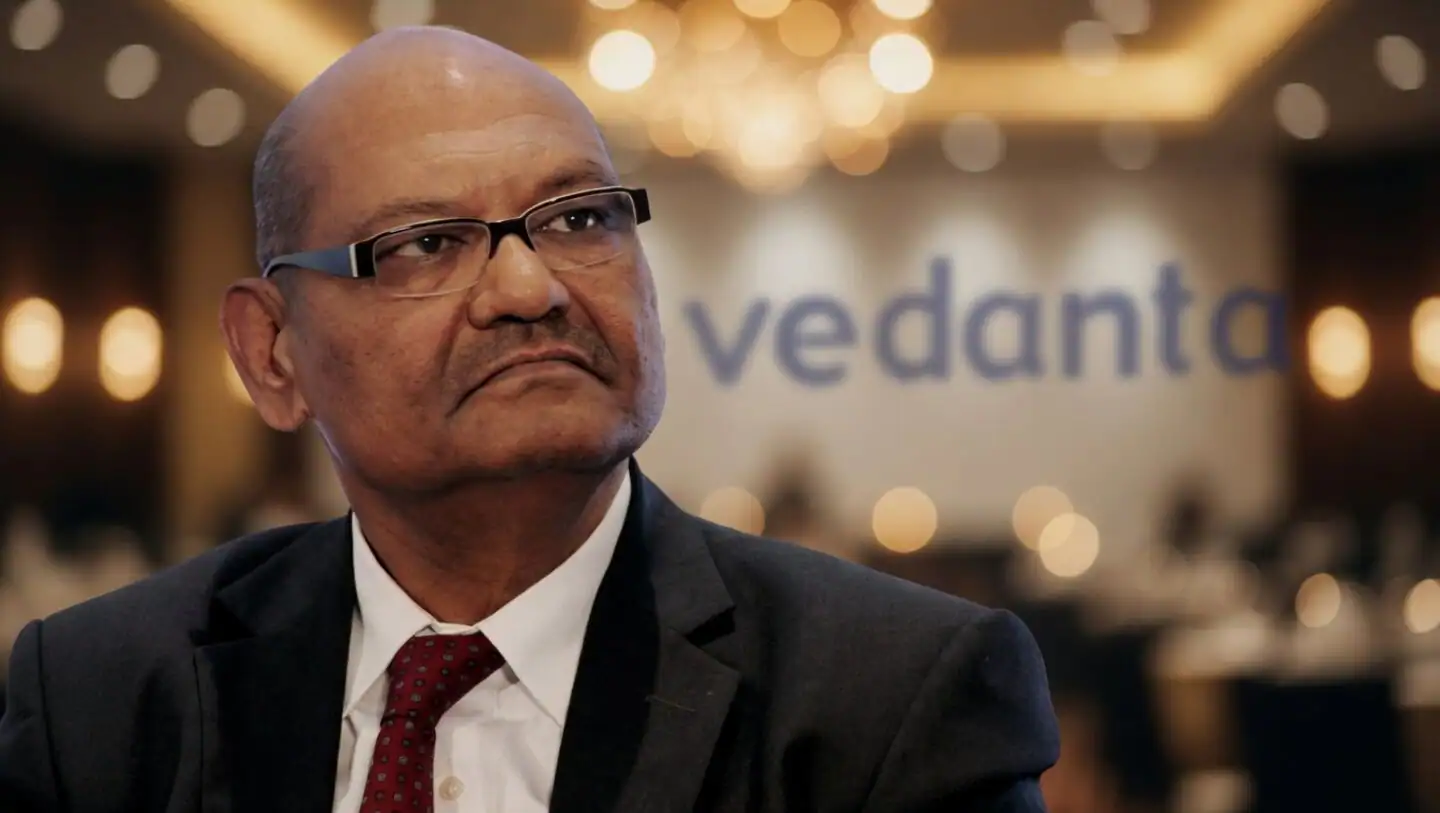
Domestic rare earth magnet manufacturers in India face a protected margin windfall worth ₹7,280 crore spread across five facilities, but each 1,200 MTPA operation will require Chinese processing technology that Beijing may restrict. The economics are stark: neodymium futures jumped over 10% to 556,000 RMB/ton (roughly $76,500/MT) as buyers rushed to secure supply, while India imported 53,748 metric tonnes of rare earth magnets in FY25 despite holding the world's fifth-largest rare-earth reserves. Twenty-five companies including JSW Group, Vedanta, and Hindustan Zinc participated in the pre-bid conference on April 7, but the scheme confronts a fundamental constraint: rare earth permanent magnet (REPM) production requires not just rare earth oxides but sophisticated chemical separation technology that China has spent decades perfecting.
China dominates every stage of the global rare-earth value chain, from chemical separation to magnet finishing, controlling 90–95% of supply. The Indian scheme targets sintered NdFeB (neodymium-iron-boron) magnets — permanent magnets that convert NdPr (neodymium-praseodymium) oxide through precise metallurgical processes involving hydrogen decrepitation, jet milling, and sintering at 1,100°C. Industry sources note that equipment and technology needed to process rare earth minerals largely come from China, while sourcing from Germany or Japan costs significantly more. China's Ministry of Commerce recently expanded export restrictions to include centrifugal extraction machines and intelligent impurity-removal equipment essential for processing ionic rare earth ores, creating a chokepoint that even well-funded schemes cannot bypass overnight.
On the buy side: Indian EV manufacturers and wind turbine assemblers currently pay import premiums on Chinese magnets but gain supply certainty. Permanent-magnet traction motors contain 1–2 kg of NdPr magnets in passenger vehicles and 3–5 kg in buses and heavy trucks, translating the current neodymium price of $218.80 per kg into $437–656 per passenger EV and $1,312–2,188 per commercial vehicle in raw magnet value alone. On the sell side: Five selected manufacturers will receive ₹6,450 crore in sales-linked incentives and ₹750 crore in capital support, creating protected domestic margins estimated at 15–25% above landed Chinese costs. Vedanta called the initiative "a horizontal expansion opportunity" aligned with critical minerals focus, while Chinese magnet exporters face potential revenue loss from India's $2.8 billion annual import market.
For large integrated conglomerates (Vedanta, JSW, Tata Group) with global sourcing capabilities: the scheme offers a hedge against Chinese export volatility through domestic capacity, but requires securing processing equipment before Beijing tightens restrictions further. The investment math works at scale — each of the five facilities can produce up to 1,200 MTPA, generating estimated revenues of $120–150 million annually per facility at current magnet prices. For smaller regional operators — mid-sized component manufacturers, regional EV assemblers, wind farm developers — the scheme provides no immediate relief from Chinese dependency, as domestic production won't begin until late 2026 at earliest. India's policy relaxation allowing EV manufacturers to import rare-earth magnet traction motor assemblies until September 2026 acknowledges this reality — without imported assemblies, manufacturers could struggle to deliver vehicles under electrification programs.
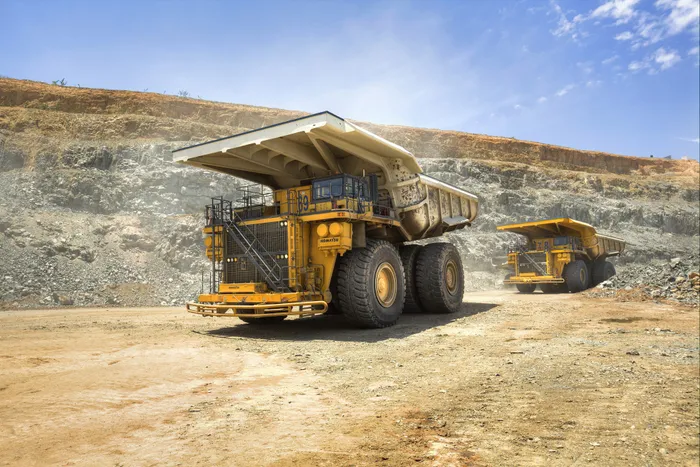
The structural constraint is processing, not mining. India holds rare earth oxide resources of approximately 8.52 million tonnes with 7.23 million tonnes identified across eight states, but lacks downstream facilities for refining, alloying, and magnet production, forcing exports of raw concentrates. Without a steady pipeline of domestic feedstock or long-term overseas agreements, magnet makers may still rely on imported oxides, which only shifts the vulnerability upstream. The bidding deadline is April 22, 2026, but observers should watch China's rare earth processing equipment export approvals through Q2 2026 — any further restrictions will force Indian manufacturers toward costlier European alternatives, compressing project returns and potentially delaying the scheme's 2027–2028 production timeline.


'%3e%3cg id='Final-Copy-2_2_' transform='translate(1275.000000, 200.000000)'%3e%3cpath class='st0' d='M7.4,12.8h6.8l3.1-11.6H7.4C4.2,1.2,1.6,3.8,1.6,7S4.2,12.8,7.4,12.8z'/%3e%3c/g%3e%3c/g%3e%3c/g%3e%3cg id='final---dec.11-2020'%3e%3cg id='_x30_208-our-toggle' transform='translate(-1275.000000, -200.000000)'%3e%3cg id='Final-Copy-2' transform='translate(1275.000000, 200.000000)'%3e%3cpath class='st1' d='M22.6,0H7.4c-3.9,0-7,3.1-7,7s3.1,7,7,7h15.2c3.9,0,7-3.1,7-7S26.4,0,22.6,0z M1.6,7c0-3.2,2.6-5.8,5.8-5.8 h9.9l-3.1,11.6H7.4C4.2,12.8,1.6,10.2,1.6,7z'/%3e%3cpath id='x' class='st2' d='M24.6,4c0.2,0.2,0.2,0.6,0,0.8l0,0L22.5,7l2.2,2.2c0.2,0.2,0.2,0.6,0,0.8c-0.2,0.2-0.6,0.2-0.8,0 l0,0l-2.2-2.2L19.5,10c-0.2,0.2-0.6,0.2-0.8,0c-0.2-0.2-0.2-0.6,0-0.8l0,0L20.8,7l-2.2-2.2c-0.2-0.2-0.2-0.6,0-0.8 c0.2-0.2,0.6-0.2,0.8,0l0,0l2.2,2.2L23.8,4C24,3.8,24.4,3.8,24.6,4z'/%3e%3cpath id='y' class='st3' d='M12.7,4.1c0.2,0.2,0.3,0.6,0.1,0.8l0,0L8.6,9.8C8.5,9.9,8.4,10,8.3,10c-0.2,0.1-0.5,0.1-0.7-0.1l0,0 L5.4,7.7c-0.2-0.2-0.2-0.6,0-0.8c0.2-0.2,0.6-0.2,0.8,0l0,0L8,8.6l3.8-4.5C12,3.9,12.4,3.9,12.7,4.1z'/%3e%3c/g%3e%3c/g%3e%3c/g%3e%3c/g%3e%3c/svg%3e) Privacy Choices
Privacy Choices