.avif)
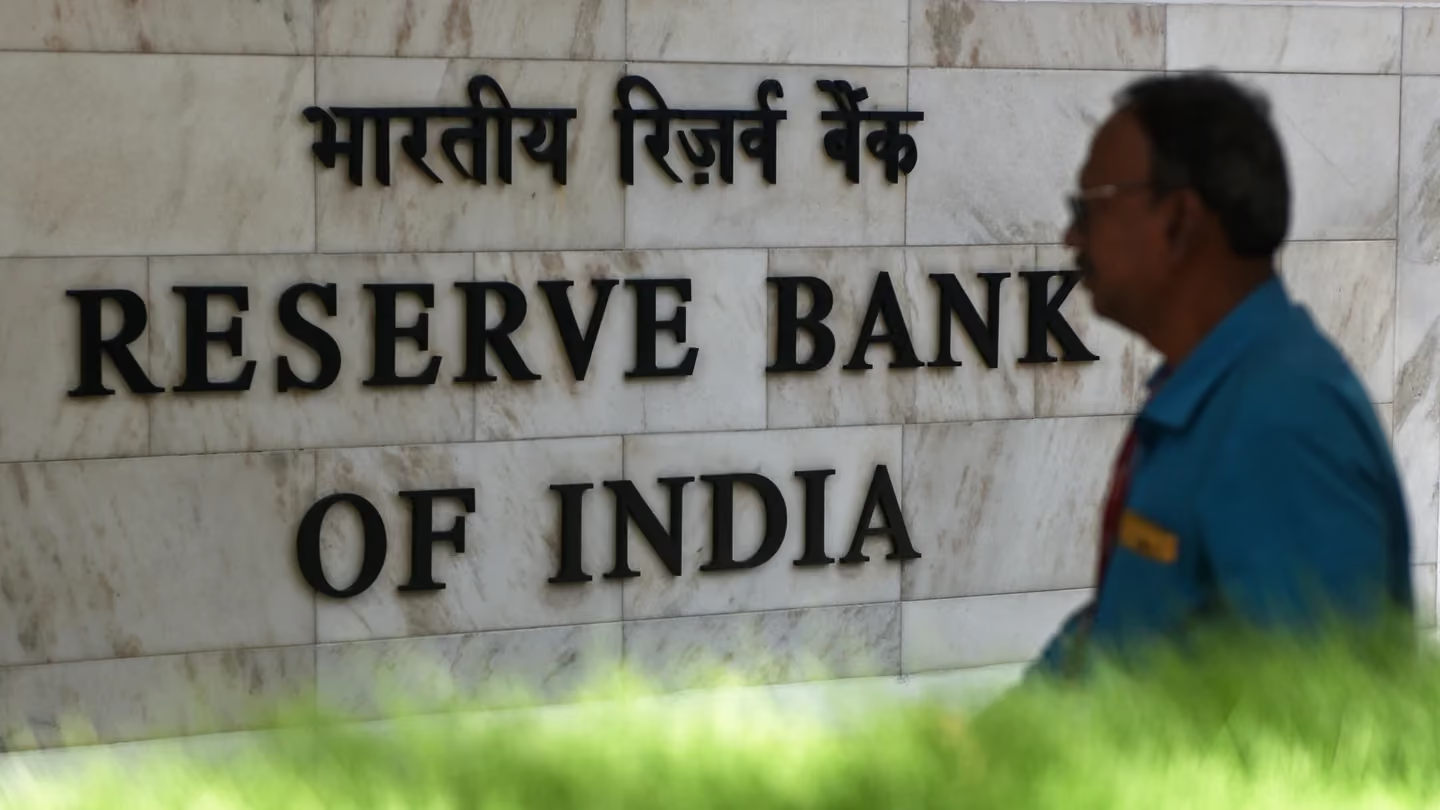
India's commodity importers face immediate margin compression as supply chain pressures drive a 4.4 percentage point wedge between wholesale price inflation (8.3%) and consumer price inflation (3.5%). The Reserve Bank of India's latest bulletin reveals that the merchandise trade deficit widened in April primarily due to crude oil and gold imports, with oil accounting for the largest share of the cost absorption. Oil prices remain nearly 50% above pre-war levels, while Brent crude futures trade around $103 per barrel and WTI crude futures rose above $98 per barrel. This pricing environment forces Indian crude importers entities that purchase and process foreign oil for domestic distribution to absorb costs that cannot be immediately passed to end consumers.
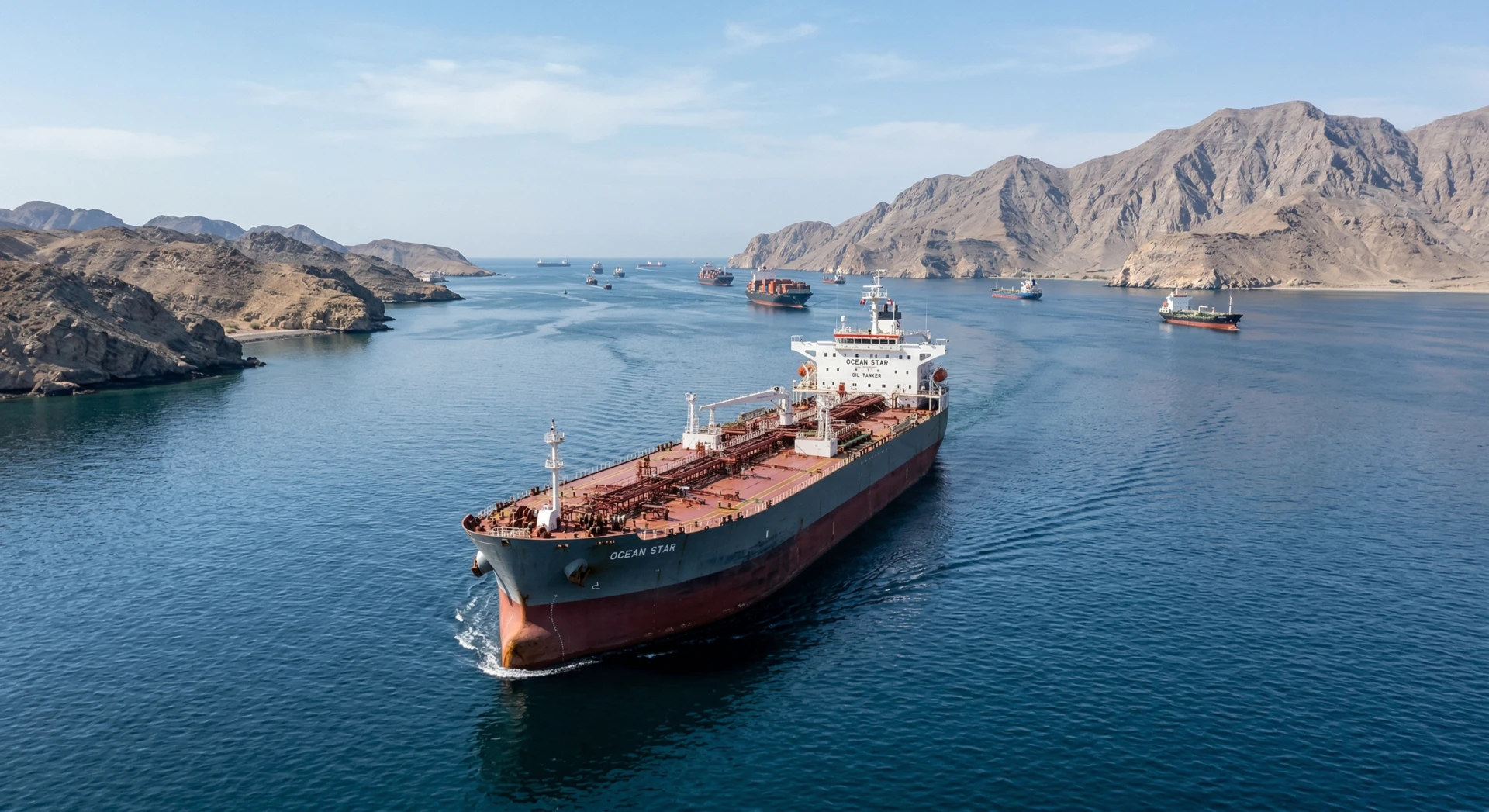
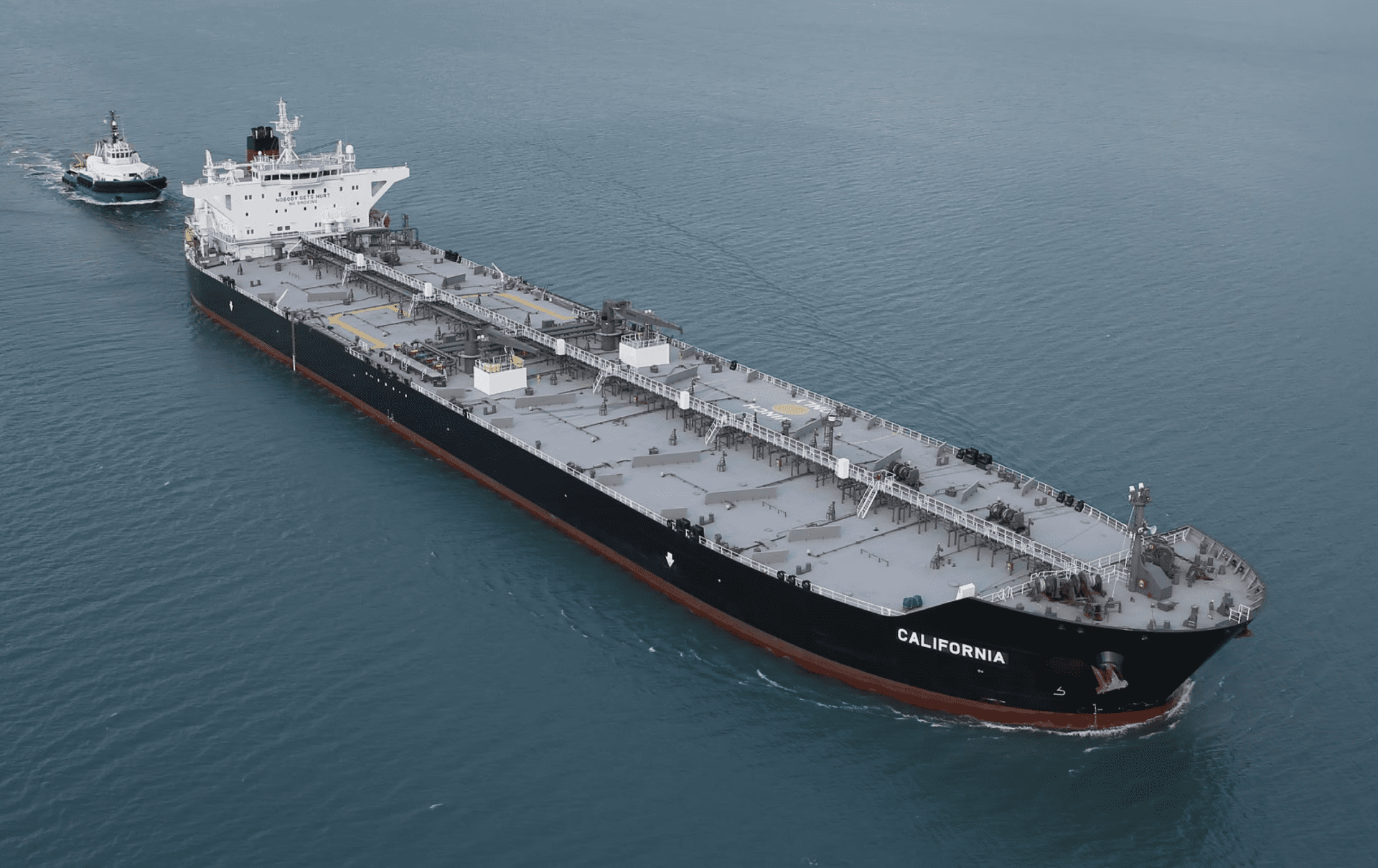
The margin anatomy reveals where profit concentrates during supply disruption. Approximately 40 to 50% of India's crude oil imports historically transited the Strait of Hormuz, with LPG exposure even higher, as virtually all of India's LPG imports originate from Middle Eastern suppliers that depend on Hormuz for export routing. A crude importer purchasing a standard 270,000-tonne VLCC (Very Large Crude Carrier a supertanker capable of carrying 2 million barrels) cargo previously paid approximately $69 per barrel in February. The Indian crude oil basket nearly doubled to US$126 in March, peaking at US$157. That $88 per barrel increase translates to $176 million additional cost per VLCC cargo money that must either be passed through to consumers, absorbed in refinery margins, or covered by government subsidy.
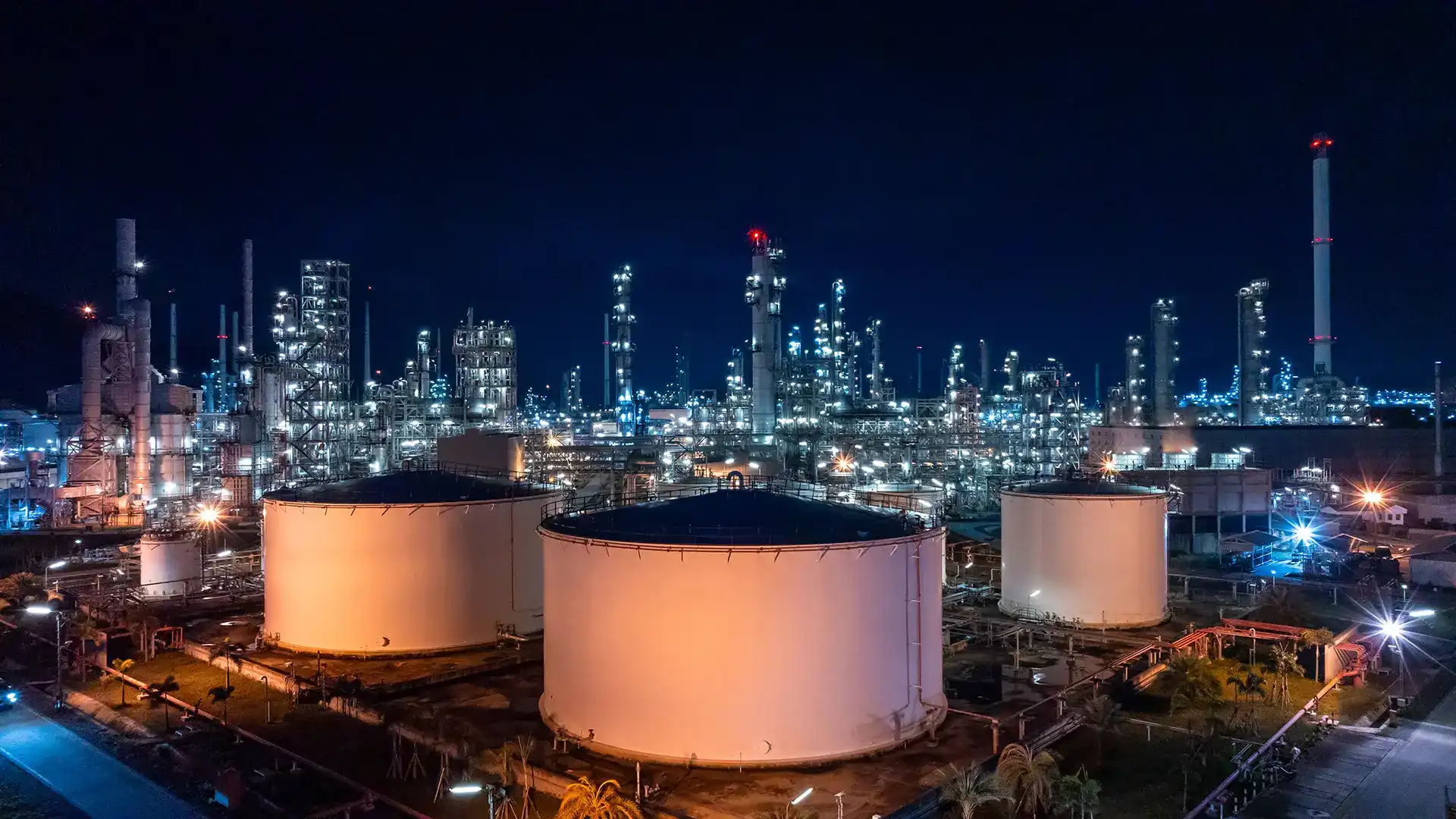
On the buy side: Indian Oil Corporation, Bharat Petroleum, and Hindustan Petroleum the state-owned oil marketing companies (OMCs) that control 90% of India's retail fuel distribution are absorbing the margin hit to maintain retail price stability. The government has kept retail petrol and diesel prices below global market levels to protect consumers, while OMCs are purchasing crude and gas at elevated international prices, generating reported losses of up to ₹1,000 crore, approximately USD $120 million, per day across the sector. For private refiners like Reliance Industries, the equation differs: they can pass higher crude costs through to wholesale buyers but lose competitiveness against subsidized state companies at retail level.
On the sell side: Crude producers outside the Hormuz transit route capture windfall margins as Indian buyers shift sourcing to alternative suppliers. US crude grades, shipped across Atlantic and Pacific routing, bypass the Strait of Hormuz entirely and have become more commercially attractive as Gulf differentials narrow under disruption conditions, while Nigerian and Angolan grades, loaded at Atlantic Basin terminals, offer complete Hormuz independence, though freight costs are higher due to longer voyage distances. A Nigerian Bonny Light cargo to Mumbai a 6,800 nautical mile voyage taking 18-22 days previously carried a $2-4 per barrel freight penalty versus Gulf crude's 12 day journey. That penalty disappears when Gulf crude carries geopolitical risk premiums exceeding $10 per barrel.
For large integrated traders Vitol, Trafigura, Glencore with global supply networks and derivatives access, the disruption creates multiple arbitrage opportunities. They can hedge crude price exposure through futures markets, secure alternative supply sources before smaller competitors, and extract margin from the temporal and geographic price dislocations. A major trader might lock in West African crude at pre-disruption basis levels, secure shipping capacity at favorable rates, and deliver to Indian refineries at current elevated prices capturing the full spread between old contract prices and new market reality. All India refineries are operating at high capacity and are maintaining adequate crude oil inventories, with crude shipments to India continuing despite global tensions.
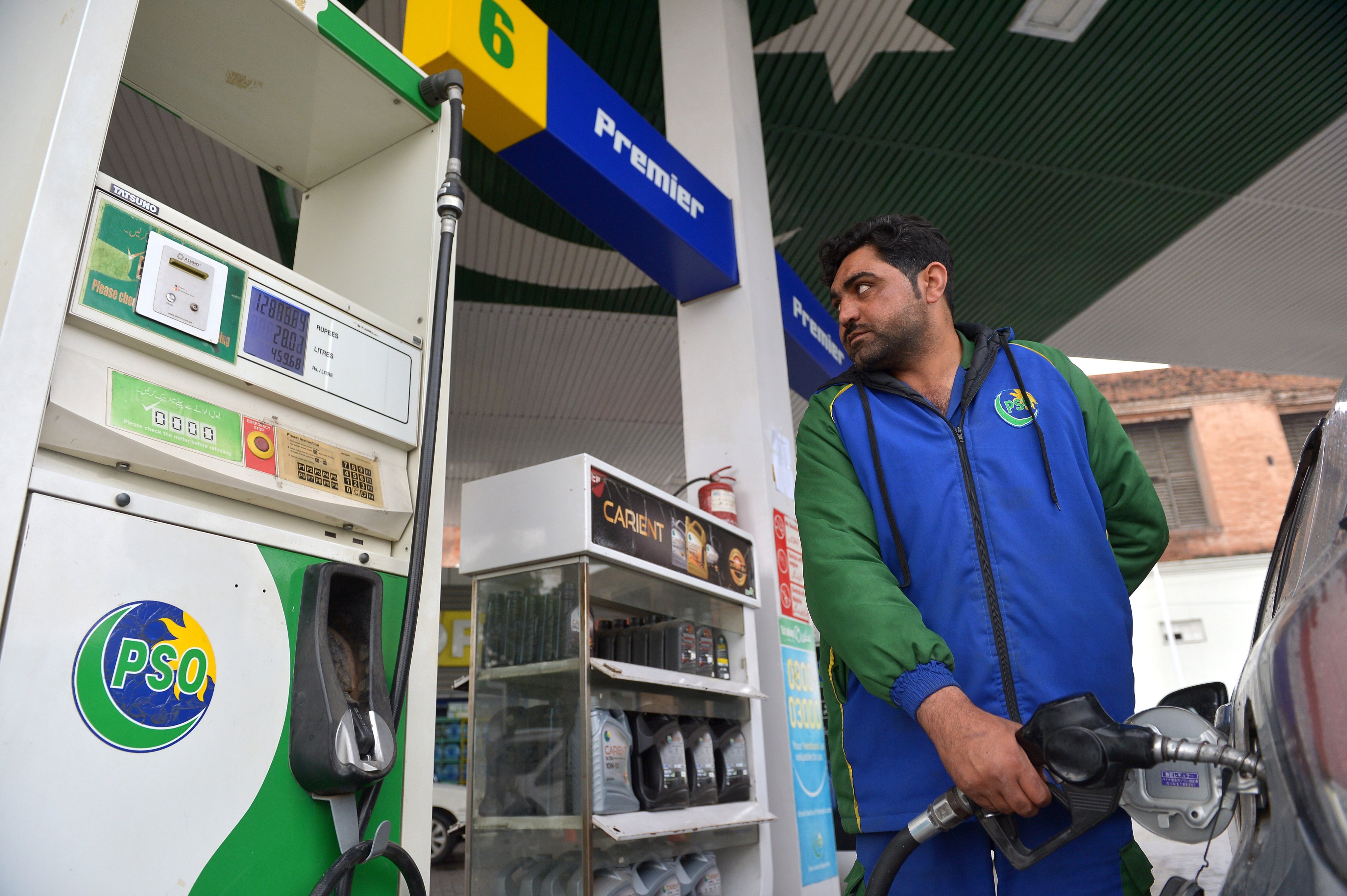
For smaller regional operators independent fuel distributors, industrial consumers without term contracts, regional cooperatives the margin squeeze offers no hedging escape. They face the full force of input cost inflation without access to derivatives markets or long-term supply agreements. A mid-sized industrial fuel buyer previously paying ₹75 per litre for diesel now faces ₹88-92 per litre for spot purchases, with no mechanism to pass the ₹13-17 increase to end customers bound by annual supply contracts. The only practical hedge is inventory: purchasing maximum feasible volumes at current elevated prices before they rise further.
Freight control determines where margin concentrates during supply route disruption. Traffic through the strait collapsed from over 130 daily ship transits to fewer than 10, creating vessel scarcity that benefits shipowners over cargo owners. A VLCC operator previously earning $14,000 per day under standard time charter now commands $45,000-65,000 per day for non-Hormuz routing the difference representing pure freight margin extracted from cargo economics. Tanker owners with modern, ice-class vessels capable of Northern Sea Route transit capture premium rates as cargo flows reroute around traditional chokepoints. Freight costs are higher due to longer voyage distances, but supply availability is reliable meaning vessel operators, not oil traders, control the critical margin component during disruption.
The structural shift reveals India's commodity import vulnerability through margin concentration patterns. The conflict in West Asia continued to exert pressure on commodity markets, global trade flows and supply chains, contributing to the volatility in financial markets. Indian authorities have confirmed approximately 69 days of crude oil stocks and 45 days of LPG supply, figures that are declining as import volumes remain disrupted, with stocks down approximately 15% since the conflict began. The margin compression from 8.3% WPI inflation versus 3.5% CPI inflation creates an unsustainable absorption pattern that must resolve through either retail price increases, increased subsidies, or supply chain restructuring.
For observers monitoring this structural shift: Track the Platts Dubai crude oil benchmark versus Indian basket pricing when the spread exceeds $8 per barrel for five consecutive trading days, expect retail fuel price adjustments within 15 days. ANZ economist Dhiraj Nim has assessed that retail fuel price increases are a matter of timing rather than possibility, with Q2 2026 identified as the probable window in which the fiscal arithmetic forces the government's hand. The margin trap cannot persist indefinitely either prices rise to restore equilibrium, or supply chains restructure to reduce import dependence.
.jpg)

'%3e%3cg id='Final-Copy-2_2_' transform='translate(1275.000000, 200.000000)'%3e%3cpath class='st0' d='M7.4,12.8h6.8l3.1-11.6H7.4C4.2,1.2,1.6,3.8,1.6,7S4.2,12.8,7.4,12.8z'/%3e%3c/g%3e%3c/g%3e%3c/g%3e%3cg id='final---dec.11-2020'%3e%3cg id='_x30_208-our-toggle' transform='translate(-1275.000000, -200.000000)'%3e%3cg id='Final-Copy-2' transform='translate(1275.000000, 200.000000)'%3e%3cpath class='st1' d='M22.6,0H7.4c-3.9,0-7,3.1-7,7s3.1,7,7,7h15.2c3.9,0,7-3.1,7-7S26.4,0,22.6,0z M1.6,7c0-3.2,2.6-5.8,5.8-5.8 h9.9l-3.1,11.6H7.4C4.2,12.8,1.6,10.2,1.6,7z'/%3e%3cpath id='x' class='st2' d='M24.6,4c0.2,0.2,0.2,0.6,0,0.8l0,0L22.5,7l2.2,2.2c0.2,0.2,0.2,0.6,0,0.8c-0.2,0.2-0.6,0.2-0.8,0 l0,0l-2.2-2.2L19.5,10c-0.2,0.2-0.6,0.2-0.8,0c-0.2-0.2-0.2-0.6,0-0.8l0,0L20.8,7l-2.2-2.2c-0.2-0.2-0.2-0.6,0-0.8 c0.2-0.2,0.6-0.2,0.8,0l0,0l2.2,2.2L23.8,4C24,3.8,24.4,3.8,24.6,4z'/%3e%3cpath id='y' class='st3' d='M12.7,4.1c0.2,0.2,0.3,0.6,0.1,0.8l0,0L8.6,9.8C8.5,9.9,8.4,10,8.3,10c-0.2,0.1-0.5,0.1-0.7-0.1l0,0 L5.4,7.7c-0.2-0.2-0.2-0.6,0-0.8c0.2-0.2,0.6-0.2,0.8,0l0,0L8,8.6l3.8-4.5C12,3.9,12.4,3.9,12.7,4.1z'/%3e%3c/g%3e%3c/g%3e%3c/g%3e%3c/g%3e%3c/svg%3e) Privacy Choices
Privacy Choices