.avif)
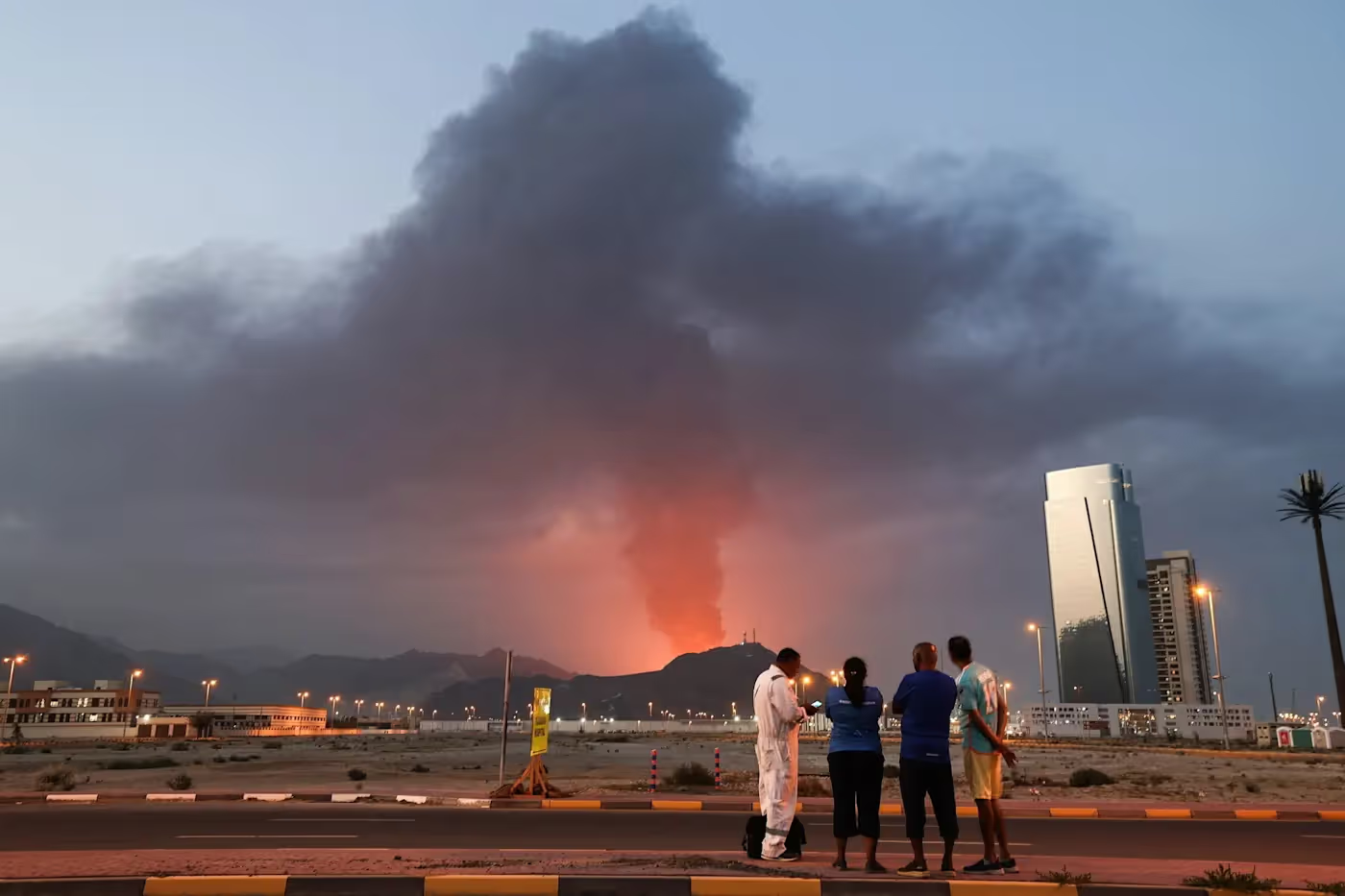
Brent crude fell from $109.87 to $102.21 per barrel as President Trump paused Project Freedom the US naval escort operation in the Strait of Hormuz just one day after launch, citing progress toward a comprehensive Iran agreement. For the 22,500 mariners on 1,550 vessels trapped inside the Persian Gulf, Trump's suspension creates a critical commercial deadlock: route liquidity can change within hours, so executable freight is now a function of operational windows, not only published route status. Persian Gulf crude traders face immediate margin erosion not from the diplomacy but from the inability to price optionality when escort availability shifts faster than charter fixture timelines.
The 23,000 sailors from 87 countries remain stranded as Iran's blockade continues while the escort pause eliminates the tactical certainty required for commercial loading decisions. War risk premiums the additional war risk premium (AWRP) range from 3% to 8% of hull and machinery (H&M) value per seven day period, translating to $3-8 million for a single VLCC transit versus the pre-war range of 0.1-0.15%. Consider a laden VLCC carrying 2 million barrels of UAE Murban crude valued at $204 million at current prices: the war risk premium alone costs $4.5-9.6 million per week, compared to $150,000 before the crisis. With escort scheduling uncertain, that premium burns continuously while the cargo waits for operational clarity.
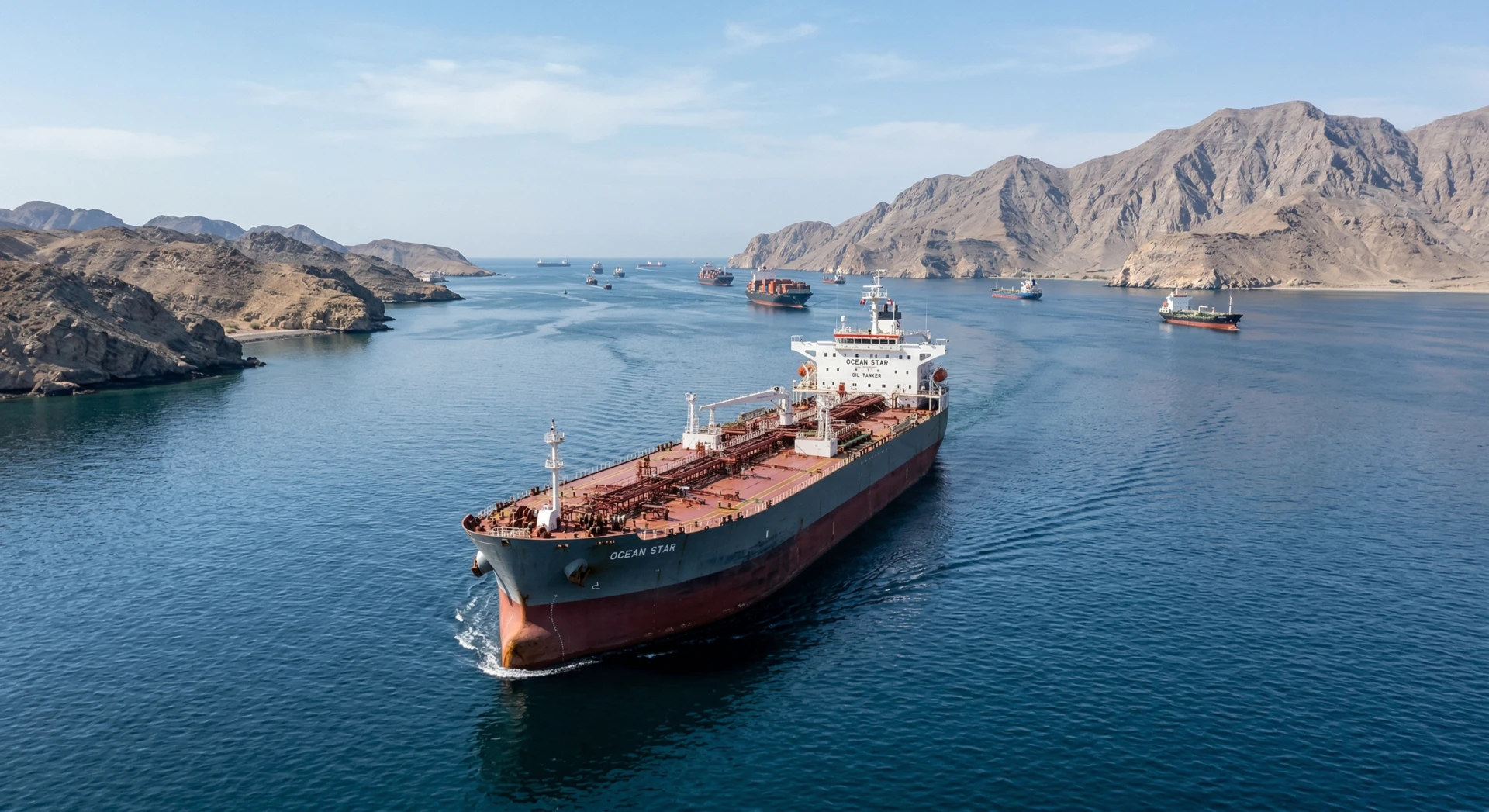
Abu Dhabi National Oil Company reports 230 loaded oil tankers waiting inside the Gulf, creating a vast inventory of stranded crude that cannot reach buyers until transit routes stabilise. The Strait of Hormuz normally handles 25% of seaborne oil trade and 20% of LNG flows, making this the world's most concentrated energy chokepoint. Each loaded tanker inside the Gulf represents not just cargo value often $150-300 million per VLCC but also daily demurrage costs that compound while owners await either escort confirmation or alternative routing. Current transit counts of 5-6 vessels per day compare to a historical average of 138 vessels daily, indicating the strait operates at roughly 4% of normal capacity.
For crude oil sellers, the pause traps margin in two directions. Saudi Aramco, Kuwait Petroleum, and ADNOC cannot deliver term contract volumes to Asian refineries without either paying prohibitive war risk premiums or accepting escort dependency that may vanish without notice. A typical term contract for 500,000 barrels per month to a South Korean refinery worth roughly $51 million at current prices becomes undeliverable when the seller cannot guarantee transit timing. The alternative is to declare force majeure, which shifts liability but destroys commercial relationships and future contracting leverage. Exporters with alternative routing capacity like the UAE's Habshan-Fujairah pipeline are better positioned to maintain market share during shipping disruptions, creating structural advantage for producers with bypass infrastructure.
For crude oil buyers, the suspension forces immediate procurement shifts toward non-Gulf suppliers, but at severely elevated basis differentials. Indian Oil Corporation and China's Sinopec historically large Gulf crude buyers must now source from West Africa, the Americas, or Russia at differentials often $8-15 per barrel above Gulf crudes. A 350,000-tonne Very Large Ore Carrier (VLOC) equivalent to roughly 2.5 million barrels sourced from Nigeria's Bonny Light instead of UAE Murban costs an additional $25 million in crude acquisition alone, before factoring the longer voyage time and higher Atlantic Basin freight rates. These buyers face the strategic dilemma: lock in expensive alternative supply for 3-6 months, or maintain Gulf exposure and accept delivery uncertainty.
For large integrated traders like Vitol, Trafigura, or Glencore with extensive derivative access, the pause creates a specific hedging challenge around timing spreads. Project Freedom was paused "for a short period of time to see whether or not the Agreement can be finalized and signed", but "short" in diplomatic terms can span weeks in commodity market terms. These traders can hedge crude price exposure through futures, but they cannot hedge transit timing risk when escort availability becomes binary and unpredictable. A typical trading book might hold 10-20 Gulf-origin cargoes for delivery over 60 days collectively worth $1-2 billion where any delivery delay triggers contract penalties and financing costs that derivatives cannot offset.
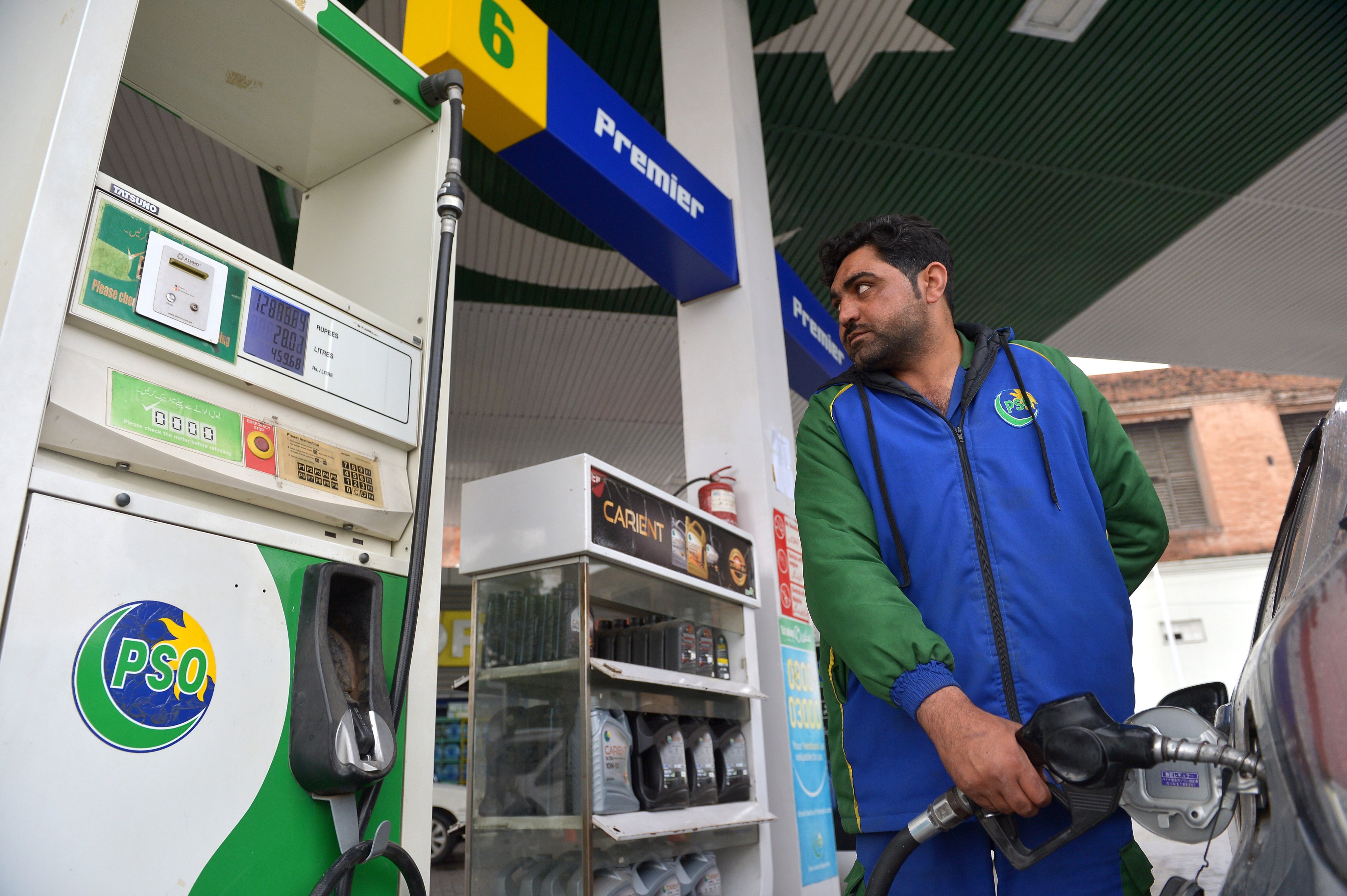
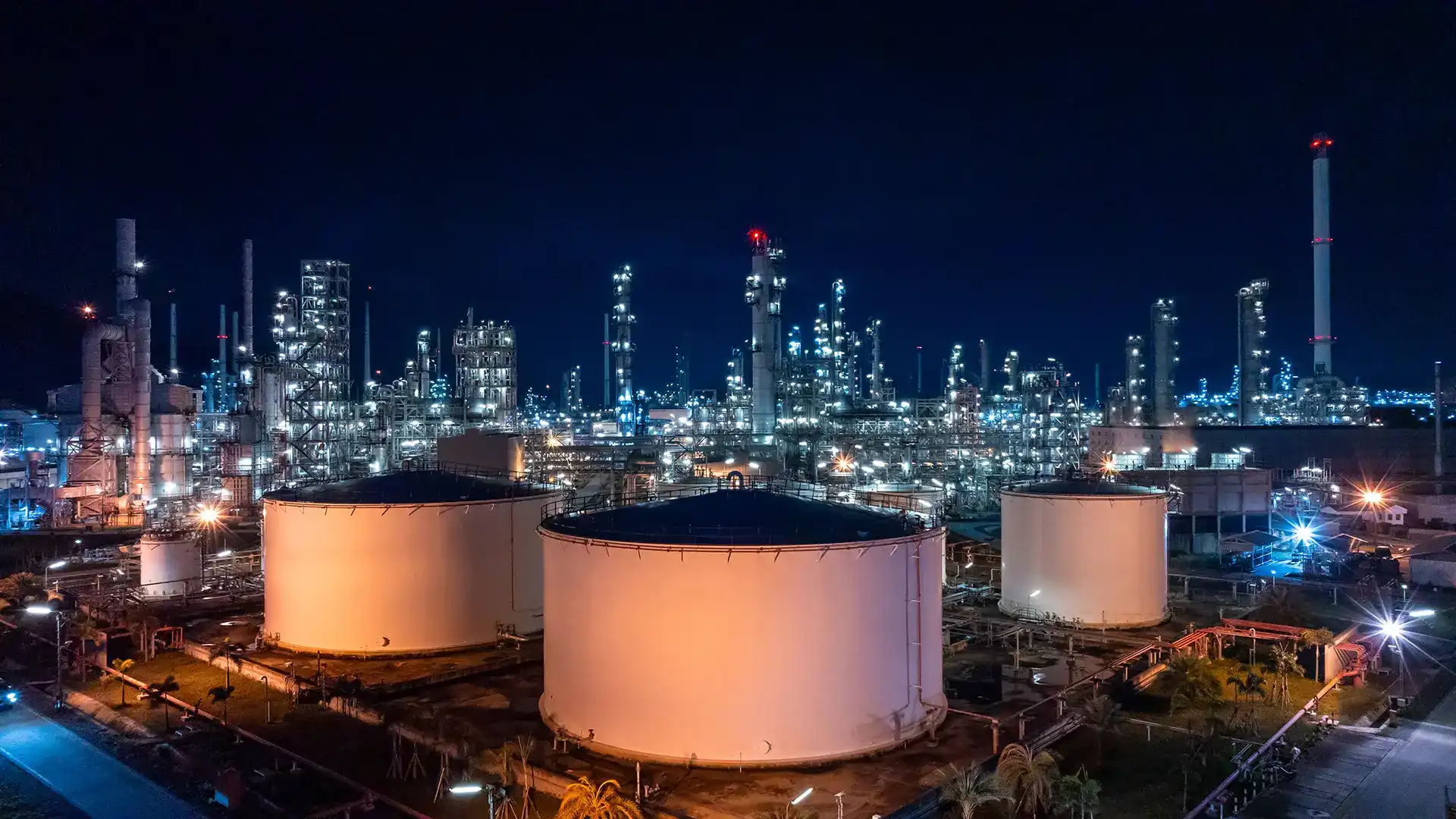
For smaller regional operators independent refiners like Thailand's Bangchak Corporation or Pakistan's state refiners the escort pause eliminates practical hedging alternatives entirely. These operators lack derivative market access and depend on bilateral crude supply agreements with Gulf producers. When escort timing becomes uncertain, they face pure operational risk: either accept delivery uncertainty and potential supply gaps, or pay substantial premiums for alternative crude sources delivered through established shipping lanes. A mid-sized 150,000 bbl/day refinery requires roughly 4.5 million barrels monthly worth $459 million at current prices where even a two-week supply disruption forces expensive spot market purchases that can eliminate quarterly margins.
The freight dimension reveals how the pause concentrates margin with vessel operators rather than cargo owners. VLCC charter rates have reached $440,000-770,000 per day compared to typical Gulf-Asia rates of $15,000-25,000 daily before the crisis. Container shipping giant Hapag-Lloyd reports the Hormuz situation costs $60 million weekly in elevated fuel and insurance expenses. However, tanker owners with vessels trapped inside the Gulf collect demurrage compensation for detention beyond agreed laytime at rates often exceeding $50,000 daily for VLCCs. A VLCC detained for 30 days while awaiting escort clarity earns $1.5 million in demurrage, paid by the cargo owner. This creates perverse incentives where vessel operators benefit from transit delays while crude sellers absorb mounting costs.
The financing dimension becomes critical as cargo values compound with detention time and war risk premiums. Persian Gulf crude trades primarily through letters of credit (LCs) bank guarantees ensuring payment upon document presentation but these instruments typically specify delivery timeframes. When transit timing becomes uncertain due to escort dependency, banks may require additional collateral or charge higher LC fees to cover extended exposure periods. A $200 million crude cargo financed through a 90 day LC at 5% annual interest costs roughly $2.5 million in financing charges. If escort uncertainty extends that period to 150 days, financing costs rise to $4.1 million an additional $1.6 million that erodes trading margins regardless of crude price movements.
The intelligence signal for operators is binary: monitor the daily JMIC (Joint Maritime Information Center) updates on transit counts through Hormuz, specifically comparing attempted transits versus successful completions. When successful daily transits consistently exceed 20 vessels for five consecutive days roughly 15% of normal capacity route liquidity begins normalising and war risk premiums should start declining. Before that threshold, every cargo decision carries binary execution risk where escort availability determines commercial viability. The market has shifted from pricing crude oil to pricing operational optionality, where the ability to execute delivery matters more than the underlying commodity value.
.jpg)
.jpg)
'%3e%3cg id='Final-Copy-2_2_' transform='translate(1275.000000, 200.000000)'%3e%3cpath class='st0' d='M7.4,12.8h6.8l3.1-11.6H7.4C4.2,1.2,1.6,3.8,1.6,7S4.2,12.8,7.4,12.8z'/%3e%3c/g%3e%3c/g%3e%3c/g%3e%3cg id='final---dec.11-2020'%3e%3cg id='_x30_208-our-toggle' transform='translate(-1275.000000, -200.000000)'%3e%3cg id='Final-Copy-2' transform='translate(1275.000000, 200.000000)'%3e%3cpath class='st1' d='M22.6,0H7.4c-3.9,0-7,3.1-7,7s3.1,7,7,7h15.2c3.9,0,7-3.1,7-7S26.4,0,22.6,0z M1.6,7c0-3.2,2.6-5.8,5.8-5.8 h9.9l-3.1,11.6H7.4C4.2,12.8,1.6,10.2,1.6,7z'/%3e%3cpath id='x' class='st2' d='M24.6,4c0.2,0.2,0.2,0.6,0,0.8l0,0L22.5,7l2.2,2.2c0.2,0.2,0.2,0.6,0,0.8c-0.2,0.2-0.6,0.2-0.8,0 l0,0l-2.2-2.2L19.5,10c-0.2,0.2-0.6,0.2-0.8,0c-0.2-0.2-0.2-0.6,0-0.8l0,0L20.8,7l-2.2-2.2c-0.2-0.2-0.2-0.6,0-0.8 c0.2-0.2,0.6-0.2,0.8,0l0,0l2.2,2.2L23.8,4C24,3.8,24.4,3.8,24.6,4z'/%3e%3cpath id='y' class='st3' d='M12.7,4.1c0.2,0.2,0.3,0.6,0.1,0.8l0,0L8.6,9.8C8.5,9.9,8.4,10,8.3,10c-0.2,0.1-0.5,0.1-0.7-0.1l0,0 L5.4,7.7c-0.2-0.2-0.2-0.6,0-0.8c0.2-0.2,0.6-0.2,0.8,0l0,0L8,8.6l3.8-4.5C12,3.9,12.4,3.9,12.7,4.1z'/%3e%3c/g%3e%3c/g%3e%3c/g%3e%3c/g%3e%3c/svg%3e) Privacy Choices
Privacy Choices