.avif)
%20(1).jpeg)
Crude oil traders face a 60–90 day insurance repricing window before Hormuz transit economics become viable again, regardless of diplomatic breakthroughs. Brent crude futures fell to almost $108 per barrel, trimming weekly gains, as hopes grew that a fragile U.S.–Iran ceasefire could lead to lasting peace, while WTI crude futures fell to almost $101 per barrel on Friday. A senior Iranian official said on Saturday that an Iranian proposal so far rejected by Trump would open shipping in the Strait of Hormuz and end the U.S. blockade of Iran while leaving talks on Iran's nuclear program for later. The diplomatic headline masks a deeper margin reality: war risk insurance (WRI) specialized coverage for vessels operating in conflict zones determines when crude flows resume, not peace announcements. The cost of coverage has leaped to about 5% of the value of a ship, roughly five times the level seen in the earliest days of the Iran war, and an even larger multiple of the fractions of a percentage point seen in periods when there's relatively little conflict. That means insuring an oil tanker worth $100 million would cost about $5 million. For a VLCC (Very Large Crude Carrier a supertanker capable of carrying 2 million barrels) valued at $120 million, current war risk premiums cost $6 million per voyage, versus $300,000 before the crisis. The additional $5.7 million eliminates operational margins entirely.
Diplomatic progress creates paper agreements, but insurance markets operate on probability mathematics and loss history data spanning 12–18 month horizons. Within 48 hours of coordinated U.S.–Israeli airstrikes on Iran on February 28, 2026, war risk premiums surged fivefold, major marine insurers terminated existing coverage and offered replacements at roughly sixty times pre-crisis rates, and Lloyd's Joint War Committee, a body that assesses high-risk maritime zones, redesignated the entire Arabian Gulf as a conflict zone. Tanker traffic collapsed by more than 80 percent. Insurance closed the strait before Iran's Islamic Revolutionary Guard Corps (IRGC) navy did. Lloyd's Joint War Committee the London-based body that designates high-risk maritime zones for the global insurance industry requires sustained evidence of reduced threat levels before revising area classifications. Historical precedent suggests 60–90 days minimum between conflict de-escalation and meaningful premium reductions. The Iran-Iraq Tanker War of 1984–1988 saw war risk premiums remain elevated for six months after active hostilities ceased. Today's insurance architecture is more tightly coupled and risk-averse than the 1980s market structure.
The 14-point Iranian proposal addresses immediate political objectives but ignores insurance market realities entirely. Key points of the plan include a demand to resolve all issues and end the war within 30 days, instead of observing a two-month ceasefire as the U.S. had proposed. Other demands listed by the Iranian outlets include guarantees against future military aggression, the withdrawal of U.S. forces from Iran's periphery, an end to the naval blockade, the release of frozen Iranian assets, payment of reparations, the lifting of sanctions, an end to fighting in Lebanon, and a new mechanism governing the Strait of Hormuz. Protection and Indemnity (P&I) clubs mutual marine insurers that cover 90% of global ocean-going tonnage have cancelled war risk coverage effective until further notice. Protection and indemnity (P&I) clubs mutual marine insurers that provide ships' liability cover have been cancelling certain war cover. All 12 members of the International Group of P&I Clubs, a risk pool that covers 90% of the world's ocean-going tonnage, have given 72 hours' notice of cancellation of parts of their war cover in the Gulf. Restoration of coverage requires not just ceasefire announcements, but demonstrated operational safety over multiple successful voyages. Insurers demand proof of concept before pricing normalization.
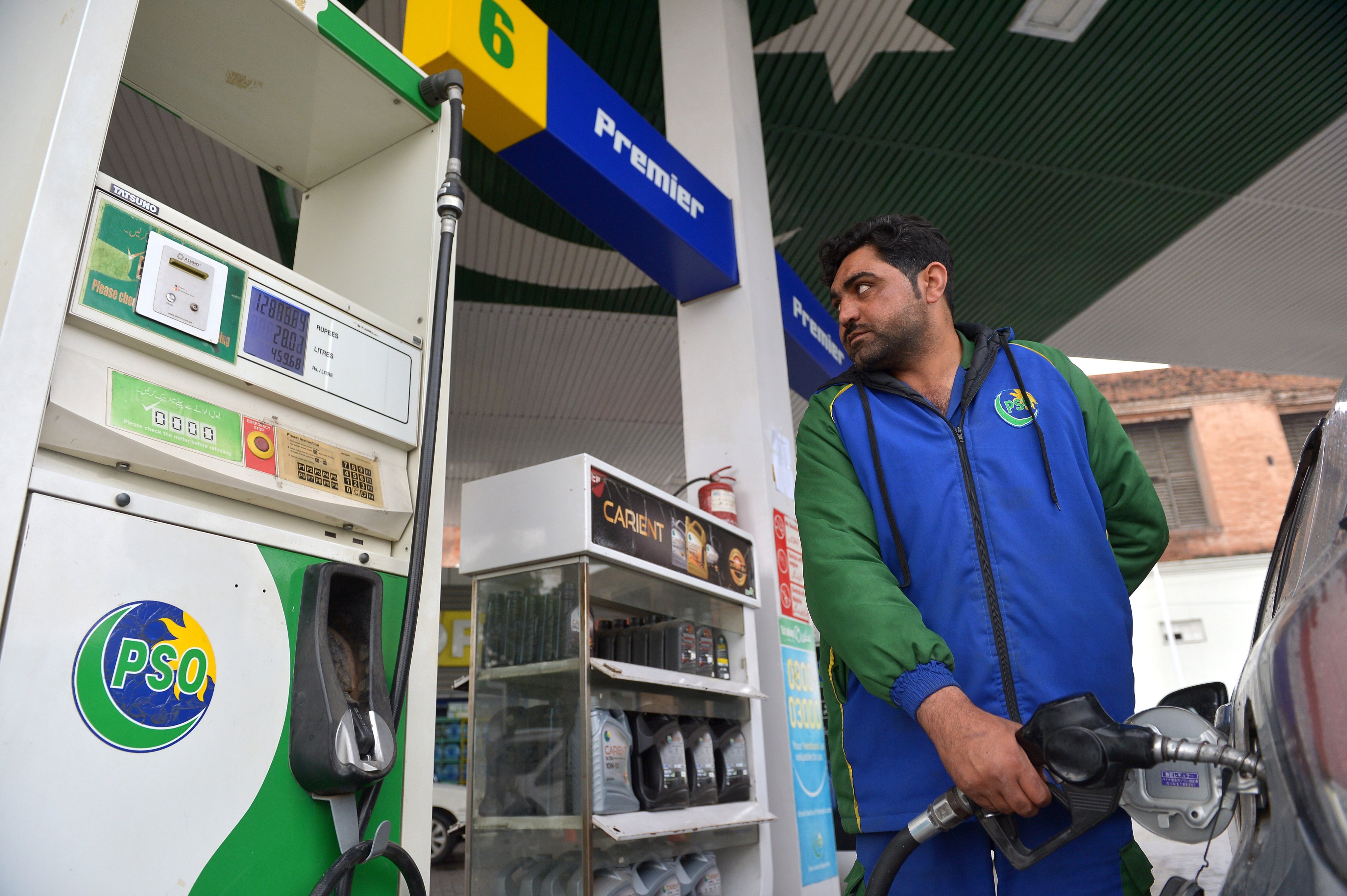
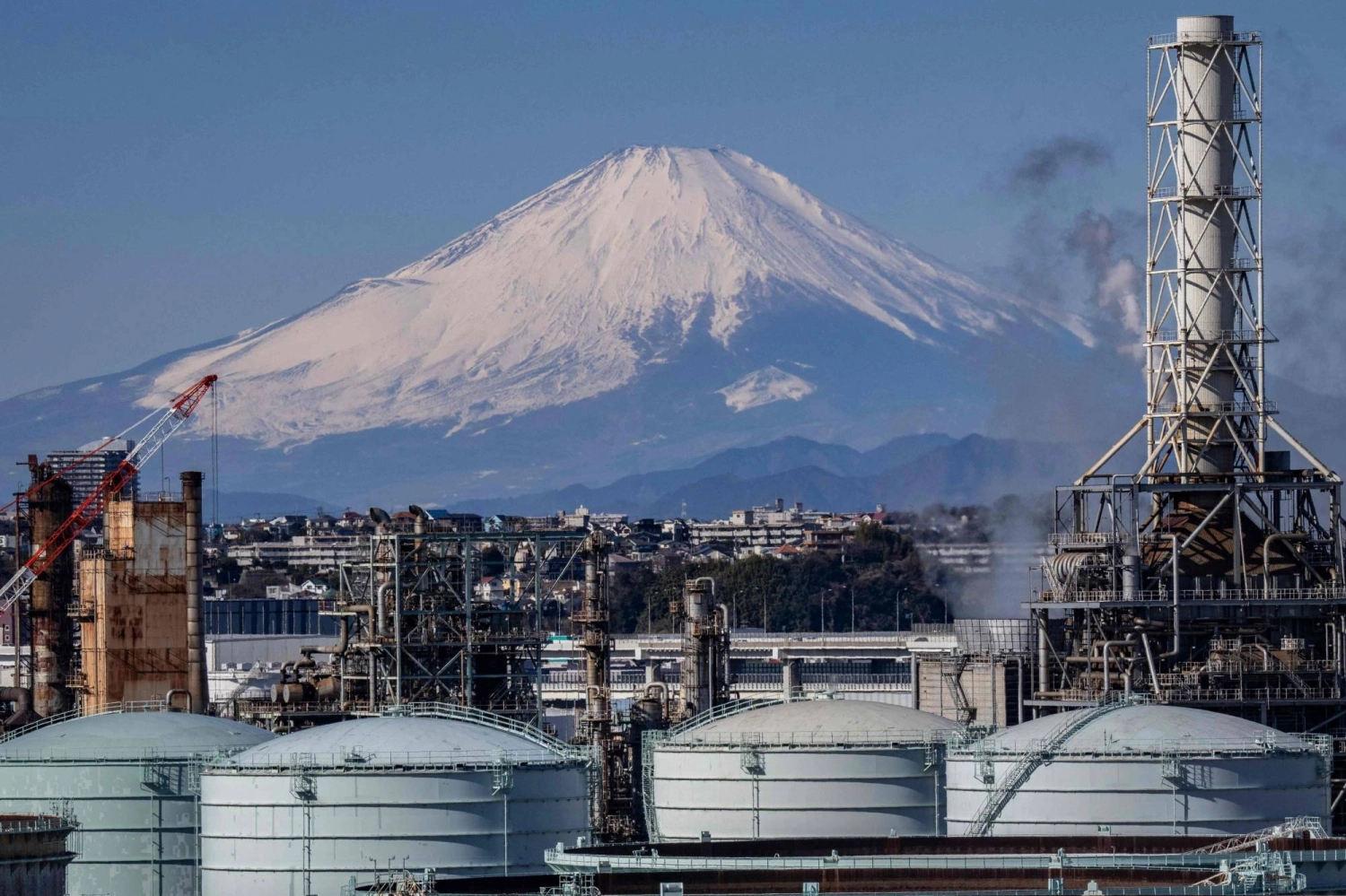
On the buy side: Asian refiners particularly in China, India, Japan, and South Korea face delivered crude costs $15–20/barrel above normal due to alternative sourcing requirements. Chinese independent refiners, known as "teapots," typically import 40% of feedstock from the Persian Gulf via Hormuz. Forced to source from West Africa and the Americas, delivered costs increase by approximately $18/barrel including freight premiums and quality adjustments. Indian refiners face similar margin compression, with delivered Middle East crude costing $16/barrel more when shipped via Cape of Good Hope routing rather than direct Hormuz transit. The additional 25 day voyage requires costly inventory financing and delays refinery scheduling.
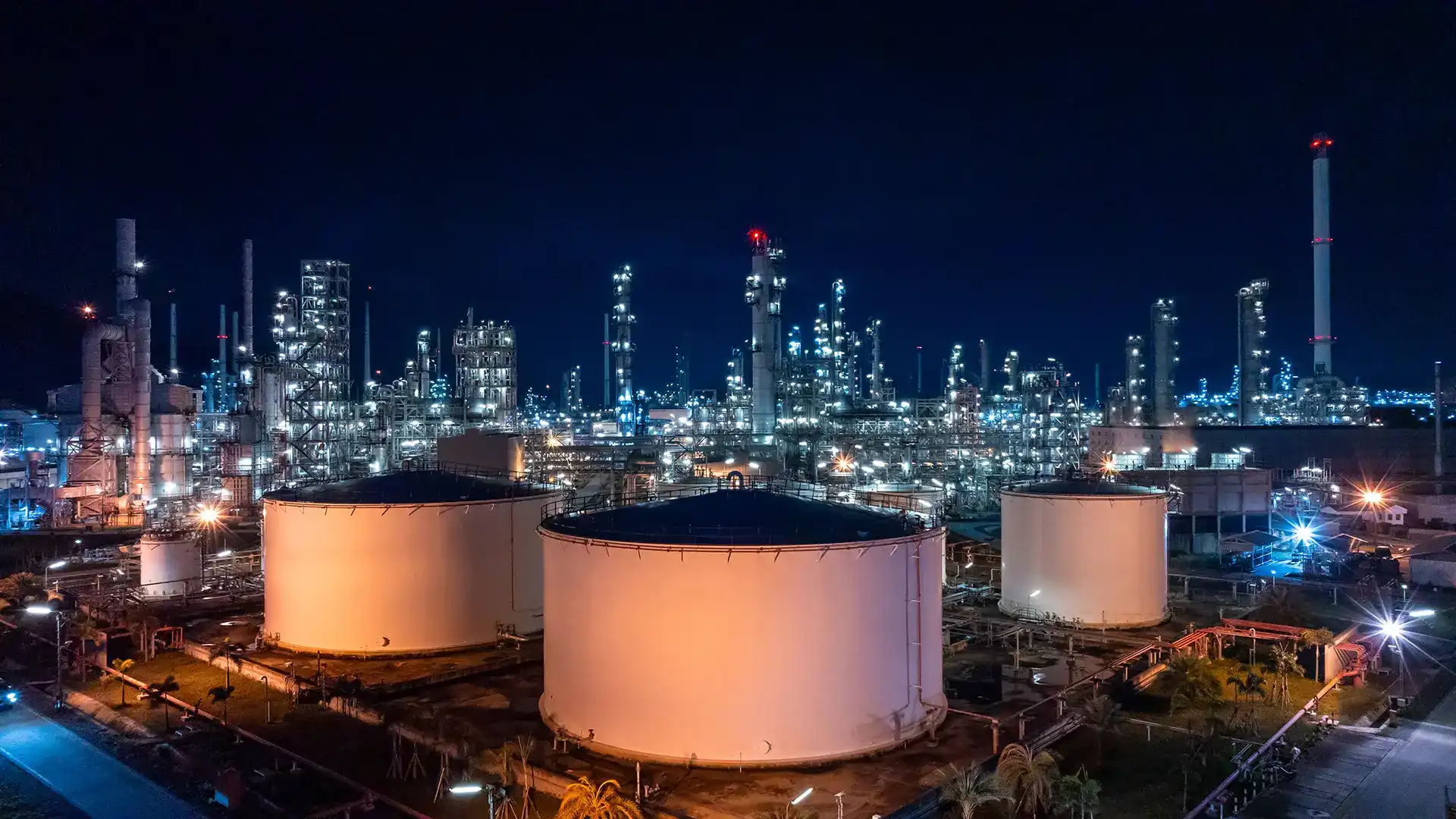
On the sell side: Middle East producers Saudi Aramco, ADNOC, Kuwait Petroleum Corporation, and independent traders with Persian Gulf exposure capture premium pricing for delivered crude but face severely constrained volume access to core Asian markets. Saudi Arabia's East-West pipeline can bypass Hormuz for limited volumes, but pipeline capacity of 5 million barrels per day represents only 40% of the Kingdom's total production. The remaining 60% requires Hormuz transit or expensive alternative routing. Oil prices have surged nearly 60% since the war began on February 28, with the closure of the Strait of Hormuz disrupting about a fifth of global oil flows. UAE producers face complete Hormuz dependence for crude exports, creating inventory buildups at Fujairah and other storage terminals.
For large integrated trading houses Vitol, Trafigura, Glencore, national oil company trading arms the crisis creates temporary arbitrage opportunities but eliminates reliable margin streams. A standard Gulf-to-Asia crude arbitrage typically generates $2–4/barrel margin on timing and logistics optimization. Current insurance costs consume $6–8/barrel, eliminating profitable arbitrage entirely. Major traders have shifted capital allocation to Atlantic Basin opportunities: U.S. crude exports to Europe, West African crude to India, Brazilian crude to China. These substitute routes generate margins but lack the volume throughput of normal Hormuz operations. Integrated oil companies with derivative hedging capability can protect against price volatility but cannot hedge away the physical logistics disruption.
For smaller regional operators independent fuel importers, regional distribution cooperatives, mid-sized refinery operators without derivative access the crisis creates existential cash flow pressure without hedging alternatives. A regional fuel importer in Southeast Asia typically operates on 30 day payment cycles with 5–7% gross margins. Insurance cost increases of $6/barrel on landed crude eliminate profitability entirely. These operators resort to force majeure declarations, inventory drawdowns, or temporary supply agreements with premium pricing. Alternative sourcing arrangements often require different payment terms letters of credit (LC) instead of open account, pre-payment instead of 30 day terms straining working capital.
Freight costs compound the insurance burden, creating multiplicative margin compression. Oil prices have surged sharply this year as the Middle East conflict and the effective closure of the Strait of Hormuz disrupted global markets. Oil prices have surged nearly 60% since the war began on February 28, with the closure of the Strait of Hormuz disrupting about a fifth of global oil flows. VLCC day rates for alternative routing to Asia via Cape of Good Hope have increased from $35,000/day to $95,000/day. The longer route requires 45 days versus 25 days, adding $2.7 million per voyage in incremental time charter costs. Combined with war risk insurance premiums, total additional cost per VLCC voyage reaches $8.7 million. Distributed across 2 million barrel cargo capacity, the additional cost equals $4.35/barrel before considering opportunity costs of extended voyage duration and inventory financing charges. Smaller vessel classes face proportionally higher per-barrel impacts due to reduced economies of scale.
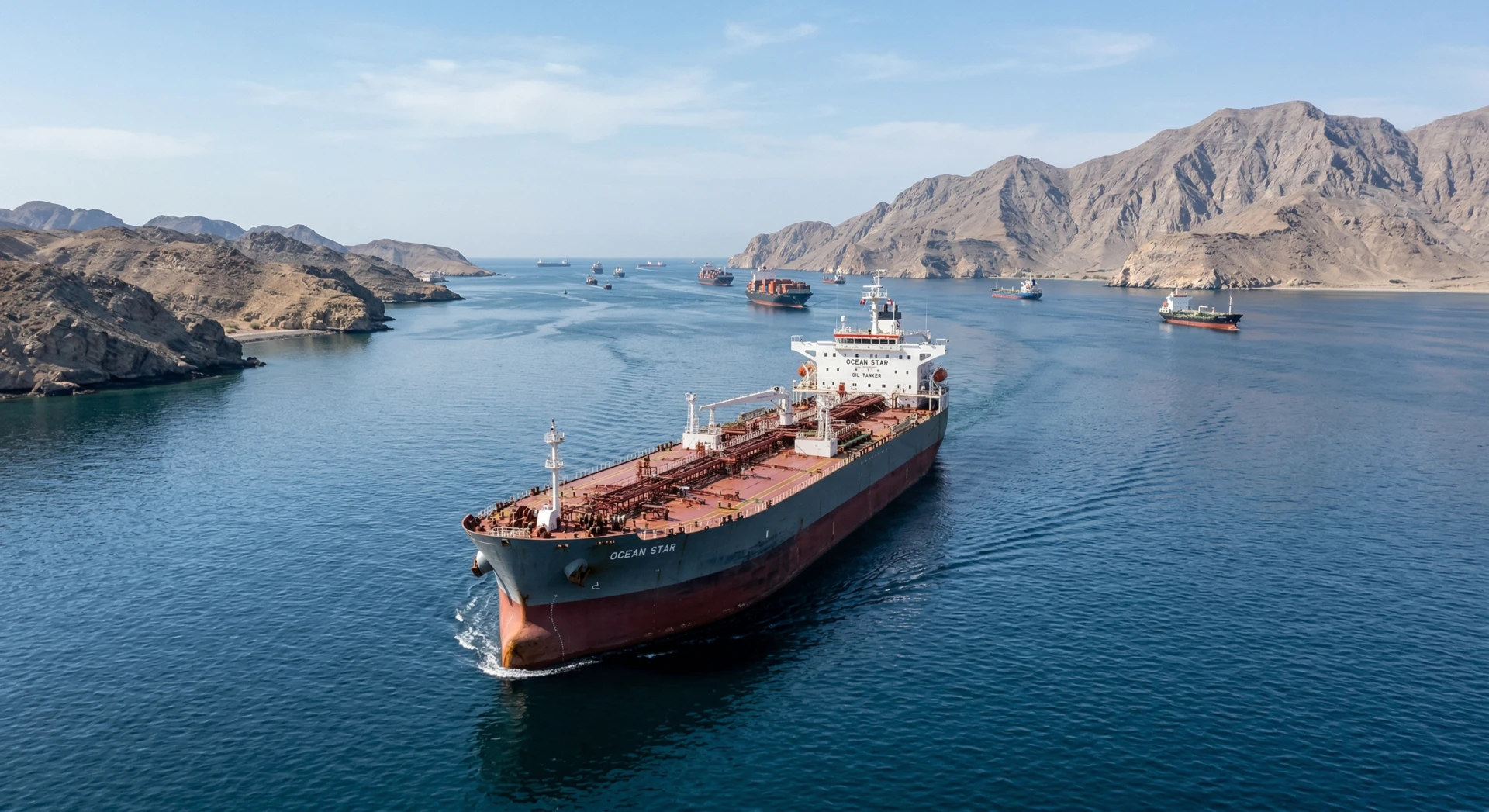
There are at least 2,000 ships and 20,000 crew members trapped on the waters of the Persian Gulf as one of the world's largest shipping lanes remains clogged. Around 800 are stuck in the Strait of Hormuz itself. The humanitarian dimension creates additional operational complexity for any reopening scenario. Trapped vessels require safe passage coordination, crew rotations, and supply replenishment before normal commercial operations can resume. Trump gave few details about what could be a sweeping attempt to help hundreds of vessels and some 20,000 seafarers. Ships and seafarers, many on oil and gas tankers and cargo ships, have been stuck in the Persian Gulf since the war began. Each stranded vessel represents $100–300 million in trapped capital, creating financing costs for vessel owners and cargo interests. Coordinated vessel evacuation could require 2–3 weeks of escort operations before commercial traffic normalization.
Insurance market mechanics operate independently of political timelines, driven by actuarial mathematics and reinsurance capacity constraints. 'Since then, rates have increased to what we've observed as a limit of around about 10%.' That's an increase of almost 4,000%. That was a maximum, though; Saunders-Mortimer said rates have come down recently to just 2% to 6% of the value of a ship still high and a contributing factor to oil prices. Even modest premium reductions from current levels require demonstrated operational safety over multiple voyage cycles. Reinsurance markets the insurance for insurance companies price Hormuz exposure based on maximum probable loss scenarios across 12 month periods. Lloyd's syndicate capacity allocation for Persian Gulf risks remains constrained until loss development patterns demonstrate sustained operational safety. The insurance repricing cycle operates on quarters, not weeks.
The Brent-Dubai spread the price differential between North Sea crude and Middle East crude benchmarks currently trades at unprecedented levels, reflecting physical delivery constraints rather than quality differences. After beginning the quarter around $4/b, the Brent-WTI spread increased in March, peaking at $25/b on March 31 and averaging $11/b in the month, the highest in over five years. Normal Brent-Dubai spreads range from $1–3/barrel. Current spreads exceed $12/barrel, indicating Middle East crude trades at significant discount to alternative supplies despite transportation constraints. This discount reflects buyer skepticism about delivery reliability rather than fundamental quality arbitrage.
Trump's announcement of "Project Freedom" U.S. naval escort operations starting Monday represents military intervention but does not immediately resolve insurance market constraints. Trump said the US will begin guiding ships through the Strait of Hormuz on Monday in an effort he dubbed "Project Freedom." Trump said Sunday that "Countries from all over the World, almost all of which are not involved in the Middle Eastern dispute" have asked the US to free up ships "locked up" in the key strait. If military escorts were offered through the Strait of Hormuz, Smith said he believes it could help nudge down insurance rates, but "most people within the insurance and the shipowning community would want to see a successful escort to prove the point." If escort operations were introduced as part of a broader, credible peace arrangement, they could provide reassurance to the market and be reflected positively in pricing. However, in the context of an ongoing conflict, their impact on premiums would likely be more limited and highly dependent on perceived effectiveness. Historical precedent from Operation Earnest Will (1987–1988) suggests military escorts reduce but do not eliminate war risk premiums. Insurance markets price escort effectiveness based on loss experience, not escort announcements.
The economics favor patience over precipitation for commercial operators. A major oil trader chartering a VLCC faces the following calculation: current voyage economics show $8.7 million additional cost versus normal operations. If insurance premiums decline 50% within 60 days following diplomatic progress, the additional cost drops to $4.35 million still above normal margins but approaching viability. Waiting 60 days for improved terms versus immediate transit at punitive costs represents optimal capital allocation. This commercial logic creates natural delays in traffic resumption regardless of political developments.
For observers: Monitor the Baltic Dirty Tanker Index (BDTI) for VLCC time charter rates and Lloyd's Joint War Committee area classifications. Normal VLCC rates of $35,000/day signal restored operational confidence. BDTI levels above $75,000/day indicate continued constraints. Lloyd's Joint War Committee typically reviews area risk classifications quarterly. Interim reviews occur only for major operational changes sustained over 30+ days. The next scheduled review is June 15, 2026. Early reclassification requires demonstrated operational safety with zero incidents over 45 consecutive days. Track Platts market on close assessments for Middle East crude differentials to Brent benchmark. Normal Abu Dhabi crude pricing at Brent minus $2/barrel indicates restored commercial confidence. Current pricing at Brent minus $12/barrel reflects delivery skepticism. Normalization requires sustained narrowing of this differential over multiple assessment cycles.
.jpg)
.jpg)

'%3e%3cg id='Final-Copy-2_2_' transform='translate(1275.000000, 200.000000)'%3e%3cpath class='st0' d='M7.4,12.8h6.8l3.1-11.6H7.4C4.2,1.2,1.6,3.8,1.6,7S4.2,12.8,7.4,12.8z'/%3e%3c/g%3e%3c/g%3e%3c/g%3e%3cg id='final---dec.11-2020'%3e%3cg id='_x30_208-our-toggle' transform='translate(-1275.000000, -200.000000)'%3e%3cg id='Final-Copy-2' transform='translate(1275.000000, 200.000000)'%3e%3cpath class='st1' d='M22.6,0H7.4c-3.9,0-7,3.1-7,7s3.1,7,7,7h15.2c3.9,0,7-3.1,7-7S26.4,0,22.6,0z M1.6,7c0-3.2,2.6-5.8,5.8-5.8 h9.9l-3.1,11.6H7.4C4.2,12.8,1.6,10.2,1.6,7z'/%3e%3cpath id='x' class='st2' d='M24.6,4c0.2,0.2,0.2,0.6,0,0.8l0,0L22.5,7l2.2,2.2c0.2,0.2,0.2,0.6,0,0.8c-0.2,0.2-0.6,0.2-0.8,0 l0,0l-2.2-2.2L19.5,10c-0.2,0.2-0.6,0.2-0.8,0c-0.2-0.2-0.2-0.6,0-0.8l0,0L20.8,7l-2.2-2.2c-0.2-0.2-0.2-0.6,0-0.8 c0.2-0.2,0.6-0.2,0.8,0l0,0l2.2,2.2L23.8,4C24,3.8,24.4,3.8,24.6,4z'/%3e%3cpath id='y' class='st3' d='M12.7,4.1c0.2,0.2,0.3,0.6,0.1,0.8l0,0L8.6,9.8C8.5,9.9,8.4,10,8.3,10c-0.2,0.1-0.5,0.1-0.7-0.1l0,0 L5.4,7.7c-0.2-0.2-0.2-0.6,0-0.8c0.2-0.2,0.6-0.2,0.8,0l0,0L8,8.6l3.8-4.5C12,3.9,12.4,3.9,12.7,4.1z'/%3e%3c/g%3e%3c/g%3e%3c/g%3e%3c/g%3e%3c/svg%3e) Privacy Choices
Privacy Choices