.avif)
Bangladesh's Eastern Refinery PLC (ERL) — the country's only state-owned oil refinery — has completely suspended operations after 54 days without crude imports, with the last refining taking place Sunday afternoon. The disruption affects a facility that processes roughly 1.5 million tonnes of crude annually from a total national fuel demand of 6.5-6.8 million tonnes — meaning one-fifth of Bangladesh's refined fuel supply has disappeared overnight. The shortage began when tensions escalated in the Middle East, leading to cancellation of two 100,000-tonne crude shipments from Saudi Arabia's Ras Tanura terminal and Abu Dhabi. For crude importers globally, this illustrates exactly how quickly a supply disruption can cascade from shipping lanes to refinery gates to empty storage tanks.
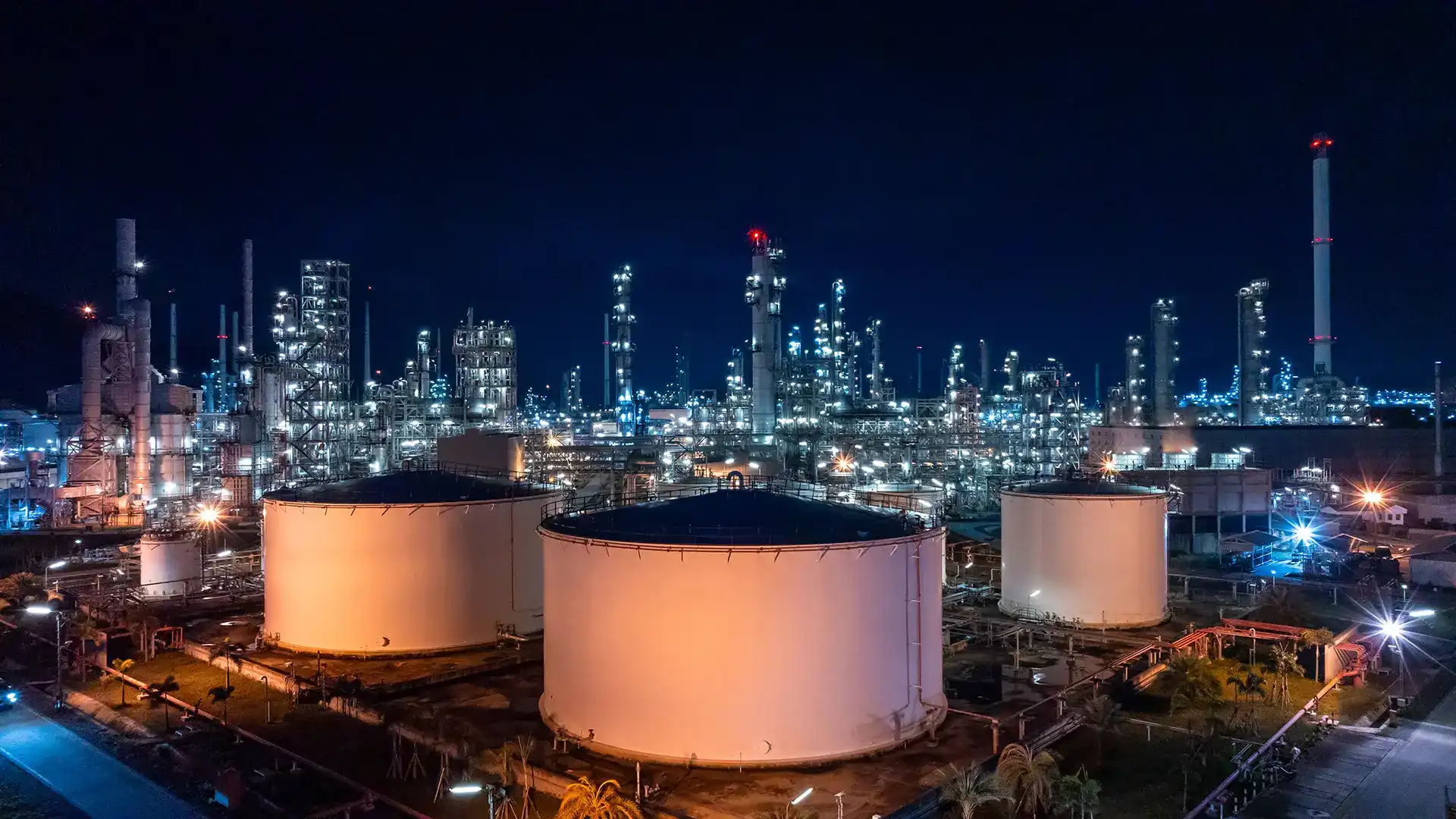
The refinery's desperation became evident in its final weeks, when operators drew roughly 5,000 tonnes of crude trapped in the Single Point Mooring (SPM) pipeline off Maheshkhali plus "dead stock" crude from storage tank bottoms. Operations were officially halted Sunday when the remaining crude level fell below 1 metre — below the typical 1.5-metre threshold for usable crude, making the material unsuitable for use and potentially harmful to equipment. A Single Point Mooring (SPM) — an offshore buoy system that allows large tankers to transfer crude to shore without docking — typically holds several thousand tonnes in its pipeline network. Dead stock — the heavy, impurity-laden crude that settles at tank bottoms — is considered unusable because it contains sediment and water that can damage refinery pumps and processing units. Officials estimated about 33,000 tonnes of crude remained as dead stock across five tanks, but much contained impurities that could damage refinery equipment.
Current oil prices reflect the broader Hormuz crisis: WTI crude trades at $96.57/barrel while Brent stands at $97.15, with Dubai crude around $100.75/barrel according to recent data. For Bangladesh specifically, the margin impact is severe. Consider a typical 100,000-tonne crude cargo that ERL would normally import from Saudi Arabia. Bangladesh Petroleum Corporation (BPC) has secured a replacement shipment from Saudi Aramco with a letter of credit already opened, expected to load from Fujairah port in the UAE on April 21. But this cargo must bypass the Persian Gulf entirely, routing via the Arabian Sea — adding roughly 3-5 days to the journey and increasing freight costs by an estimated $200-300 per tonne. The refinery's complete shutdown means Bangladesh loses approximately $15-20 per tonne in refining margins versus importing finished products.
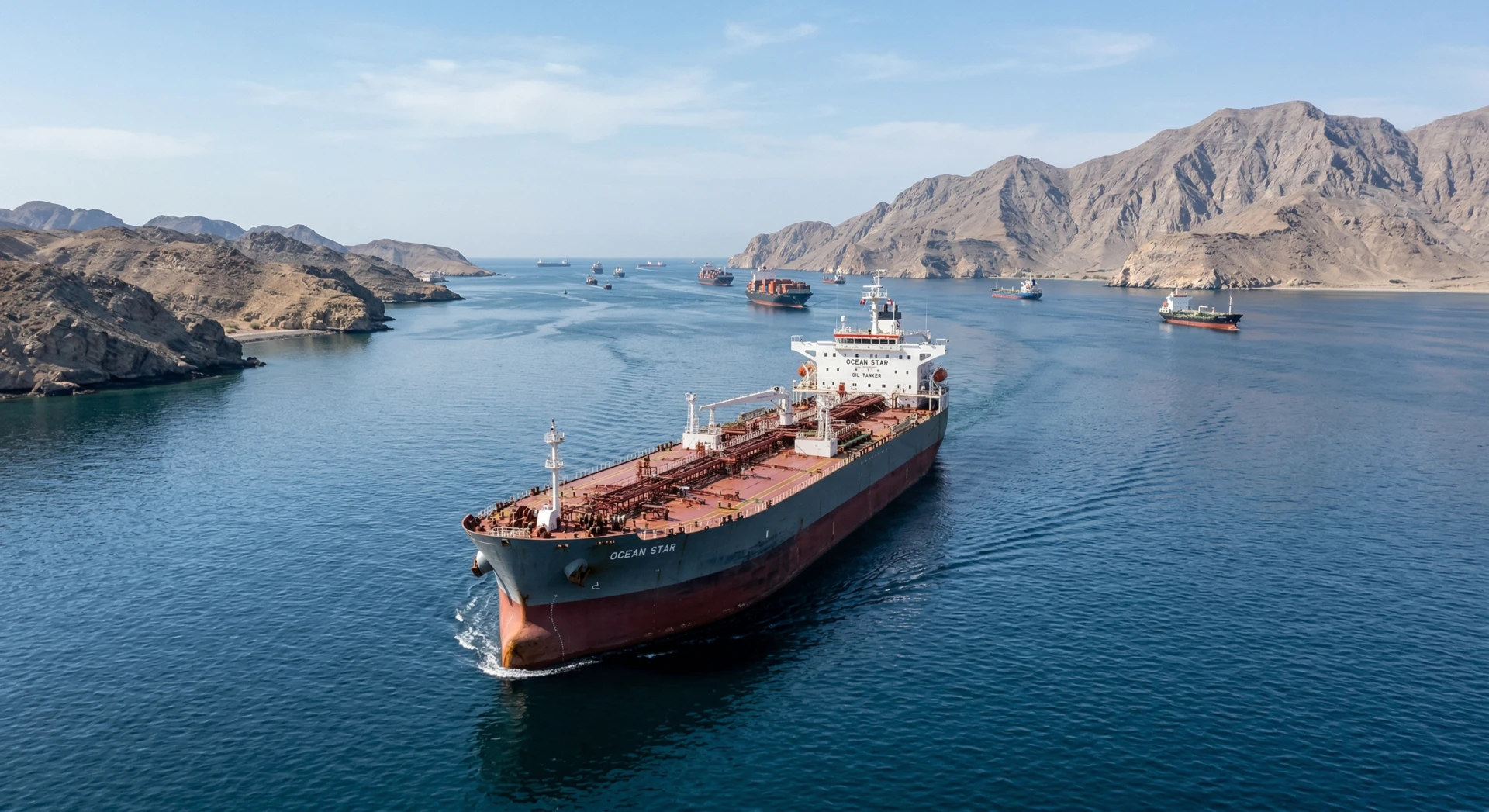
The Strait of Hormuz disruption has reduced shipments by more than 90%, with roughly 20% of the world's oil normally passing through this 33-kilometre chokepoint. Current transits are less than 10% of typical daily flow, with an estimated 500-700 vessels over 10,000 deadweight tonnes stuck in the Persian Gulf. The Strait of Hormuz — a narrow waterway between Iran and Oman — is the most critical energy chokepoint globally. Following ceasefire failures, Iran began controlling traffic and charging tolls of over $1 million per ship. For crude importers, this creates an impossible calculation: pay the toll, find alternative routes adding weeks to transit time, or wait indefinitely for normal passage to resume.
ERL is designed to process only Arabian Light crude from Saudi Arabia and Murban crude from the UAE, limiting operational flexibility. This technical constraint — common among smaller refineries globally — means Bangladesh cannot simply substitute alternative crude grades from other suppliers. Arabian Light is a medium-sour crude (32° API gravity, 1.8% sulphur) that requires specific refinery configurations. The facility processes around 1.5 million tonnes annually, producing petrol, naphtha, furnace oil and diesel, with most of the country's petrol demand met from locally processed condensate at government and private facilities. The shutdown disrupts not just refined product output but also naphtha production — a key blending component that private condensate processors require for petrol and octane manufacturing.
On the buy side: Bangladesh relies heavily on refined fuel imports, bringing in approximately 4.5 million tonnes annually from India and China — a dependence that will now increase dramatically. Indian diesel exporters and Malaysian gasoline suppliers face sudden demand from a buyer that previously met one-fifth of requirements domestically. A proposal to import 100,000 tonnes of refined oil from a Malaysian company has been approved, though costs remain unfinalized. For these suppliers, Bangladesh's shortage represents a supply tightness premium of roughly $2-5 per barrel above normal contract terms. On the sell side: Middle Eastern crude producers face a contracted market as tankers cannot reach buyers like Bangladesh. Approximately 400 loaded oil tankers wait in the Persian Gulf for exit routes, with analysts estimating normal oil flows won't resume until July even if the strait reopens today.
For large integrated traders with derivatives access: The Bangladesh disruption illustrates broader Asian refining exposure to Hormuz flows. Companies like Vitol or Trafigura can hedge this exposure through Dubai crude swaps or Asian gasoline cracks, protecting margins when refineries shut unexpectedly. The relevant instrument is the Dubai-Singapore gasoline crack spread — currently trading at elevated levels reflecting regional refining disruptions. For smaller regional operators without derivatives access: Bangladesh's predicament shows the vulnerability of single-refinery systems. Independent fuel distributors and regional cooperatives must now secure alternative supply through bilateral contracts with Indian or Chinese refiners, typically requiring 30-60 day payment terms and fixed pricing that removes flexibility. The Energy Division assures sufficient refined fuel stocks exist to prevent immediate supply crisis, though longer outages could pressure the broader supply chain.
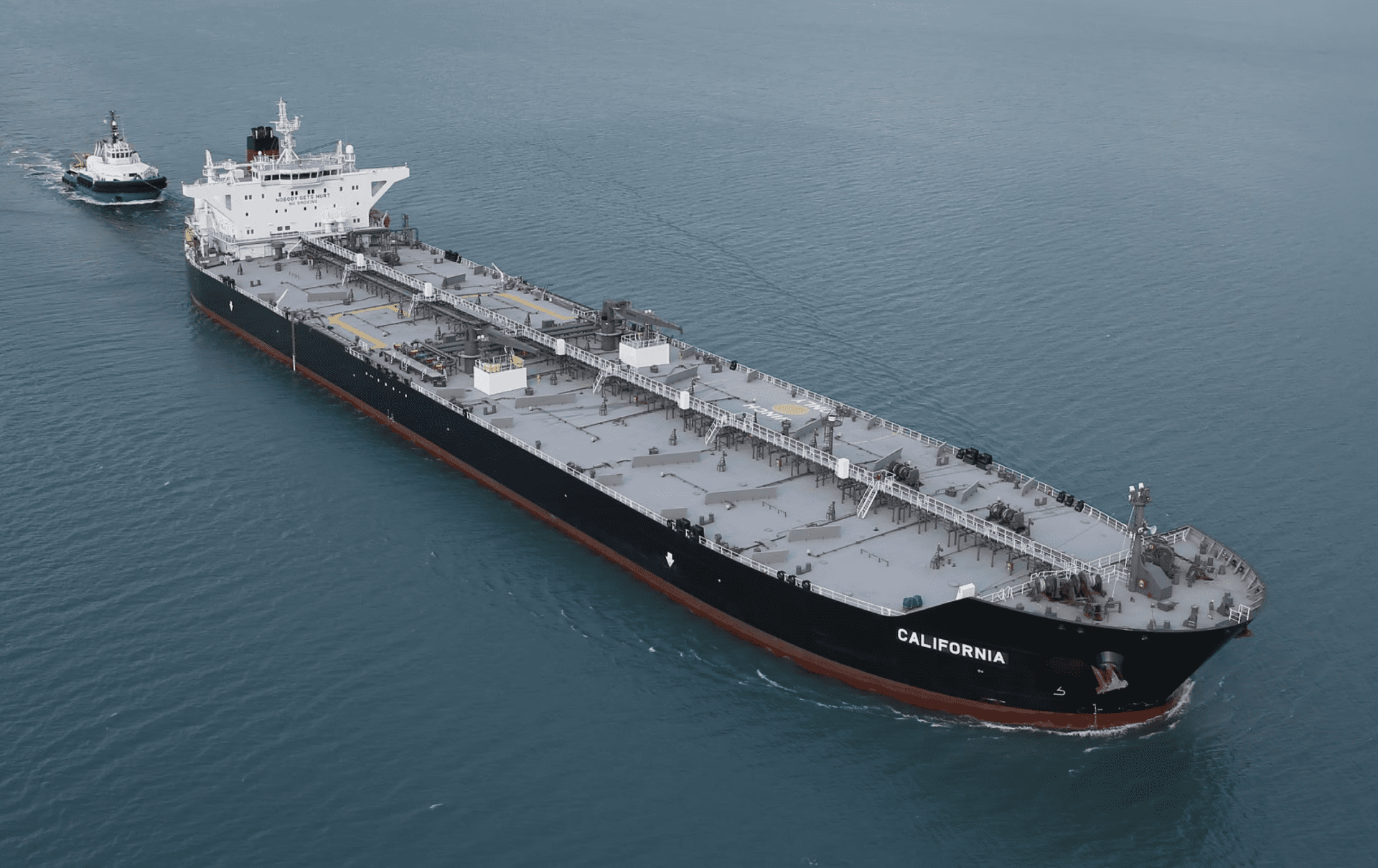
The replacement crude shipment will bypass the Strait of Hormuz entirely, with vessels sailing from Saudi Arabia's Red Sea coast requiring 12-13 days to reach Bangladesh — meaning earliest arrival around May 5. This represents the new reality for energy trade: traditional supply routes through the Persian Gulf have become unreliable, forcing buyers to accept longer transit times and higher freight costs via alternative shipping lanes. Bangladesh's heavy reliance on imported refined products leaves the economy vulnerable to external shocks, with efforts to diversify supply sources and expand regional fuel trading partnerships frequently discussed but yielding no substantial alternatives. The ERL shutdown demonstrates that even a two-week refinery outage can eliminate a country's entire domestic refining margin when storage buffers are inadequate.
For immediate monitoring: Watch the Platts Dubai crude assessment for any premium expansion beyond $100/barrel, indicating continued Asian supply tightness. The Saudi Aramco cargo loading April 21 from Fujairah — bypassing the Persian Gulf — will signal whether alternative routing can maintain Asian crude flows. If this shipment arrives as scheduled in early May, Bangladesh can restart refining operations within days. However, officials warn that prolonged ERL shutdown could create sustained pressure on the supply chain. The key indicator is whether refined product imports can scale fast enough to replace the lost 1.5 million tonnes of annual domestic production — at current import rates, this would require an additional 125,000 tonnes monthly from regional suppliers already managing their own supply constraints.

.jpg)

'%3e%3cg id='Final-Copy-2_2_' transform='translate(1275.000000, 200.000000)'%3e%3cpath class='st0' d='M7.4,12.8h6.8l3.1-11.6H7.4C4.2,1.2,1.6,3.8,1.6,7S4.2,12.8,7.4,12.8z'/%3e%3c/g%3e%3c/g%3e%3c/g%3e%3cg id='final---dec.11-2020'%3e%3cg id='_x30_208-our-toggle' transform='translate(-1275.000000, -200.000000)'%3e%3cg id='Final-Copy-2' transform='translate(1275.000000, 200.000000)'%3e%3cpath class='st1' d='M22.6,0H7.4c-3.9,0-7,3.1-7,7s3.1,7,7,7h15.2c3.9,0,7-3.1,7-7S26.4,0,22.6,0z M1.6,7c0-3.2,2.6-5.8,5.8-5.8 h9.9l-3.1,11.6H7.4C4.2,12.8,1.6,10.2,1.6,7z'/%3e%3cpath id='x' class='st2' d='M24.6,4c0.2,0.2,0.2,0.6,0,0.8l0,0L22.5,7l2.2,2.2c0.2,0.2,0.2,0.6,0,0.8c-0.2,0.2-0.6,0.2-0.8,0 l0,0l-2.2-2.2L19.5,10c-0.2,0.2-0.6,0.2-0.8,0c-0.2-0.2-0.2-0.6,0-0.8l0,0L20.8,7l-2.2-2.2c-0.2-0.2-0.2-0.6,0-0.8 c0.2-0.2,0.6-0.2,0.8,0l0,0l2.2,2.2L23.8,4C24,3.8,24.4,3.8,24.6,4z'/%3e%3cpath id='y' class='st3' d='M12.7,4.1c0.2,0.2,0.3,0.6,0.1,0.8l0,0L8.6,9.8C8.5,9.9,8.4,10,8.3,10c-0.2,0.1-0.5,0.1-0.7-0.1l0,0 L5.4,7.7c-0.2-0.2-0.2-0.6,0-0.8c0.2-0.2,0.6-0.2,0.8,0l0,0L8,8.6l3.8-4.5C12,3.9,12.4,3.9,12.7,4.1z'/%3e%3c/g%3e%3c/g%3e%3c/g%3e%3c/g%3e%3c/svg%3e) Privacy Choices
Privacy Choices