.avif)
.avif)
Emerging market crude oil importers face a 72 hour window to secure letters of credit (LC) bank guarantees ensuring payment upon document presentation before Middle East supply disruptions compound financing costs beyond viable margins. The World Bank's emergency intervention, triggered by client government requests, signals that the 40% crude price spike from February to March has already eliminated working capital buffers for import dependent operators. A typical 50,000 tonne crude cargo to Asia that cost $35 million in February now requires $49 million, while LC spreads have widened by an estimated 200 basis points as correspondent banks reassess Middle East corridor risk. For operators with 90 day financing terms, this financing cost increase adds $245,000 per cargo often exceeding the entire gross margin that existed before the disruption. The cascading effect extends beyond crude oil, nitrogen based fertilizer prices surged nearly 50% in March, forcing agricultural input distributors to either halt new purchases or accept margin destruction that threatens their seasonal working capital cycles.
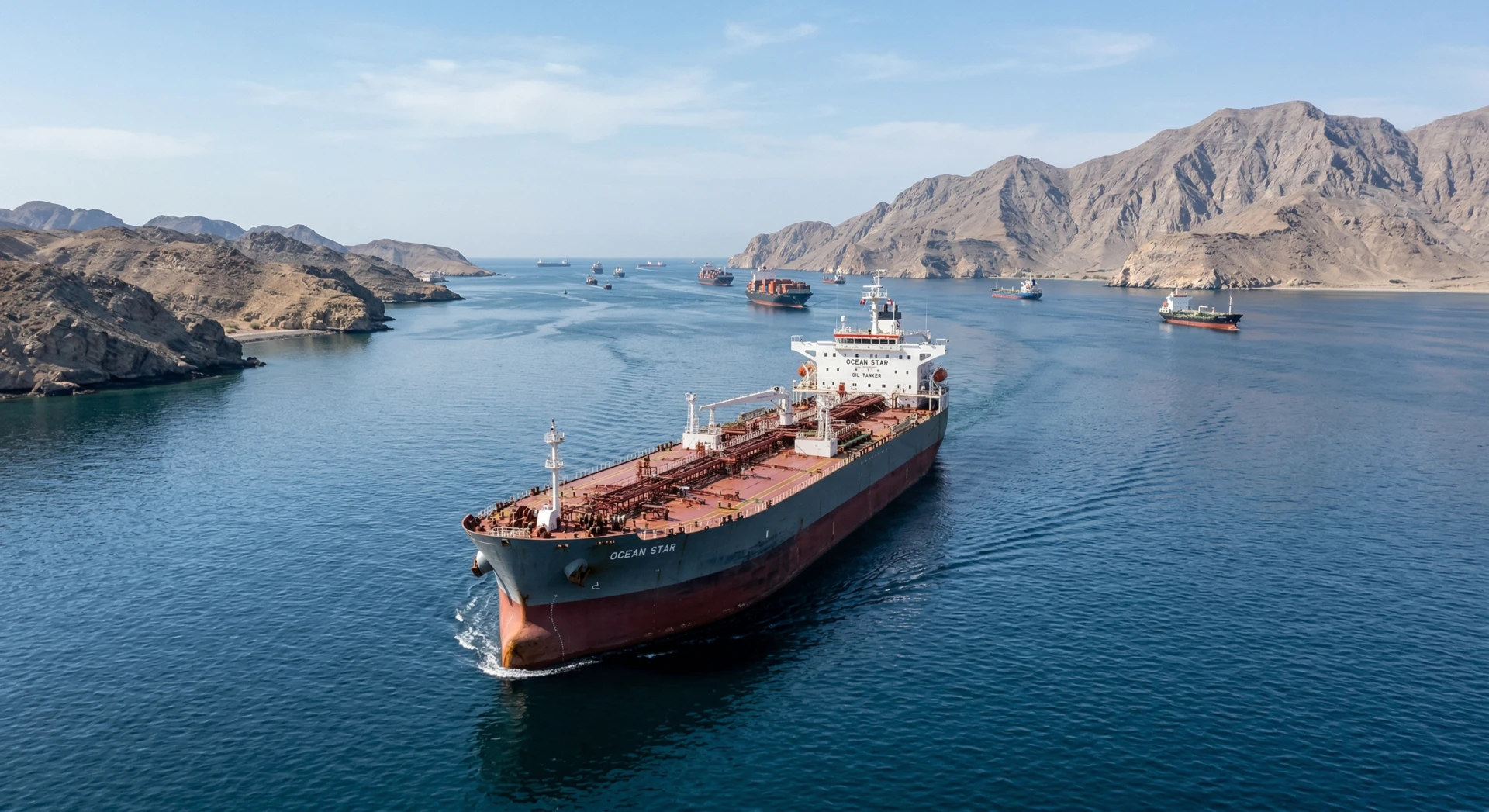
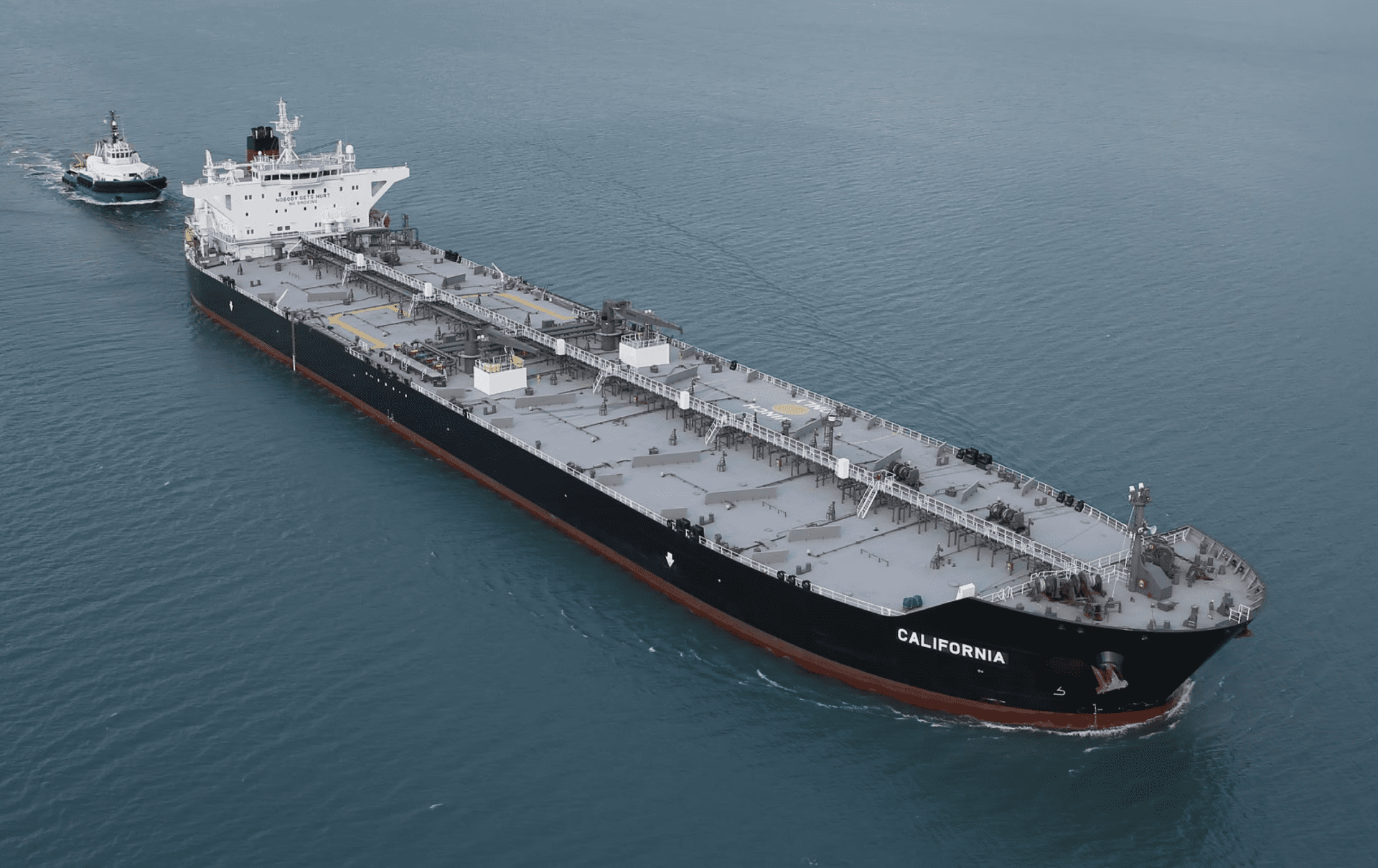
The margin anatomy reveals a simultaneous compression across all major cost components that defines physical commodity trade viability. Feedstock costs the raw crude purchase price jumped 40% as Middle East supply uncertainty created backwardation in oil futures, where near term contracts trade at premiums to forward months reflecting urgent physical supply needs. Freight costs are escalating as shipping route disruptions force longer transit times and higher insurance premiums for vessels transiting affected corridors. A Middle East to Asia crude shipment that previously cost $2.50 per barrel for freight now approaches $4.00 per barrel, adding $200,000 to a standard 50,000 tonne cargo. Financing costs have widened most severely, LC confirmation spreads for emerging market importers have increased from typical levels of 150-200 basis points to 350-400 basis points as international banks reduce exposure to geopolitically sensitive trade flows. Quality premiums remain stable, but end market realization has not kept pace with input cost inflation, creating a margin squeeze that forces operators to choose between accepting losses or suspending operations entirely.
On the buy side, large integrated trading houses with established relationships across multiple supply regions can pivot to alternative crude sources, though at higher costs that compress but do not eliminate margins. Vitol and Trafigura-scale operators maintain credit facilities that can absorb temporary financing cost increases while their derivatives access allows sophisticated hedging strategies to manage price volatility. A major trading house can secure West African or Americas crude as Middle East alternatives, accepting $2-3 per barrel premiums while using financial instruments to lock in forward sales prices. Regional importers without such flexibility face more severe constraints, Indian Oil Corporation and similar national oil companies must maintain supply continuity regardless of margin pressure, forcing them to accept financing terms that would be commercially unviable for private operators. For these buyers, the World Bank's mention of 'liquidity support and trade finance' represents a critical intervention preventing supply disruption to domestic markets that depend entirely on imported crude.
On the sell side, Middle East producers benefit from the price spike but face their own operational constraints as logistics bottlenecks limit their ability to capitalize fully on higher prices. Saudi Aramco and UAE's ADNOC can command premium prices for their crude exports, but shipping capacity limitations prevent them from increasing volumes to maximize revenue from the price environment. Non-Middle East producers gain significant advantage, Norwegian and US shale operators see their previously marginal production become highly profitable as buyers seek alternative sources. For intermediaries, the profit concentration shifts dramatically toward operators with established relationships outside the affected region. Trading houses with long-term contracts for West African crude or North Sea barrels can extract substantial premiums when selling to Asian buyers who previously relied on Middle East supply. The relationship capital built through years of bilateral agreements becomes the determining factor in accessing profitable arbitrage opportunities that pure price based trading cannot capture.
Large integrated operators deploy sophisticated financing structures that provide resilience against temporary market disruptions, while smaller regional players face existential pressures that threaten their continued participation in physical commodity flows. A major international trading house maintains revolving credit facilities exceeding $10 billion with consortium banking arrangements that prevent single point financing failures. These operators can utilize commodity finance structures, including pre-export financing and inventory financing, that allow them to maintain trading positions even when traditional LC markets tighten. Their access to derivatives markets enables complex hedging strategies, buying crude oil futures to lock in purchase prices while simultaneously selling refined product futures to secure margins, effectively insulating their operations from short-term price volatility. Smaller operators typically regional importers with $50-500 million annual trading volumes rely primarily on bilateral LC arrangements with local banks that lack the correspondent banking relationships necessary to navigate disrupted trade routes. These operators cannot access commodity derivatives markets due to capital requirements and credit constraints, forcing them to accept spot price volatility without hedging mechanisms. The World Bank's intervention framework specifically addresses this disparity, offering 'working capital for businesses' that essentially substitutes multilateral credit enhancement for the private sector financing that has become unavailable.
The 72 hour urgency reflects the operational reality that crude oil import schedules cannot accommodate extended financing delays without disrupting downstream refinery operations and fuel supply chains. Refineries require continuous feedstock delivery to maintain optimal utilization rates, a 10 day delay in crude supply forces operational adjustments that can cost $1-2 million in lost efficiency for a typical 200,000 barrel per day facility. The financing constraint creates a cascading effect, import dependent countries that miss their scheduled crude deliveries must either reduce refinery throughput or source replacement barrels at significant premiums from alternative suppliers with immediate availability. Indonesia's Pertamina and Thailand's PTT national oil companies serving domestic markets with limited storage capacity exemplify operators facing this critical decision window. Their governments cannot absorb extended fuel supply disruptions, yet their commercial operations cannot sustain indefinite margin destruction from elevated financing costs. The World Bank's promise of 'immediate financial relief' followed by 'fast disbursing funding tied to sound economic policies' suggests an intervention timeline calibrated to prevent irreversible supply chain breakdown while maintaining commercial discipline for longer-term recovery.
Forward market signals indicate that the financing constraint will persist longer than the initial commodity price spike, with implications extending well beyond current emergency interventions. Agricultural commodity markets are already showing stress as nitrogen fertilizer distributors typically smaller operators with seasonal cash flow patterns face working capital crises that threaten spring planting cycles. The 50% jump in nitrogen based fertilizer prices creates inventory financing requirements that exceed credit facilities calibrated for stable input costs, potentially forcing production delays that would impact global food security months after the initial Middle East disruption. Currency markets reflect the broader financing stress, emerging market currencies with high import dependence are weakening against the dollar, creating additional cost pressure for operators whose commodity purchases are dollar-denominated while their revenues derive from local currency sales. The combination of higher commodity prices, wider financing spreads, and currency depreciation creates a triple squeeze that no individual operator can solve through commercial strategy alone. International financial institutions' coordinated response the World Bank's 'broad-based intervention framework' supported by development partners represents recognition that this financing crisis requires multilateral solutions that extend beyond traditional commodity market mechanisms, setting precedent for how future geopolitical supply shocks will be managed through international financial architecture rather than purely market based adjustments.

.jpg)

'%3e%3cg id='Final-Copy-2_2_' transform='translate(1275.000000, 200.000000)'%3e%3cpath class='st0' d='M7.4,12.8h6.8l3.1-11.6H7.4C4.2,1.2,1.6,3.8,1.6,7S4.2,12.8,7.4,12.8z'/%3e%3c/g%3e%3c/g%3e%3c/g%3e%3cg id='final---dec.11-2020'%3e%3cg id='_x30_208-our-toggle' transform='translate(-1275.000000, -200.000000)'%3e%3cg id='Final-Copy-2' transform='translate(1275.000000, 200.000000)'%3e%3cpath class='st1' d='M22.6,0H7.4c-3.9,0-7,3.1-7,7s3.1,7,7,7h15.2c3.9,0,7-3.1,7-7S26.4,0,22.6,0z M1.6,7c0-3.2,2.6-5.8,5.8-5.8 h9.9l-3.1,11.6H7.4C4.2,12.8,1.6,10.2,1.6,7z'/%3e%3cpath id='x' class='st2' d='M24.6,4c0.2,0.2,0.2,0.6,0,0.8l0,0L22.5,7l2.2,2.2c0.2,0.2,0.2,0.6,0,0.8c-0.2,0.2-0.6,0.2-0.8,0 l0,0l-2.2-2.2L19.5,10c-0.2,0.2-0.6,0.2-0.8,0c-0.2-0.2-0.2-0.6,0-0.8l0,0L20.8,7l-2.2-2.2c-0.2-0.2-0.2-0.6,0-0.8 c0.2-0.2,0.6-0.2,0.8,0l0,0l2.2,2.2L23.8,4C24,3.8,24.4,3.8,24.6,4z'/%3e%3cpath id='y' class='st3' d='M12.7,4.1c0.2,0.2,0.3,0.6,0.1,0.8l0,0L8.6,9.8C8.5,9.9,8.4,10,8.3,10c-0.2,0.1-0.5,0.1-0.7-0.1l0,0 L5.4,7.7c-0.2-0.2-0.2-0.6,0-0.8c0.2-0.2,0.6-0.2,0.8,0l0,0L8,8.6l3.8-4.5C12,3.9,12.4,3.9,12.7,4.1z'/%3e%3c/g%3e%3c/g%3e%3c/g%3e%3c/g%3e%3c/svg%3e) Privacy Choices
Privacy Choices