.avif)
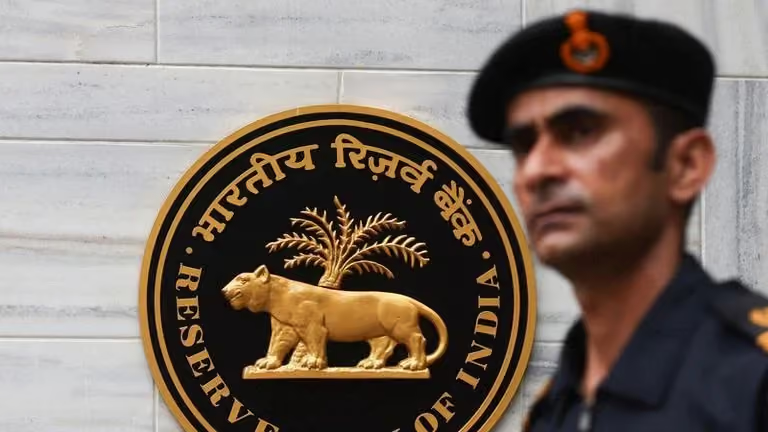
Indian crude importers carrying 300,000 MT monthly procurement face an immediate $12 million additional cost burden in March 2026 as the rupee fell to 95.58 on May 22 from a record low of 97.15 on May 19, triggering the largest RBI intervention since records began. The Reserve Bank sold $53.13 billion net in FY26, with $9.76 billion dumped in March alone equivalent to burning through 11% of total annual intervention capacity in a single month. The arithmetic is stark: every rupee of weakness against the dollar adds approximately 1% to India's $230 billion annual crude import bill, with no operational efficiency available to recover the currency headwind.
The average price of India's crude basket surged from $69 per barrel in February to $113 per barrel in March a 64% spike that reflects both elevated Brent prices and procurement disruption. A standard 2 million barrel VLCC cargo that cost $138 million at February's basket price now costs $226 million at March levels, before factoring in currency depreciation. For a mid-sized Indian refinery processing 200,000 bpd, the combined oil price surge and 4% currency weakness adds roughly $88 million to monthly feedstock costs sufficient to eliminate typical integrated refining margins of $4–6/barrel entirely.
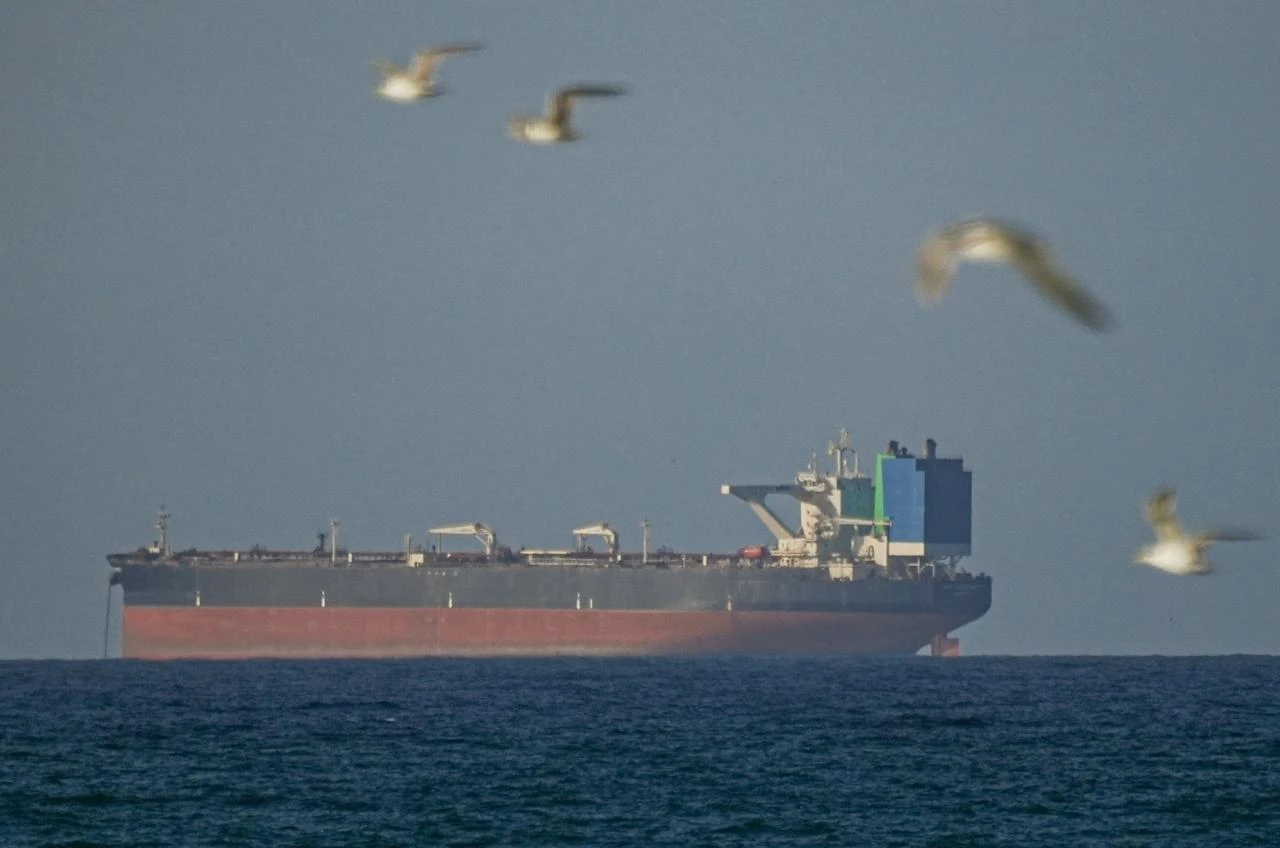
Energy importers drove initial foreign exchange outflows, later magnified by selling from Indian equity and bond investors reducing rupee positions. The margin anatomy reveals where pressure concentrates: state-owned refiners with dollar denominated crude purchase contracts face immediate cash flow stress, while private refiners operating on shorter financing cycles experience compressed working capital ratios. India imports 90% of its oil consumption, with about half transiting the Strait of Hormuz, making it heavily exposed to supply disruptions from the US-Israel war on Iran.
On the buy side: Large integrated refiners like Indian Oil Corporation and Reliance Industries maintain 30–60 day payment terms with international oil traders, creating a natural hedge against short-term currency volatility the March rupee weakness hits procurement contracted in January–February at stronger exchange rates. However, these operators face forward contract repricing pressure as the RBI's outstanding forward dollar sales rose from $77.67 billion in February to $103.06 billion by end-March, signaling sustained intervention appetite that may not extend indefinitely.
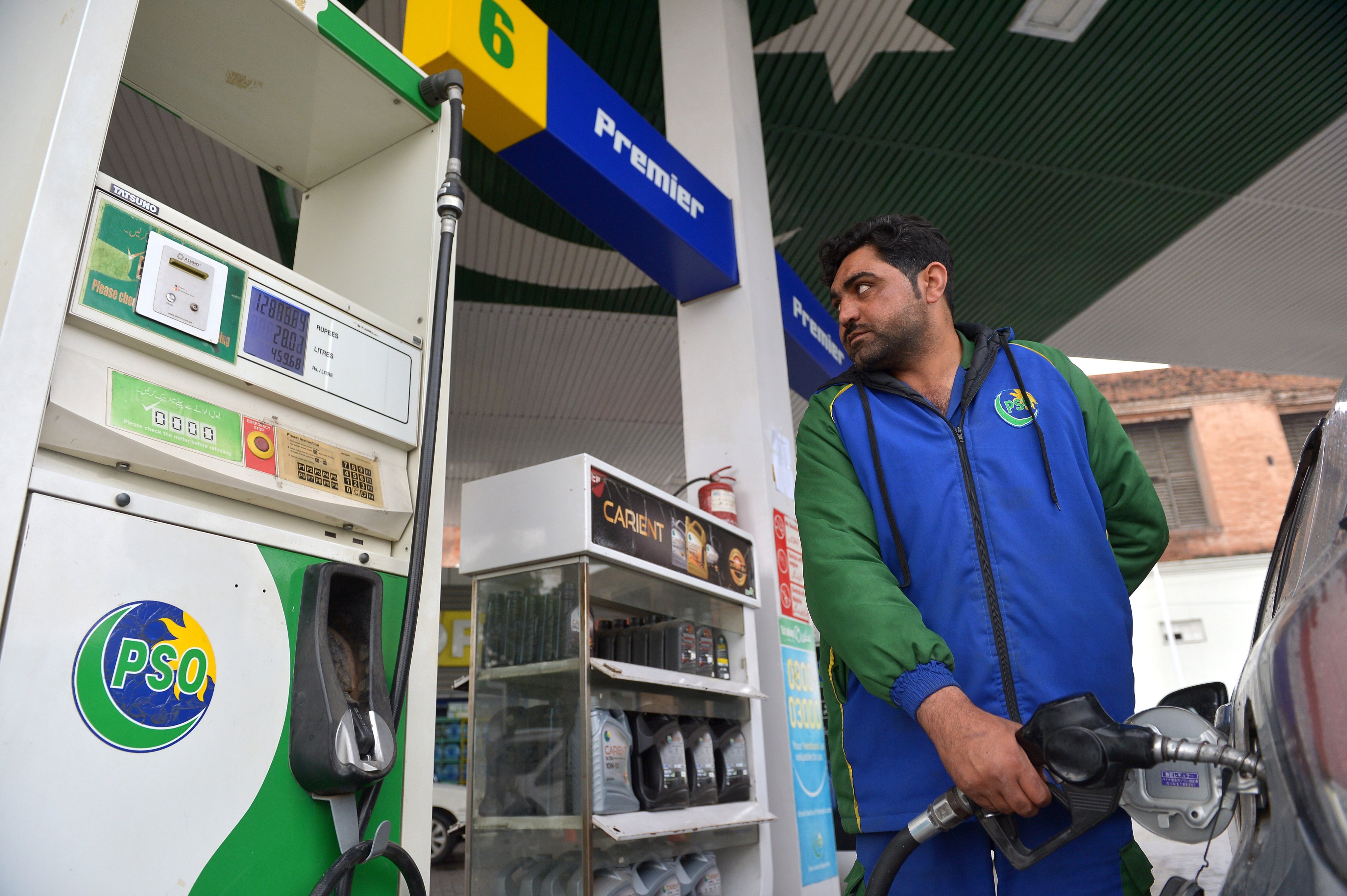
On the sell side: Independent fuel distributors and regional refiners without derivatives access bear the full currency exposure on 15–30 day settlement cycles with crude suppliers. A mid-sized distributor importing 50,000 MT monthly through Singapore spot markets faces an additional $2 million monthly cost at current rupee levels versus February equivalent to 40–50% of typical distribution margins. New Delhi avoided hiking retail fuel prices until recently, making it one of the last major economies to pass higher crude costs to consumers, forcing these operators to absorb margin compression directly.
For large integrated operators with derivatives access: Currency forwards provide protection, but at a cost forward premiums have moderated amid global volatility and rupee pressure, with 12 month USD/INR forwards trading at 200–300 basis points above spot. A major refiner hedging $2 billion annual crude imports pays $4–6 million in forward premium costs, acceptable insurance against currency shock but meaningless protection against the underlying oil price surge that drove March's crisis.
For smaller regional operators without derivatives access: Bilateral contract terms become the primary defense mechanism. These operators increasingly demand shorter payment cycles (7–15 days versus historical 30 days) and price adjustment clauses tied to exchange rate movements. Regional fuel cooperatives diversify suppliers across multiple currencies sourcing Russian crude in rupees, Middle East supplies in dirhams, and US shale through established dollar relationships reducing single-currency exposure at the cost of operational complexity.
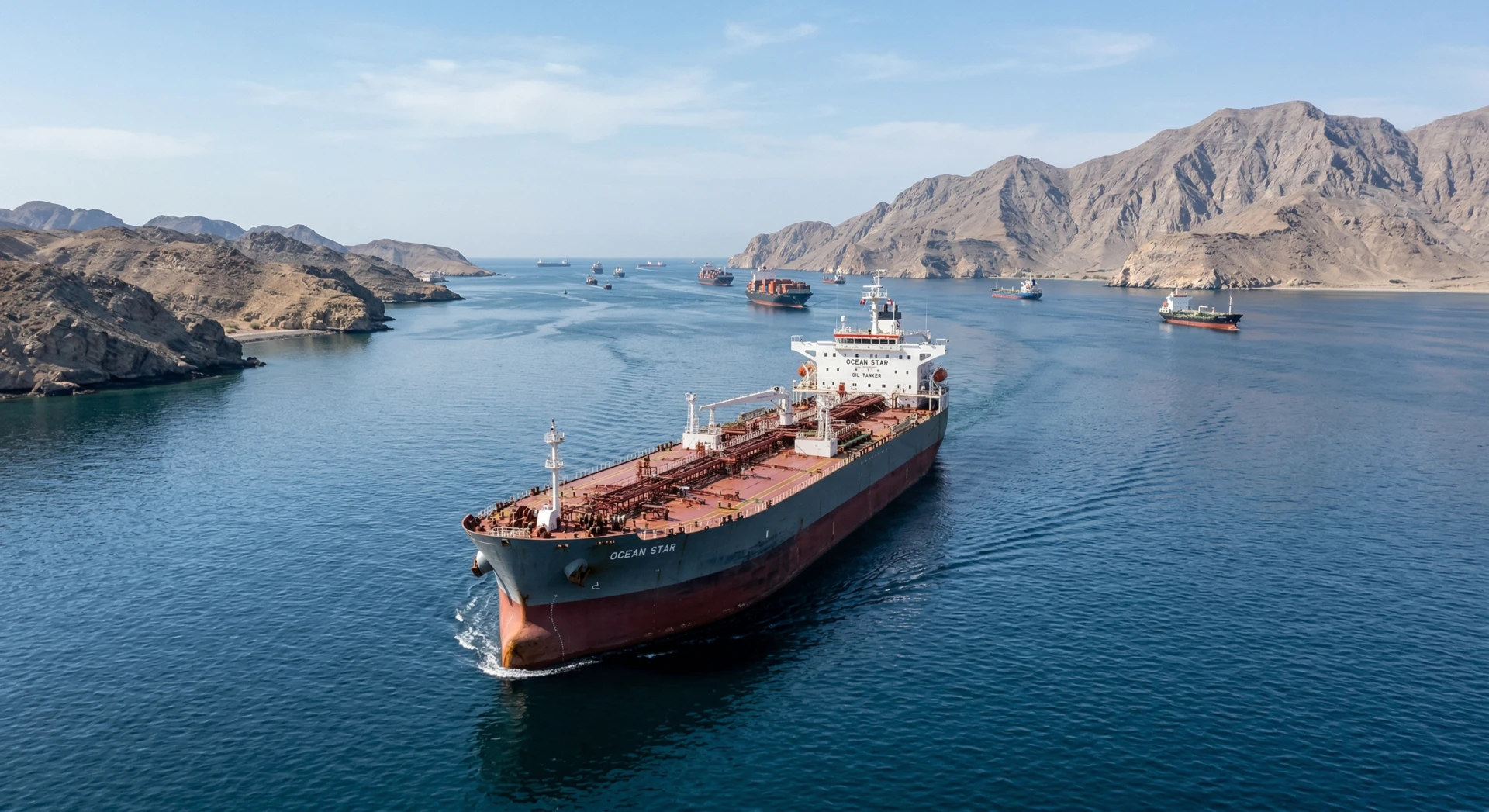
The freight dimension reveals where intervention concentrates margin impact: 17 Indian-flagged vessels await safe passage through the Strait of Hormuz, with seven having crossed recently following diplomatic engagement. Vessel operators charging time charter rates capture currency depreciation benefits when paid in dollars a Suezmax earning $25,000/day in March receives INR 2.4 million daily versus INR 2.25 million at February exchange rates. This 6.7% freight earnings boost partially offsets higher bunker fuel costs but accrues to shipowners, not cargo buyers bearing the oil price shock.
For observers monitoring intervention sustainability: India's foreign exchange reserves cover approximately 10–11 months of projected imports as of March 2026 adequate for extended defense but not indefinite. Watch the RBI's weekly reserve data releases every Friday: drops exceeding $5 billion weekly signal aggressive intervention becoming unsustainable. The RBI is considering interest rate hikes of 50–75 basis points by March 2027 from the current 5.25% if implemented, this signals the central bank shifting from currency defense to inflation targeting, potentially allowing greater rupee weakness but higher domestic financing costs for crude importers.
.jpg)



'%3e%3cg id='Final-Copy-2_2_' transform='translate(1275.000000, 200.000000)'%3e%3cpath class='st0' d='M7.4,12.8h6.8l3.1-11.6H7.4C4.2,1.2,1.6,3.8,1.6,7S4.2,12.8,7.4,12.8z'/%3e%3c/g%3e%3c/g%3e%3c/g%3e%3cg id='final---dec.11-2020'%3e%3cg id='_x30_208-our-toggle' transform='translate(-1275.000000, -200.000000)'%3e%3cg id='Final-Copy-2' transform='translate(1275.000000, 200.000000)'%3e%3cpath class='st1' d='M22.6,0H7.4c-3.9,0-7,3.1-7,7s3.1,7,7,7h15.2c3.9,0,7-3.1,7-7S26.4,0,22.6,0z M1.6,7c0-3.2,2.6-5.8,5.8-5.8 h9.9l-3.1,11.6H7.4C4.2,12.8,1.6,10.2,1.6,7z'/%3e%3cpath id='x' class='st2' d='M24.6,4c0.2,0.2,0.2,0.6,0,0.8l0,0L22.5,7l2.2,2.2c0.2,0.2,0.2,0.6,0,0.8c-0.2,0.2-0.6,0.2-0.8,0 l0,0l-2.2-2.2L19.5,10c-0.2,0.2-0.6,0.2-0.8,0c-0.2-0.2-0.2-0.6,0-0.8l0,0L20.8,7l-2.2-2.2c-0.2-0.2-0.2-0.6,0-0.8 c0.2-0.2,0.6-0.2,0.8,0l0,0l2.2,2.2L23.8,4C24,3.8,24.4,3.8,24.6,4z'/%3e%3cpath id='y' class='st3' d='M12.7,4.1c0.2,0.2,0.3,0.6,0.1,0.8l0,0L8.6,9.8C8.5,9.9,8.4,10,8.3,10c-0.2,0.1-0.5,0.1-0.7-0.1l0,0 L5.4,7.7c-0.2-0.2-0.2-0.6,0-0.8c0.2-0.2,0.6-0.2,0.8,0l0,0L8,8.6l3.8-4.5C12,3.9,12.4,3.9,12.7,4.1z'/%3e%3c/g%3e%3c/g%3e%3c/g%3e%3c/g%3e%3c/svg%3e) Privacy Choices
Privacy Choices