.avif)
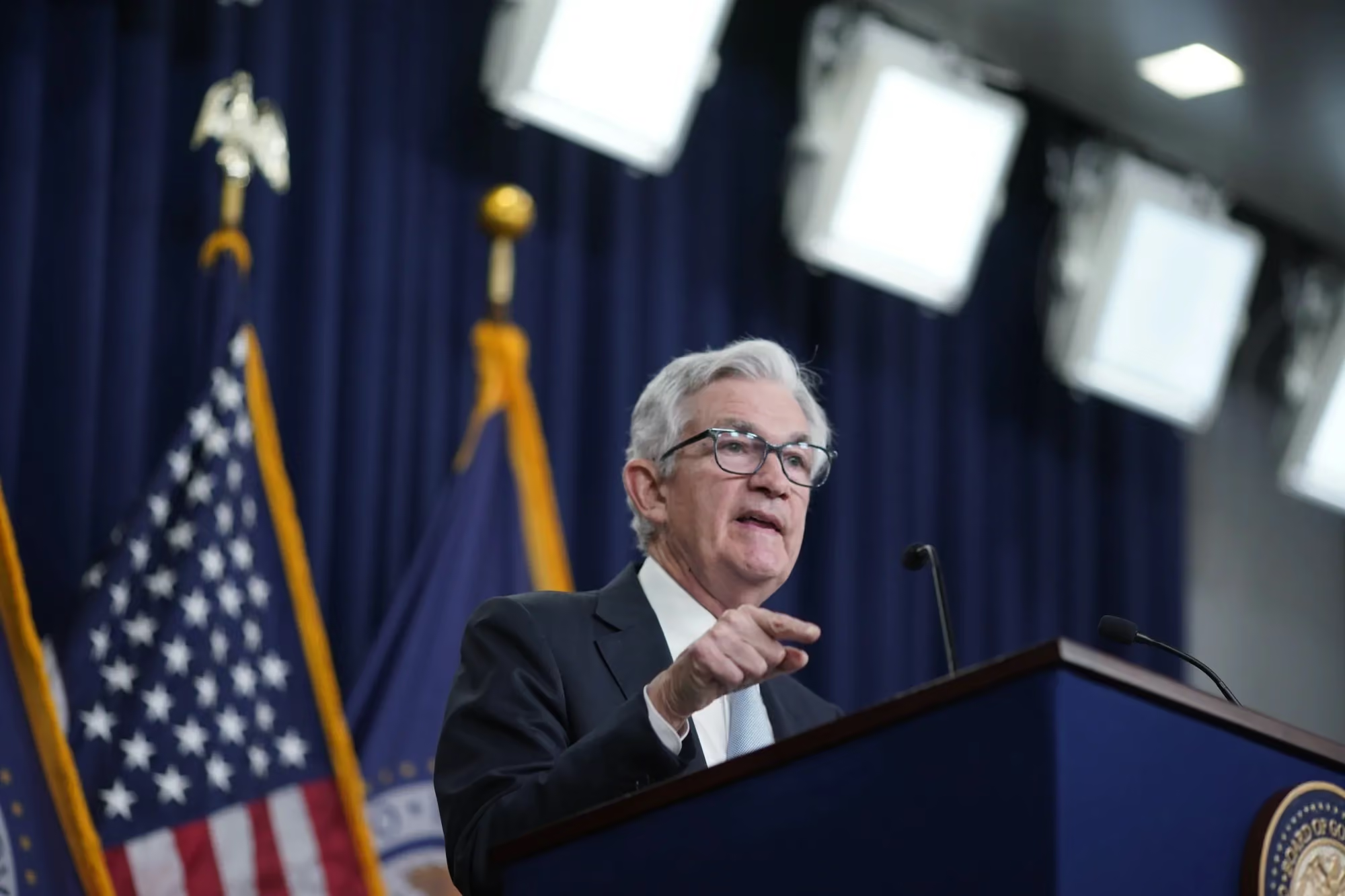
Commodity Trade Financiers face financing cost volatility exceeding $2–4 million per $100 million trade facility as Richmond Fed President Tom Barkin questions whether rate hikes can address supply-driven inflation now running at 3.5% headline PCE. The Fed's overnight benchmark remains at 5.25%–5.50%, but three month SOFR the benchmark underlying most trade finance facilities averaged 5.38% through May 21, 2026. Supply shock inflation differs fundamentally from demand-driven price pressure. As Barkin explained: "Raising rates to weaken demand doesn't address the root cause behind supply shock driven inflation" it cannot "free up trade routes, reopen factories, or melt ice." The distinction matters because commodity financing costs reflect both base rates and risk premiums that compound when central bank signals fracture.
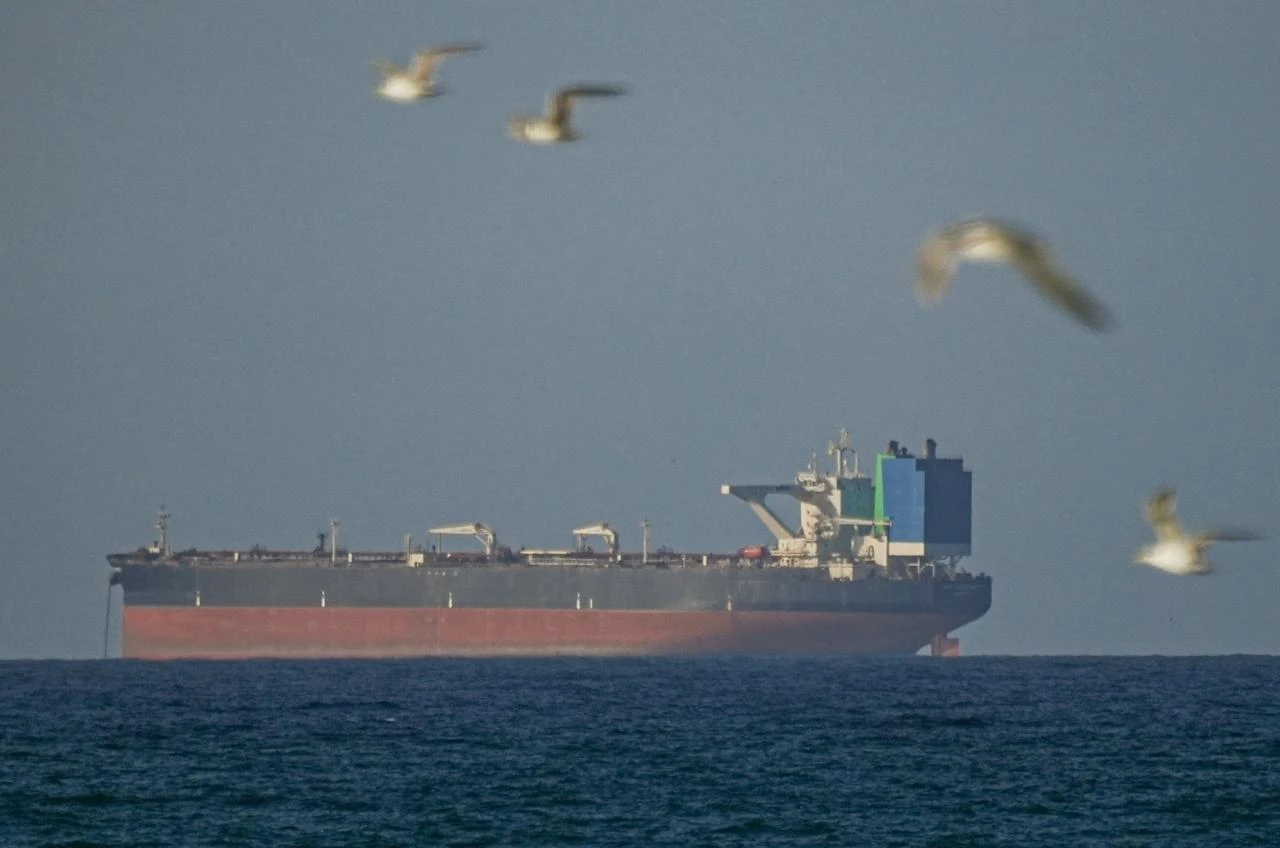
With inflation above the Fed's 2% target for over five years, Barkin questioned "whether the cumulative impact of so many waves risks loosening the anchor" referring to inflation expectations that guide pricing throughout supply chains. A Letter of Credit (LC) a bank guarantee that payment will be made once shipping documents are presented typically prices at SOFR plus 150–300 basis points depending on counterparty risk and commodity type. The ongoing Strait of Hormuz crisis, where Iran has largely blocked shipping since February 28, 2026, demonstrates how supply disruptions compound financing uncertainty. When central banks cannot clearly signal policy direction, trade finance spreads widen as banks demand higher margins for the same exposure. The mechanism is immediate: unclear Fed guidance translates directly into higher all in funding costs for commodity flows.
On the buy side: Commodity importers face a 25 basis point rate increase probability by end 2026 according to federal funds futures, but cannot hedge this uncertainty when the Fed explicitly refuses forward guidance. A mid-sized grain importer financing a $50 million shipment today pays roughly $275,000 more annually per facility versus the 2% rate environment of 2021. On the sell side: Energy exporters confront the reality that "gas prices could take months to fall even after the Strait of Hormuz is reopened," as Barkin noted, creating asymmetric risk where supply normalization lags geopolitical resolution. For traders and intermediaries: The spread between rate volatility and commodity price volatility typically correlated has broken down as policy uncertainty diverges from physical market fundamentals.
For a large integrated trader (Vitol, Trafigura, a national oil company's trading arm) with derivatives access: The "bar for additional tightening may remain relatively high despite elevated headline inflation readings," allowing sophisticated hedging of rate exposure through SOFR futures and basis swaps, typically costing 10–15 basis points of protection. For a smaller regional operator a mid-sized fuel distributor, agricultural cooperative, metals trader without derivatives access: The practical equivalent involves fixing LC terms bilaterally with relationship banks, diversifying counterparties to avoid concentration risk, and maintaining higher cash reserves as "companies are less likely to aggressively raise prices, and workers are less likely to demand significant wage increases in anticipation of persistently higher inflation". Without clear Fed signals, smaller operators cannot efficiently price forward commitments, forcing them to accept shorter term facilities at variable rates or pay higher fixed rate premiums.
For observers: The key signal is inflation expectations data specifically the University of Michigan consumer survey and Treasury breakeven rates which "if...start drifting higher, that would validate Barkin's concerns and likely trigger a more hawkish policy response". Watch the five year, five year forward inflation expectation rate, currently anchored near 2.4%: any sustained move above 2.6% signals the Fed's tolerance for supply shock accommodation is ending, regardless of Barkin's theoretical framework. The timeline is immediate inflation expectations can shift within weeks of persistent supply disruptions, but trade finance facilities are typically structured for 6–18 month terms, creating dangerous maturity mismatches when policy pivots unexpectedly.


.jpg)


'%3e%3cg id='Final-Copy-2_2_' transform='translate(1275.000000, 200.000000)'%3e%3cpath class='st0' d='M7.4,12.8h6.8l3.1-11.6H7.4C4.2,1.2,1.6,3.8,1.6,7S4.2,12.8,7.4,12.8z'/%3e%3c/g%3e%3c/g%3e%3c/g%3e%3cg id='final---dec.11-2020'%3e%3cg id='_x30_208-our-toggle' transform='translate(-1275.000000, -200.000000)'%3e%3cg id='Final-Copy-2' transform='translate(1275.000000, 200.000000)'%3e%3cpath class='st1' d='M22.6,0H7.4c-3.9,0-7,3.1-7,7s3.1,7,7,7h15.2c3.9,0,7-3.1,7-7S26.4,0,22.6,0z M1.6,7c0-3.2,2.6-5.8,5.8-5.8 h9.9l-3.1,11.6H7.4C4.2,12.8,1.6,10.2,1.6,7z'/%3e%3cpath id='x' class='st2' d='M24.6,4c0.2,0.2,0.2,0.6,0,0.8l0,0L22.5,7l2.2,2.2c0.2,0.2,0.2,0.6,0,0.8c-0.2,0.2-0.6,0.2-0.8,0 l0,0l-2.2-2.2L19.5,10c-0.2,0.2-0.6,0.2-0.8,0c-0.2-0.2-0.2-0.6,0-0.8l0,0L20.8,7l-2.2-2.2c-0.2-0.2-0.2-0.6,0-0.8 c0.2-0.2,0.6-0.2,0.8,0l0,0l2.2,2.2L23.8,4C24,3.8,24.4,3.8,24.6,4z'/%3e%3cpath id='y' class='st3' d='M12.7,4.1c0.2,0.2,0.3,0.6,0.1,0.8l0,0L8.6,9.8C8.5,9.9,8.4,10,8.3,10c-0.2,0.1-0.5,0.1-0.7-0.1l0,0 L5.4,7.7c-0.2-0.2-0.2-0.6,0-0.8c0.2-0.2,0.6-0.2,0.8,0l0,0L8,8.6l3.8-4.5C12,3.9,12.4,3.9,12.7,4.1z'/%3e%3c/g%3e%3c/g%3e%3c/g%3e%3c/g%3e%3c/svg%3e) Privacy Choices
Privacy Choices