.avif)
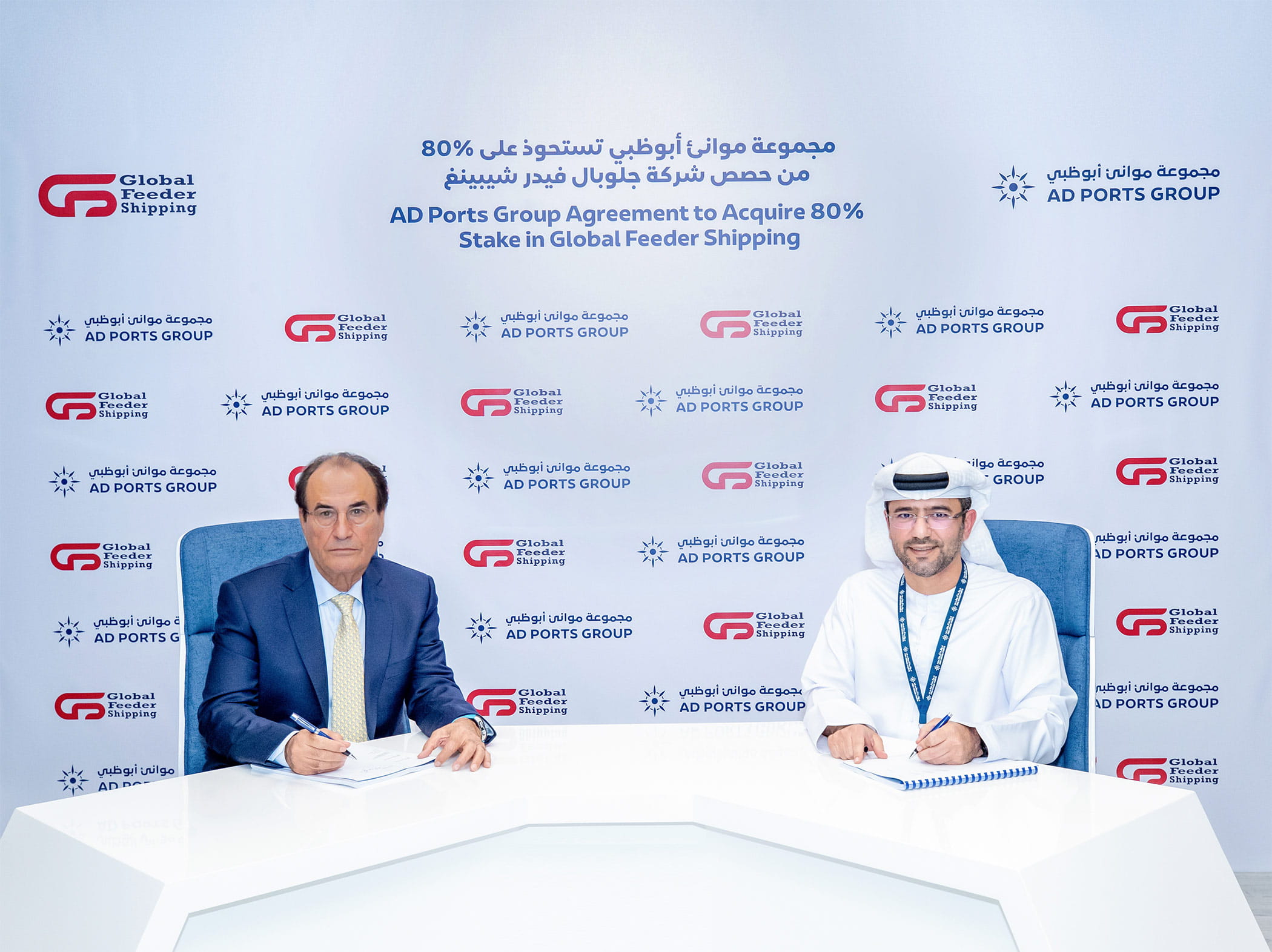
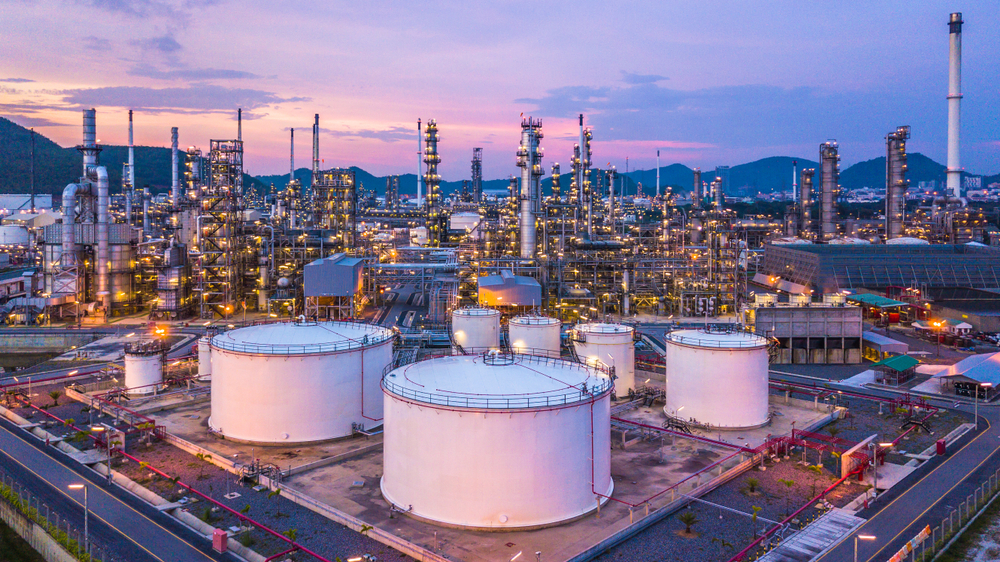
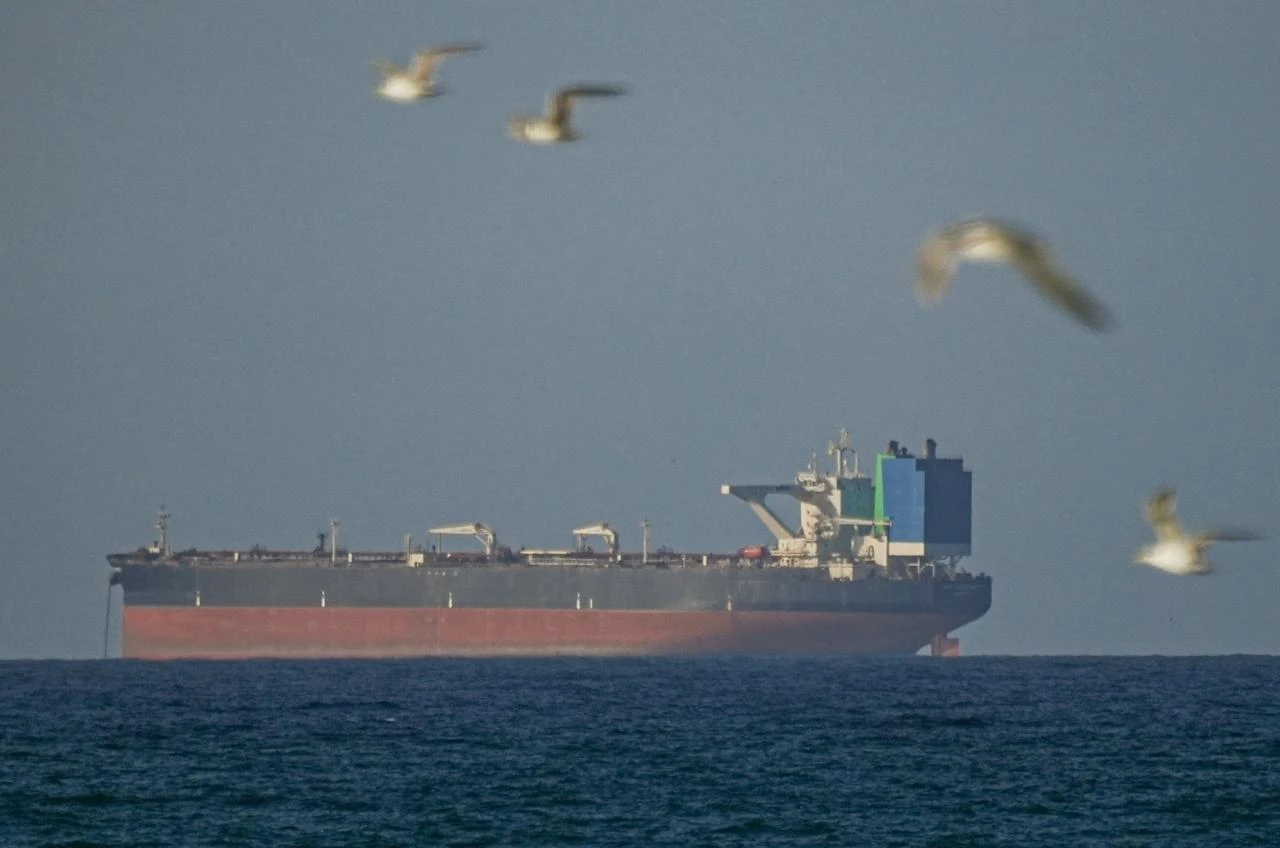
Container feeder operators calling at GCC transshipment hubs face an immediate structural shift in commercial leverage: from 24 June 2026, AD Ports Group controls 81% of Global Feeder Shipping (GFS) the world's fourth largest container feeder line by capacity having paid AED 1.1 billion (approximately USD 300 million) to acquire an additional 30% stake, at a maintained enterprise value of AED 3.67 billion (USD 1 billion). That level of ownership converts GFS from a strategic partnership into an operationally integrated division, one that now sits inside the same group that controls Khalifa Port in Abu Dhabi giving AD Ports a direct commercial lever over which feeder calls move through which hub, at what priority, and on what terms. For independent container feeder operators companies that run small to mid-sized container vessels, typically 500 to 3,000 TEU capacity (a TEU, or Twenty-foot Equivalent Unit, is the standard box measurement, equivalent to one standard shipping container), shuttling cargo between regional ports and major transshipment hubs this matters immediately, because the largest captive feeder network in their operating region is now more deeply aligned with one port owner than it has ever been.
The scale of GFS makes this consequential rather than routine. In 2025, GFS moved 2.8 million TEUs and completed over 700 voyages across 89 ports in 54 countries a footprint spanning the GCC, Indian Subcontinent, Red Sea, Mediterranean, and East Africa. Since AD Ports acquired its initial 51% stake in February 2024, GFS has generated cumulative EBITDA (earnings before interest, tax, depreciation, and amortisation the operational cash profit of the business before financing and accounting adjustments) of more than AED 1.8 billion. That annualises to roughly AED 900 million per year, meaning the incremental 30% stake purchase captures approximately AED 270 million in additional annual EBITDA at current run rates. Critically, enrichment analysis suggests a portion of this earnings surge is directly attributable to the Red Sea disruption premium: when mainline vessels rerouted around the Cape of Good Hope to avoid Houthi attacks, transshipment volumes at GCC hubs particularly Jebel Ali and Khalifa Port spiked sharply, increasing feeder demand and feeder rates simultaneously. The AED 3.67 billion enterprise value was struck against that elevated baseline.
Here is where the arithmetic becomes uncomfortable for the buyer. Consider the valuation mechanics directly: AED 1.8 billion in EBITDA over roughly 18 months implies an enterprise value/EBITDA multiple of approximately 3.6x on a trailing basis which appears disciplined. But if Red Sea normalisation returns Houthi de-escalation, shipping lanes reopening, mainline vessels calling directly at more regional ports transshipment churn at GCC hubs could reduce meaningfully, softening feeder call frequency and compressing GFS's rates. A 20% EBITDA compression from approximately AED 900 million to AED 720 million per year would push the effective acquisition multiple from 3.6x to 5.1x not a disaster, but materially less compelling than the headline implies. AD Ports is essentially betting that GFS's earnings power is structural, not crisis-inflated. That bet may be correct: integrated port-feeder bundling could sustain margins even in a normalised Red Sea environment. But feeder operators watching GFS's pricing behaviour over the next two quarters will see which version of that story is true.
On the buy side, cargo owners and freight forwarders intermediaries that book container space on behalf of shippers who currently route via competing hubs like Jebel Ali face the prospect of AD Ports using GFS berth prioritisation at Khalifa Port to tilt commercial gravity toward Abu Dhabi. A bundled port plus feeder product, offered at a slightly lower total landed cost than a standalone combination, is a structural margin arbitrage: the integrated operator earns margin on both legs while appearing to offer value. For a large integrated shipper or NOC (National Oil Company) trading arm with volume commitments, renegotiating hub agreements before that bundled pricing hardens is the immediate priority. On the sell side, GFS minority shareholders who have exited at the maintained AED 3.67 billion enterprise value received a clean exit at what were peak earnings reasonable optically, but they have surrendered future upside if GFS's integration with Khalifa Port generates synergy driven earnings growth over the next three to five years.
For smaller regional feeder operators independent lines running 1,000–2,000 TEU vessels on Indian Subcontinent or East Africa connections the forward signal to watch is berth allocation policy at Khalifa Port over the next 90 days. If GFS vessels receive demonstrably faster turnaround times (the hours a vessel spends in port between arrival and departure, directly determining voyage economics), independents face a structural cost disadvantage that no rate negotiation fully corrects. A vessel spending 36 hours in port instead of 24 loses a full operating day at USD 8,000–12,000 per day for a vessel of this class, that is USD 8,000–12,000 in additional voyage cost per call, compounding across dozens of annual port calls into a margin gap that is not recoverable. Observers should track Khalifa Port's published vessel turnaround statistics reported quarterly by Abu Dhabi Ports and compare GFS versus independent operator dwell times beginning Q3 2026. Divergence there is the clearest early signal that integration has converted commercial alignment into operational preference.
.jpg)

'%3e%3cg id='Final-Copy-2_2_' transform='translate(1275.000000, 200.000000)'%3e%3cpath class='st0' d='M7.4,12.8h6.8l3.1-11.6H7.4C4.2,1.2,1.6,3.8,1.6,7S4.2,12.8,7.4,12.8z'/%3e%3c/g%3e%3c/g%3e%3c/g%3e%3cg id='final---dec.11-2020'%3e%3cg id='_x30_208-our-toggle' transform='translate(-1275.000000, -200.000000)'%3e%3cg id='Final-Copy-2' transform='translate(1275.000000, 200.000000)'%3e%3cpath class='st1' d='M22.6,0H7.4c-3.9,0-7,3.1-7,7s3.1,7,7,7h15.2c3.9,0,7-3.1,7-7S26.4,0,22.6,0z M1.6,7c0-3.2,2.6-5.8,5.8-5.8 h9.9l-3.1,11.6H7.4C4.2,12.8,1.6,10.2,1.6,7z'/%3e%3cpath id='x' class='st2' d='M24.6,4c0.2,0.2,0.2,0.6,0,0.8l0,0L22.5,7l2.2,2.2c0.2,0.2,0.2,0.6,0,0.8c-0.2,0.2-0.6,0.2-0.8,0 l0,0l-2.2-2.2L19.5,10c-0.2,0.2-0.6,0.2-0.8,0c-0.2-0.2-0.2-0.6,0-0.8l0,0L20.8,7l-2.2-2.2c-0.2-0.2-0.2-0.6,0-0.8 c0.2-0.2,0.6-0.2,0.8,0l0,0l2.2,2.2L23.8,4C24,3.8,24.4,3.8,24.6,4z'/%3e%3cpath id='y' class='st3' d='M12.7,4.1c0.2,0.2,0.3,0.6,0.1,0.8l0,0L8.6,9.8C8.5,9.9,8.4,10,8.3,10c-0.2,0.1-0.5,0.1-0.7-0.1l0,0 L5.4,7.7c-0.2-0.2-0.2-0.6,0-0.8c0.2-0.2,0.6-0.2,0.8,0l0,0L8,8.6l3.8-4.5C12,3.9,12.4,3.9,12.7,4.1z'/%3e%3c/g%3e%3c/g%3e%3c/g%3e%3c/g%3e%3c/svg%3e) Privacy Choices
Privacy Choices