.avif)
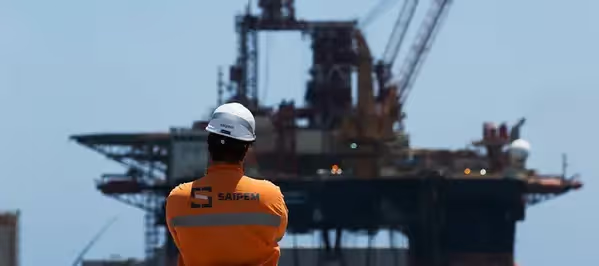
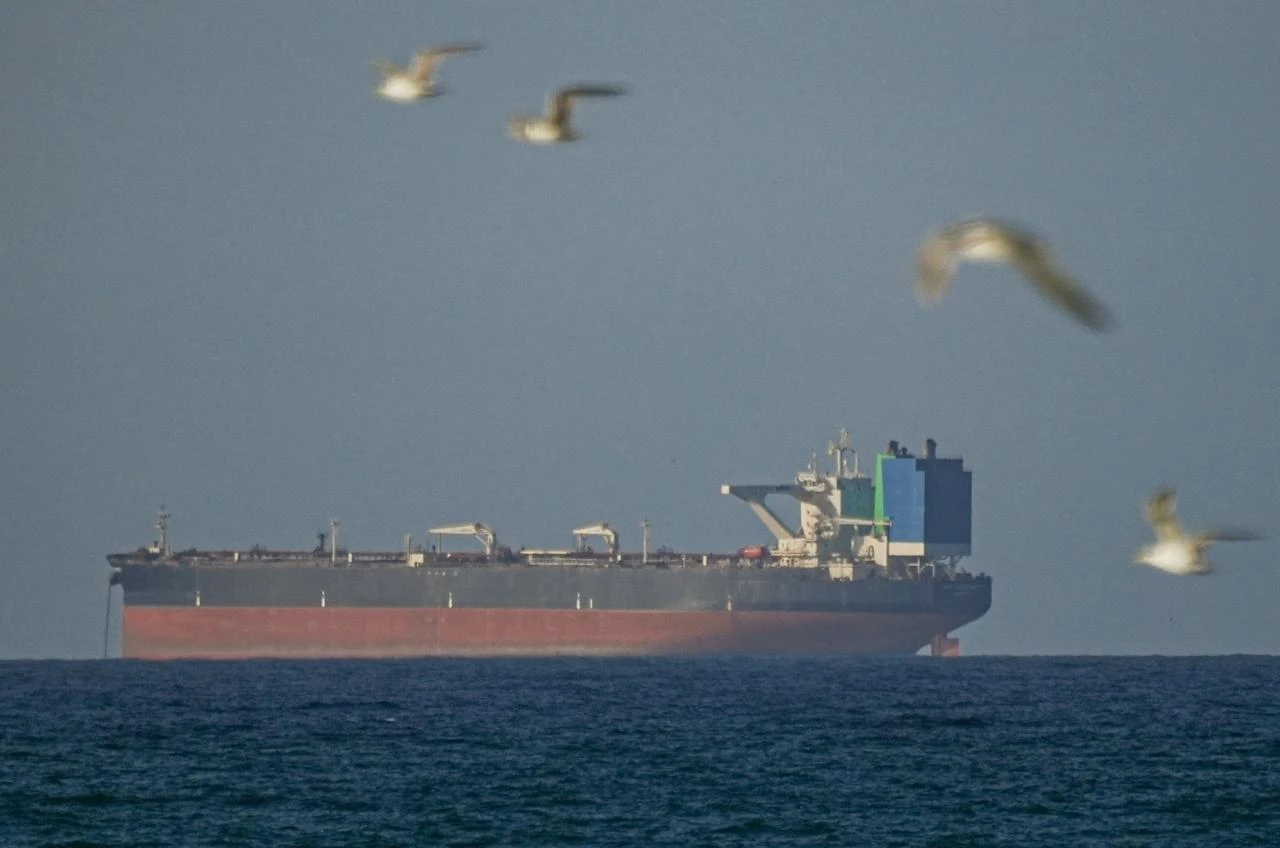
Adani Ports is investing $1.36 billion through fiscal year 2031 to expand its European offshore presence through its marine unit Astro Offshore, positioning the Indian conglomerate for higher margin subsea services just as the International Maritime Organization warns of an 89,510 officer shortfall by 2026. The company targets a 200 vessel fleet with specialised offshore capabilities and marine revenue of INR 60 billion ($627 million) by FY31. The flagship addition is the 97 metre DP2 multipurpose support vessel Astro Atlas (formerly Energy Savannah), capable of operating in water depths exceeding 3,000 metres, equipped with a 150 tonne subsea crane, secondary crane, moonpool, and accommodation for up to 100 personnel.
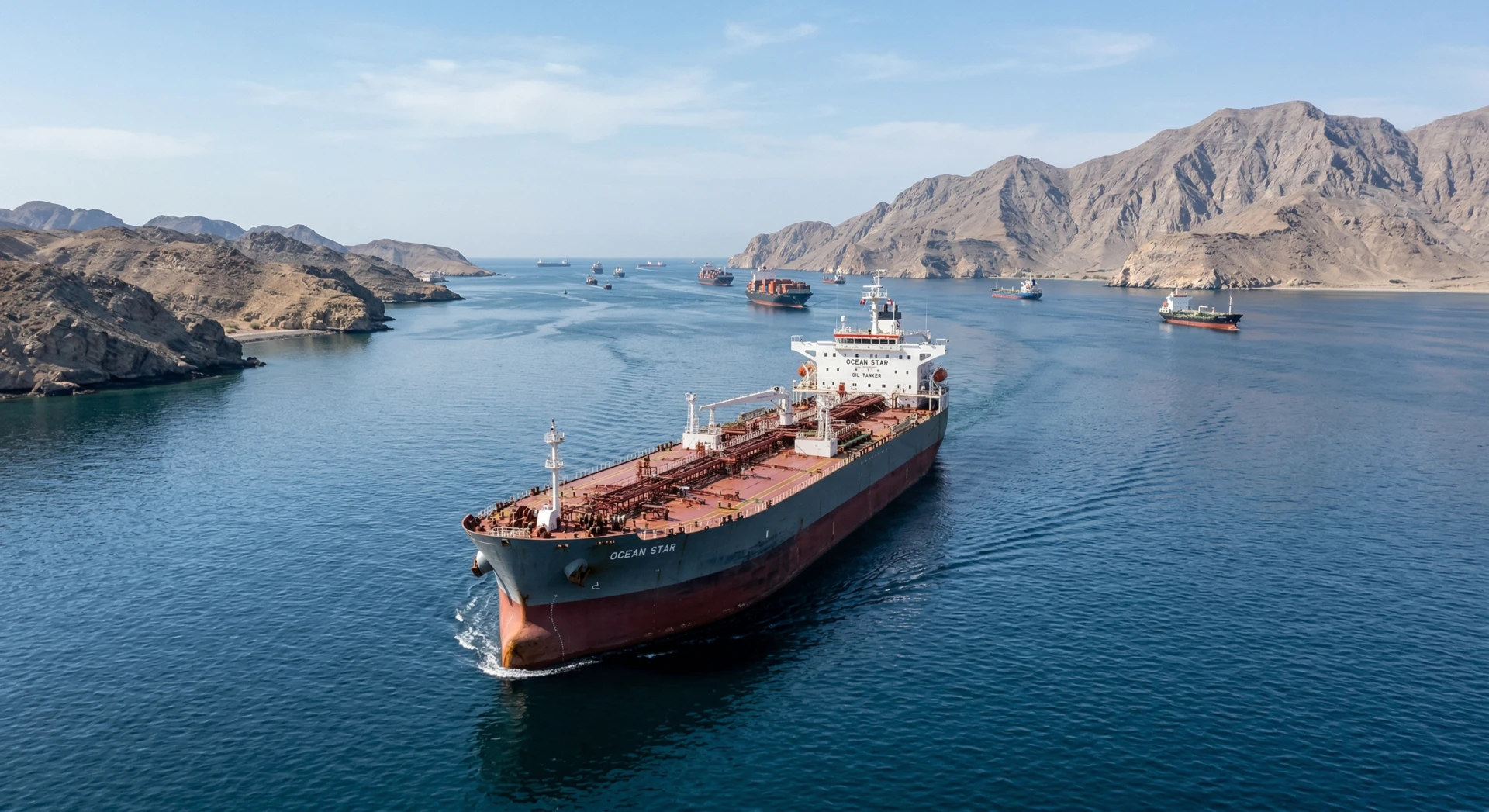
Time charter rates for offshore support vessels specialised ships providing logistics, anchor handling, and subsea construction services to oil platforms and offshore wind farms reflect supply-demand imbalance. Platform supply vessels (PSVs) are forecast to reach all-time highs in the North Sea in 2024, with Standard Supply achieving $19,400 per day average rates in Q4 2023, while a PSV commenced a two to three month contract at $34,000 per day off Germany. DP 2 day rates pushed beyond $25,000 in the North Sea by mid-2024, with vessel owners possessing young, high specification fleets positioned to capture full rate contracts, whereas aging tonnage faces cold stacking. PSV charter rates have increased by 14% over the last year due to rising demand.
On the buy side: European offshore wind developers require specialised vessels for turbine installation and maintenance operations at unprecedented scale. European and Asian developers are commissioning gigawatt scale arrays that rely on specialized service operation vessels, cable lay support, and crew transfer units, with Cadeler securing a $500 million award in 2025 for Ørsted's Hornsea 3 project. Daily rates reflect equipment scarcity an offshore wind installation vessel can earn $200,000-300,000 per day during peak installation seasons. On the sell side: Solstad left eight vessels idle in 2024 because it could not source DP operators and chief engineers, with achieving DP Unlimited certification requiring 180 days of sea time plus coursework, creating a two year training pipeline, while acute deficits in Asia-Pacific force operators to import European crew at premium wages.
For large integrated marine operators (Tidewater, Bourbon, Solstad): Modern vessels with ≥15,000 bollard pull are running above 82% utilisation, enabling premium contract negotiations. These operators can afford to keep aging tonnage cold stacked rather than compete on day rates. Multi-purpose supply vessels represent about 28% of the market with over 1,300 MPSVs in operation, with 180 vessels added between 2022 and 2023. For smaller regional operators independent vessel owners, family controlled fleets, emerging market entrants like Adani the offshore maritime sector is grappling with a critical and growing human capital crisis, with the adoption of the newest vessel technologies, such as complicated hybrid propulsion systems, innovative dynamic positioning, and wind farm based equipment, demanding a more technical and diverse skillset. The crew bottleneck limits fleet utilisation regardless of vessel availability.
For observers: Monitor Baltic Exchange's OSV charter rates index and European offshore wind installation vessel utilisation rates through Q4 2026. APSEZ's move aligns with its long-term roadmap to develop a 200 vessel fleet by FY31, targeting marine revenue of Rs 6,000 crore and planned capital expenditure of Rs 13,000 crore. More projects mean more vessels active, with shortage of qualified DP operators and chief engineers if you're Senior Dynamic Positioning Operator (SDPO), you can negotiate 10-15% above posted rates. European offshore vessel charter rates reaching new highs while skilled crew shortages persist indicates structural supply constraints that will define industry margins through 2027.
.jpg)

'%3e%3cg id='Final-Copy-2_2_' transform='translate(1275.000000, 200.000000)'%3e%3cpath class='st0' d='M7.4,12.8h6.8l3.1-11.6H7.4C4.2,1.2,1.6,3.8,1.6,7S4.2,12.8,7.4,12.8z'/%3e%3c/g%3e%3c/g%3e%3c/g%3e%3cg id='final---dec.11-2020'%3e%3cg id='_x30_208-our-toggle' transform='translate(-1275.000000, -200.000000)'%3e%3cg id='Final-Copy-2' transform='translate(1275.000000, 200.000000)'%3e%3cpath class='st1' d='M22.6,0H7.4c-3.9,0-7,3.1-7,7s3.1,7,7,7h15.2c3.9,0,7-3.1,7-7S26.4,0,22.6,0z M1.6,7c0-3.2,2.6-5.8,5.8-5.8 h9.9l-3.1,11.6H7.4C4.2,12.8,1.6,10.2,1.6,7z'/%3e%3cpath id='x' class='st2' d='M24.6,4c0.2,0.2,0.2,0.6,0,0.8l0,0L22.5,7l2.2,2.2c0.2,0.2,0.2,0.6,0,0.8c-0.2,0.2-0.6,0.2-0.8,0 l0,0l-2.2-2.2L19.5,10c-0.2,0.2-0.6,0.2-0.8,0c-0.2-0.2-0.2-0.6,0-0.8l0,0L20.8,7l-2.2-2.2c-0.2-0.2-0.2-0.6,0-0.8 c0.2-0.2,0.6-0.2,0.8,0l0,0l2.2,2.2L23.8,4C24,3.8,24.4,3.8,24.6,4z'/%3e%3cpath id='y' class='st3' d='M12.7,4.1c0.2,0.2,0.3,0.6,0.1,0.8l0,0L8.6,9.8C8.5,9.9,8.4,10,8.3,10c-0.2,0.1-0.5,0.1-0.7-0.1l0,0 L5.4,7.7c-0.2-0.2-0.2-0.6,0-0.8c0.2-0.2,0.6-0.2,0.8,0l0,0L8,8.6l3.8-4.5C12,3.9,12.4,3.9,12.7,4.1z'/%3e%3c/g%3e%3c/g%3e%3c/g%3e%3c/g%3e%3c/svg%3e) Privacy Choices
Privacy Choices