.avif)
.avif)
The US consideration of deploying up to 10,000 additional ground troops to West Asia with potential positioning near Iran's Kharg Island transforms generic military posturing into acute crude supply disruption risk. Kharg Island handles 90% of Iranian crude exports, processing approximately 1.6 million barrels per day through deep-water terminals that serve as Iran's economic lifeline.
Experts suggest the deployment of the 82nd Airborne Division is aimed directly at Iranian strategic interests including Kharg Island, though officials have not clarified exact deployment locations or operational roles. The island's strategic vulnerability stems from its concentration of Iranian export infrastructure on a single terminal roughly 25 kilometers off Iran's coast in the northern Persian Gulf.
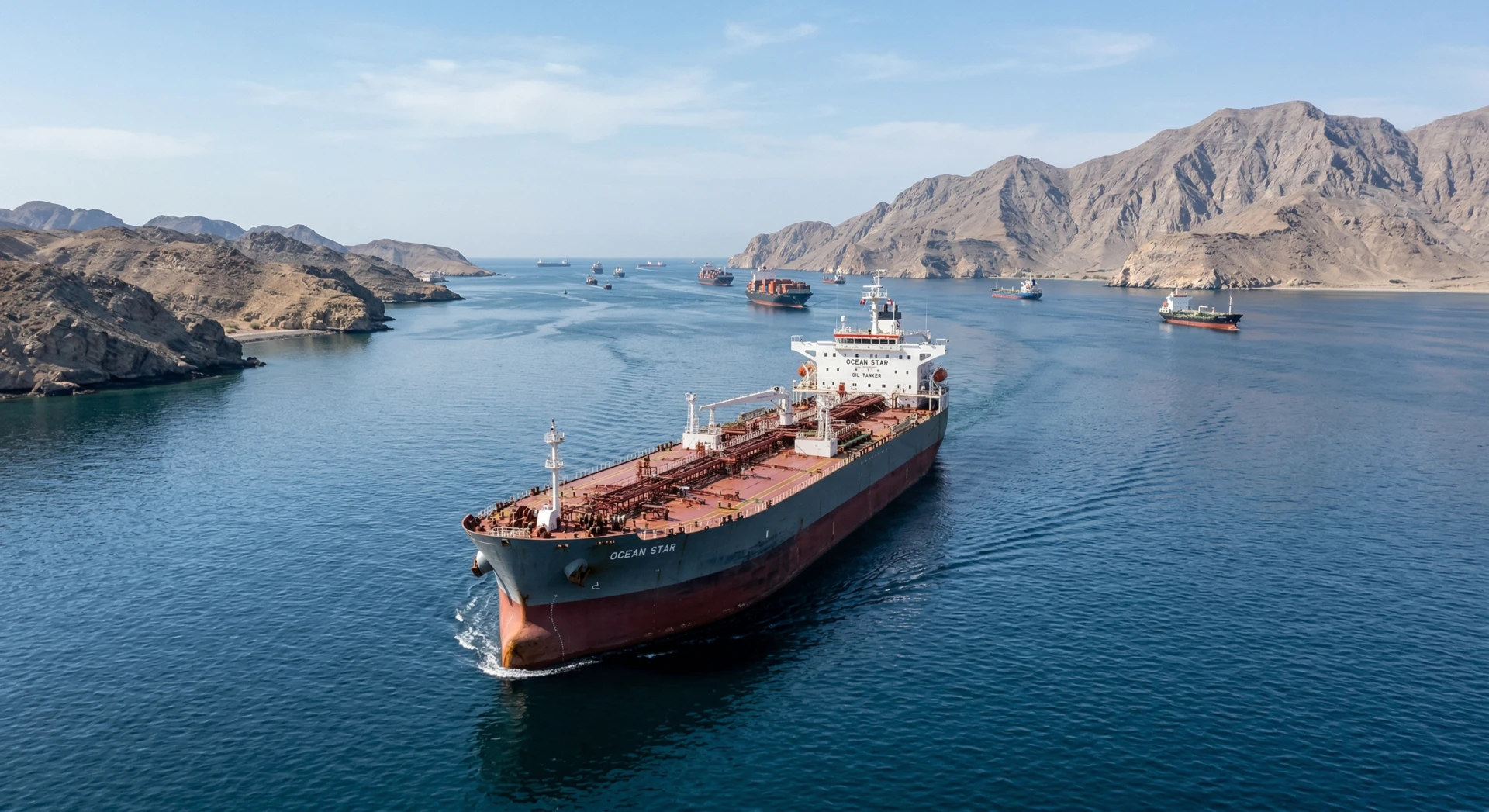
The April 6 diplomatic deadline creates a defined timeline for supply disruption scenarios. President Trump extended Iran's requested seven day pause on American strikes targeting energy infrastructure to ten days, but military operations continue. This compressed timeframe forces immediate commercial decisions across crude supply chains. For VLCC charterers operating MEG-Asia routes, war risk insurance costs face immediate expansion while freight rates may spike due to reduced vessel availability in Gulf waters. The combination of potential military action and existing Strait of Hormuz closures creates compounding risk premiums across the charter market. Iranian crude buyers confront supply security challenges as war risk premiums potentially increase acquisition costs while destination realization remains stable, compressing margins.
LC confirmation spreads for Iranian crude trade face immediate widening as correspondent banks reassess exposure to sanctioned jurisdiction transactions. Alternative crude suppliers benefit from expanded end-market realization as buyers pay premiums for non-Gulf barrels. West African and US crude exporters gain market share advantages as refiners evaluate supply diversification ahead of potential Iranian shortfalls. Kharg Island's concentration risk extends beyond single-terminal vulnerability.
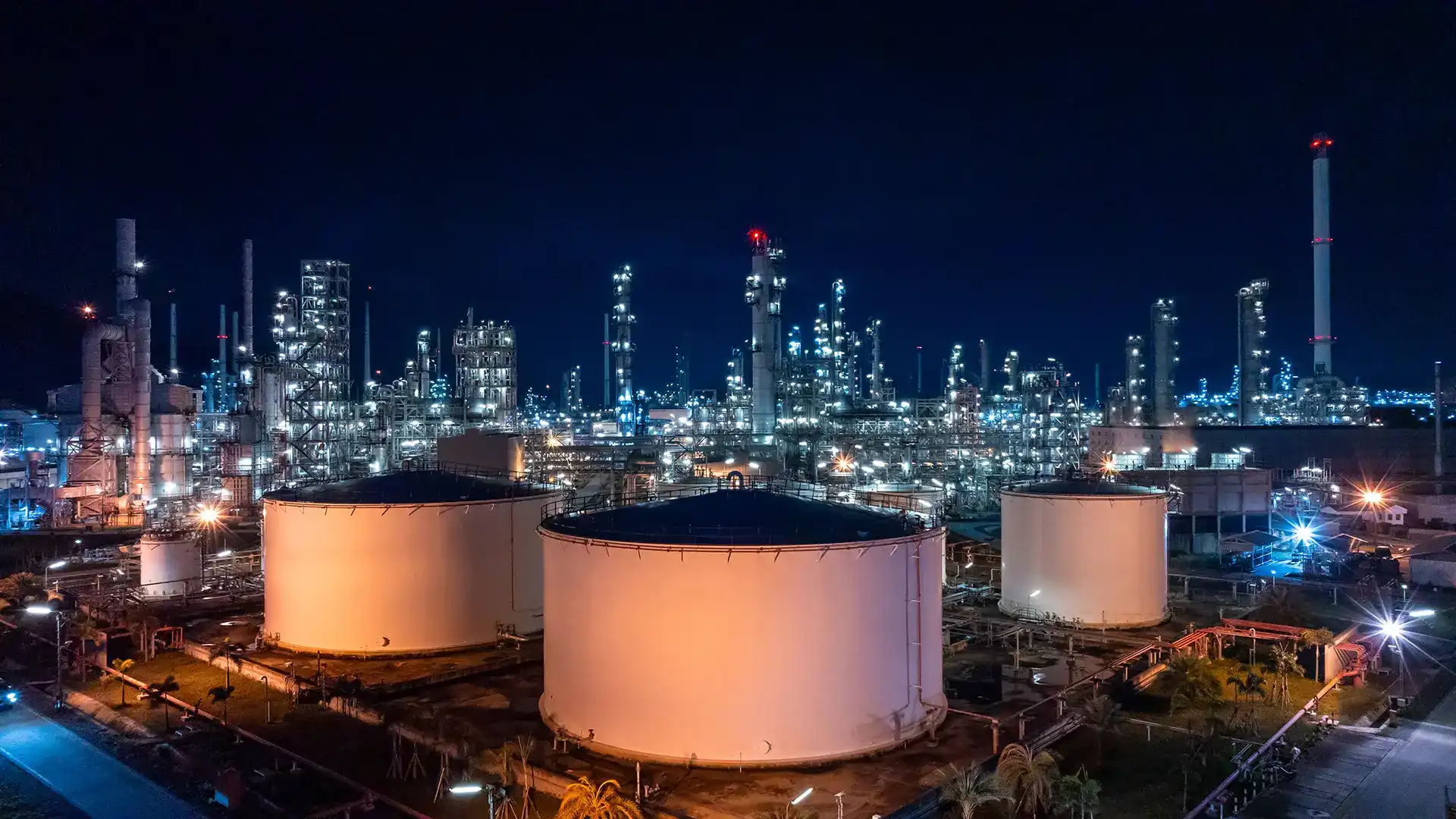
The island provides 31 million barrels of storage capacity and connects to Iran's major offshore fields through submarine pipeline networks. Any sustained disruption would immediately threaten most of Iran's export capacity and send shockwaves through regional supply chains. Iran has reportedly begun defensive preparations, moving additional military personnel and air defenses to Kharg Island while laying anti-personnel and anti-armor mines around potential landing zones. These preparations signal Tehran's recognition of the terminal's strategic vulnerability.
The structural reality remains that no combination of alternative Iranian export terminals can replace Kharg's capacity on any practical timeline. The Jask terminal outside the Strait of Hormuz offers strategic bypass potential but operates at minimal volumes compared to Kharg's throughput.
The specific targeting of Kharg Island proximity transforms this deployment from routine military posturing into immediate crude supply chain disruption risk. The April 6 diplomatic deadline creates compressed decision timelines that force war risk repricing across Gulf crude flows, while alternative suppliers position to capture market share from potential Iranian shortfalls. The concentration of 90% of Iranian crude exports through a single vulnerable terminal exposes structural supply chain brittleness that markets have yet to fully price.
Key takeaways
• US consideration of deploying 10,000 additional troops to West Asia targets proximity to Kharg Island, which handles 90% of Iranian crude exports.
• The April 6 diplomatic deadline creates a defined timeline for supply disruption scenarios affecting 1.6 million barrels per day of Iranian crude flows.
• VLCC charterers face immediate war risk premium decisions while crude buyers must evaluate supply security for Iranian barrels ahead of potential military action.
• Alternative crude suppliers benefit from expanding end-market realization as buyers pay premiums for non-Gulf barrels, while Iranian crude acquisition costs face war risk premiums.
Operator breakdown
• VLCC charterers on MEG-Asia routes: Reassessing Gulf charter commitments and repricing war risk insurance coverage.
Position: War risk exposure with potential vessel unavailability in Gulf waters.
• Iranian crude oil buyers: Evaluating crude supply diversification and alternative supplier agreements.
Position: Supply security risk with potential 1.6 million bpd shortfall.
• Alternative crude suppliers: Leveraging existing refiner relationships to capture premium pricing for non-Gulf barrels.
Position: Market share opportunity from Iranian supply disruption.
• LC confirmation desks for Iranian crude trade: Widening confirmation spreads and reassessing documentary trade risk exposure.
Position: Correspondent bank exposure to sanctioned jurisdiction transactions.
• Crude oil storage tank operators in alternative export hubs: Maximizing tank utilization rates and expanding storage capacity commitments.
Position: Increased storage demand from supply route diversification.
The TD3C VLCC route moving above $80,000/day would signal war risk premiums are fully absorbing charter market uncertainty. Brent-Dubai widening beyond $3.50/barrel would indicate Asian refiners are paying premiums for non-Middle East supply. War risk insurance rates for Gulf transits exceeding 0.75% of cargo value would signal underwriters are pricing acute military threat scenarios into Middle East crude flows.
.jpg)
.jpg)

'%3e%3cg id='Final-Copy-2_2_' transform='translate(1275.000000, 200.000000)'%3e%3cpath class='st0' d='M7.4,12.8h6.8l3.1-11.6H7.4C4.2,1.2,1.6,3.8,1.6,7S4.2,12.8,7.4,12.8z'/%3e%3c/g%3e%3c/g%3e%3c/g%3e%3cg id='final---dec.11-2020'%3e%3cg id='_x30_208-our-toggle' transform='translate(-1275.000000, -200.000000)'%3e%3cg id='Final-Copy-2' transform='translate(1275.000000, 200.000000)'%3e%3cpath class='st1' d='M22.6,0H7.4c-3.9,0-7,3.1-7,7s3.1,7,7,7h15.2c3.9,0,7-3.1,7-7S26.4,0,22.6,0z M1.6,7c0-3.2,2.6-5.8,5.8-5.8 h9.9l-3.1,11.6H7.4C4.2,12.8,1.6,10.2,1.6,7z'/%3e%3cpath id='x' class='st2' d='M24.6,4c0.2,0.2,0.2,0.6,0,0.8l0,0L22.5,7l2.2,2.2c0.2,0.2,0.2,0.6,0,0.8c-0.2,0.2-0.6,0.2-0.8,0 l0,0l-2.2-2.2L19.5,10c-0.2,0.2-0.6,0.2-0.8,0c-0.2-0.2-0.2-0.6,0-0.8l0,0L20.8,7l-2.2-2.2c-0.2-0.2-0.2-0.6,0-0.8 c0.2-0.2,0.6-0.2,0.8,0l0,0l2.2,2.2L23.8,4C24,3.8,24.4,3.8,24.6,4z'/%3e%3cpath id='y' class='st3' d='M12.7,4.1c0.2,0.2,0.3,0.6,0.1,0.8l0,0L8.6,9.8C8.5,9.9,8.4,10,8.3,10c-0.2,0.1-0.5,0.1-0.7-0.1l0,0 L5.4,7.7c-0.2-0.2-0.2-0.6,0-0.8c0.2-0.2,0.6-0.2,0.8,0l0,0L8,8.6l3.8-4.5C12,3.9,12.4,3.9,12.7,4.1z'/%3e%3c/g%3e%3c/g%3e%3c/g%3e%3c/g%3e%3c/svg%3e) Privacy Choices
Privacy Choices