.avif)
.avif)
Malaysian gasoline importers face an unprecedented RM4.3 billion monthly additional cost burden as the government absorbs surging global fuel prices through its BUDI95 subsidy programme, up from RM700 million when the programme launched in January. With Brent crude hitting $114.44/barrel on May 4, 2026, rising 5.80% from the previous day, the arithmetic is stark. Consider a mid-sized fuel importer bringing in 50,000 tonnes of gasoline monthly. At current subsidy levels, the government is effectively absorbing approximately $35-40 per tonne in global price increases money that would otherwise flow directly to importers' cost structures. Prime Minister Anwar Ibrahim maintains Malaysia's RM1.99 a litre RON95 petrol ranks among the world's cheapest, beaten only by countries such as Brunei.
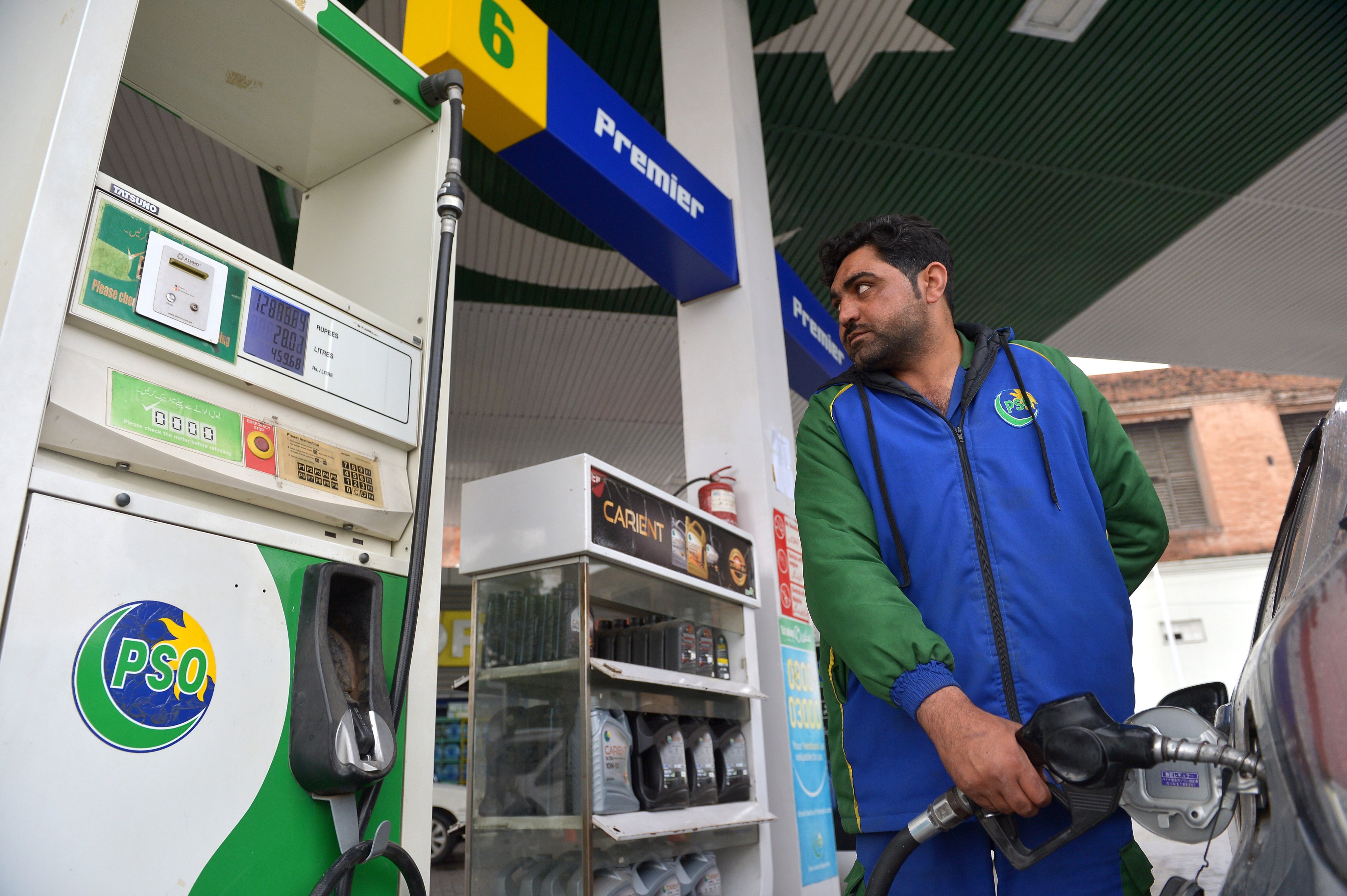
The BUDI95 subsidy which provides targeted fuel assistance to eligible Malaysian citizens has ballooned from RM700 million monthly at its January launch to RM5 billion monthly at current levels. The mechanism is straightforward: eligible Malaysians pay RM1.99 per litre while the government absorbs the difference between that fixed price and market rates. For context, unsubsidised RON95 petrol was priced at RM3.87 per litre in late March, representing an RM1.88 per litre gap the government covers. This translates to roughly RM1,880 per tonne of subsidy meaning importers receive market price while consumers pay the subsidised rate, with Treasury funding the difference.
Malaysia maintains supply security through established relationships with Iran, Russia, Turkmenistan and Uzbekistan, according to Anwar. This creates a complex risk profile for Malaysian gasoline importers. On the buy side, importers benefit from diversified supply sources at competitive prices Iran and Russia often offer discounts to market benchmarks due to sanctions pressure. However, these relationships carry latent compliance risk. Current Middle East tensions, with Iranian attacks on UAE infrastructure and tanker strikes near the strait, underscore the volatility of relying on sanctions-exposed suppliers. For a large integrated trader like a national oil company's commercial arm, hedging instruments and alternative supplier networks provide cushions. For smaller regional importers without derivatives access, supply disruption from a sanctions vulnerable source means scrambling for replacement volumes at premium pricing.
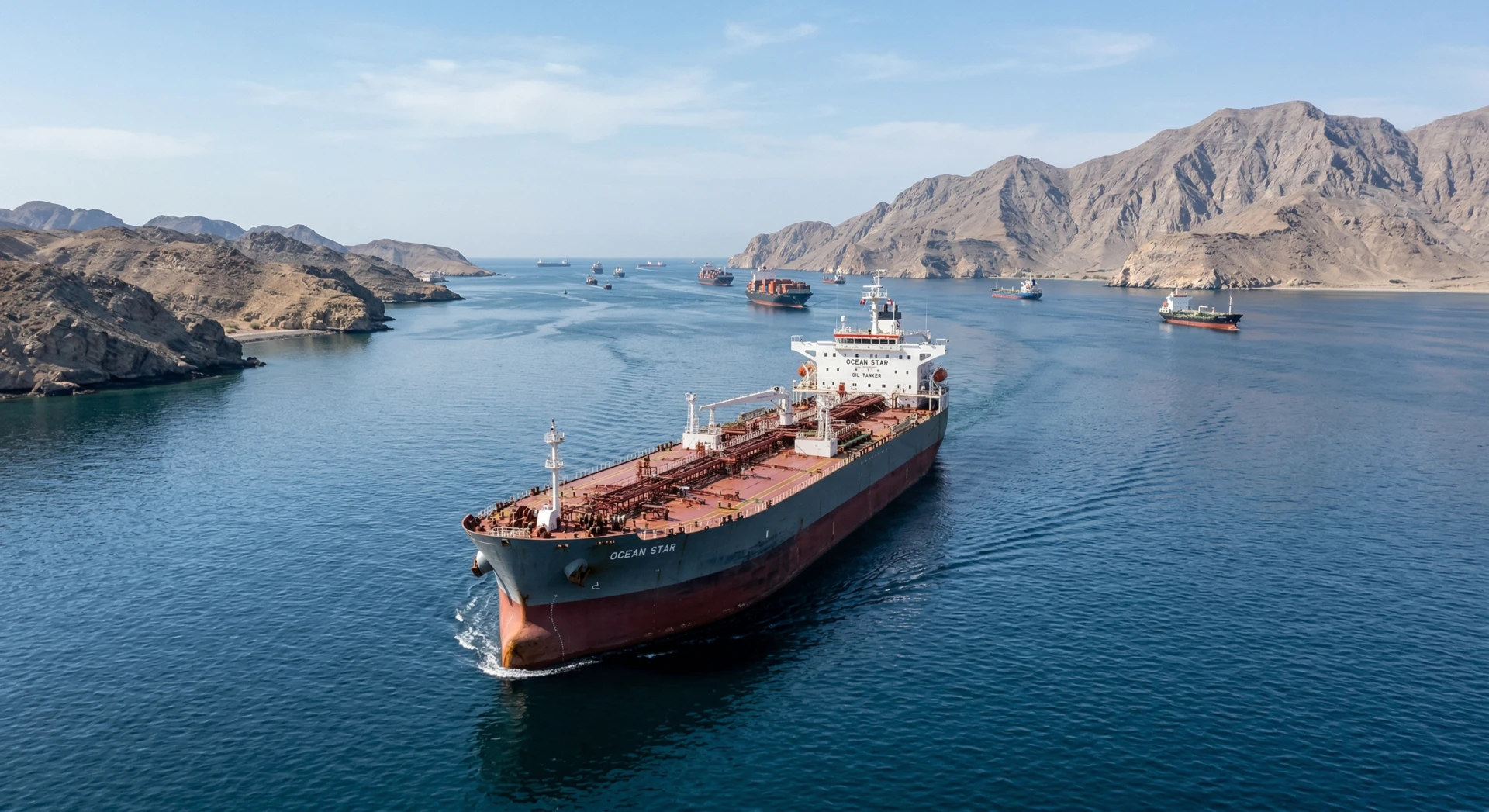
Anwar specifically noted Malaysian vessels, including Petronas operated ones, navigating congested Strait of Hormuz waters, citing the strait's narrowness and pressure from US-Iran tensions. The Strait of Hormuz normally handles approximately 20% of global oil trade, but has been effectively closed to most commercial shipping since February 28, 2026. Consider a VLCC (Very Large Crude Carrier) capable of carrying 2 million barrels attempting Hormuz transit. War-risk insurance premiums have increased from 0.125% to between 0.2% and 0.4% of ship insurance value per transit adding roughly $250,000 per voyage for large tankers. Malaysian importers using this route face either paying these premiums or accepting longer Cape of Good Hope routing, adding 10-14 days and approximately $2-3 million in additional voyage costs.
Anwar warned that if global prices surge further, fuel subsidies could exceed RM6 billion monthly, with current RM5 billion monthly levels representing RM50 billion over 10 months from government funds. The fiscal mathematics are becoming untenable. Malaysia's federal government revenue was approximately RM280 billion in 2023. At RM5 billion monthly, fuel subsidies alone consume roughly 21% of federal revenue an unsustainable trajectory. For gasoline importers, this signals either subsidy cuts ahead (shifting cost burden to consumers and potentially reducing demand) or currency pressure as fiscal deficits widen. The government has already reduced individual RON95 quotas from 300 to 200 litres monthly starting April 1, affecting approximately 10% of users.
The subsidy structure creates an arbitrage opportunity that benefits some operators while penalising others. Malaysian domestic prices at RM1.99 per litre sit well below regional benchmarks. Regional petrol prices range from RM3.22 per litre in Indonesia to RM9.02 per litre in Singapore. This gap incentivises cross-border fuel smuggling. For large integrated traders with compliance infrastructure, this presents enforcement risk and potential supply leakages. For smaller border region operators, it represents a margin opportunity if enforcement remains inconsistent. The government has pledged intensified enforcement to curb leakages and prevent misuse of subsidised fuel, but the RM1.23 per litre arbitrage to Indonesia alone provides substantial smuggling incentive.
For observers tracking Malaysian fuel market stability, monitor Brent crude levels above $115/barrel this triggers Anwar's RM6 billion monthly scenario, likely forcing either quota reductions or subsidy restructuring within 60-90 days. Shipping industry analysts expect Hormuz disruptions to persist through Q3 2026, maintaining elevated freight and insurance costs. Watch Malaysian ringgit performance against the USD sustained fiscal pressure from ballooning subsidies could pressure the currency, creating an additional cost layer for US dollar denominated fuel imports. The government's continued emphasis on Iran and Russia as supply backstops signals potential sanctions compliance challenges ahead, particularly if US enforcement intensifies.
.jpg)
.jpg)
'%3e%3cg id='Final-Copy-2_2_' transform='translate(1275.000000, 200.000000)'%3e%3cpath class='st0' d='M7.4,12.8h6.8l3.1-11.6H7.4C4.2,1.2,1.6,3.8,1.6,7S4.2,12.8,7.4,12.8z'/%3e%3c/g%3e%3c/g%3e%3c/g%3e%3cg id='final---dec.11-2020'%3e%3cg id='_x30_208-our-toggle' transform='translate(-1275.000000, -200.000000)'%3e%3cg id='Final-Copy-2' transform='translate(1275.000000, 200.000000)'%3e%3cpath class='st1' d='M22.6,0H7.4c-3.9,0-7,3.1-7,7s3.1,7,7,7h15.2c3.9,0,7-3.1,7-7S26.4,0,22.6,0z M1.6,7c0-3.2,2.6-5.8,5.8-5.8 h9.9l-3.1,11.6H7.4C4.2,12.8,1.6,10.2,1.6,7z'/%3e%3cpath id='x' class='st2' d='M24.6,4c0.2,0.2,0.2,0.6,0,0.8l0,0L22.5,7l2.2,2.2c0.2,0.2,0.2,0.6,0,0.8c-0.2,0.2-0.6,0.2-0.8,0 l0,0l-2.2-2.2L19.5,10c-0.2,0.2-0.6,0.2-0.8,0c-0.2-0.2-0.2-0.6,0-0.8l0,0L20.8,7l-2.2-2.2c-0.2-0.2-0.2-0.6,0-0.8 c0.2-0.2,0.6-0.2,0.8,0l0,0l2.2,2.2L23.8,4C24,3.8,24.4,3.8,24.6,4z'/%3e%3cpath id='y' class='st3' d='M12.7,4.1c0.2,0.2,0.3,0.6,0.1,0.8l0,0L8.6,9.8C8.5,9.9,8.4,10,8.3,10c-0.2,0.1-0.5,0.1-0.7-0.1l0,0 L5.4,7.7c-0.2-0.2-0.2-0.6,0-0.8c0.2-0.2,0.6-0.2,0.8,0l0,0L8,8.6l3.8-4.5C12,3.9,12.4,3.9,12.7,4.1z'/%3e%3c/g%3e%3c/g%3e%3c/g%3e%3c/g%3e%3c/svg%3e) Privacy Choices
Privacy Choices