.avif)
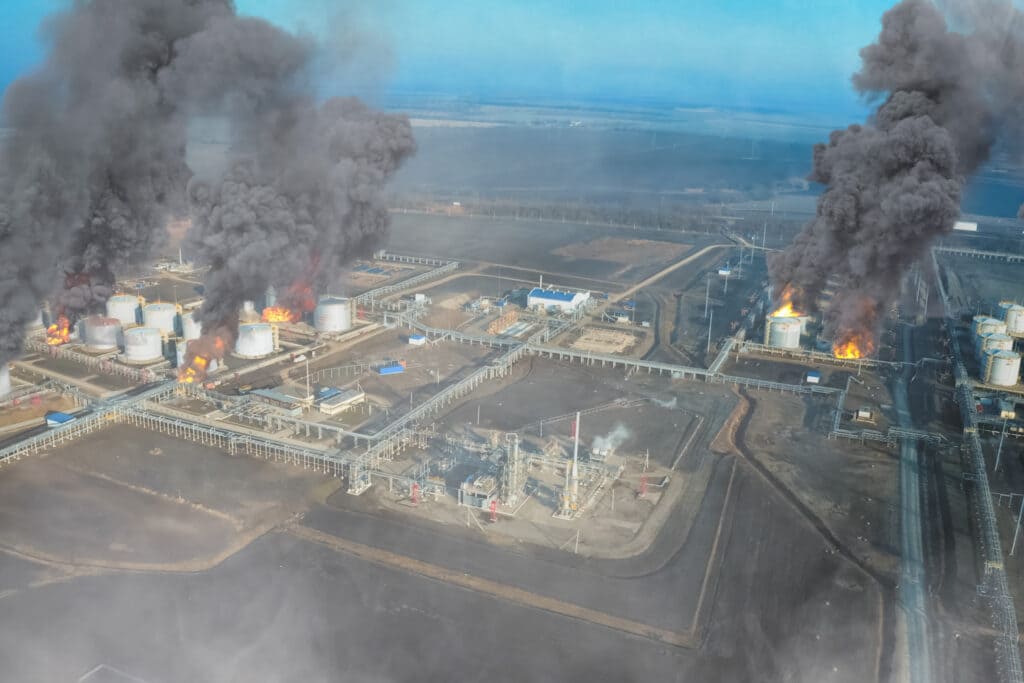
Ukrainian attacks on Russian oil infrastructure reached a four-month high in April, with at least 21 strikes recorded on refineries, pipelines, and maritime assets, reducing Russian refinery throughput to 4.69 million barrels per day the lowest level since December 2009. According to Ukrainian President Volodymyr Zelensky, these strikes have cost Russia at least $7 billion in oil sector losses since January 2026. For Russian refiners, the immediate pressure is not the crude price spike Brent crude trading at $114.66 per barrel but the fact that every offline day costs them $2.8 million in throughput revenue at a large facility while fixed costs accumulate.
Extended downtime is the strategy, not just direct hits. A Russian refinery like Tuapse (240,000 barrels per day capacity) loses approximately $14.4 million per week in throughput revenue when offline calculated at a $25/barrel crack spread (refined product value minus crude cost) times daily capacity. But the real pain concentrates in the restart economics. The Tuapse refinery has been hit four times in two weeks, with each strike reigniting fires that Russian emergency services had just extinguished. Refineries require 14-21 days minimum restart time after emergency shutdowns, during which they burn cash while producing nothing. The repeated strikes prevent any recovery, transforming what should be temporary outages into sustained capacity destruction.
Bloomberg data shows 21 Ukrainian strikes on Russian refineries, pipelines, and maritime assets in April alone, targeting critical nodes in the export system. This is margin anatomy at its most brutal. Russian refiners face a choice: restart facilities knowing they'll likely be hit again, or keep capacity offline to avoid restart costs. Either way, they bleed fixed costs while competitors capture their market share. A mid-sized Russian refiner processing 150,000 barrels per day faces approximately $28 million monthly in fixed costs (personnel, debt service, maintenance) costs that continue regardless of throughput. When offline for 30 days, that's pure loss with zero offsetting revenue.
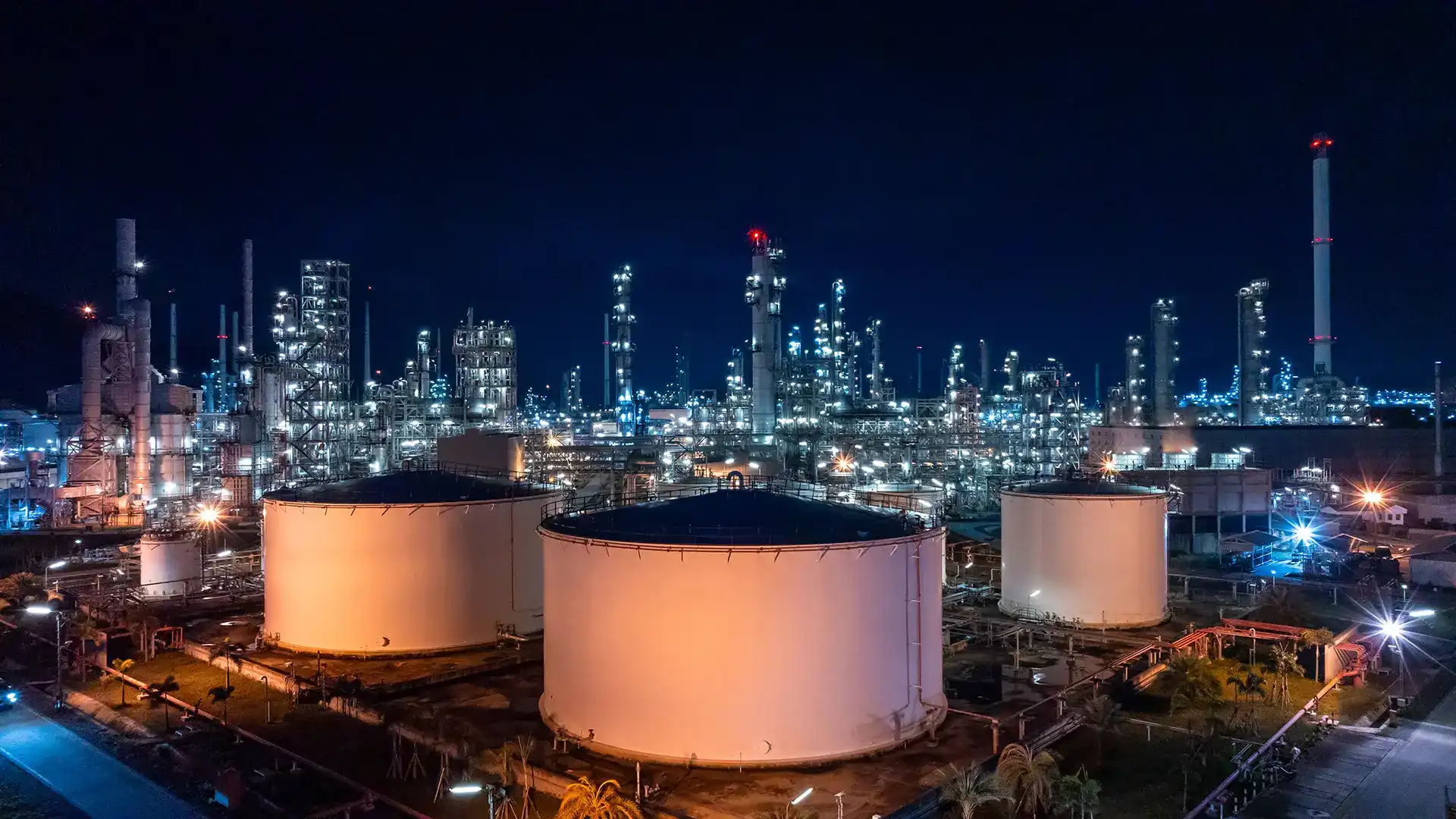
On the buy side: Non-Russian refiners gain immediate margin relief. European and Middle Eastern refiners see crack spreads the difference between refined product prices and crude oil costs widen by $8-12/barrel on key products like diesel and gasoline. A typical European refiner processing 200,000 barrels per day captures an additional $1.6-2.4 million per day in margin expansion. This is not sustainable margin it's crisis arbitrage that concentrates in facilities with spare capacity and flexible crude sourcing. For integrated oil companies with both refining and crude production (Shell, TotalEnergies, Eni), the equation becomes complex: higher refining margins offset by elevated crude acquisition costs.
On the sell side: Russian crude producers face a different pressure equation. With domestic refining capacity constrained, more Russian crude must find export routes at deeper discounts. The Strait of Hormuz blockade has already driven oil prices to elevated levels, but Russian Urals crude trades at $8-15/barrel discounts to Brent due to sanctions and logistical constraints. When Russian refineries can't process crude domestically, that crude competes with already-tight international capacity. Russian producers lose twice: first on the discount, then on additional transport costs to reach Asian buyers who become the primary outlet.
For large integrated traders and national oil companies (NOCs): The disruption creates classic arbitrage opportunities but with elevated execution risk. Traders with access to derivatives markets can lock in crack spreads using futures contracts buying crude oil futures and selling refined product futures simultaneously. A large trader might secure $12/barrel crack spreads on 1 million barrels, generating $12 million gross profit. However, physical execution risk is extreme. Securing refined product supply requires premium payments to non-Russian refiners, often $3-5/barrel above futures prices. The net arbitrage narrows to $7-9/barrel, requiring precision in timing and counterparty selection.
For smaller regional operators independent fuel distributors, regional cooperatives, heating oil dealers: The margin reality is more straightforward but equally constrained. They lack derivatives access and must rely on bilateral supply contracts. A mid-sized fuel distributor serving 50,000 customers might typically secure diesel at $2-3/barrel above crude prices. Current disruptions push that margin to $8-10/barrel, but only if they can secure supply. Many resort to inventory management: building stocks during temporary price dips, extending contract durations to 60-90 days instead of typical 30-day terms, and diversifying suppliers across three or more refiners to reduce single-point-of-failure risk.
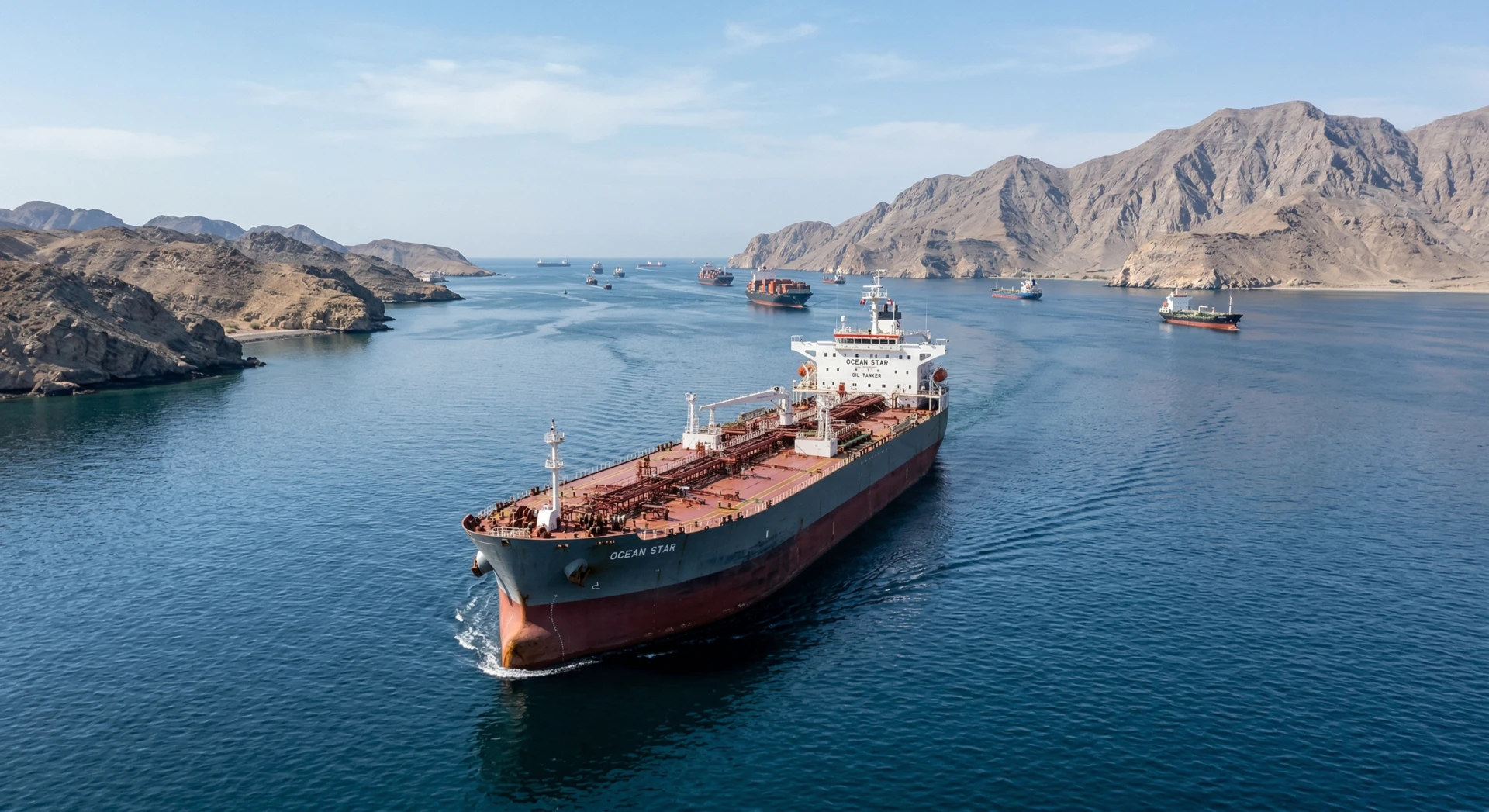
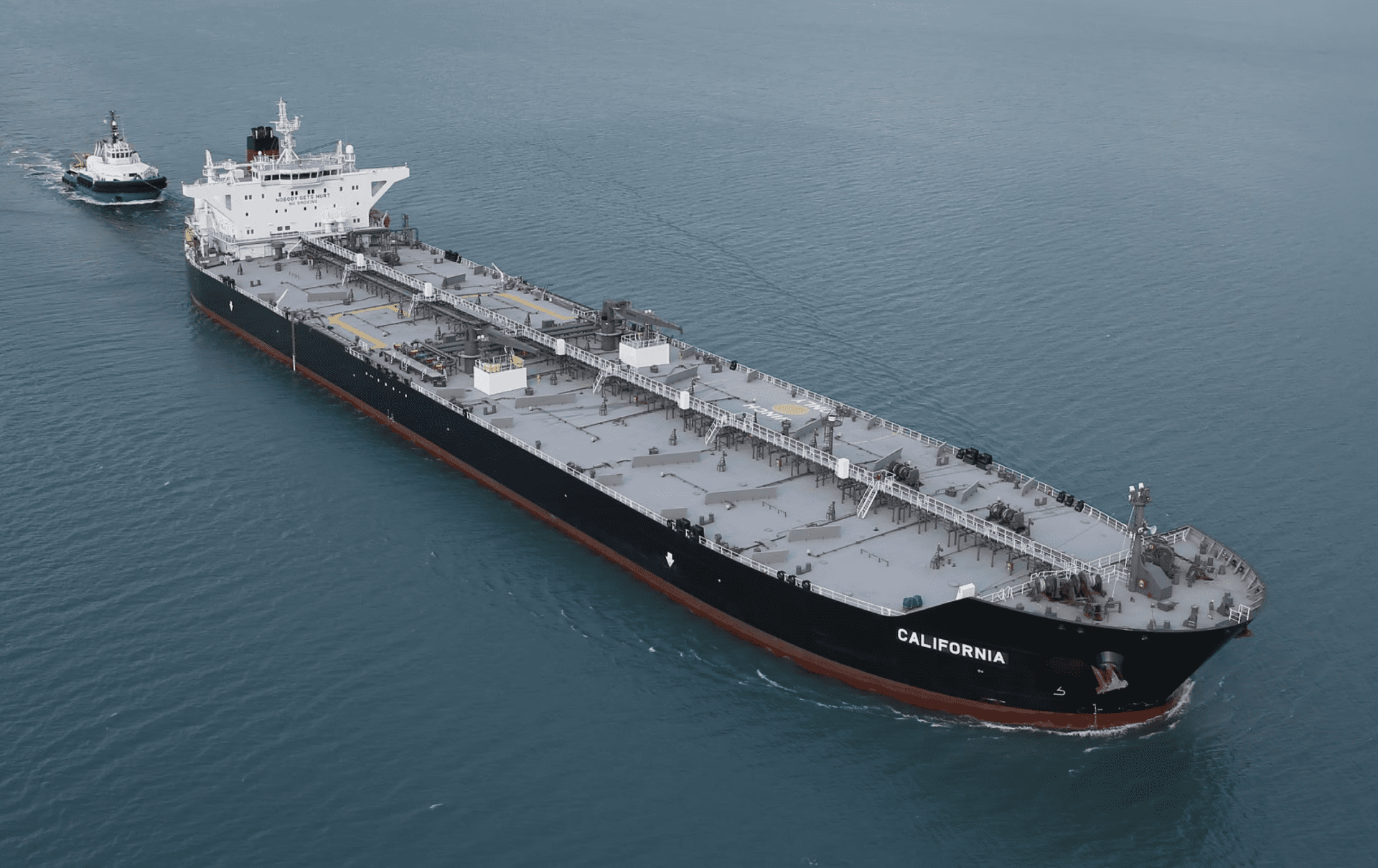
The freight dimension amplifies every margin calculation. Russia's oil exports fell 43% in one week in March to 2.318 million barrels per day, with only 22 tankers dispatched compared to 37 the previous week. When Russian export capacity drops, non-Russian crude must travel longer routes to replace it. A VLCC (Very Large Crude Carrier) carrying 2 million barrels from U.S. Gulf Coast to European refineries now earns $18-22/metric ton versus historical $8-12/metric ton. That's an additional $20-28 million per voyage accruing entirely to vessel operators. Freight is not operational noise it's often larger than the underlying commodity margin.
For observers: Monitor weekly Russian refinery throughput data reported by Bloomberg, which currently shows sustained capacity at 16-year lows. The key signal is not individual strike announcements but cumulative throughput recovery rates. If Russian throughput remains below 5.2 million barrels per day through May 31st, expect European diesel crack spreads to hold above $15/barrel. Any throughput recovery above 5.5 million barrels per day signals margin compression beginning within 10-14 days. Ukraine has pledged to "scale up long-range systems capabilities" with decisions being prepared a clear signal this disruption will persist at minimum through summer 2026.

.jpg)

'%3e%3cg id='Final-Copy-2_2_' transform='translate(1275.000000, 200.000000)'%3e%3cpath class='st0' d='M7.4,12.8h6.8l3.1-11.6H7.4C4.2,1.2,1.6,3.8,1.6,7S4.2,12.8,7.4,12.8z'/%3e%3c/g%3e%3c/g%3e%3c/g%3e%3cg id='final---dec.11-2020'%3e%3cg id='_x30_208-our-toggle' transform='translate(-1275.000000, -200.000000)'%3e%3cg id='Final-Copy-2' transform='translate(1275.000000, 200.000000)'%3e%3cpath class='st1' d='M22.6,0H7.4c-3.9,0-7,3.1-7,7s3.1,7,7,7h15.2c3.9,0,7-3.1,7-7S26.4,0,22.6,0z M1.6,7c0-3.2,2.6-5.8,5.8-5.8 h9.9l-3.1,11.6H7.4C4.2,12.8,1.6,10.2,1.6,7z'/%3e%3cpath id='x' class='st2' d='M24.6,4c0.2,0.2,0.2,0.6,0,0.8l0,0L22.5,7l2.2,2.2c0.2,0.2,0.2,0.6,0,0.8c-0.2,0.2-0.6,0.2-0.8,0 l0,0l-2.2-2.2L19.5,10c-0.2,0.2-0.6,0.2-0.8,0c-0.2-0.2-0.2-0.6,0-0.8l0,0L20.8,7l-2.2-2.2c-0.2-0.2-0.2-0.6,0-0.8 c0.2-0.2,0.6-0.2,0.8,0l0,0l2.2,2.2L23.8,4C24,3.8,24.4,3.8,24.6,4z'/%3e%3cpath id='y' class='st3' d='M12.7,4.1c0.2,0.2,0.3,0.6,0.1,0.8l0,0L8.6,9.8C8.5,9.9,8.4,10,8.3,10c-0.2,0.1-0.5,0.1-0.7-0.1l0,0 L5.4,7.7c-0.2-0.2-0.2-0.6,0-0.8c0.2-0.2,0.6-0.2,0.8,0l0,0L8,8.6l3.8-4.5C12,3.9,12.4,3.9,12.7,4.1z'/%3e%3c/g%3e%3c/g%3e%3c/g%3e%3c/g%3e%3c/svg%3e) Privacy Choices
Privacy Choices