.avif)
.avif)
Indian crude buyers face immediate supply chain vulnerability as diplomatic tensions following Israel-Iran strikes threaten access to 850,000-900,000 barrels per day of Iranian crude, roughly 20% of India's total oil imports worth $18-20 billion annually. According to reports, India's Ministry of External Affairs has categorically denied Prime Minister Modi had prior knowledge of US-Israel military action against Iran during his February state visit to Israel, but market participants worry that any perceived complicity could jeopardize the complex payment mechanisms that enable Iranian crude flows. The timing creates acute pressure, Indian refiners typically operate on 30-45 day crude procurement cycles, meaning buyers must secure alternative supply within two weeks to avoid operational disruption. For large integrated players like Indian Oil Corporation (IOC) with 1.5 million bpd refining capacity, losing Iranian supply would force immediate spot market purchases at current Brent premiums of $3-5/barrel above their typical Iranian crude discounts of $8-12/barrel a margin compression of $11-17/barrel across affected volumes.
The mechanism of India's Iranian crude imports operates through a labyrinthine structure of rupee-denominated payments and barter arrangements that bypasses traditional dollar clearing systems, making these flows uniquely vulnerable to diplomatic disruption. Indian buyers typically pay for Iranian crude through rupee accounts at UCO Bank and IDBI Bank, with Iran using these funds to purchase Indian goods a system that processes roughly $1.5 billion monthly in energy trade. This arrangement allows Indian state refiners to access Iranian heavy crude grades (API gravity 28-32) that match their refinery configurations optimized for processing heavier feedstock, particularly at facilities like Paradip (300,000 bpd capacity) and Panipat (247,000 bpd). The diplomatic risk now threatens this entire mechanism, if Iran perceives Indian complicity in recent strikes, Tehran could suspend these bilateral arrangements within days. Unlike conventional crude purchases settled through letters of credit (LC), bank guarantees that ensure payment upon document presentation the Indian-Iranian system relies on government to government trust that political tensions could instantly fracture.
On the buy side, Indian state refiners face immediate exposure to spot market volatility if forced to replace Iranian volumes with alternative heavy crude grades from Iraq, Kuwait, or Venezuela. Reliance Industries, operating the world's largest refining complex at Jamnagar (1.24 million bpd), maintains greater flexibility through its integrated trading arm and can access Urals, Iraqi Basra Heavy, or Venezuelan crude through established commercial relationships. However, smaller regional refiners like Chennai Petroleum Corporation Limited (CPCL) with 210,000 bpd capacity lack such diversification and depend heavily on Iranian crude's price discount to maintain processing margins. These operators typically achieve $4-6/barrel processing margins on Iranian crude, replacing with spot Iraqi Basra Heavy at current premiums would compress margins to $1-2/barrel, potentially making some runs uneconomical. The financial impact compounds through working capital requirements, spot purchases require immediate LC establishment, tying up $200-300 million per cargo versus the deferred payment structure of Iranian crude through rupee accounts.
On the sell side, alternative crude suppliers stand to capture significant premiums if Indian buyers face Iranian supply disruption, with Iraqi and Kuwaiti producers particularly well positioned given their heavy crude specifications and established Indian relationships. Iraq's State Organization for Marketing of Oil (SOMO) could increase Basra Heavy allocations to Indian refiners, though current production constraints limit immediate volume expansion beyond 3.8 million bpd national output. Kuwait Petroleum Corporation (KPC) similarly benefits from existing term contracts with Indian buyers and could redirect some European bound Kuwait Heavy cargoes to Indian destinations, earning $2-4/barrel premiums over current pricing. Venezuelan state oil company PdVSA also positions to benefit, despite ongoing sanctions complexities, as Indian refiners have historically processed Venezuelan heavy crude and maintain the technical capability. For trading intermediaries, the disruption creates arbitrage opportunities, sophisticated operators with storage capacity could pre-position alternative heavy crude cargoes near Indian ports, earning $3-5/barrel premiums during supply transition periods. However, this requires significant capital commitment a 2 million barrel floating storage position represents $140-160 million at current crude prices.
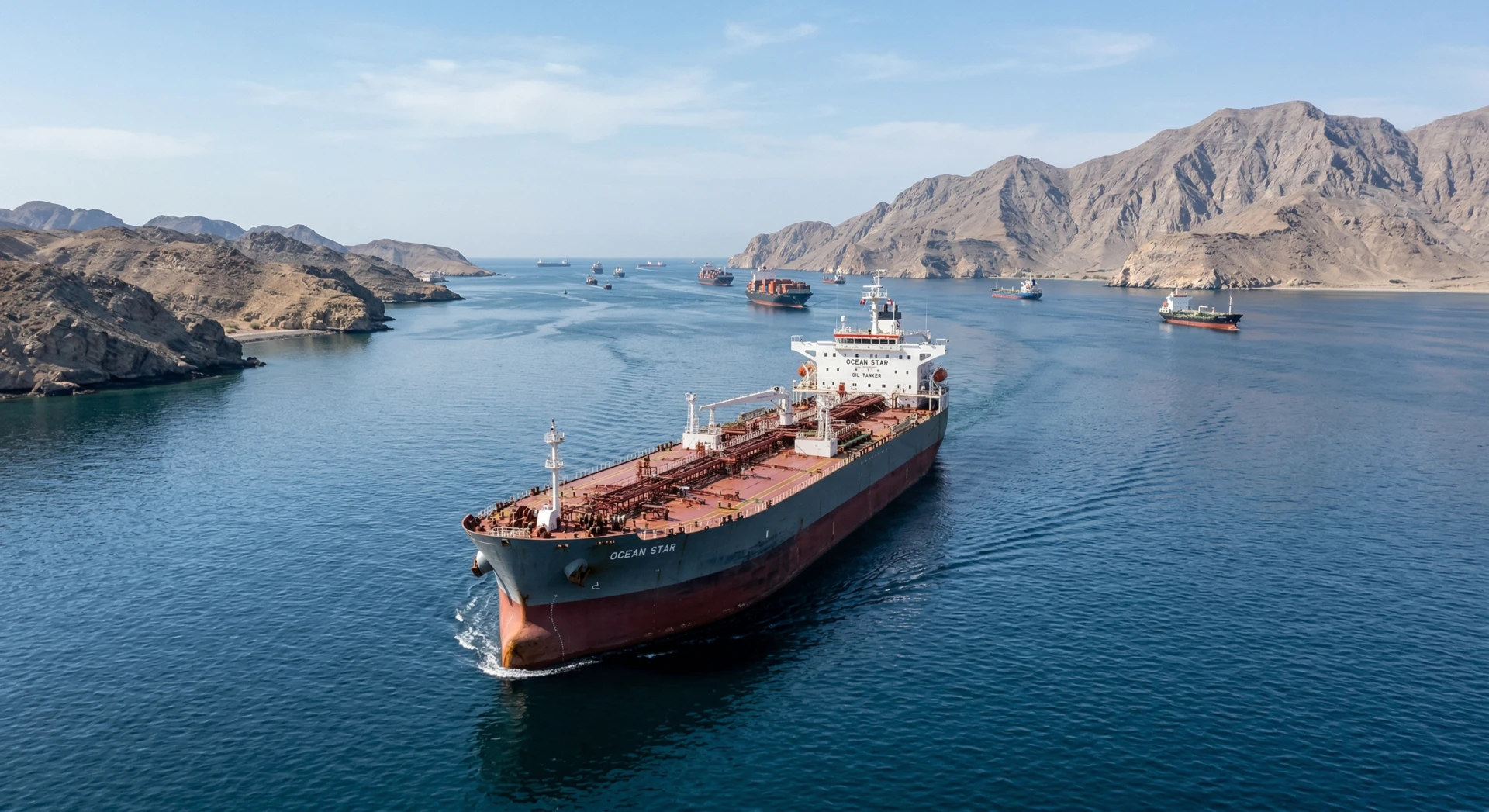
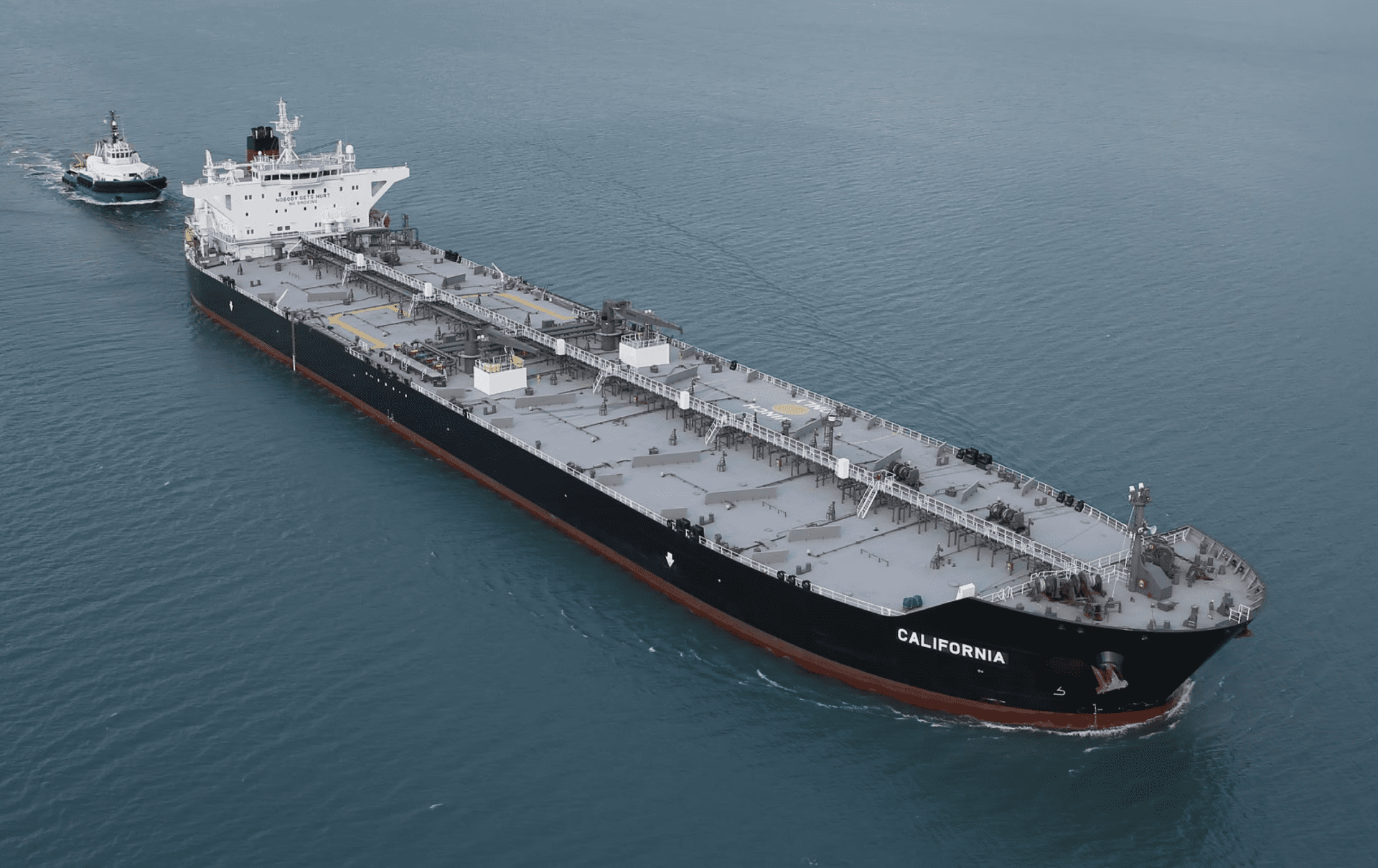
Large integrated traders with derivatives access can hedge against Iranian supply disruption through sophisticated risk management strategies, while smaller operators face acute vulnerability due to limited financial instruments and bilateral relationship dependence. Vitol and Trafigura, with their global crude trading books, can establish synthetic hedges through Dubai Brent spreads and heavy light crude differentials to protect against price impacts from supply source shifts. These operators maintain credit lines with major international banks enabling immediate LC establishment for spot crude purchases, providing crucial flexibility during supply transitions. Their extensive vessel chartering relationships also allow rapid cargo origination from alternative sources typically securing VLCCs (Very Large Crude Carriers) within 5-7 days versus smaller operators requiring 14-21 days. Conversely, mid-tier Indian importers like Hindustan Petroleum Corporation Limited (HPCL) operate with more constrained credit facilities and limited derivatives access, making them vulnerable to spot market volatility. These operators typically establish 6 month term contracts with fixed pricing mechanisms, lacking the financial sophistication to hedge against sudden supply source changes or the relationship capital to secure immediate alternative crude supplies.
Smaller regional operators face the most severe constraints, lacking both the financial resources for extensive hedging and the bilateral relationships necessary for emergency crude procurement. Independent refiners like Numaligarh Refinery Limited (NRL) with 60,000 bpd capacity depend entirely on term contract arrangements and cannot access sophisticated derivatives markets for risk mitigation. These operators typically maintain minimal crude inventory, 7-10 days versus 30-45 days for larger integrated players making them acutely vulnerable to supply chain disruption. Their procurement strategies rely heavily on government allocation systems and established payment mechanisms, sudden shifts to spot market purchasing could exhaust working capital within weeks. The margin compression proves particularly acute: while large refiners might absorb $2-3/barrel additional crude costs through operational efficiency or product price adjustments, smaller operators operating on $3-4/barrel total margins face potential losses. Their limited storage capacity also prevents strategic inventory building during price favorable periods, forcing continuous exposure to spot market volatility.
Forward market signals indicate growing nervousness about Indian energy security, with Dubai crude futures showing increased volatility and heavy light crude differentials widening as traders position for potential supply disruption. The Dubai Mercantile Exchange (DME) Oman crude contract closely watched by Indian buyers as a pricing benchmark has exhibited unusual trading patterns with increased speculative positioning in near term contracts. Term structure analysis reveals backwardation in forward months, suggesting physical crude tightness expectations as buyers seek to secure non-Iranian supply. Freight rates for VLCCs on Middle East-India routes have increased 15-20% above seasonal norms as charterers compete for vessel availability, indicating supply chain stress. The Baltic Dirty Tanker Index (BDTI) measuring crude oil tanker rates shows particular strength in routes serving Indian destinations. These market indicators suggest sophisticated operators are already positioning for Iranian crude supply risk, with implications extending beyond immediate buyers to the broader crude oil supply chain serving Asian markets.

.jpg)

'%3e%3cg id='Final-Copy-2_2_' transform='translate(1275.000000, 200.000000)'%3e%3cpath class='st0' d='M7.4,12.8h6.8l3.1-11.6H7.4C4.2,1.2,1.6,3.8,1.6,7S4.2,12.8,7.4,12.8z'/%3e%3c/g%3e%3c/g%3e%3c/g%3e%3cg id='final---dec.11-2020'%3e%3cg id='_x30_208-our-toggle' transform='translate(-1275.000000, -200.000000)'%3e%3cg id='Final-Copy-2' transform='translate(1275.000000, 200.000000)'%3e%3cpath class='st1' d='M22.6,0H7.4c-3.9,0-7,3.1-7,7s3.1,7,7,7h15.2c3.9,0,7-3.1,7-7S26.4,0,22.6,0z M1.6,7c0-3.2,2.6-5.8,5.8-5.8 h9.9l-3.1,11.6H7.4C4.2,12.8,1.6,10.2,1.6,7z'/%3e%3cpath id='x' class='st2' d='M24.6,4c0.2,0.2,0.2,0.6,0,0.8l0,0L22.5,7l2.2,2.2c0.2,0.2,0.2,0.6,0,0.8c-0.2,0.2-0.6,0.2-0.8,0 l0,0l-2.2-2.2L19.5,10c-0.2,0.2-0.6,0.2-0.8,0c-0.2-0.2-0.2-0.6,0-0.8l0,0L20.8,7l-2.2-2.2c-0.2-0.2-0.2-0.6,0-0.8 c0.2-0.2,0.6-0.2,0.8,0l0,0l2.2,2.2L23.8,4C24,3.8,24.4,3.8,24.6,4z'/%3e%3cpath id='y' class='st3' d='M12.7,4.1c0.2,0.2,0.3,0.6,0.1,0.8l0,0L8.6,9.8C8.5,9.9,8.4,10,8.3,10c-0.2,0.1-0.5,0.1-0.7-0.1l0,0 L5.4,7.7c-0.2-0.2-0.2-0.6,0-0.8c0.2-0.2,0.6-0.2,0.8,0l0,0L8,8.6l3.8-4.5C12,3.9,12.4,3.9,12.7,4.1z'/%3e%3c/g%3e%3c/g%3e%3c/g%3e%3c/g%3e%3c/svg%3e) Privacy Choices
Privacy Choices