.avif)
Caribbean petroleum product suppliers face a 12-18 month demand destruction as Cuba's energy crisis eliminates the island's ability to purchase refined products worth an estimated $800 million annually. The 700,000-barrel Russian crude delivery to Matanzas on March 31 represents state-to-state assistance rather than sustainable commercial supply, as Cuba lacks the foreign currency reserves to maintain regular purchases. This supply gap creates immediate margin compression for regional product tanker operators who relied on Cuba routes, while simultaneously opening arbitrage opportunities for those positioned to serve alternative Caribbean markets now competing for displaced Cuban volumes. The crisis stems from the Trump administration's January cutoff of Venezuelan crude supplies following President Maduro's removal, leaving Cuba's 10 million people dependent on intermittent deliveries that cannot support consistent refinery operations or product import requirements.
On the sell side, regional fuel oil and diesel suppliers from Trinidad, Jamaica, and smaller Caribbean refineries lose their most predictable customer, with Cuba historically importing 15,000-20,000 barrels per day of refined products. Trinidad's state-owned Petrotrin and Jamaica's Petrojam face immediate inventory builds as Cuban letters of credit (LCs) — bank guarantees ensuring payment upon document presentation — become unavailable due to banking sector sanctions compliance. These suppliers must now compete for alternative buyers in markets like Haiti, Dominican Republic, and smaller islands where payment terms are less favorable and volumes smaller. On the buy side, Cuba's state energy company CUPET cannot issue the hard currency LCs required for commercial petroleum purchases, forcing reliance on barter arrangements or government-to-government credit lines that limit supplier options to sanctioned-tolerant providers like Russia or Iran.
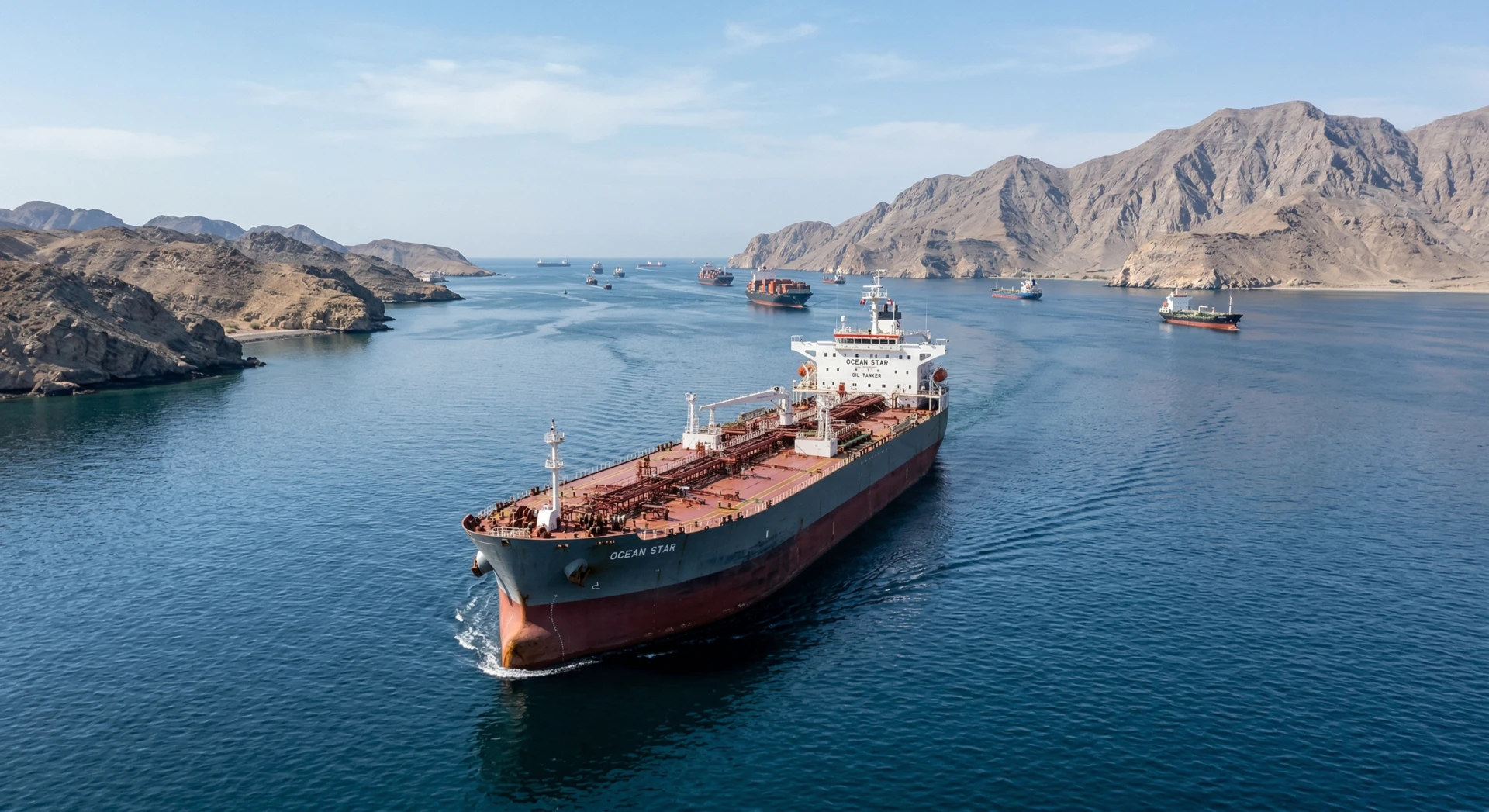
Product tanker operators serving intra-Caribbean routes face immediate charter rate pressure as Cuba demand evaporates overnight. Small tankers (5,000-15,000 DWT) that specialized in Cuba runs — typically 3-day voyages from Trinidad or Jamaica carrying fuel oil and diesel — lose utilization rates estimated at 20-25% of regional charter activity. These vessels earned approximately $8,000-12,000 daily on Cuba routes, with operators like Tufton Oceanic and regional Caribbean shipping cooperatives now competing for alternative employment in an oversupplied small tanker market. Larger integrated operators with 35,000-50,000 DWT vessels benefit marginally as they can redeploy to longer-haul routes, but smaller independent operators without geographic flexibility face charter rates falling 15-20% below previous levels as available tonnage chases fewer cargoes across remaining Caribbean destinations.
The financial sustainability mechanism reveals why this crisis extends beyond typical supply disruptions. Cuba's foreign currency reserves, estimated by independent economists at less than $1 billion, cannot support the $65-70 million monthly petroleum import bill required for basic energy security. Even if willing suppliers emerge, Cuba's banking sector isolation means payments must flow through complex correspondent arrangements that add 2-3% transaction costs while creating weeks-long settlement delays. The March 31 Russian delivery likely represents strategic assistance rather than commercial trade, as Moscow's own crude export revenues face Western sanctions pressure, limiting available financing for client state support. This financing gap means Cuban demand destruction persists regardless of willing suppliers, as payment mechanism failure creates absolute barriers to trade execution that sanctions compliance fears only reinforce.
Second and third-tier Caribbean economies gain competitive advantage as fuel buyers can now access supplies previously committed to Cuba, though at higher transportation costs. Dominican Republic's state oil company REFIDOMSA and Haiti's Bureau de Monetisation can potentially negotiate better terms with Trinidad and Jamaica suppliers desperate to place volumes, creating downstream fuel price benefits for these markets. However, the displacement creates logistical inefficiencies as vessels must travel longer distances — Trinidad to Port-au-Prince requires 4-5 days versus 2-3 days to Havana — increasing per-barrel transportation costs by $2-3. Independent fuel distributors across smaller Caribbean islands may benefit from increased supplier competition, but their limited storage infrastructure prevents them from capitalizing fully on potential oversupply situations that could emerge if Cuban demand remains offline through 2026's peak hurricane season.
Russian and Iranian crude suppliers face different operational pressures as potential Cuba suppliers, but neither can sustainably replace Venezuelan volumes without significant commercial or strategic subsidies. Russia's Rosneft Trading arm, already managing reduced crude export quotas under Western sanctions, would need to divert approximately 50,000-60,000 barrels per day to meet Cuba's minimum requirements — equivalent to one 4-million-barrel Suezmax cargo monthly. This commitment strains Russia's ability to service higher-paying Asian customers, particularly as Chinese buyers pay immediate hard currency while Cuban arrangements require complex barter mechanisms involving sugar, nickel, or medical supplies. Iranian suppliers through the National Iranian Oil Company face similar opportunity costs, as their limited sanctions-compliant tanker fleet earns higher margins on established Asian routes than speculative Cuban arrangements where payment collection remains uncertain and vessel sanctions risks increase with each delivery.
Forward indicators suggest this supply crisis persists through late 2027 unless fundamental changes occur in either sanctions policy or Cuba's payment capacity. The European Union's €6 million humanitarian aid package, while addressing immediate welfare needs, represents 0.1% of Cuba's annual petroleum import requirements and cannot address the underlying commercial supply mechanisms. Caribbean refined product prices may experience temporary volatility as regional suppliers adjust to Cuban demand absence, but underlying supply-demand fundamentals suggest price normalization within 60-90 days as alternative buyers absorb displaced volumes. Product tanker operators should monitor Cuba's power generation capacity utilization rates — currently estimated at 40-50% of normal levels — as any sustained improvement above 70% would signal restored fuel import capability and potential demand recovery. The key threshold remains Cuba's ability to demonstrate $50-100 million in reliable monthly payment capacity, without which even willing suppliers cannot justify commercial risk exposure regardless of sanctions considerations.

.jpg)
.jpg)

'%3e%3cg id='Final-Copy-2_2_' transform='translate(1275.000000, 200.000000)'%3e%3cpath class='st0' d='M7.4,12.8h6.8l3.1-11.6H7.4C4.2,1.2,1.6,3.8,1.6,7S4.2,12.8,7.4,12.8z'/%3e%3c/g%3e%3c/g%3e%3c/g%3e%3cg id='final---dec.11-2020'%3e%3cg id='_x30_208-our-toggle' transform='translate(-1275.000000, -200.000000)'%3e%3cg id='Final-Copy-2' transform='translate(1275.000000, 200.000000)'%3e%3cpath class='st1' d='M22.6,0H7.4c-3.9,0-7,3.1-7,7s3.1,7,7,7h15.2c3.9,0,7-3.1,7-7S26.4,0,22.6,0z M1.6,7c0-3.2,2.6-5.8,5.8-5.8 h9.9l-3.1,11.6H7.4C4.2,12.8,1.6,10.2,1.6,7z'/%3e%3cpath id='x' class='st2' d='M24.6,4c0.2,0.2,0.2,0.6,0,0.8l0,0L22.5,7l2.2,2.2c0.2,0.2,0.2,0.6,0,0.8c-0.2,0.2-0.6,0.2-0.8,0 l0,0l-2.2-2.2L19.5,10c-0.2,0.2-0.6,0.2-0.8,0c-0.2-0.2-0.2-0.6,0-0.8l0,0L20.8,7l-2.2-2.2c-0.2-0.2-0.2-0.6,0-0.8 c0.2-0.2,0.6-0.2,0.8,0l0,0l2.2,2.2L23.8,4C24,3.8,24.4,3.8,24.6,4z'/%3e%3cpath id='y' class='st3' d='M12.7,4.1c0.2,0.2,0.3,0.6,0.1,0.8l0,0L8.6,9.8C8.5,9.9,8.4,10,8.3,10c-0.2,0.1-0.5,0.1-0.7-0.1l0,0 L5.4,7.7c-0.2-0.2-0.2-0.6,0-0.8c0.2-0.2,0.6-0.2,0.8,0l0,0L8,8.6l3.8-4.5C12,3.9,12.4,3.9,12.7,4.1z'/%3e%3c/g%3e%3c/g%3e%3c/g%3e%3c/g%3e%3c/svg%3e) Privacy Choices
Privacy Choices