.avif)
Canadian oil exporters face a $4–$6 per barrel margin squeeze as Brent crude trades near $99 per barrel while USD/CAD holds near 1.3940, creating a hedging dilemma worth approximately $500 million across major producers. The fragile US-Iran ceasefire sparked relief rallies that temporarily pushed oil below $100 per barrel, but the ceasefire is already showing cracks with Iran accusing the US of violations after Israel continued strikes on Lebanon. For Canadian exporters shipping 4.9 million barrels daily to the US, every 5-cent CAD strengthening against the dollar reduces revenue by roughly $8 million per day industry-wide. The currency hedging that protected them during the initial price surge now caps their upside as the Strait of Hormuz remains largely closed, driving sharp gains in oil and gas prices.
WTI crude futures traded near $98 per barrel on Monday, cutting morning gains of up to 9% as investors hoped for a US-Iran deal. Currency hedging — the practice of locking in exchange rates to protect against adverse movements — has become prohibitively expensive for Canadian producers. A typical collar structure (buying USD puts, selling CAD calls) that cost 85 basis points in January now commands 340 basis points, reflecting both elevated volatility and the 12% CAD depreciation since the Iran conflict began. Before the ceasefire, markets had priced out any chance of a Fed rate cut, with traders even flirting with the possibility of a hike to combat oil-driven inflation. That narrative flipped overnight. For producers like Suncor or Canadian Natural Resources, this means the cost of protecting $1 billion in quarterly USD revenues has tripled to $34 million per quarter.
The Canadian dollar, which is closely linked to commodities, could encounter headwinds from falling oil prices, particularly as Canada is the largest crude exporter to the United States. Consider a mid-sized Canadian producer exporting 150,000 barrels daily at current WTI prices. Pre-war, this operation generated roughly $10.5 million daily in USD revenue. With WTI near $98 versus $72 pre-conflict, daily revenues jumped to $14.7 million — a $4.2 million uplift. However, most producers hedged 60–80% of Q2 production between $75–$82 per barrel in late 2025, meaning they capture only 20–40% of the current price premium. Meanwhile, unhedged revenue faces currency risk: if USD/CAD moves from 1.3940 to 1.3650 (the pre-war level), that $14.7 million daily revenue drops to $13.3 million after conversion — erasing $1.4 million daily, or $126 million per quarter.
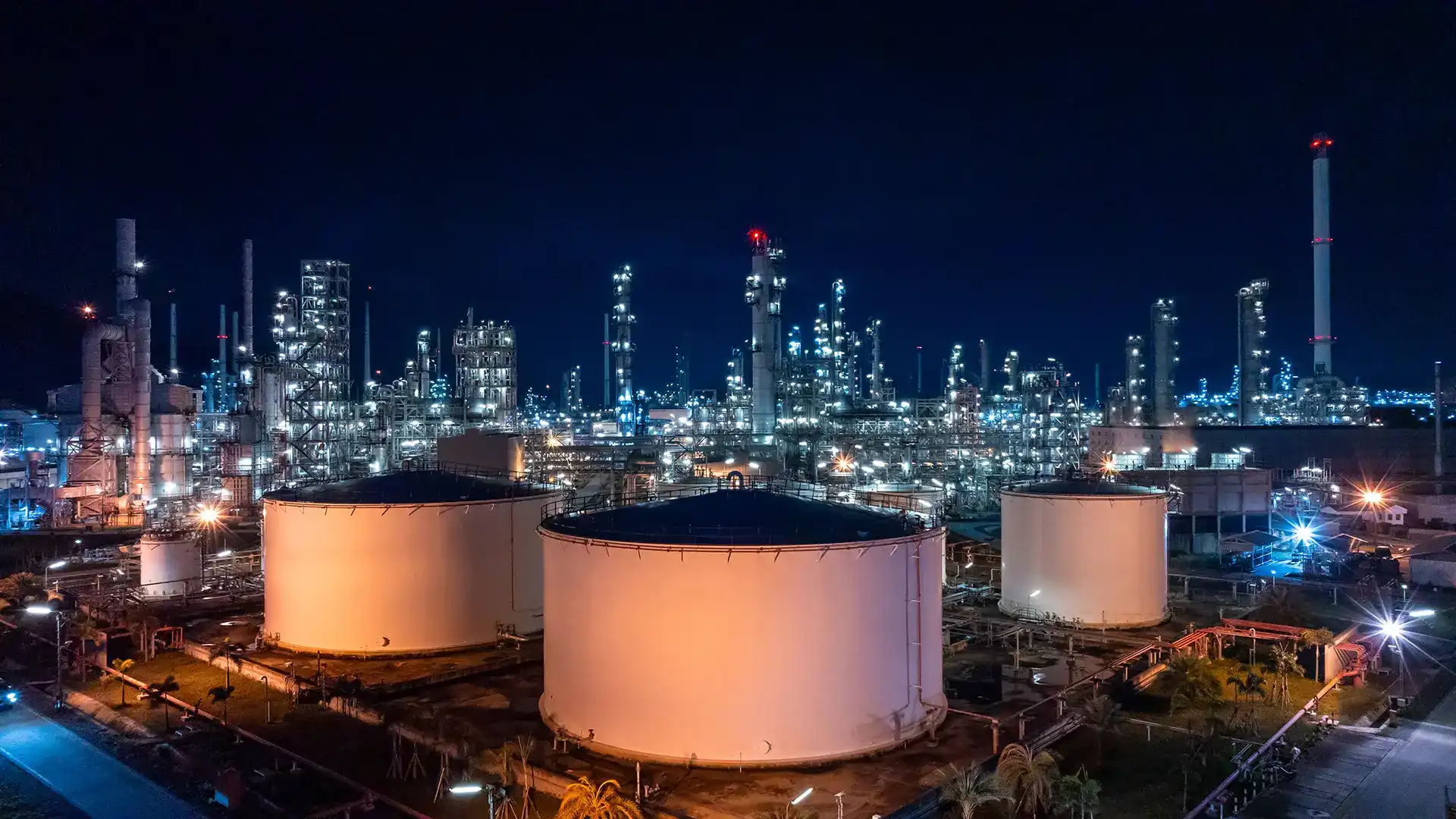
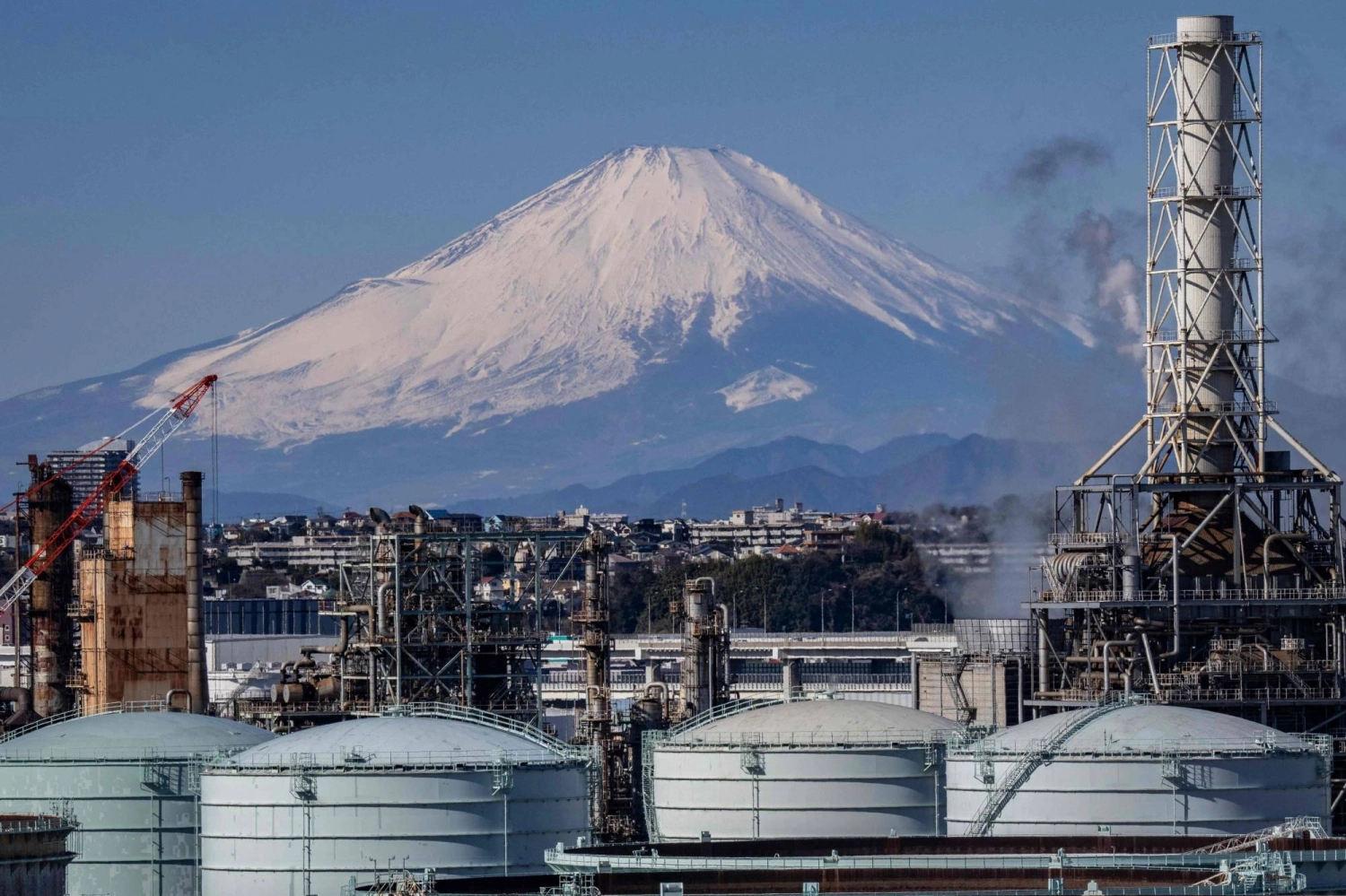
On the buy side, Canadian refiners face compressed margins as input costs surge faster than refined product prices. WTI plunged over 10% intraday as the prospect of Hormuz reopening flooded back into pricing, but Canadian refiners like Imperial Oil still pay elevated prices for crude while gasoline prices lag oil moves by 2–3 weeks. The crack spread — the difference between crude oil prices and refined product prices — has narrowed from $28 per barrel in February to roughly $18 per barrel, squeezing refinery margins by approximately 35%. For a 200,000 barrel-per-day refinery, this represents $2 million in daily margin erosion. Additionally, disruption could tighten the supply of methanol, a key chemical feedstock, with knock-on effects across chemical value chains, particularly significant for China, the world's largest methanol buyer.
On the sell side, integrated producers with refining capacity face a different calculus. Companies like Suncor, with 350,000 barrels daily of upgrading capacity, benefit from wider heavy oil differentials as transportation constraints tighten. Saudi Arabia said attacks on its oil facilities have reduced production capacity by around 600,000 barrels per day, supporting global crude prices, but Western Canadian Select (WCS) heavy oil trades at a $22 per barrel discount to WTI versus the typical $12–$15 discount. This expanded differential adds roughly $3.5 million daily in margin for integrated producers who can process heavy crude into synthetic crude. However, Iran began controlling traffic through the strait and charging tolls of over $1 million per ship, with Trump announcing that the US Navy would blockade the strait from April 13.
For large integrated companies like Canadian Natural Resources or Imperial Oil with derivatives access, the optimal strategy involves selling volatility rather than directional bets. A typical volatility trade: sell 3-month WTI call options at $110 strike (collecting $4.20 per barrel premium) while maintaining physical production hedges at $85–$90. This generates immediate cash flow of roughly $15 million on 100,000 barrels of quarterly production while capping upside at levels well above current operational break-evens. The current risk premium embedded in front-month Brent is estimated at $15–$40 per barrel, with front-month Brent expected to remain around $125 per barrel assuming the strait remains broadly closed. The elevated implied volatility (now 65% versus 35% historical average) means option premiums compensate sellers richly for assuming tail risk.
For smaller regional operators without derivatives access — independent producers like Baytex Energy or intermediate companies — the equivalent strategy involves bilateral arrangements with trading counterparts or adjusting operational tempo. Many are accelerating drilling programs in the Permian-adjacent Montney formation while deferring higher-cost oil sands maintenance. A typical arrangement: fix 60% of Q3 production at $88 WTI with a major trading house, accepting a $2 per barrel discount to NYMEX futures in exchange for currency protection at 1.3800 USD/CAD. This provides revenue certainty while maintaining exposure to 40% of production if prices continue rising. Operational flexibility becomes the hedge: many oil producers, starting with Iraq and Kuwait, started curtailing their production in early March 2026, but Canadian producers can respond quickly to price signals given shorter lead times.
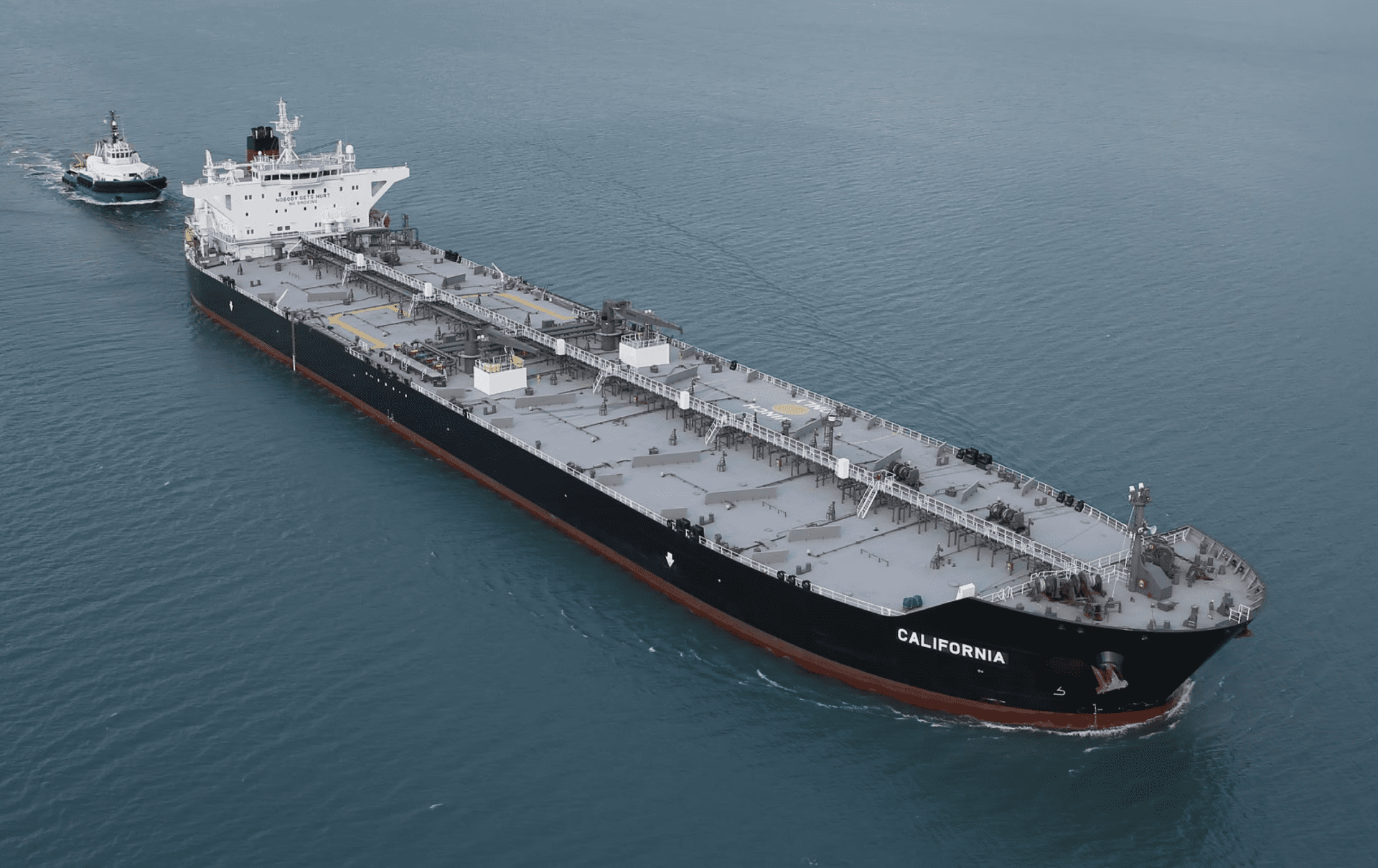
Freight costs add complexity to the margin equation, though Canadian exporters benefit from pipeline transport rather than tanker exposure. Tanker traffic through the strait has plunged due to the threat of Iranian attacks, with about 20% of global oil supplies passing through before the conflict. Three supertankers made the journey on Saturday, each carrying up to two million barrels, but traffic is well below pre-war levels when more than 100 vessels made the trip daily. While Canadian crude moves primarily via Enbridge's Mainline system to US Gulf Coast refineries at fixed tariff rates ($4.50 per barrel), some operators rely on rail transport to coastal facilities. Rail costs have surged from $12 to $18 per barrel as operators compete for limited capacity, adding $900,000 daily in transport costs for a 150,000 barrel daily operation. However, this positions Canadian crude advantageously versus waterborne Middle Eastern barrels facing tanker rate premiums of $35–$50 per barrel.
For observers monitoring Canadian producer margins, watch the WTI-WCS differential and USD/CAD 3-month implied volatility as leading indicators. Energy Secretary Chris Wright expects oil prices to remain "high, and maybe even rising" until "meaningful ship traffic" gets through the key waterway, anticipating this will occur "sometime in the next few weeks". If WCS discounts narrow below $15 per barrel while USD/CAD implied volatility drops below 45%, it signals improving conditions for integrated producers. Conversely, if 3-month WTI implied volatility exceeds 75% while remaining above $95 per barrel through May 15, it suggests the ceasefire has failed and Canadian producers face sustained margin pressure from elevated hedging costs. VP Vance is set to lead a US delegation to Islamabad for talks on Saturday, and traders will be watching closely to see whether the fragile truce holds or collapses.


.jpg)

'%3e%3cg id='Final-Copy-2_2_' transform='translate(1275.000000, 200.000000)'%3e%3cpath class='st0' d='M7.4,12.8h6.8l3.1-11.6H7.4C4.2,1.2,1.6,3.8,1.6,7S4.2,12.8,7.4,12.8z'/%3e%3c/g%3e%3c/g%3e%3c/g%3e%3cg id='final---dec.11-2020'%3e%3cg id='_x30_208-our-toggle' transform='translate(-1275.000000, -200.000000)'%3e%3cg id='Final-Copy-2' transform='translate(1275.000000, 200.000000)'%3e%3cpath class='st1' d='M22.6,0H7.4c-3.9,0-7,3.1-7,7s3.1,7,7,7h15.2c3.9,0,7-3.1,7-7S26.4,0,22.6,0z M1.6,7c0-3.2,2.6-5.8,5.8-5.8 h9.9l-3.1,11.6H7.4C4.2,12.8,1.6,10.2,1.6,7z'/%3e%3cpath id='x' class='st2' d='M24.6,4c0.2,0.2,0.2,0.6,0,0.8l0,0L22.5,7l2.2,2.2c0.2,0.2,0.2,0.6,0,0.8c-0.2,0.2-0.6,0.2-0.8,0 l0,0l-2.2-2.2L19.5,10c-0.2,0.2-0.6,0.2-0.8,0c-0.2-0.2-0.2-0.6,0-0.8l0,0L20.8,7l-2.2-2.2c-0.2-0.2-0.2-0.6,0-0.8 c0.2-0.2,0.6-0.2,0.8,0l0,0l2.2,2.2L23.8,4C24,3.8,24.4,3.8,24.6,4z'/%3e%3cpath id='y' class='st3' d='M12.7,4.1c0.2,0.2,0.3,0.6,0.1,0.8l0,0L8.6,9.8C8.5,9.9,8.4,10,8.3,10c-0.2,0.1-0.5,0.1-0.7-0.1l0,0 L5.4,7.7c-0.2-0.2-0.2-0.6,0-0.8c0.2-0.2,0.6-0.2,0.8,0l0,0L8,8.6l3.8-4.5C12,3.9,12.4,3.9,12.7,4.1z'/%3e%3c/g%3e%3c/g%3e%3c/g%3e%3c/g%3e%3c/svg%3e) Privacy Choices
Privacy Choices