.avif)

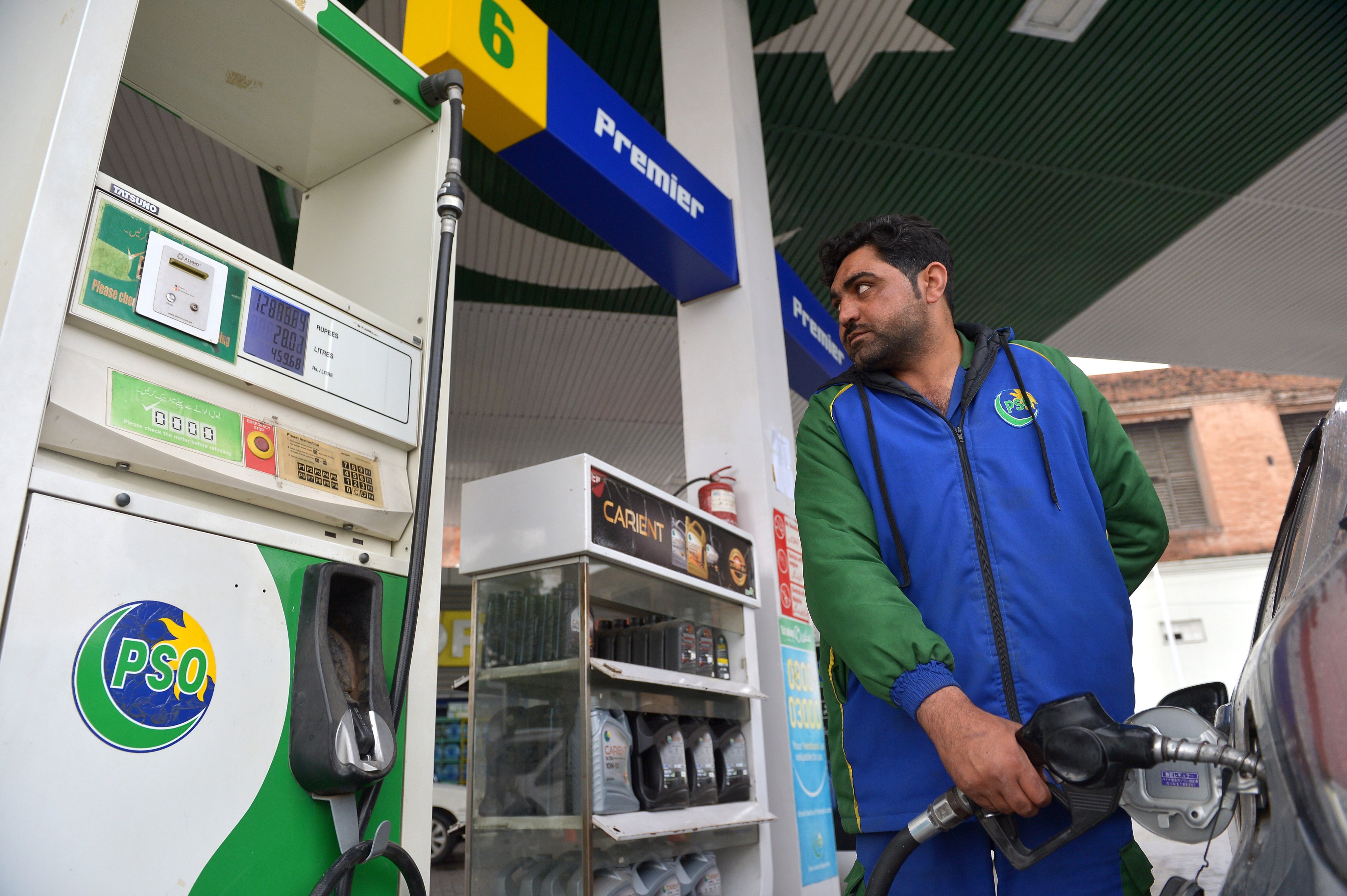
Ghanaian petroleum product importers are absorbing 15-19% cost increases from the April pricing window as Middle East tensions drive Brent crude above $96/barrel — a surge that transmits immediately through Ghana's import-dependent fuel supply chain. According to the National Petroleum Authority (NPA), petrol prices rose approximately 15% to around GH¢13.30 per litre, while diesel increased about 19% to GH¢17.10 per litre for the April 1–15 pricing window. President John Dramani Mahama's emergency cabinet meeting on April 9 has now ordered Finance and Energy Ministers to reduce fuel prices through the removal of selected taxes and margins, effective at the next pricing window — a response that addresses political pressure but reveals Ghana's structural vulnerability to global oil shocks.
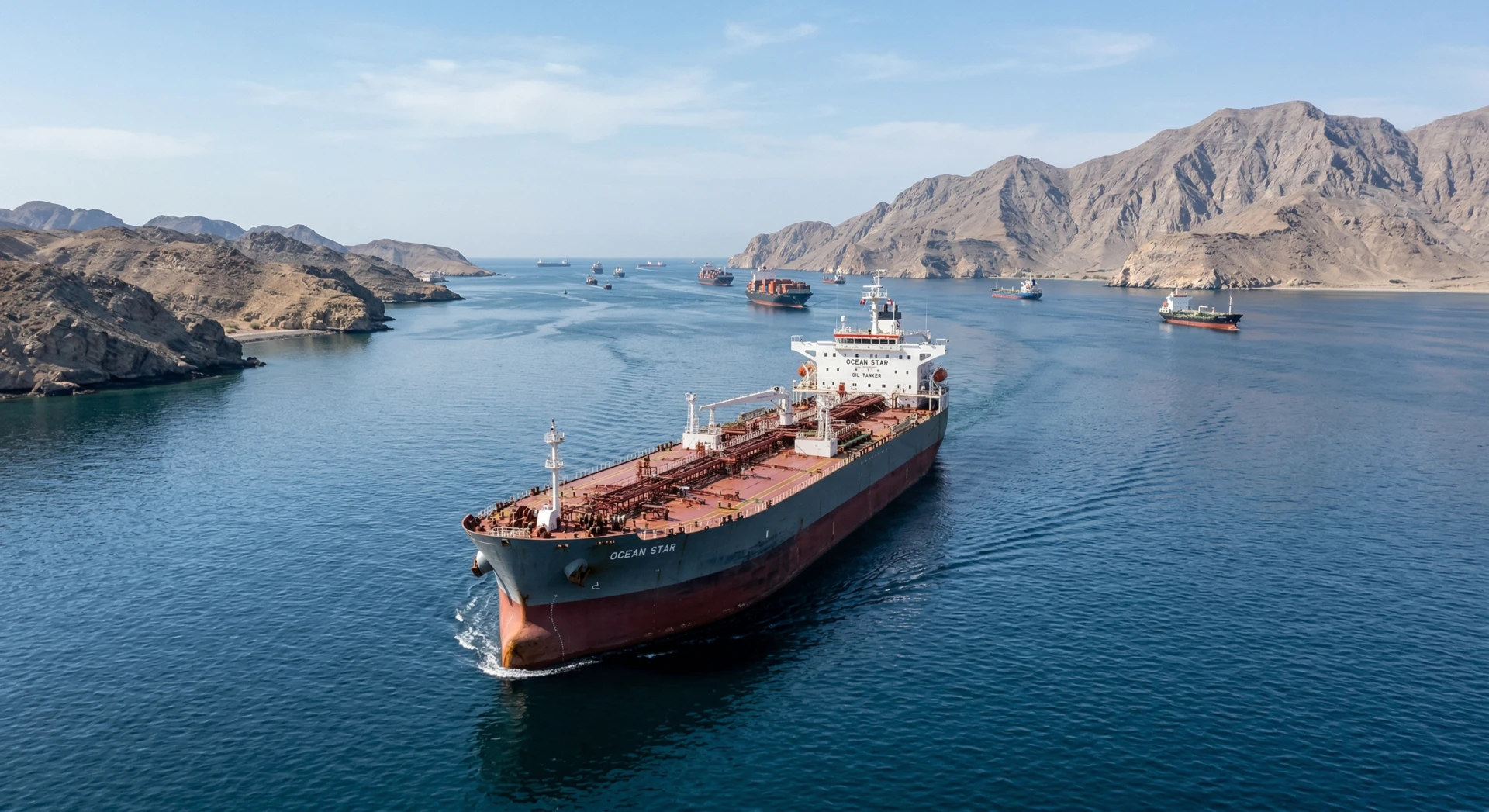
The cabinet's directive represents a textbook emerging market dilemma: cushion consumers or protect fiscal discipline. The government was explicit that the tax and margin reductions are not permanent. The measures will last an initial period of four weeks from the next pricing window, after which cabinet will review the situation. This temporality matters commercially — it signals to importers that any margin relief is contingent on Middle East developments, not Ghana's fiscal capacity. The country has no meaningful petroleum product storage buffer or hedging program, making it entirely dependent on spot market movements. When approximately 20% of global oil and gas flows transit the Strait of Hormuz and that route faces disruption, Ghana's pump prices move in lockstep with international benchmarks, regardless of domestic policy interventions.
On the buy side, Ghana's fuel importers — primarily the major Oil Marketing Companies (OMCs) like GOIL, Shell Ghana, and Total Ghana — face immediate working capital pressure. A typical 30,000-tonne gasoil cargo that cost roughly $28 million in February now requires $33-34 million at current Brent levels, assuming a standard $8-12/MT import premium over dated Brent. The 15-19% price increases at the pump barely cover this input cost inflation when factored through the two-week pricing window lag. For smaller independent importers without credit facilities from international trading houses, the margin compression becomes acute — they must either reduce volumes or accept negative cash flow until the tax relief materializes.
On the sell side, the emergency measures create asymmetric relief. Large integrated operators with diversified downstream operations — retail networks, lubricants, LPG distribution — can absorb temporary margin pressure more readily than pure-play importers. The cabinet's decision to reinforce an existing directive banning fuel allowances and fuel allocations for ministers and senior government officials signals that the administration is conscious of the optics of public sector fuel consumption while ordinary Ghanaians absorb higher costs. For regional fuel arbitrage traders, Ghana's temporary subsidy creates potential cross-border opportunities if neighboring Côte d'Ivoire, Burkina Faso, or Togo maintain full market pricing — though enforcement along Ghana's porous borders remains inconsistent.
For observers, the key signal is Ghana's four-week review window coinciding with the fragile US-Iran ceasefire timeline. US and Iranian delegations are set to meet in Pakistan on Saturday, while US President Trump said he was "optimistic" about a potential deal, even as he warned Tehran over proposed transit fees in the Strait of Hormuz. If the ceasefire holds and the near shutdown of Hormuz eases, global oil prices could retreat toward $75-80/barrel, making Ghana's tax cuts fiscally manageable. If tensions escalate and Brent peaks at $115/barrel in the second quarter as forecast by the U.S. Energy Information Administration, Ghana will face an impossible choice between fiscal stability and social stability. Monitor the Tema Oil Refinery's crude processing rates and the Bank of Ghana's foreign exchange reserves — both will signal whether Ghana can sustain import-dependent fuel consumption if global oil prices remain elevated through June.
.jpg)
.jpg)

'%3e%3cg id='Final-Copy-2_2_' transform='translate(1275.000000, 200.000000)'%3e%3cpath class='st0' d='M7.4,12.8h6.8l3.1-11.6H7.4C4.2,1.2,1.6,3.8,1.6,7S4.2,12.8,7.4,12.8z'/%3e%3c/g%3e%3c/g%3e%3c/g%3e%3cg id='final---dec.11-2020'%3e%3cg id='_x30_208-our-toggle' transform='translate(-1275.000000, -200.000000)'%3e%3cg id='Final-Copy-2' transform='translate(1275.000000, 200.000000)'%3e%3cpath class='st1' d='M22.6,0H7.4c-3.9,0-7,3.1-7,7s3.1,7,7,7h15.2c3.9,0,7-3.1,7-7S26.4,0,22.6,0z M1.6,7c0-3.2,2.6-5.8,5.8-5.8 h9.9l-3.1,11.6H7.4C4.2,12.8,1.6,10.2,1.6,7z'/%3e%3cpath id='x' class='st2' d='M24.6,4c0.2,0.2,0.2,0.6,0,0.8l0,0L22.5,7l2.2,2.2c0.2,0.2,0.2,0.6,0,0.8c-0.2,0.2-0.6,0.2-0.8,0 l0,0l-2.2-2.2L19.5,10c-0.2,0.2-0.6,0.2-0.8,0c-0.2-0.2-0.2-0.6,0-0.8l0,0L20.8,7l-2.2-2.2c-0.2-0.2-0.2-0.6,0-0.8 c0.2-0.2,0.6-0.2,0.8,0l0,0l2.2,2.2L23.8,4C24,3.8,24.4,3.8,24.6,4z'/%3e%3cpath id='y' class='st3' d='M12.7,4.1c0.2,0.2,0.3,0.6,0.1,0.8l0,0L8.6,9.8C8.5,9.9,8.4,10,8.3,10c-0.2,0.1-0.5,0.1-0.7-0.1l0,0 L5.4,7.7c-0.2-0.2-0.2-0.6,0-0.8c0.2-0.2,0.6-0.2,0.8,0l0,0L8,8.6l3.8-4.5C12,3.9,12.4,3.9,12.7,4.1z'/%3e%3c/g%3e%3c/g%3e%3c/g%3e%3c/g%3e%3c/svg%3e) Privacy Choices
Privacy Choices