.avif)
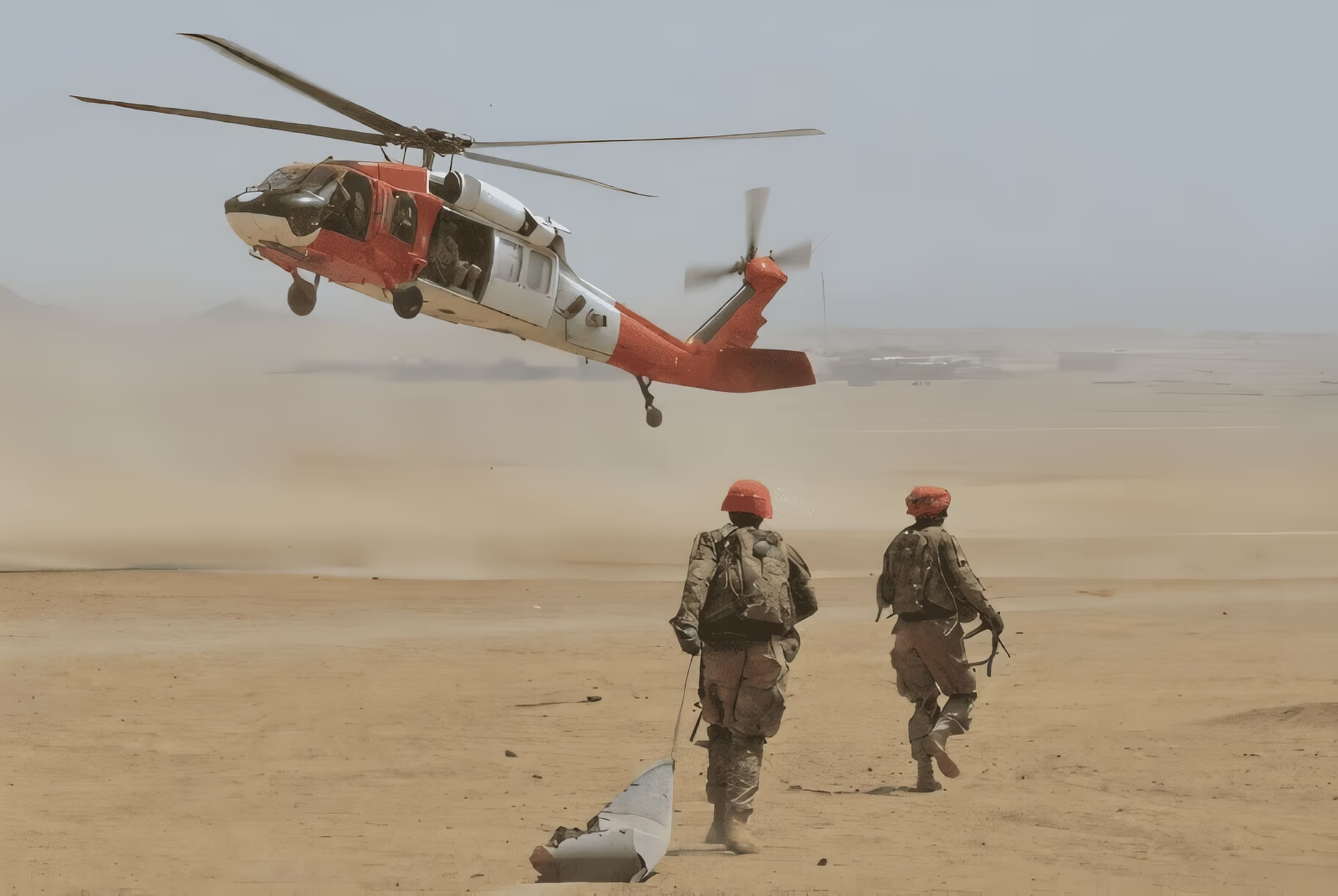
Crude buyers routing through Suez face a shifting risk calculation as over 200 Colorado National Guard troops deploy to the Sinai Peninsula this week to reinforce the Multinational Force and Observers (MFO) the 14 nation peacekeeping operation supervising the Egypt-Israel peace treaty since 1979. The deployment comes amid broader Middle East tensions, yet Iranian missile or drone attacks into Egypt have remained absent recently while Egyptian officials pursue diplomatic de-escalation. For procurement managers weighing spot market exposure versus forward contracts through the canal, the key question isn't whether this specific troop movement signals escalation, but whether the underlying peacekeeping infrastructure can maintain the transit security that keeps Suez premiums manageable compared to Cape of Good Hope alternatives.
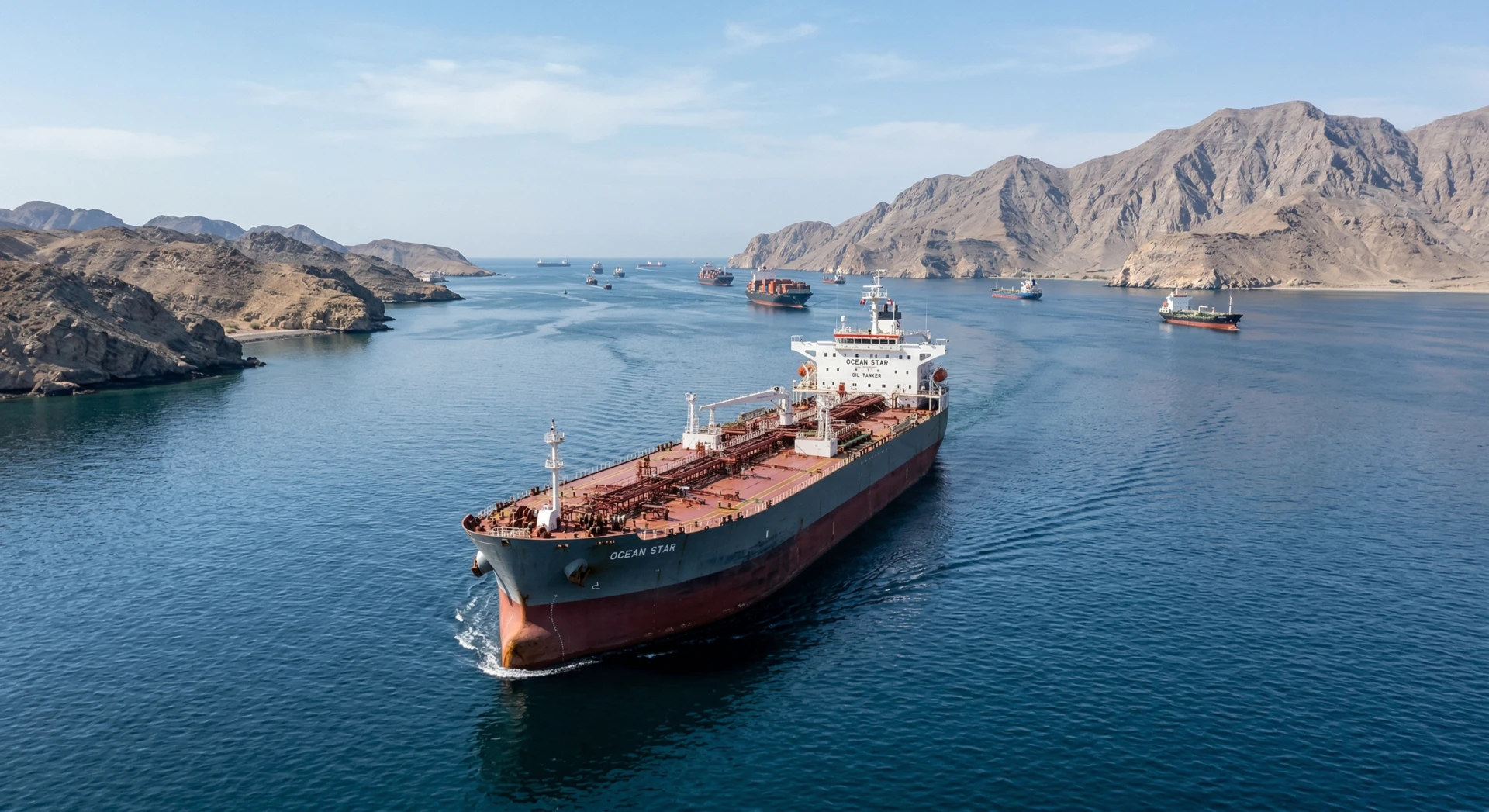
The commercial mechanism turns on risk premiums embedded in freight rates and insurance costs for vessels transiting the 120 mile canal that handles roughly 12% of global trade. When security concerns spike, spot charter rates (immediate vessel bookings as opposed to long-term shipping contracts) typically see the fastest adjustment as owners demand higher compensation for perceived risk. Buyers locked into FOB pricing where sellers cover costs only to the loading port face full exposure to these transit premium fluctuations, while those on delivered terms shift the burden to suppliers. The peacekeeping reinforcement theoretically stabilizes this calculation, though the timing amid regional tensions creates uncertainty about whether 200 additional troops represents routine rotation or acknowledgment of heightened threat levels.
Sellers with significant Suez dependent volumes find themselves navigating conflicting signals: peacekeeping reinforcement suggests commitment to transit stability, yet the deployment's timing amid Iranian proxy activity elsewhere in the region complicates messaging to buyers about routing confidence. Those with flexibility between Suez and Cape routing face a narrowing arbitrage window if security premiums compress on strengthened peacekeeping presence. Meanwhile, buyers on delivered terms might press suppliers for Suez routing commitments while premiums remain elevated, locking in what could become favorable positioning if peacekeeping efforts prove effective. For observers tracking market sentiment, the signal worth monitoring is whether insurance markets price this deployment as risk mitigation or tacit acknowledgment of escalating regional instability.
The deployment's scale relative to the broader MFO mission remains unclear from available reporting a gap that matters for assessing whether this represents standard peacekeeping rotation or response to specific intelligence about Suez corridor threats. Iranian restraint regarding direct attacks on Egyptian territory offers some comfort, though proxy activities elsewhere in the region keep security premiums elevated above historical norms. Crude procurement teams face the familiar challenge of weighing immediate cost certainty against longer term exposure, complicated by the reality that peacekeeping effectiveness often becomes clear only in retrospect, well after routing and contract decisions must be made.
.jpg)

'%3e%3cg id='Final-Copy-2_2_' transform='translate(1275.000000, 200.000000)'%3e%3cpath class='st0' d='M7.4,12.8h6.8l3.1-11.6H7.4C4.2,1.2,1.6,3.8,1.6,7S4.2,12.8,7.4,12.8z'/%3e%3c/g%3e%3c/g%3e%3c/g%3e%3cg id='final---dec.11-2020'%3e%3cg id='_x30_208-our-toggle' transform='translate(-1275.000000, -200.000000)'%3e%3cg id='Final-Copy-2' transform='translate(1275.000000, 200.000000)'%3e%3cpath class='st1' d='M22.6,0H7.4c-3.9,0-7,3.1-7,7s3.1,7,7,7h15.2c3.9,0,7-3.1,7-7S26.4,0,22.6,0z M1.6,7c0-3.2,2.6-5.8,5.8-5.8 h9.9l-3.1,11.6H7.4C4.2,12.8,1.6,10.2,1.6,7z'/%3e%3cpath id='x' class='st2' d='M24.6,4c0.2,0.2,0.2,0.6,0,0.8l0,0L22.5,7l2.2,2.2c0.2,0.2,0.2,0.6,0,0.8c-0.2,0.2-0.6,0.2-0.8,0 l0,0l-2.2-2.2L19.5,10c-0.2,0.2-0.6,0.2-0.8,0c-0.2-0.2-0.2-0.6,0-0.8l0,0L20.8,7l-2.2-2.2c-0.2-0.2-0.2-0.6,0-0.8 c0.2-0.2,0.6-0.2,0.8,0l0,0l2.2,2.2L23.8,4C24,3.8,24.4,3.8,24.6,4z'/%3e%3cpath id='y' class='st3' d='M12.7,4.1c0.2,0.2,0.3,0.6,0.1,0.8l0,0L8.6,9.8C8.5,9.9,8.4,10,8.3,10c-0.2,0.1-0.5,0.1-0.7-0.1l0,0 L5.4,7.7c-0.2-0.2-0.2-0.6,0-0.8c0.2-0.2,0.6-0.2,0.8,0l0,0L8,8.6l3.8-4.5C12,3.9,12.4,3.9,12.7,4.1z'/%3e%3c/g%3e%3c/g%3e%3c/g%3e%3c/g%3e%3c/svg%3e) Privacy Choices
Privacy Choices