.avif)
.jpg)
German fuel retailers with inventory purchased before midnight May 1 can capture €0.17/liter in margin until they cycle through existing tank stocks, as the country's two month fuel tax relief applies only to fuel leaving refineries after midnight. This inventory timing arbitrage unavoidable in any sudden tax cut means stations with high turnover capture the discount for days, while those with slower movement hold it for weeks. The €1.6 billion relief package responds to Brent crude prices spiking 73% year to date due to the Strait of Hormuz closure, but early price data reveals the enforcement challenge: by 8:00 AM May 1, Super E10 gasoline fell only 10.7 cents to 1.976 euros per liter, while diesel dropped 10.4 cents to 2.063 euros both significantly below the full tax relief.
A mid-sized fuel station operator in Munich with 40,000 liters of gasoline inventory purchased April 30 captures €6,800 in windfall margin that the government intended for drivers. At current throughput rates averaging 2,500 liters daily for urban stations this station holds the arbitrage for 16 days. The math is stark: €0.17 × 40,000 liters = €6,800 that flows directly to the operator's margin rather than customer relief. Tank farms and large distribution terminals with weeks of inventory capture multiples of this amount. The government's enforcement mechanism limiting stations to one daily price increase at noon controls price volatility but cannot address inventory already purchased at the higher tax rate.
On the buy side: Commercial fleet operators and logistics companies facing fuel bills that comprise 25-40% of operating costs see immediate but incomplete relief. A mid-sized trucking company burning 50,000 liters monthly saves approximately €8,500 if stations pass through the full discount, but early data suggests savings will reach only €5,350 based on observed pricing gaps. Independent truckers with smaller margins feel this €3,150 monthly shortfall acutely, particularly those operating on thin spot market rates where fuel cost recovery lags behind current pump prices.
On the sell side: Integrated oil companies (Shell, BP, TotalEnergies operating 14,000+ stations across Germany) lose the potential windfall margin as Economy Minister Katherina Reiche urged companies to fully pass the tax cuts to consumers. However, these players benefit from inventory arbitrage at their proprietary stations and capture margin on wholesale fuel sales to independent operators. Regional fuel distributors and independent station operators face the starkest contrast those with recent inventory purchases capture significant windfall, while those needing to restock at post-midnight prices see compressed margins until retail prices adjust.
For large integrated traders (Shell Trading, Vitol, BP Oil International): The tax cut creates a temporary pricing dislocation in the German wholesale market, but no fundamental arbitrage opportunity. These players hedge fuel price risk through forward contracts and swaps, neutralizing most margin impact from the €0.17 differential. Their focus shifts to managing physical positioning maximizing deliveries from refineries on May 1 to capture the inventory timing benefit, while adjusting supply contracts to European neighbors where no equivalent tax relief exists.
For smaller regional operators cooperative fuel networks, independent distributors, single-location operators: The inventory arbitrage represents genuine margin enhancement without hedging protection. An independent operator with €200,000 in fuel inventory purchased April 30 captures €34,000 in unexpected profit (17 cents × 200,000 liters) that requires no additional investment or risk. The challenge becomes managing public perception and government pressure as the Federal Cartel Office now takes simpler and tougher action against abusive fuel price increases.
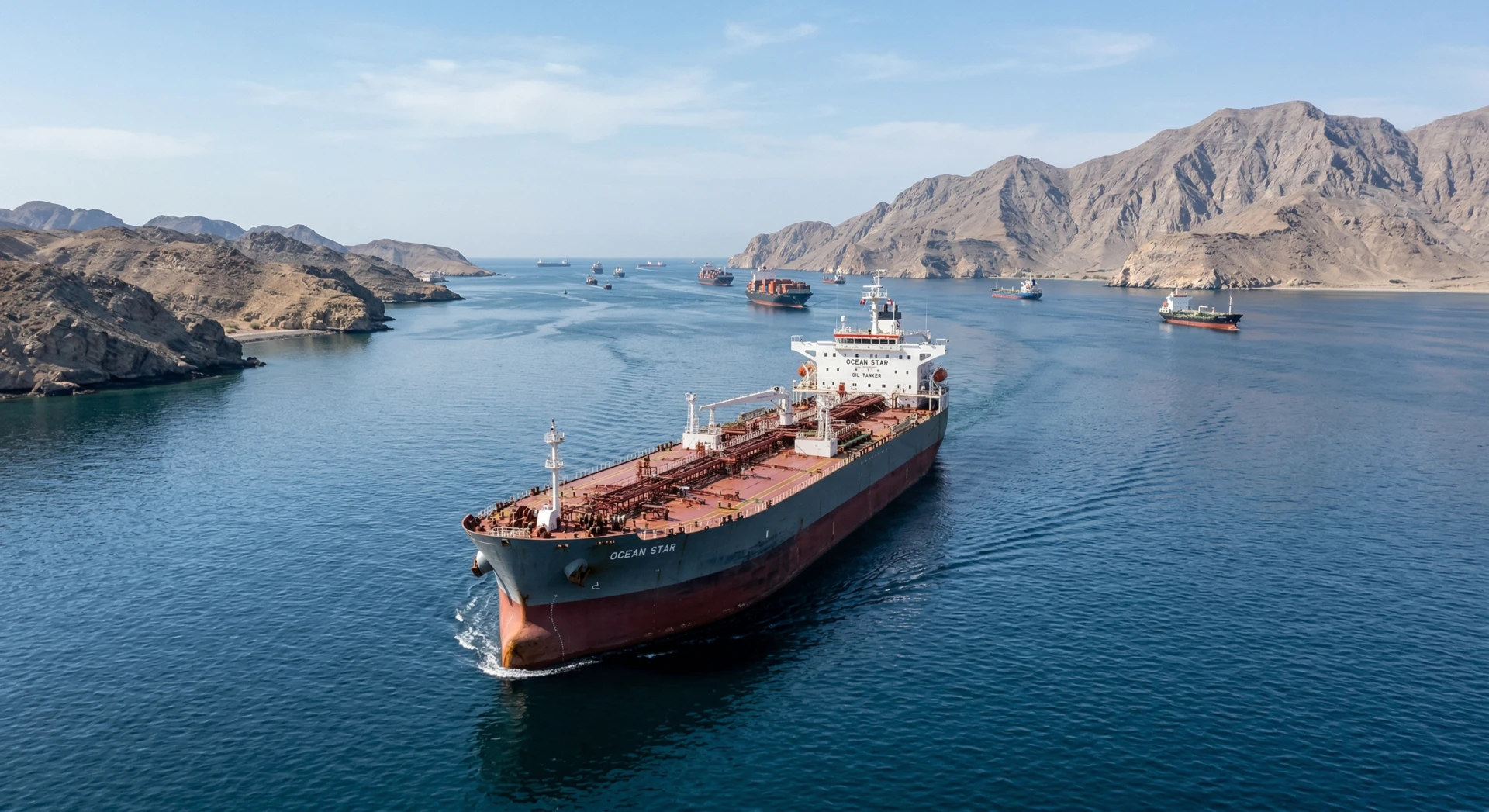
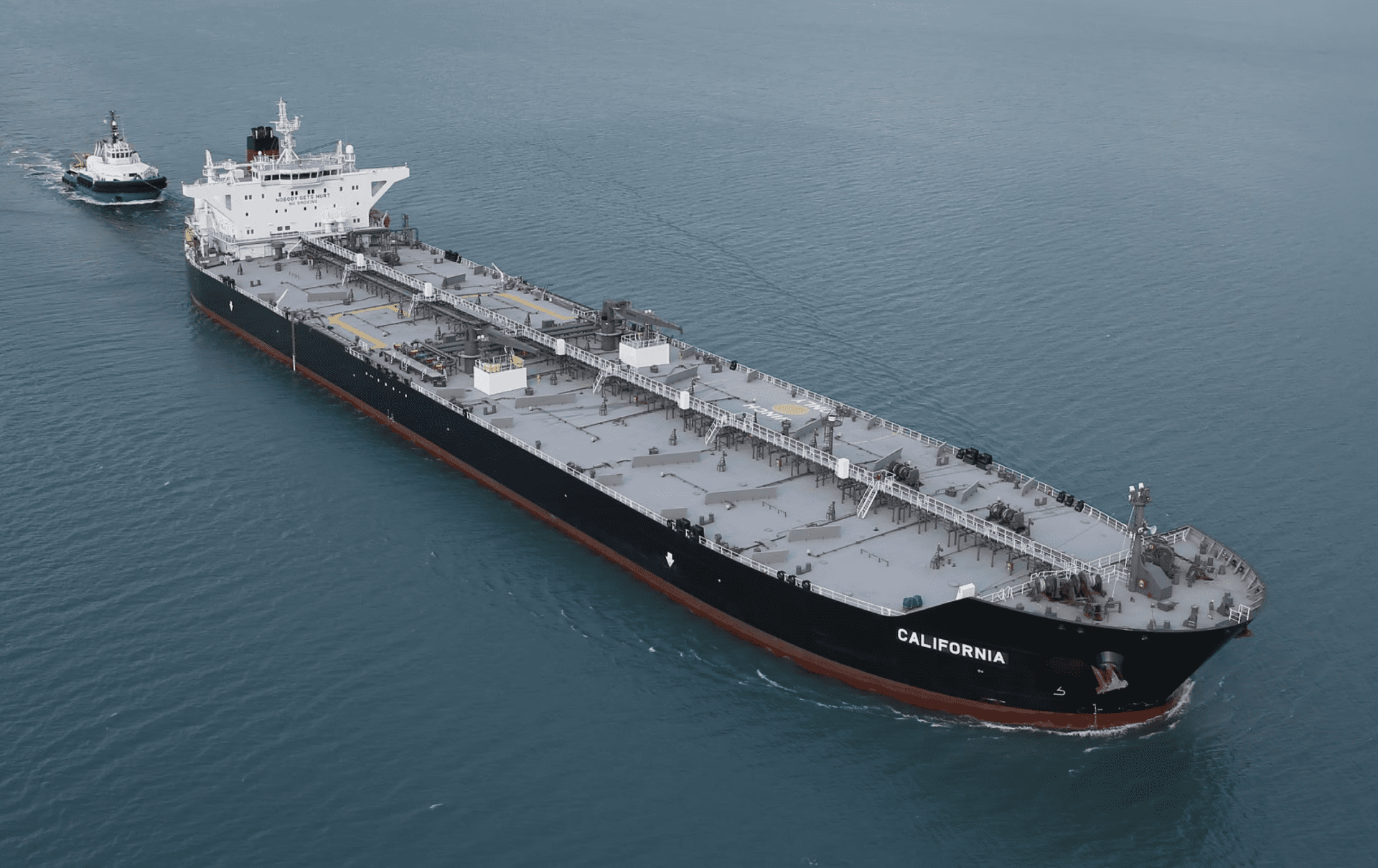
The physical supply chain reveals the policy's structural limitation. Fuel travels from refineries through tank farms, wholesale terminals, and finally to retail stations each stage holding 3-15 days of inventory. Since April 1, German stations can increase prices only once daily at 12 noon, but this price control mechanism cannot retroactively apply the tax cut to fuel already in the distribution system. The government estimates 2-3 weeks for full pass-through as pre-midnight inventory clears, meaning early May pricing data underestimates the policy's eventual impact.
Freight operators and distribution logistics capture unexpected margin concentration during this transition period. Fuel delivery trucks that loaded April 30 for May 1 delivery benefit from the timing arbitrage delivering fuel purchased at the higher tax rate but selling into a market expecting the lower rate. This €0.17/liter benefit applies to every liter in transit during the midnight changeover, creating windfall margins for wholesale distributors and transport operators. The pattern reverses for subsequent deliveries as wholesale prices adjust to reflect the tax change.
Cross-border arbitrage emerges as German fuel becomes artificially cheap relative to neighboring markets. With diesel prices now sub-€2.10 in many German locations versus €2.30+ in France and Netherlands, cross-border fuel purchases intensify. Commercial haulers adjust routes to refuel in Germany, while border-region consumers drive across for cheaper fuel. This arbitrage remains limited by transport costs and fuel tank capacity, but creates localized demand spikes that can absorb some inventory arbitrage benefits.
For observers monitoring this policy's effectiveness: Track the Market Transparency Unit for Fuels at the Federal Cartel Office, which monitors price data from 15,000 German stations and updates fuel apps within five minutes. Full pass-through confirmation requires comparing average pump prices June 1 against April 30 baseline, adjusting for underlying crude oil price movements. The Federal Cartel Office's noon pricing reports through mid-May will indicate whether stations exploit the inventory timing arbitrage or honor the policy's intent.

.jpg)

'%3e%3cg id='Final-Copy-2_2_' transform='translate(1275.000000, 200.000000)'%3e%3cpath class='st0' d='M7.4,12.8h6.8l3.1-11.6H7.4C4.2,1.2,1.6,3.8,1.6,7S4.2,12.8,7.4,12.8z'/%3e%3c/g%3e%3c/g%3e%3c/g%3e%3cg id='final---dec.11-2020'%3e%3cg id='_x30_208-our-toggle' transform='translate(-1275.000000, -200.000000)'%3e%3cg id='Final-Copy-2' transform='translate(1275.000000, 200.000000)'%3e%3cpath class='st1' d='M22.6,0H7.4c-3.9,0-7,3.1-7,7s3.1,7,7,7h15.2c3.9,0,7-3.1,7-7S26.4,0,22.6,0z M1.6,7c0-3.2,2.6-5.8,5.8-5.8 h9.9l-3.1,11.6H7.4C4.2,12.8,1.6,10.2,1.6,7z'/%3e%3cpath id='x' class='st2' d='M24.6,4c0.2,0.2,0.2,0.6,0,0.8l0,0L22.5,7l2.2,2.2c0.2,0.2,0.2,0.6,0,0.8c-0.2,0.2-0.6,0.2-0.8,0 l0,0l-2.2-2.2L19.5,10c-0.2,0.2-0.6,0.2-0.8,0c-0.2-0.2-0.2-0.6,0-0.8l0,0L20.8,7l-2.2-2.2c-0.2-0.2-0.2-0.6,0-0.8 c0.2-0.2,0.6-0.2,0.8,0l0,0l2.2,2.2L23.8,4C24,3.8,24.4,3.8,24.6,4z'/%3e%3cpath id='y' class='st3' d='M12.7,4.1c0.2,0.2,0.3,0.6,0.1,0.8l0,0L8.6,9.8C8.5,9.9,8.4,10,8.3,10c-0.2,0.1-0.5,0.1-0.7-0.1l0,0 L5.4,7.7c-0.2-0.2-0.2-0.6,0-0.8c0.2-0.2,0.6-0.2,0.8,0l0,0L8,8.6l3.8-4.5C12,3.9,12.4,3.9,12.7,4.1z'/%3e%3c/g%3e%3c/g%3e%3c/g%3e%3c/g%3e%3c/svg%3e) Privacy Choices
Privacy Choices