.avif)
Venezuela's PDVSA and Italy's ENI signed an agreement to restart the Junín 5 heavy oil project, targeting 35 billion barrels of certified reserves as US sanctions ease, positioning European majors at $10-15/barrel cost advantage over struggling light-sweet producers amid Brent crude at $113/barrel. The deal signed Tuesday at Miraflores Palace marks the most significant European upstream commitment to Venezuela's post-Maduro normalization, adding potential 300,000-500,000 bpd capacity at production costs competitive with North Sea offshore developments.
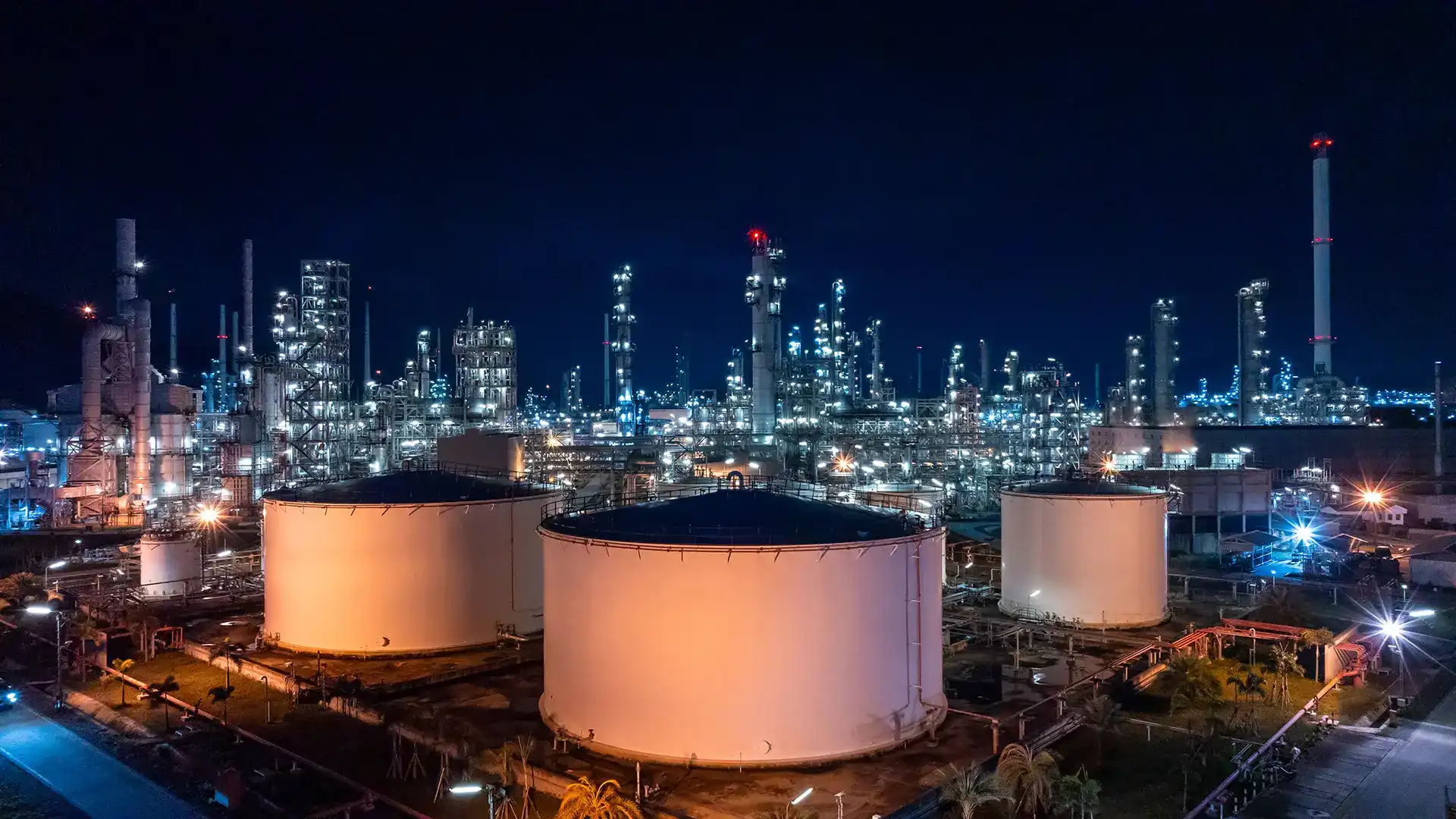
Junín-5 a heavy oil project in which PDVSA holds 60% and ENI 40%, containing approximately 35 billion barrels of certified oil in place requires specialized refining infrastructure capable of processing 8-12 API gravity crude. Most refineries globally cannot handle this grade without costly modifications: a typical 250,000 bpd refinery requires $2-4 billion upgrading to process Orinoco crude efficiently. The gap between production potential and refining reality means Venezuelan heavy crude trades at persistent $8-15/barrel discounts to Brent, regardless of production volumes. Consider that ENI's current Venezuelan production totaled 64,000 barrels of oil equivalent per day in 2025, primarily from gas operations Junín-5 represents a fundamental shift toward oil production requiring entirely different commercial infrastructure.
On the buy side, heavy oil refineries primarily in the US Gulf Coast, Eastern Canada, and select Chinese complexes gain access to discounted feedstock with predictable pricing differentials. Gulf Coast refiners processing Maya or Western Canadian heavy crude can substitute Venezuelan barrels at 60-80% of processing costs, improving refining margins by $3-8/barrel during tight heavy crude markets.
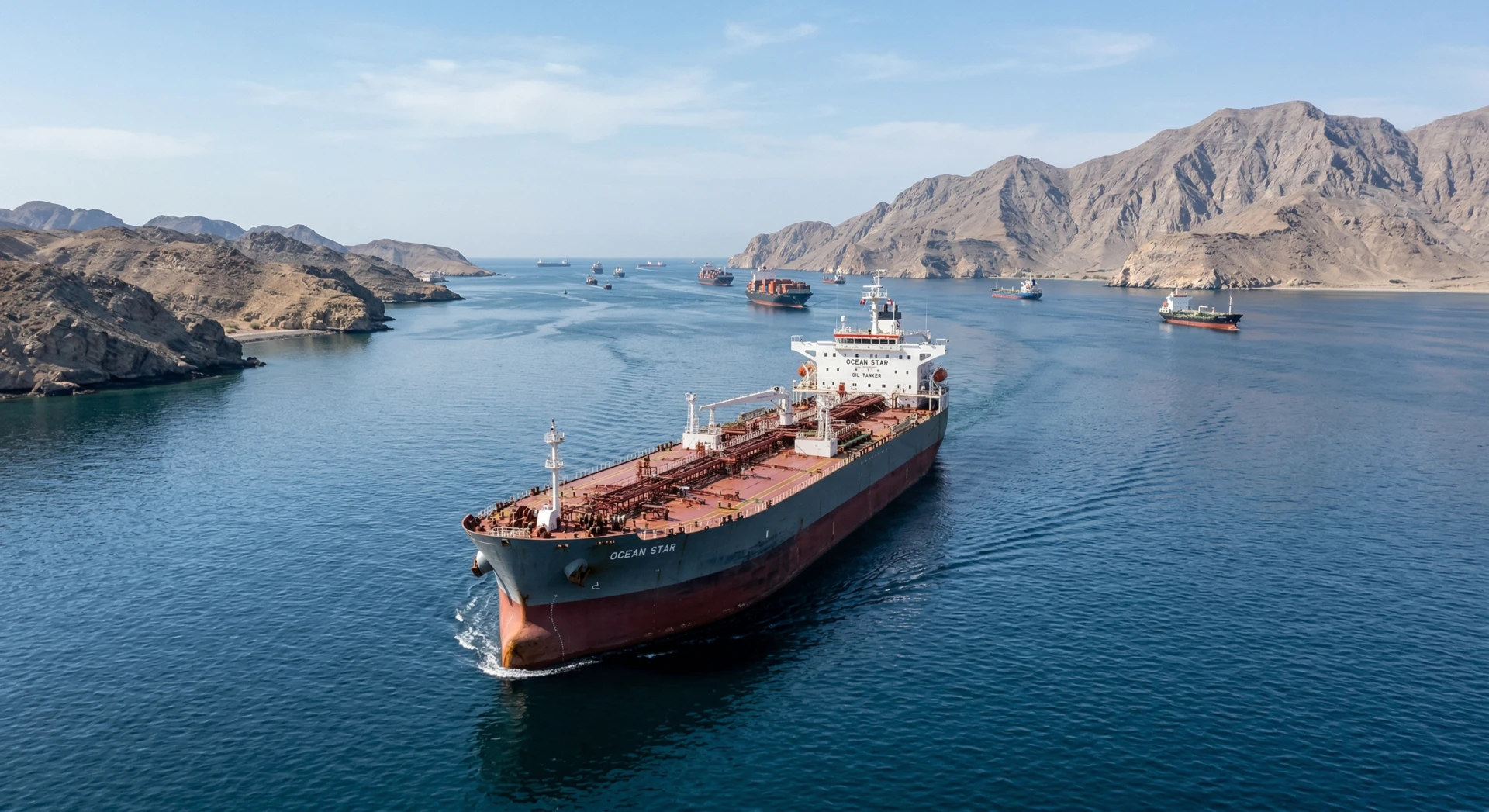
On the sell side, ENI's upstream operations secure long-term production growth optionality potentially worth $5-10 billion NPV if fully developed, though realization requires sustained infrastructure investment and continued sanctions relief. For trading intermediaries, the heavy-light crude arbitrage concentrates around transport economics: Venezuelan heavy crude shipped to specialized refineries in Asia faces $4-6/barrel freight disadvantage versus Middle Eastern grades, limiting marketing flexibility.
For large integrated operators major oil companies with global refining networks and derivatives access General License 48 authorizes upstream oil and gas exploration, development, and production activities in Venezuela, enabling immediate participation through fixed-price supply agreements and currency hedging via three year WTI-Brent collar options. For smaller regional operators mid-sized refiners and independent distributors without derivatives capabilities practical exposure management requires bilateral supply contracts with ENI or other established producers, accepting fixed differentials to Brent rather than spot-market volatility. Regional players gain access through committed offtake agreements, typically 12-36 month contracts with pricing floors at Brent minus $12-18/barrel.
Venezuela's return to global markets creates structural supply addition as foreign companies looking for governance improvements and sanctions easing could see oil production increase of 500,000-1 million bpd within a 2 year horizon. However, the timeline depends on equipment availability and specialized services: most heavy oil development requires horizontal drilling rigs and steam injection systems currently concentrated in Canadian oil sands operations. Watch ICE Brent-WTI spread narrowing below $4/barrel by December 2026 as Venezuelan heavy crude displaces Canadian bitumen in US Gulf refineries. Monitor PDVSA's monthly production reports for sustained increases above 1.2 million bpd the threshold where Venezuelan exports begin affecting global heavy crude pricing structures and potentially compress Maya-Brent differentials.

.jpg)


'%3e%3cg id='Final-Copy-2_2_' transform='translate(1275.000000, 200.000000)'%3e%3cpath class='st0' d='M7.4,12.8h6.8l3.1-11.6H7.4C4.2,1.2,1.6,3.8,1.6,7S4.2,12.8,7.4,12.8z'/%3e%3c/g%3e%3c/g%3e%3c/g%3e%3cg id='final---dec.11-2020'%3e%3cg id='_x30_208-our-toggle' transform='translate(-1275.000000, -200.000000)'%3e%3cg id='Final-Copy-2' transform='translate(1275.000000, 200.000000)'%3e%3cpath class='st1' d='M22.6,0H7.4c-3.9,0-7,3.1-7,7s3.1,7,7,7h15.2c3.9,0,7-3.1,7-7S26.4,0,22.6,0z M1.6,7c0-3.2,2.6-5.8,5.8-5.8 h9.9l-3.1,11.6H7.4C4.2,12.8,1.6,10.2,1.6,7z'/%3e%3cpath id='x' class='st2' d='M24.6,4c0.2,0.2,0.2,0.6,0,0.8l0,0L22.5,7l2.2,2.2c0.2,0.2,0.2,0.6,0,0.8c-0.2,0.2-0.6,0.2-0.8,0 l0,0l-2.2-2.2L19.5,10c-0.2,0.2-0.6,0.2-0.8,0c-0.2-0.2-0.2-0.6,0-0.8l0,0L20.8,7l-2.2-2.2c-0.2-0.2-0.2-0.6,0-0.8 c0.2-0.2,0.6-0.2,0.8,0l0,0l2.2,2.2L23.8,4C24,3.8,24.4,3.8,24.6,4z'/%3e%3cpath id='y' class='st3' d='M12.7,4.1c0.2,0.2,0.3,0.6,0.1,0.8l0,0L8.6,9.8C8.5,9.9,8.4,10,8.3,10c-0.2,0.1-0.5,0.1-0.7-0.1l0,0 L5.4,7.7c-0.2-0.2-0.2-0.6,0-0.8c0.2-0.2,0.6-0.2,0.8,0l0,0L8,8.6l3.8-4.5C12,3.9,12.4,3.9,12.7,4.1z'/%3e%3c/g%3e%3c/g%3e%3c/g%3e%3c/g%3e%3c/svg%3e) Privacy Choices
Privacy Choices