.avif)
.avif)
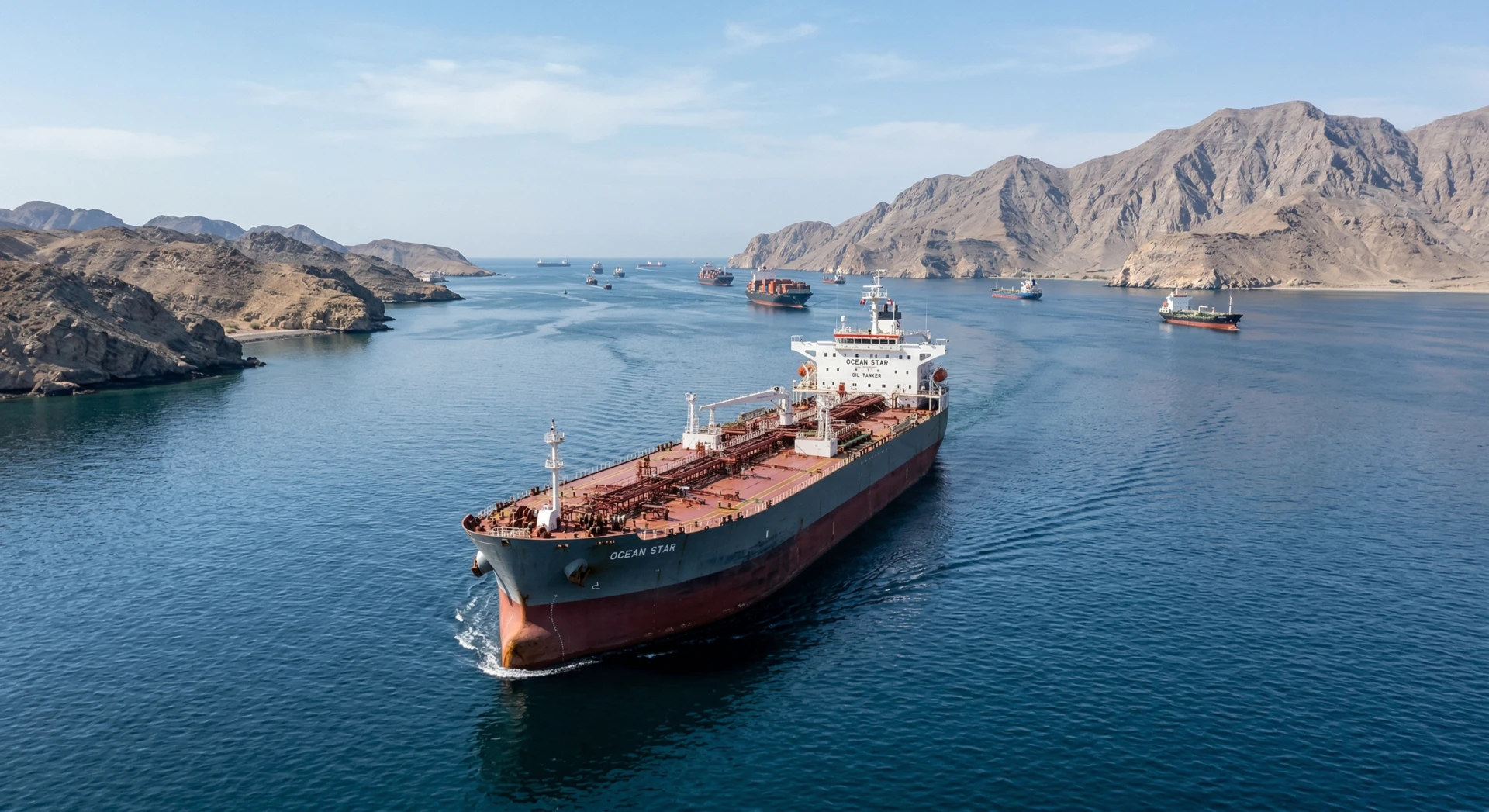
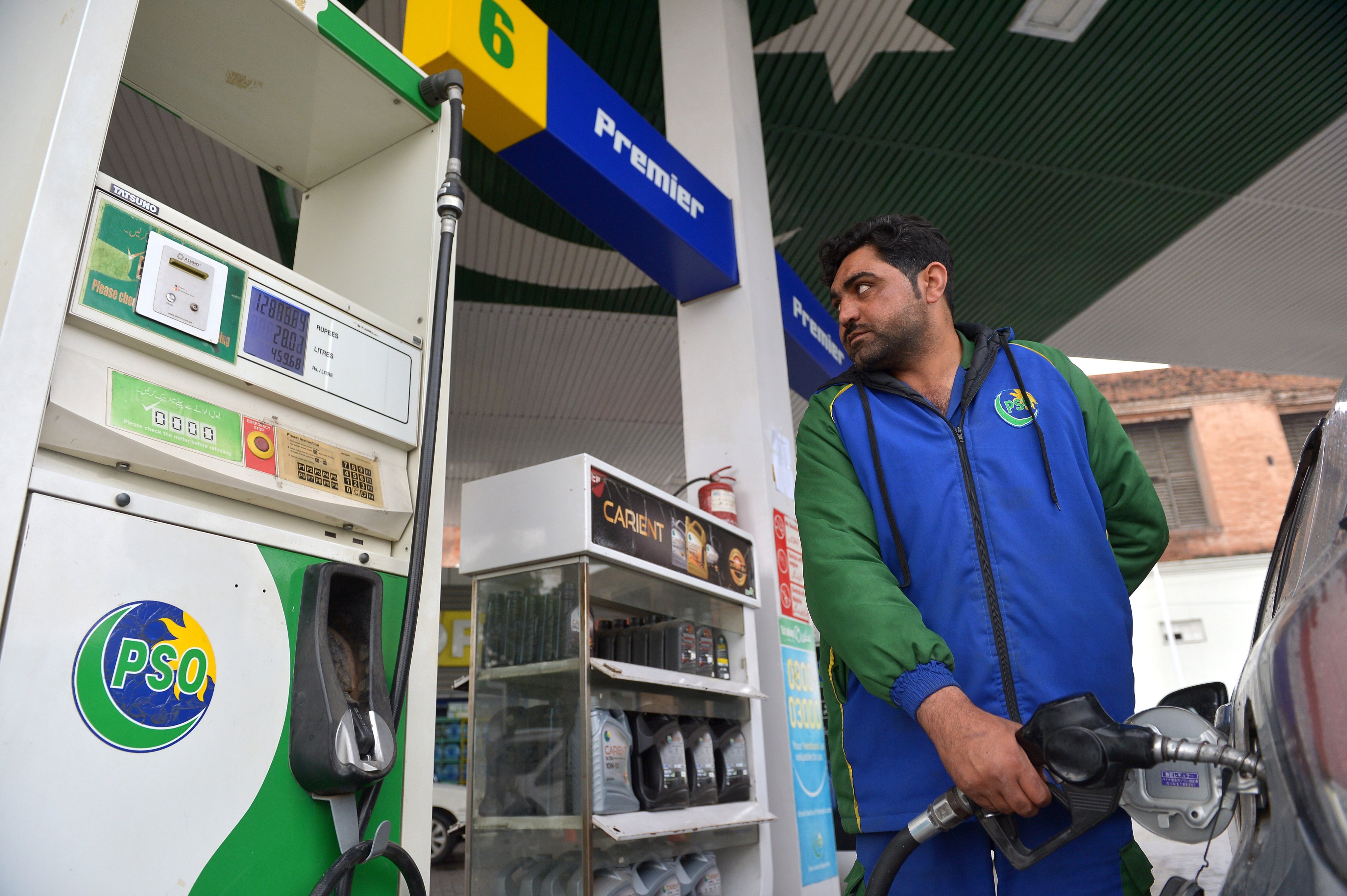
Pakistani transport operators face immediate margin destruction as diesel prices jump 55% to Rs520.35 per litre from April 3, while Middle East refiners gain breathing room as subsidized Pakistani demand roughly 120,000 barrels per day of diesel imports faces sharp contraction. The Rs184.49 per litre increase eliminates operating margins for Pakistan's trucking sector, where diesel typically represents 40-45% of total operating costs. A typical inter-city freight operator running 10 trucks now faces an additional Rs2.8-3.2 million monthly fuel bill, forcing immediate rate increases of 25-35% to customers or operational shutdowns. On the supply side, refiners in Kuwait, UAE, and Saudi Arabia see reduced competition for their diesel exports as Pakistani demand destruction estimated at 15-25% consumption decline creates additional margin space in regional markets. The mechanism is direct, less Pakistani buying pressure means Gulf suppliers can redirect volumes to higher netback destinations or negotiate better terms with remaining buyers. For product tanker operators, this translates to reduced Pakistan bound fixtures and potential vessel oversupply on Middle East-South Asia routes.
The financing constraint behind Pakistan's fuel price shock reveals the structural weakness in South Asian energy import models. Pakistan's fuel import financing depends heavily on deferred payment arrangements and supplier credit from Gulf national oil companies and major trading houses like Vitol, Trafigura, and Gunvor. With foreign exchange reserves hovering near $8-9 billion barely covering six weeks of imports, Pakistan's ability to issue reliable letters of credit (LCs) for petroleum shipments has deteriorated sharply. A typical 35,000 tonne diesel cargo from Kuwait costs $28-32 million, requiring LC issuance that Pakistan's banks increasingly struggle to guarantee without central bank intervention. The real policy choice wasn't between subsidies and market pricing, but between maintaining import credit lines or facing supply disruptions. The Rs129 billion monthly subsidy burden cited by officials pales compared to the $400-500 million monthly petroleum import bill that requires hard currency settlement. For trading houses, this creates a classic emerging market trade finance squeeze, higher margins demanded to compensate for payment risk, or reduced credit terms forcing Pakistan toward spot purchases at premium prices.
Reality hits Pakistan's diesel-dependent sectors with mathematical precision, revealing why the government delayed this price adjustment repeatedly. Pakistan's agricultural sector responsible for 23% of GDP depends on diesel for irrigation pumps, tractors, and harvest equipment during the upcoming rabi crop season. A wheat farmer operating 100 acres typically consumes 400-500 litres of diesel monthly for irrigation and field preparation. The price increase adds Rs73,800-92,250 to monthly operating costs per 100 acre operation, forcing farmers to reduce irrigated acreage or switch to less water-intensive crops. Pakistan's transportation sector shows even less price elasticity, freight movement by road handles 85% of domestic cargo, with limited rail alternatives. Inter-city bus operators and goods transporters must absorb the higher fuel costs initially, then pass increases to passengers and shippers within 2-3 weeks. The government's calculation was stark continue subsidizing consumption that the treasury cannot finance, or force demand destruction that triggers immediate economic disruption. Manufacturing sectors dependent on diesel generators for backup power textile mills, cement plants, steel producers face similar margin compression with limited short-term substitution options.
Buyer-seller dynamics shift dramatically as Pakistani petroleum product demand faces structural compression. On the buy side, Pakistan State Oil (PSO) and Shell Pakistan must renegotiate term contracts with Middle East suppliers, likely accepting shorter payment terms or higher credit margins as their government backing becomes less reliable. Pakistani buyers who previously secured 90 day payment terms may find suppliers demanding 30 day settlement or cash against documents terms, effectively adding $2-4 per barrel to import costs. Regional fuel retailers prepare for volume collapses of 20-30% as transport operators reduce fleet utilization and agricultural machinery usage drops. On the sell side, Kuwaiti refiners like KNPC and Saudi Aramco's trading arm benefit from reduced competition for their diesel exports. A typical 30,000 tonne diesel cargo to Karachi that previously commanded Platts + $3-5/barrel premium may now price at Platts + $7-9/barrel as fewer buyers compete. Gulf trading houses gain negotiating leverage with Pakistani importers while simultaneously benefiting from tighter regional diesel balances as Pakistani import demand weakens. UAE-based independent refiners operating smaller facilities see improved margins as their regional diesel sales face less competition from subsidized Pakistani consumption.
Operator scale differences determine who survives Pakistan's fuel price shock and who gains from the resulting market structure. Large integrated Pakistani companies like Attock Petroleum and Pak-Arab Refinery can partially hedge through their upstream oil production or refining operations, using transfer pricing to cushion downstream retail margins. These operators maintain access to international banking relationships and can potentially secure supplier financing from major oil companies at better terms than smaller competitors. Mid-sized fuel distributors and transport companies face the classic emerging market squeeze, too large to qualify for government relief programs, too small to access international credit facilities. A regional fuel distributor with 50-80 retail stations must choose between maintaining inventory levels at higher working capital costs or reducing stock and risking supply disruptions. Small scale operators independent truckers, rural fuel retailers, agricultural contractors lack financial buffers to absorb the immediate cost increase. These operators typically operate on 30-60 day payment cycles with customers but must pay suppliers weekly, creating a cash flow mismatch that forces immediate business model adjustments or closures. The resulting market consolidation benefits larger players who can acquire distressed smaller competitors' assets at substantial discounts.
Cross-border arbitrage opportunities emerge as Pakistan's fuel prices surge above neighboring markets, creating enforcement challenges and smuggling incentives. Pakistan's new diesel price of Rs520.35 per litre ($1.87/litre at current exchange rates) compares to roughly $0.45-0.55/litre in Iran and $0.85-0.95/litre in Afghanistan, creating substantial smuggling margins along porous border regions. The price differential of $0.9-1.4 per litre provides sufficient margin to justify cross-border fuel movement despite transportation costs and official restrictions. Border regions in Balochistan and Khyber Pakhtunkhwa historically see increased fuel smuggling when domestic international price gaps exceed $0.50 per litre. For legitimate traders, the arbitrage creates compliance costs as Pakistani customs and petroleum regulators increase border monitoring. Regional fuel markets in Iran and Afghanistan may see increased demand from cross-border trade, potentially tightening their local supply balances. Pakistani authorities face the classic subsidy removal dilemma, maintain expensive domestic consumption subsidies or accept increased smuggling and revenue losses as market forces seek price equilibration across borders. The enforcement cost of preventing fuel smuggling often exceeds the fiscal savings from reduced subsidies.
Forward market signals indicate broader South Asian energy import vulnerability as Pakistan's crisis foreshadows similar pressures across the region. Bangladesh faces comparable foreign exchange constraints with petroleum imports consuming 12-15% of total import spending, while Sri Lanka's recent fuel crisis demonstrated how quickly subsidized consumption models collapse under balance of payments pressure. The Pakistan situation signals to regional petroleum suppliers that deferred payment arrangements and supplier credit terms may require fundamental restructuring. Product tanker operators should monitor similar subsidy dependent markets for comparable demand destruction risks Indian state-level fuel subsidies, Indonesian petroleum product pricing, and Malaysian diesel subsidy policies all face similar fiscal sustainability questions. Shipping demand for Pakistan-bound petroleum products will likely decline 15-25% over the next quarter, with vessels potentially redeploying to India-Middle East or Southeast Asia routes. The broader signal for energy trade finance involves increased risk premiums for emerging market petroleum importers, potentially adding $1-3 per barrel to import costs across South Asia. Regional diesel crack spreads may widen as Pakistani demand destruction reduces refinery run rates, creating margin opportunities for integrated oil companies while pressuring independent refiners dependent on product sales volumes.
.jpg)

'%3e%3cg id='Final-Copy-2_2_' transform='translate(1275.000000, 200.000000)'%3e%3cpath class='st0' d='M7.4,12.8h6.8l3.1-11.6H7.4C4.2,1.2,1.6,3.8,1.6,7S4.2,12.8,7.4,12.8z'/%3e%3c/g%3e%3c/g%3e%3c/g%3e%3cg id='final---dec.11-2020'%3e%3cg id='_x30_208-our-toggle' transform='translate(-1275.000000, -200.000000)'%3e%3cg id='Final-Copy-2' transform='translate(1275.000000, 200.000000)'%3e%3cpath class='st1' d='M22.6,0H7.4c-3.9,0-7,3.1-7,7s3.1,7,7,7h15.2c3.9,0,7-3.1,7-7S26.4,0,22.6,0z M1.6,7c0-3.2,2.6-5.8,5.8-5.8 h9.9l-3.1,11.6H7.4C4.2,12.8,1.6,10.2,1.6,7z'/%3e%3cpath id='x' class='st2' d='M24.6,4c0.2,0.2,0.2,0.6,0,0.8l0,0L22.5,7l2.2,2.2c0.2,0.2,0.2,0.6,0,0.8c-0.2,0.2-0.6,0.2-0.8,0 l0,0l-2.2-2.2L19.5,10c-0.2,0.2-0.6,0.2-0.8,0c-0.2-0.2-0.2-0.6,0-0.8l0,0L20.8,7l-2.2-2.2c-0.2-0.2-0.2-0.6,0-0.8 c0.2-0.2,0.6-0.2,0.8,0l0,0l2.2,2.2L23.8,4C24,3.8,24.4,3.8,24.6,4z'/%3e%3cpath id='y' class='st3' d='M12.7,4.1c0.2,0.2,0.3,0.6,0.1,0.8l0,0L8.6,9.8C8.5,9.9,8.4,10,8.3,10c-0.2,0.1-0.5,0.1-0.7-0.1l0,0 L5.4,7.7c-0.2-0.2-0.2-0.6,0-0.8c0.2-0.2,0.6-0.2,0.8,0l0,0L8,8.6l3.8-4.5C12,3.9,12.4,3.9,12.7,4.1z'/%3e%3c/g%3e%3c/g%3e%3c/g%3e%3c/g%3e%3c/svg%3e) Privacy Choices
Privacy Choices