.avif)
%20(1).avif)
Mediterranean refiners face immediate margin compression as Azeri Light crude surged $7.55 per barrel to $121.25, a 6.6% increase that directly hits feedstock acquisition costs while refined product realizations lag the crude price rally. The margin squeeze is particularly acute because gasoline and gasoil markets have not yet reflected the full crude cost pass through, leaving refiners to absorb the differential or cut throughput rates. For a mid-sized Mediterranean refiner processing 100,000 barrels per day of Azeri Light roughly 60% of a typical 160,000 bpd configuration the price surge adds $755,000 daily to crude acquisition costs, or approximately $23 million monthly. This assumes no immediate ability to pass through costs to wholesale customers, creating a direct hit to processing margins that were already compressed by European demand weakness.
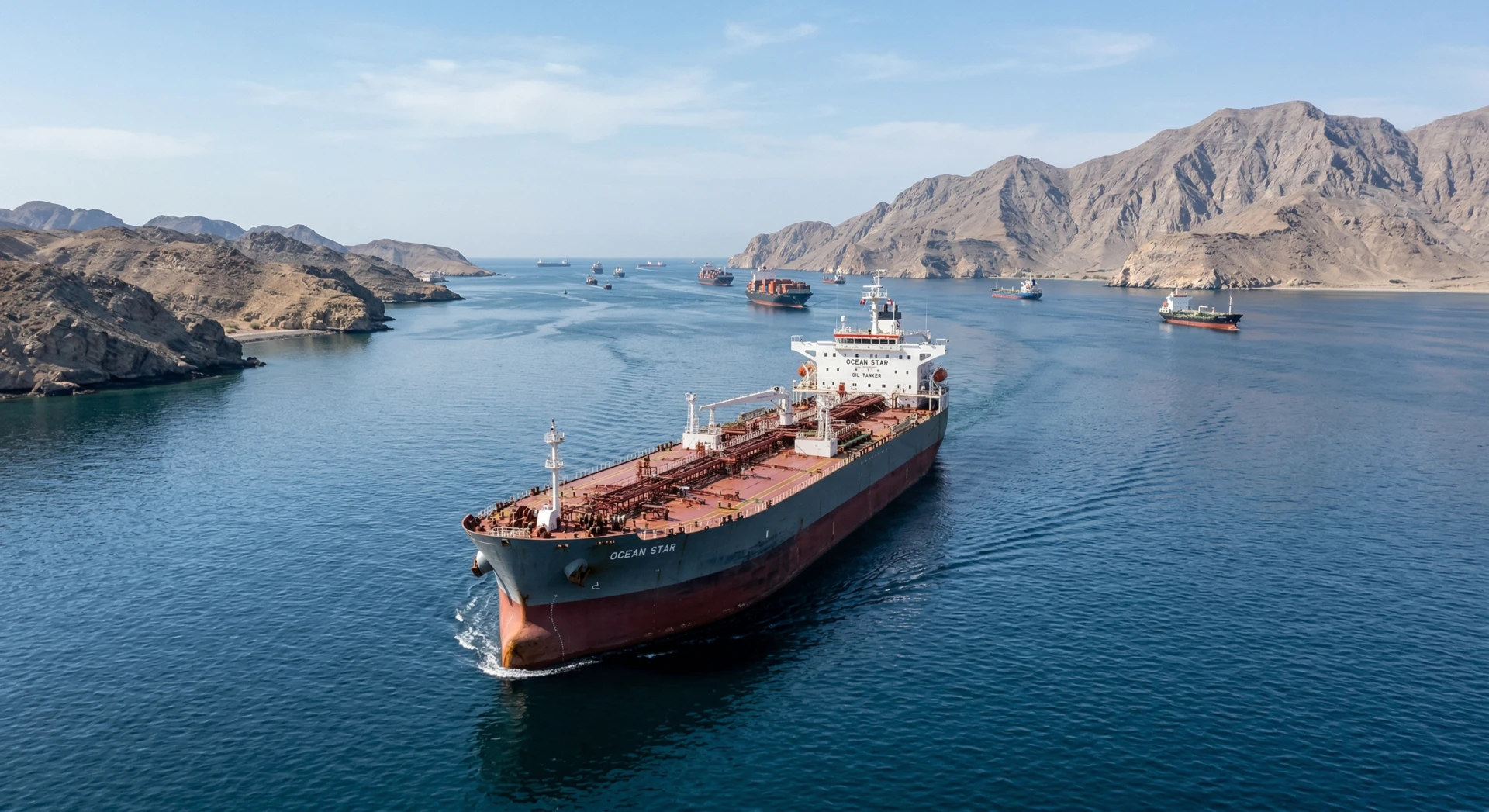
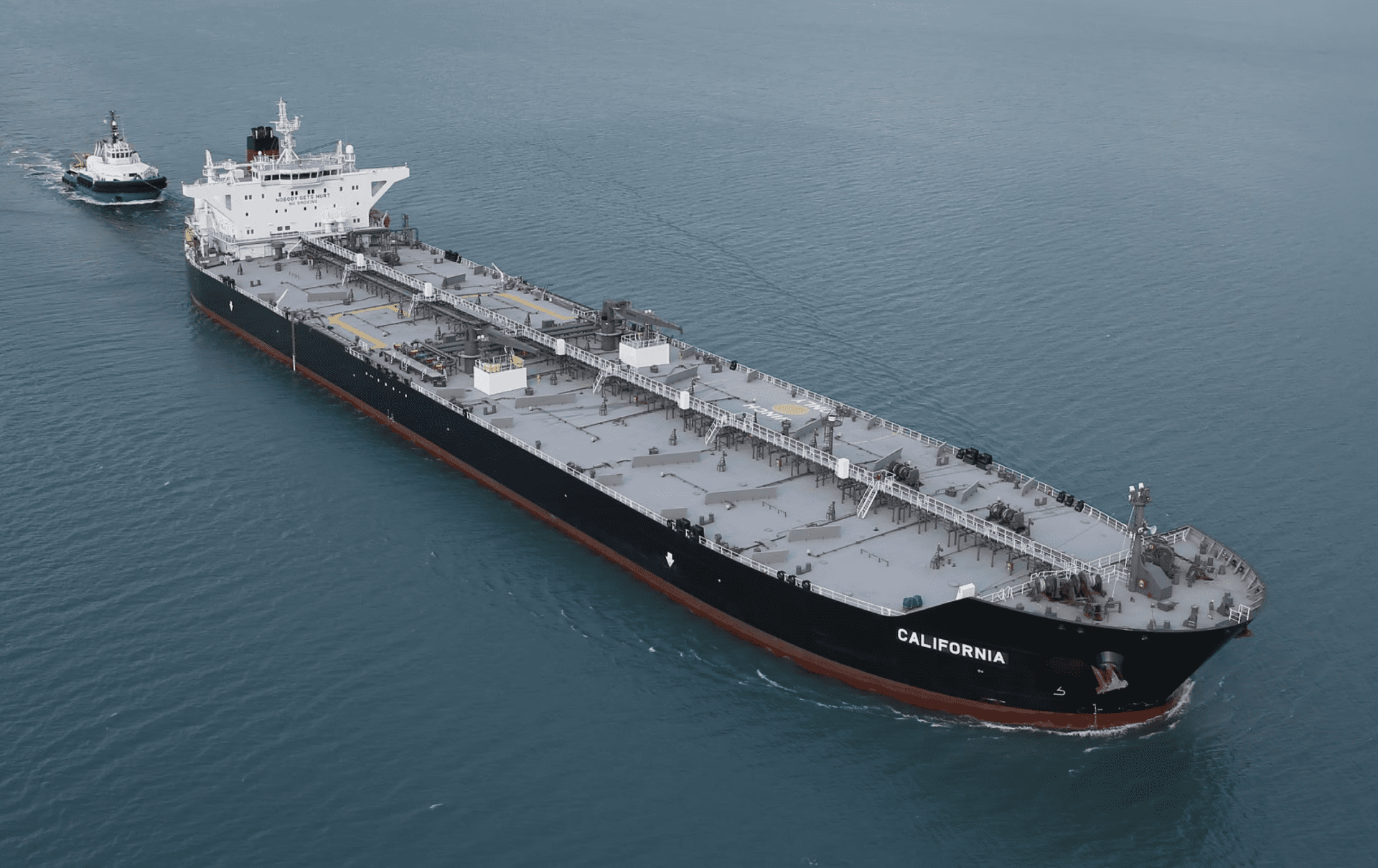
Azeri Light a low-sulfur crude grade produced primarily from Azerbaijan's offshore Caspian fields and exported via the Baku Tbilisi Ceyhan (BTC) pipeline to Turkey's Mediterranean coast has become a premium feedstock for European refiners seeking alternatives to Middle Eastern supply. The grade's 0.15% sulfur content makes it particularly valuable for producing ultra low sulfur diesel without extensive desulfurization, while its 36° API gravity provides good gasoline and middle distillate yields. The current price surge reflects broader Middle East tensions that have tightened global crude differentials, but it also demonstrates Azerbaijan's strategic positioning outside traditional chokepoints. The BTC pipeline delivers approximately 600,000 barrels per day to Ceyhan terminal, where it loads onto Aframax tankers medium sized vessels carrying 600,000-750,000 barrels for the 2-3 day voyage to Mediterranean refineries.
The mechanism driving this price increase extends beyond simple supply tightness to include financing cost escalation and crude slate substitution dynamics. Middle East tension escalation has widened letter of credit (LC) confirmation spreads the additional cost banks charge to guarantee payment on petroleum trade finance particularly affecting Iranian and Iraqi crude purchases. For Mediterranean refiners, a typical $50 million Azeri Light cargo with 45 day LC financing now faces potential spread increases of 75-100 basis points, adding $93,750-$125,000 to financing costs per cargo. This makes Azeri Light relatively more attractive despite its absolute price increase, as banks view Caspian crude as lower geopolitical risk. The European Bank for Reconstruction and Development estimates that if Hormuz were closed, approximately 14% of global oil output could be removed, potentially driving prices to $180 per barrel a scenario that makes current Azeri Light pricing appear conservative.
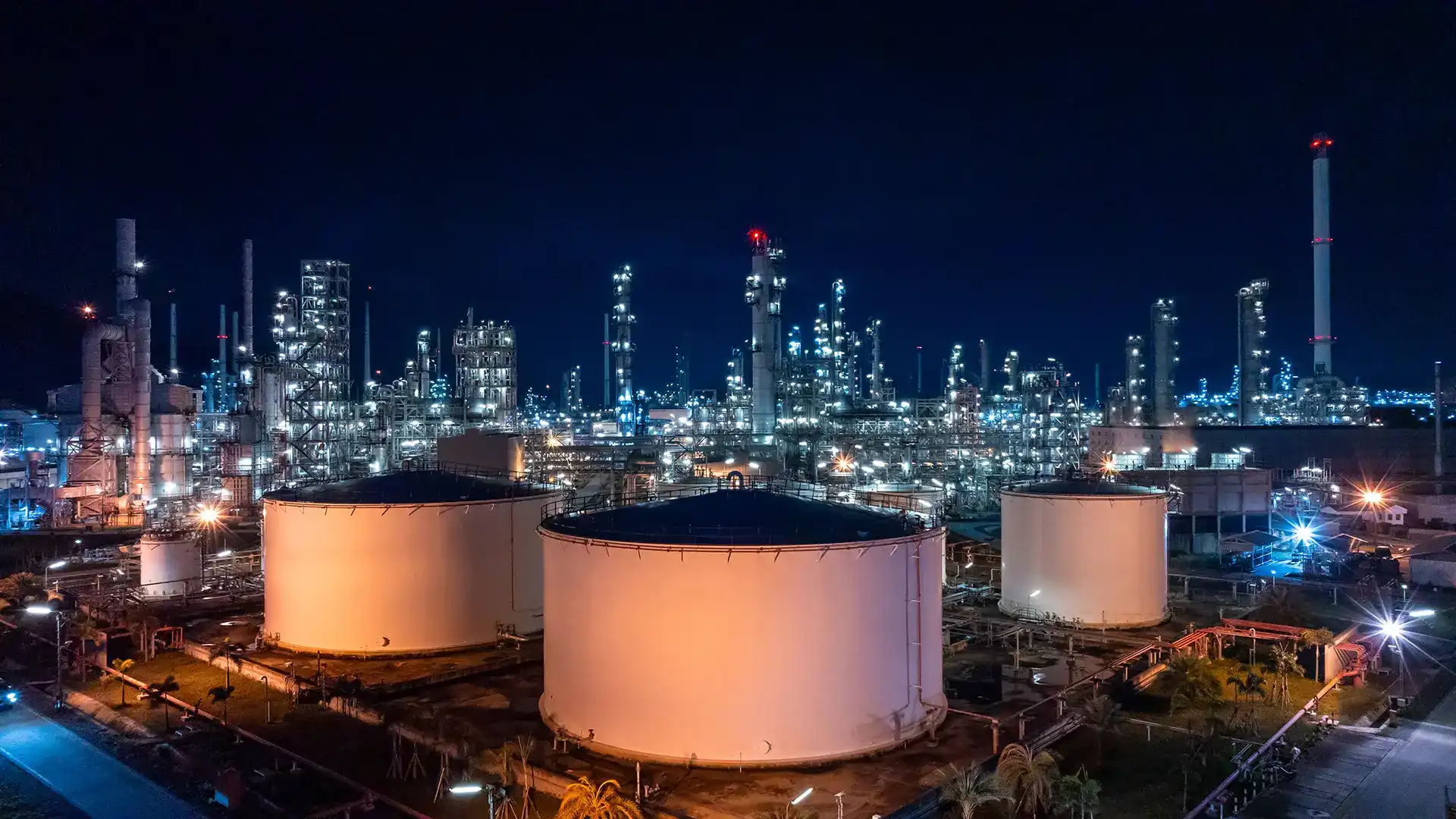
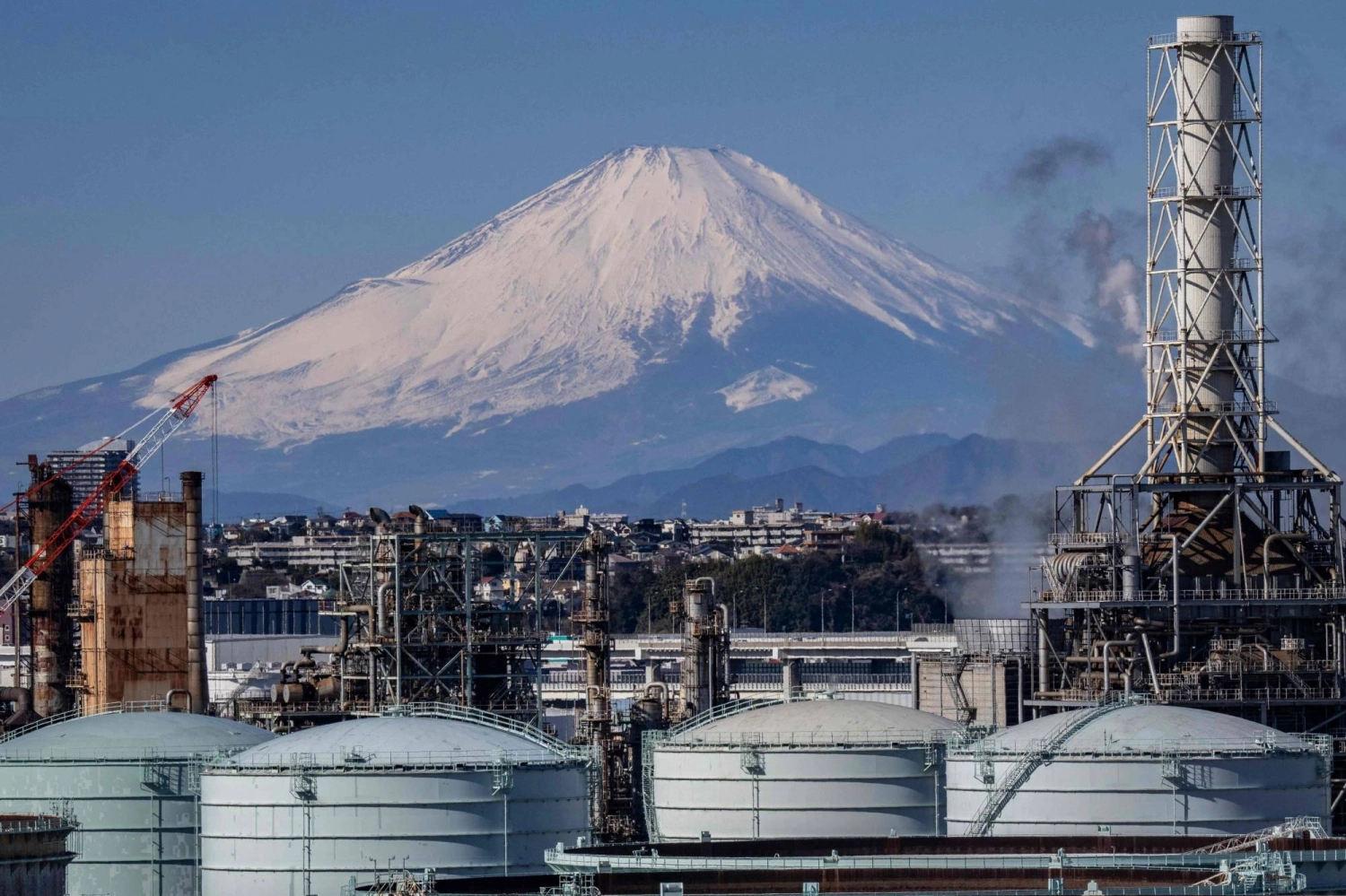
On the buy side, Mediterranean refiners face an immediate crude acquisition cost crisis with limited short-term alternatives. Large integrated refiners like Repsol's Tarragona complex or Eni's Milazzo facility have some crude slate flexibility but cannot immediately substitute away from low sulfur grades without compromising product quality or yields. Their procurement teams are accelerating forward crude purchases ahead of potential Hormuz closure scenarios, locking in supply even at elevated prices. Smaller independent refiners such as Motor Oil's Corinth facility or TUPRAS operations face more severe constraints as they lack the balance sheet flexibility to build strategic inventory or the operational flexibility to switch crude slates rapidly. These operators must choose between absorbing margin compression or reducing throughput rates, with many already signaling run cuts of 10-15% to preserve cash flow.
On the sell side, Azerbaijan's state oil company SOCAR and international partners including BP are capturing extraordinary fiscal windfalls as crude realizations exceed budget assumptions by $56.25 per barrel the difference between current $121.25 pricing and the $65 per barrel assumed in Azerbaijan's state budget. This revenue surge strengthens the creditworthiness of Azerbaijani oil exporters, potentially improving their access to pre-export finance facilities and reducing their own financing costs. Term contract holders refiners with long-term Azeri Light supply agreements benefit from formula pricing that typically lags spot markets by 30-45 days, providing temporary margin protection. However, traders and physical marketing companies sitting between producers and refiners face inventory valuation gains on stored crude while confronting higher replacement costs for new purchases.
Large integrated trading houses like Vitol, Trafigura, or Gunvor can hedge this crude price volatility through ICE Brent futures or Dated Brent swaps, locking in margins on physical positions. A typical hedge would involve selling Brent futures equivalent to their Azeri Light inventory, accepting basis risk the price difference between Azeri Light and Brent in exchange for protection against absolute price moves. For these operators, the current environment creates opportunities to capitalize on increased crude differentials and storage plays, particularly in Mediterranean tank farms where crude storage inquiries have intensified. Smaller regional operators without derivatives access must rely on bilateral forward contracts with suppliers or customers, often accepting narrower margins in exchange for price certainty. An independent Greek fuel distributor, for example, might negotiate fixed-price supply agreements with Hellenic Petroleum, trading margin upside for protection against further crude cost increases.
The forward signal to monitor is Turkish Straits tanker traffic data published weekly by Tribeca Maritime Services, which will indicate whether Mediterranean crude buyers are successfully diversifying supply sources away from Middle Eastern grades. If weekly tanker transits through the Bosphorus increase beyond the typical 25-30 vessels carrying petroleum products, it suggests successful crude substitution and potential Azeri Light demand moderation. Conversely, if transit volumes remain stable while Azeri Light differentials continue widening, it confirms the grade's strategic premium as a non-Hormuz alternative. Watch for Azerbaijan's monthly oil export data from the State Customs Committee if February exports exceed the January-February average of 1.8 million tons monthly, it indicates successful capture of the price premium through volume optimization.

.jpg)

'%3e%3cg id='Final-Copy-2_2_' transform='translate(1275.000000, 200.000000)'%3e%3cpath class='st0' d='M7.4,12.8h6.8l3.1-11.6H7.4C4.2,1.2,1.6,3.8,1.6,7S4.2,12.8,7.4,12.8z'/%3e%3c/g%3e%3c/g%3e%3c/g%3e%3cg id='final---dec.11-2020'%3e%3cg id='_x30_208-our-toggle' transform='translate(-1275.000000, -200.000000)'%3e%3cg id='Final-Copy-2' transform='translate(1275.000000, 200.000000)'%3e%3cpath class='st1' d='M22.6,0H7.4c-3.9,0-7,3.1-7,7s3.1,7,7,7h15.2c3.9,0,7-3.1,7-7S26.4,0,22.6,0z M1.6,7c0-3.2,2.6-5.8,5.8-5.8 h9.9l-3.1,11.6H7.4C4.2,12.8,1.6,10.2,1.6,7z'/%3e%3cpath id='x' class='st2' d='M24.6,4c0.2,0.2,0.2,0.6,0,0.8l0,0L22.5,7l2.2,2.2c0.2,0.2,0.2,0.6,0,0.8c-0.2,0.2-0.6,0.2-0.8,0 l0,0l-2.2-2.2L19.5,10c-0.2,0.2-0.6,0.2-0.8,0c-0.2-0.2-0.2-0.6,0-0.8l0,0L20.8,7l-2.2-2.2c-0.2-0.2-0.2-0.6,0-0.8 c0.2-0.2,0.6-0.2,0.8,0l0,0l2.2,2.2L23.8,4C24,3.8,24.4,3.8,24.6,4z'/%3e%3cpath id='y' class='st3' d='M12.7,4.1c0.2,0.2,0.3,0.6,0.1,0.8l0,0L8.6,9.8C8.5,9.9,8.4,10,8.3,10c-0.2,0.1-0.5,0.1-0.7-0.1l0,0 L5.4,7.7c-0.2-0.2-0.2-0.6,0-0.8c0.2-0.2,0.6-0.2,0.8,0l0,0L8,8.6l3.8-4.5C12,3.9,12.4,3.9,12.7,4.1z'/%3e%3c/g%3e%3c/g%3e%3c/g%3e%3c/g%3e%3c/svg%3e) Privacy Choices
Privacy Choices