.avif)
.avif)
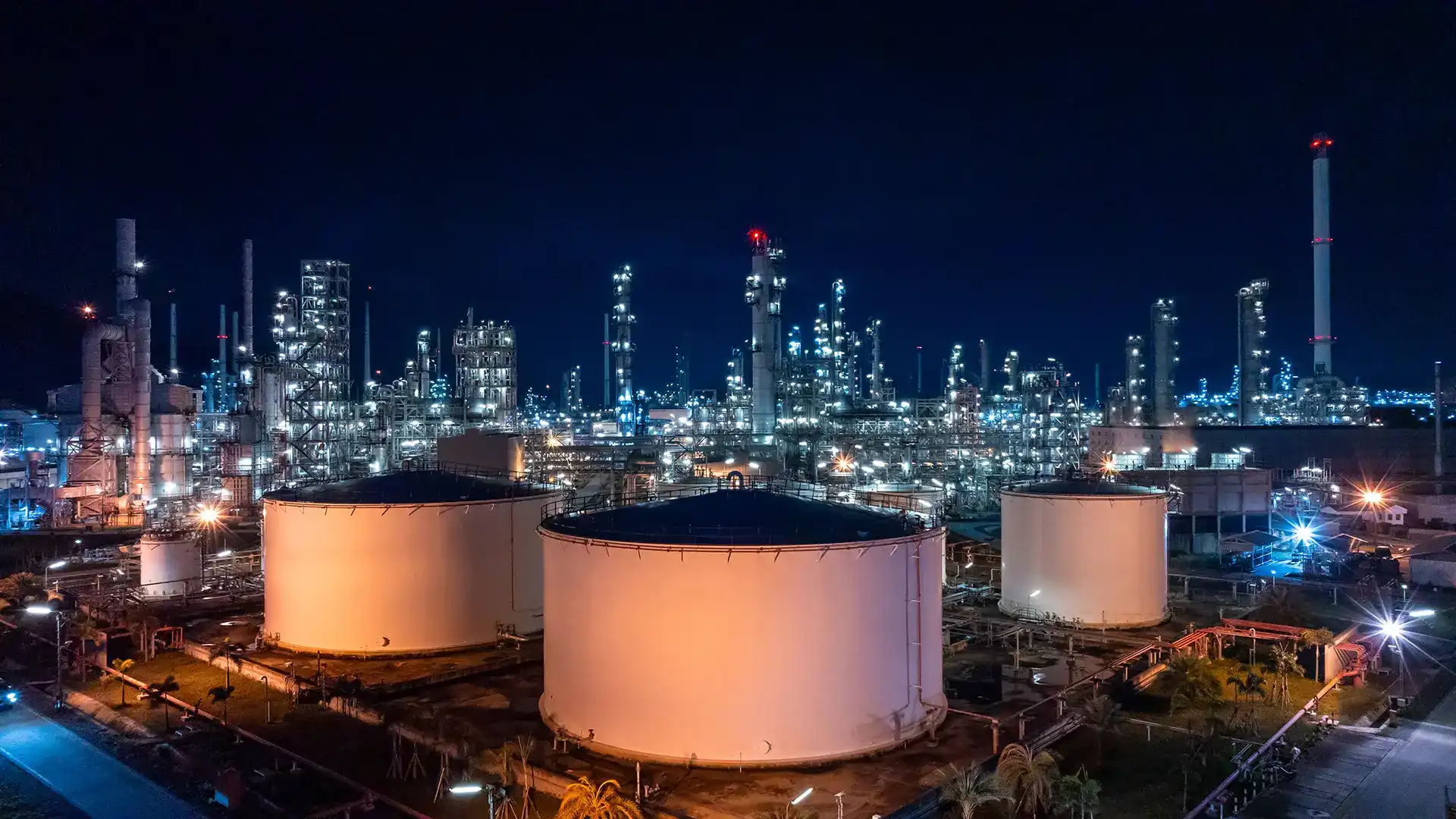
Three Indian nationals sustained moderate injuries when Iranian drones struck Fujairah's Petroleum Industries Zone (FOIZ) on May 5, but the commercial consequences reach far beyond the immediate human cost. Brent crude jumped to $110-114 per barrel as markets absorbed the strategic implications of the first infrastructure attack on the world's third-largest bunkering hub since the Hormuz crisis began. For Asian refiners dependent on Middle East crude Sinopec, SK Innovation, JX Nippon the fire forces a fundamental recalibration of supply economics. Every cargo diverted from Fujairah storage now carries an additional $50,000-100,000 voyage cost penalty, margin erosion that flows directly to end-user fuel prices across Asia's industrial corridors.
Fujairah is one of the world's top-three bunkering locations, with thousands of ships calling before voyages to east and west. The emirate serves as the terminus for the Abu Dhabi Crude Oil Pipeline, which carries crude from inland fields to the Gulf of Oman, bypassing the Strait of Hormuz and allowing the UAE to continue shipping oil to global markets even as the waterway remained under threat. This positioning makes FOIZ irreplaceable for storing West Asian crude destined for Asia a function now compromised. The fire represents the first successful strike on critical energy infrastructure outside the Persian Gulf proper since Iran began its Hormuz closure campaign, demonstrating that alternative routes remain vulnerable to asymmetric warfare. For crude oil traders the target operators managing these flows the attack eliminates the margin of safety that Fujairah provided as Tehran's reach extends beyond the strait itself.
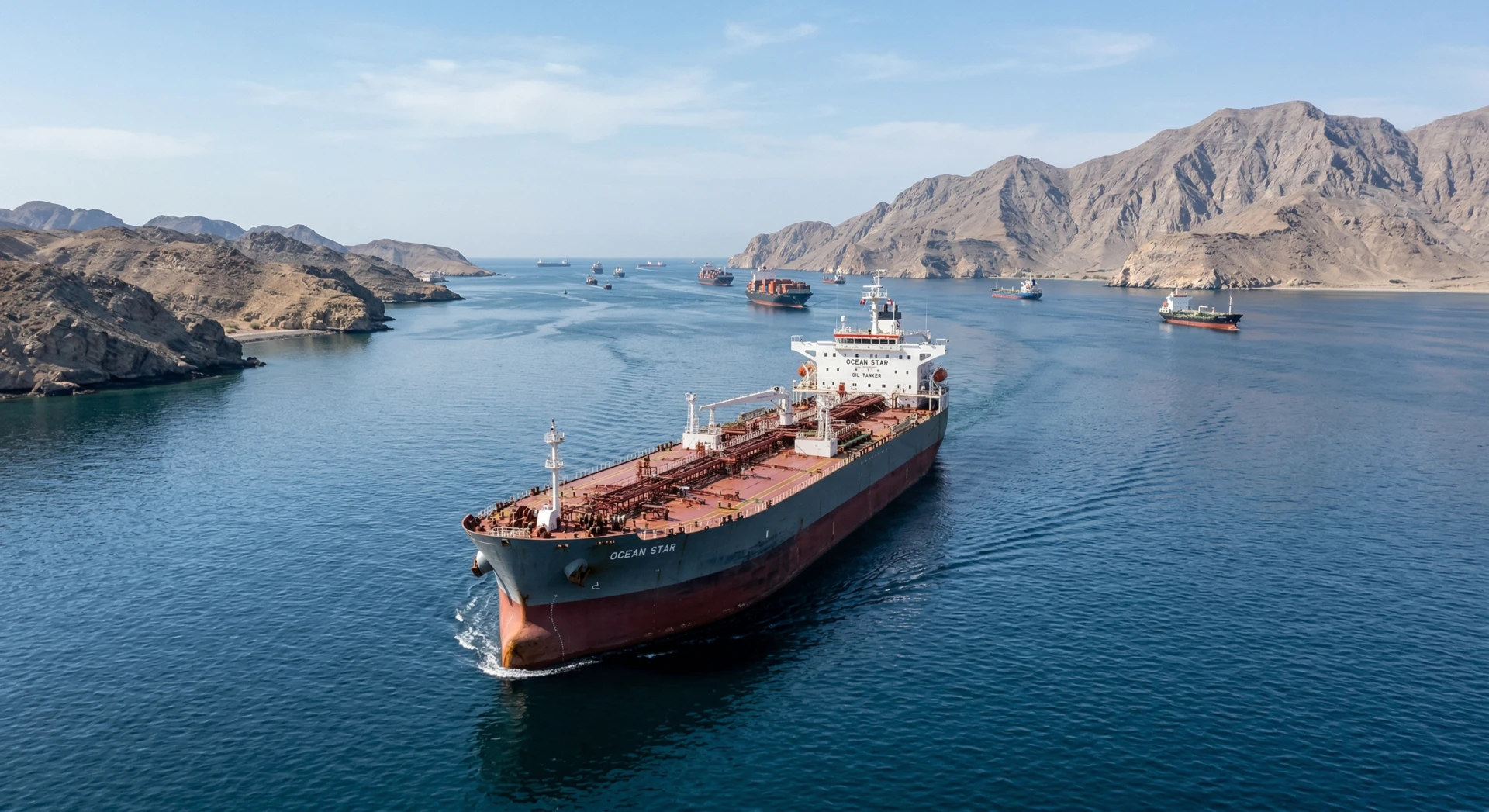
The margin anatomy of Asian crude procurement reveals why Fujairah's disruption matters. Consider a VLCC (Very Large Crude Carrier a supertanker carrying 2 million barrels) loading Saudi crude for delivery to Yokohama. Under normal operations, the vessel would bunker 1,800-2,200 tonnes of marine fuel in Fujairah at approximately $650/tonne, completing the refueling stop in 12-16 hours. With FOIZ capacity compromised, that same vessel must now detour to Singapore, Colombo, or other regional hubs adding 2-4 sailing days and $50,000-100,000 in additional costs through extra bunker consumption, port charges, and opportunity cost. At current charter rates of $14/MT, those extra days compound quickly. The arithmetic is unforgiving: what was once a $1.3-1.4 million bunker bill becomes $1.8-2.2 million when alternative facilities price in scarcity premiums.
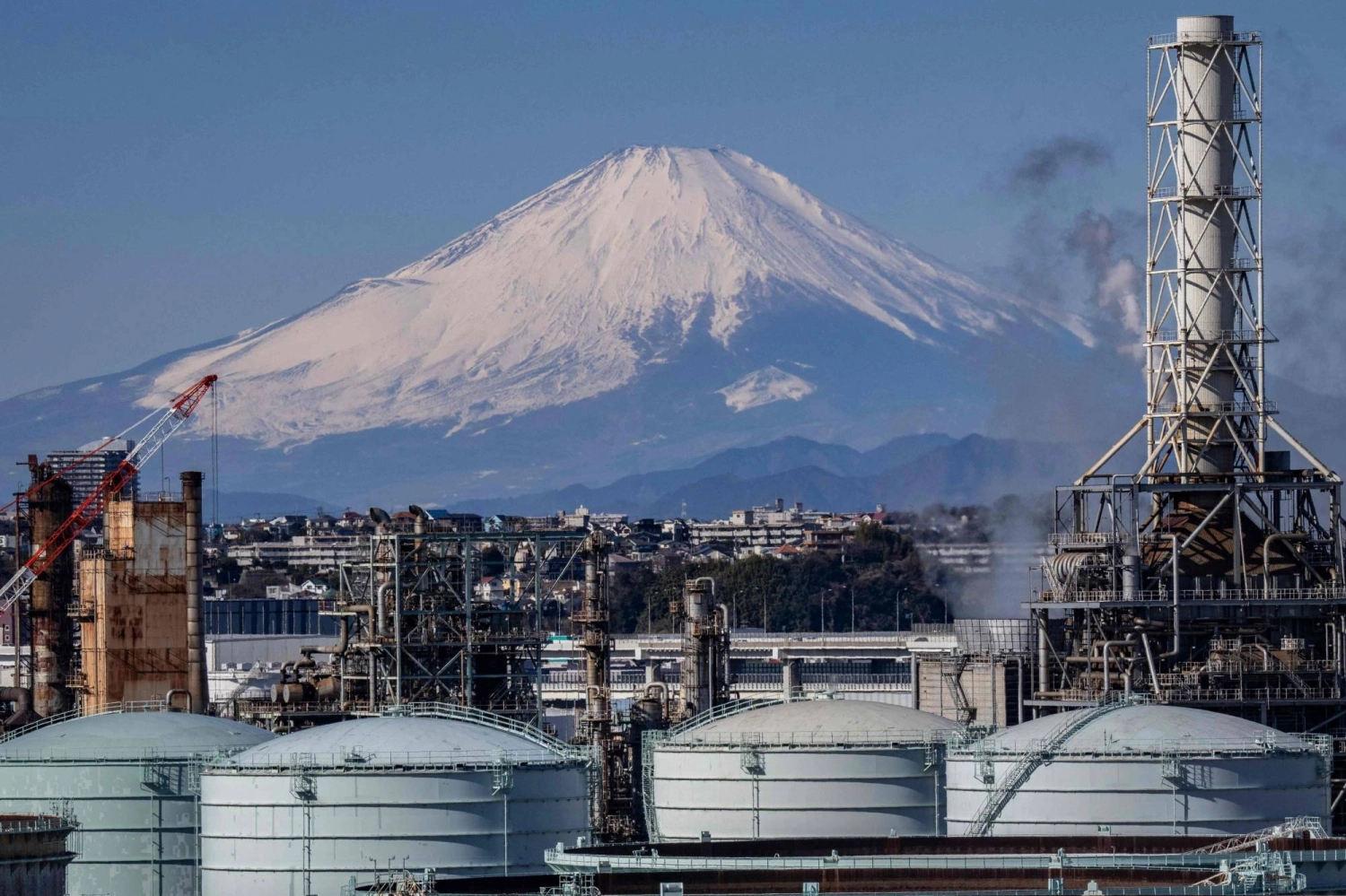
On the buy side, Asian refiners face a squeeze from multiple directions. Chinese independent refiners the "teapots" processing 5-7 million barrels daily built their margins around Fujairah's competitive bunker pricing and storage flexibility. Fujairah holds strategic importance as the UAE's main energy hub on the Indian Ocean, allowing oil exports to bypass the Strait of Hormuz. These operators typically book crude 30-60 days forward, hedging against Oman crude futures but leaving voyage costs unhedged. The fire forces them to either absorb the additional transportation costs eroding already-thin processing margins or pass costs to domestic fuel distributors. Japanese refiners like Eneos and Cosmo face similar pressures but with longer-term supply contracts that shield them partially from spot market volatility. However, their term crude still requires transportation, and every Fujairah-bound cargo now carries war risk that extends beyond traditional Hormuz exposure.
On the sell side, UAE crude marketers and regional trading houses lose their primary competitive advantage. ADNOC (Abu Dhabi National Oil Company) built its Asian market share around Fujairah's logistical efficiency offering buyers faster loading times and lower total delivered costs than Saudi Aramco's Ras Tanura terminal. With Iranian drones targeting an oil tanker owned by Abu Dhabi's state energy company that sought to sail through the Strait of Hormuz, even post-loading security remains compromised. Trading houses like Vitol, Trafigura, and Mercuria that built storage positions in FOIZ face direct inventory risk and must relocate crude to alternative facilities Singapore's Jurong Island, Malaysia's Johor, India's Kandla all commanding premium rates due to capacity constraints. The sellers' margin compression flows from fixed-price term contracts that cannot absorb the infrastructure disruption costs.
For intermediaries and freight operators, the disruption creates both risks and opportunities. Tanker owners benefit from longer voyage distances and higher day rates as alternative routing becomes mandatory. Brent crude oil futures jumped 5% to $114 per barrel and later pared gains to around $110 partly due to freight tightening as available tonnage gets tied up in longer transits. However, ship operators face elevated war risk insurance costs premiums that have increased from 0.125% to between 0.2% and 0.4% of the ship insurance value per transit, an increase of a quarter of a million dollars for very large oil tankers. Bunker suppliers outside the Persian Gulf region Singapore's ExxonMobil Marine Fuels, Shell's trading arm gain pricing power as demand concentrates in remaining hubs, but face inventory management challenges as storage tanks reach capacity limits.
The financing dimension reveals how infrastructure attacks reshape trade flows. Letters of credit (LC) the bank guarantees that make international commodity trade possible now carry force majeure clauses specifically referencing Fujairah operations. Chinese banks financing teapot crude imports require additional war risk coverage, increasing transaction costs by 15-25 basis points. Islamic finance structures used by Middle Eastern traders face particular pressure as Sharia compliant facilities cannot easily hedge geopolitical risks through conventional derivatives. Trade finance lines that supported FOIZ inventory positions now require reallocation to alternative storage facilities, creating working capital constraints for smaller regional traders who lack the credit lines to finance longer supply chains.
Worked example: A 300,000 tonne VLCC chartered by Unipec (Sinopec's trading arm) to lift Abu Dhabi Murban crude for delivery to Zhenhai refinery faces the following cost structure changes.
Pre-attack routing: Abu Dhabi loading
Fujairah bunker stop (16 hours)
Singapore Strait
Zhenhai (total 22 days, $2.8 million voyage cost including $1.4 million bunkers).
Post-attack routing: Abu Dhabi loading
Singapore bunker stop (36 hours additional)
Zhenhai (total 25 days, $3.3-3.6 million voyage cost including $2.1 million bunkers).
The $500,000-800,000 additional cost per cargo roughly $1.67-2.67 per barrel flows directly to Chinese diesel and gasoline margins. Multiply across China's 350,000 barrels/day of UAE crude imports, and the monthly impact reaches $17.5-28 million in additional logistics costs.
Large integrated operators maintain multiple response strategies. National oil companies with global trading arms Saudi Aramco Trading, QatarEnergy Trading can redirect cargoes to alternative bunkering hubs and absorb short-term margin compression through their upstream production economics. They maintain strategic storage positions across multiple jurisdictions and can optimize cargo routing through sophisticated voyage planning systems. For pure-play crude oil traders like Gunvor and Glencore, the response requires more tactical precision: reducing exposure to UAE crude pending infrastructure repair, increasing Singapore storage positions, and hedging voyage cost volatility through freight derivatives where available. These operators benefit from access to the Singapore Exchange's fuel oil futures and can partially offset bunker cost increases through structured products.
Regional operators face starker choices without the same financial flexibility. Mid-sized Asian refiners Taiwan's CPC Corporation, Thailand's PTT typically operate on 30-60 day working capital cycles and cannot easily absorb extended voyage costs. Their response centers on inventory management: increasing crude storage to 45-60 days of consumption (from typical 30-40 days) to reduce voyage frequency, and shifting crude sourcing toward suppliers offering delivered pricing that internalizes transportation risks. Independent fuel distributors across Southeast Asia face the most direct pressure, as they cannot hedge crude price volatility and must pass through all cost increases to retail fuel margins.
The second-order effects extend through Asia's refining complex. The disruption of the waterway has squeezed countries in Europe and Asia that depend on Persian Gulf oil and gas, raising prices far beyond the region. Singapore's marine fuel market the world's largest bunkering hub by volume faces inventory strain as diverted vessels compete for limited bunker availability. Jet fuel supplies to major Asian airports (Singapore Changi, Hong Kong, Tokyo Narita) tighten as refiners prioritize higher-margin products. The ripple effects reach palm oil and petrochemicals, where Asian producers face higher feedstock costs just as global demand remains fragile. India's refiners, heavily dependent on Middle East crude, must recalibrate their crude slates toward African and American supplies that carry different processing yields and product specifications.
For observers monitoring this evolving crisis, track Singapore bunker fuel prices (IFO 380 and VLSFO specifications) as the primary signal of market stress. A sustained premium above $50/tonne versus typical Middle East spreads indicates persistent supply disruption. Monitor the Baltic Exchange's VLCC rates on the Middle East-Asia route (TD3C assessment) for freight tightening. Watch for ADNOC's official statements on Fujairah operations timeline any extension beyond 10-14 days forces permanent supply chain restructuring rather than temporary workarounds. The key threshold: if Singapore's bunker availability drops below 3.5 million tonnes (typical 7 day supply), expect rationing and cargo delays that cascade through global energy markets. Oil market experts warn gas prices could reach $5 a gallon if the strait remains closed, but the Fujairah fire adds another $0.15-0.25 per gallon premium through logistics disruption alone.

.jpg)
.jpg)

'%3e%3cg id='Final-Copy-2_2_' transform='translate(1275.000000, 200.000000)'%3e%3cpath class='st0' d='M7.4,12.8h6.8l3.1-11.6H7.4C4.2,1.2,1.6,3.8,1.6,7S4.2,12.8,7.4,12.8z'/%3e%3c/g%3e%3c/g%3e%3c/g%3e%3cg id='final---dec.11-2020'%3e%3cg id='_x30_208-our-toggle' transform='translate(-1275.000000, -200.000000)'%3e%3cg id='Final-Copy-2' transform='translate(1275.000000, 200.000000)'%3e%3cpath class='st1' d='M22.6,0H7.4c-3.9,0-7,3.1-7,7s3.1,7,7,7h15.2c3.9,0,7-3.1,7-7S26.4,0,22.6,0z M1.6,7c0-3.2,2.6-5.8,5.8-5.8 h9.9l-3.1,11.6H7.4C4.2,12.8,1.6,10.2,1.6,7z'/%3e%3cpath id='x' class='st2' d='M24.6,4c0.2,0.2,0.2,0.6,0,0.8l0,0L22.5,7l2.2,2.2c0.2,0.2,0.2,0.6,0,0.8c-0.2,0.2-0.6,0.2-0.8,0 l0,0l-2.2-2.2L19.5,10c-0.2,0.2-0.6,0.2-0.8,0c-0.2-0.2-0.2-0.6,0-0.8l0,0L20.8,7l-2.2-2.2c-0.2-0.2-0.2-0.6,0-0.8 c0.2-0.2,0.6-0.2,0.8,0l0,0l2.2,2.2L23.8,4C24,3.8,24.4,3.8,24.6,4z'/%3e%3cpath id='y' class='st3' d='M12.7,4.1c0.2,0.2,0.3,0.6,0.1,0.8l0,0L8.6,9.8C8.5,9.9,8.4,10,8.3,10c-0.2,0.1-0.5,0.1-0.7-0.1l0,0 L5.4,7.7c-0.2-0.2-0.2-0.6,0-0.8c0.2-0.2,0.6-0.2,0.8,0l0,0L8,8.6l3.8-4.5C12,3.9,12.4,3.9,12.7,4.1z'/%3e%3c/g%3e%3c/g%3e%3c/g%3e%3c/g%3e%3c/svg%3e) Privacy Choices
Privacy Choices