.avif)

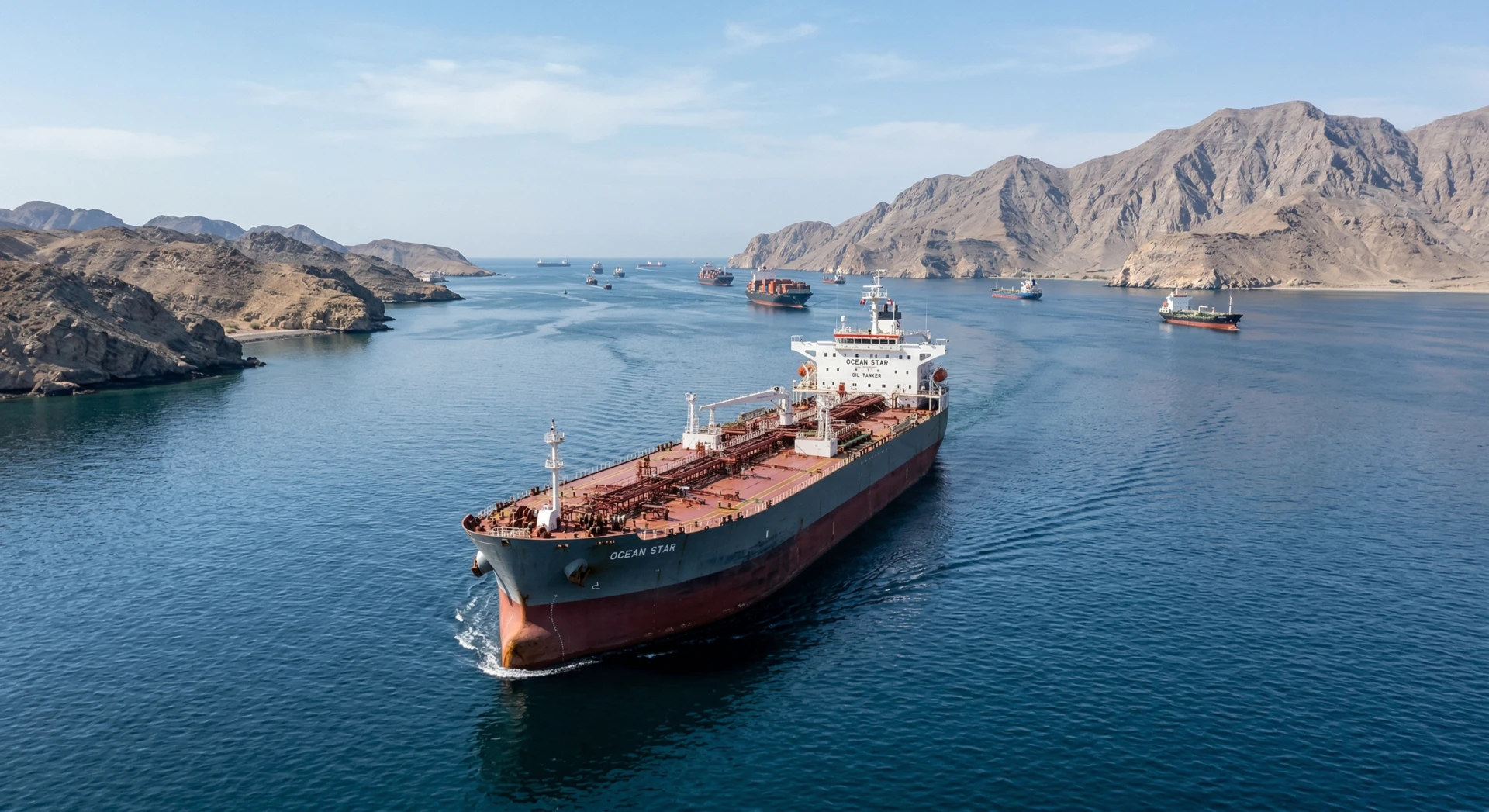
Pakistan's transshipment operators gained their first meaningful breakbulk margin in decades on May 2, when MV Erlin berthed at Karachi Port carrying steel coils, buses, and general cargo expanding beyond traditional container-only operations. The vessel's arrival represents a structural shift triggered by Iran's closure of the Strait of Hormuz since February 28, which has blocked the waterway used by 20% of global petroleum and forced cargo diversions from major hubs like Jebel Ali. Maritime Affairs Minister Muhammad Junaid Anwar Chaudhry called the arrival a "quantum leap," as Pakistani ports introduced government incentives including reduced port charges and tax reliefs to attract diverted cargo flows. The margin opportunity is immediate but capacity constrained Karachi Port processed approximately 11,000 containers in March while Jebel Ali typically handles that volume in hours during normal operations.
Transshipment the transfer of cargo from one vessel to another at an intermediate port rather than direct shipping to final destinations creates margin for port operators through handling fees, storage charges, and ancillary services. By acting as an intermediary hub, countries capture additional value from global trade flows including port fees, logistics services, and related economic activity, as cargo is routed through central hubs where it is transferred between vessels to reduce costs and improve efficiency. Previously, Karachi Port handled only container transshipment, but MV Erlin's diverse cargo marked a historic shift to handling general cargo, breakbulk, and vehicles. The expansion means Pakistani operators can now charge handling fees across multiple cargo types rather than container-only margins.
On the buy side, regional importers face immediate cost pressures from route diversions and capacity constraints. A mid-sized regional electronics importer moving a mixed cargo shipment from Southeast Asia to Central Asia now pays approximately $125-150 per container through Pakistani ports compared to $85-100 via traditional UAE transshipment. The additional $25-65 per container reflects Pakistan's higher handling costs and longer transit times as cargo flows redirected from Jebel Ali and Khalifa ports toward alternatives including Pakistan, Oman, India, and Sri Lanka. For breakbulk cargo like steel coils, the handling premium can reach $18-25 per metric ton compared to established UAE facilities equipped with specialized heavy-lift equipment.
On the sell side, Pakistani port operators and freight intermediaries capture transshipment margin previously concentrated in UAE hands. Officials said Pakistani ports are now equipped to handle all types of transshipment cargo, positioning the country as a regional maritime hub. A regional shipping agent handling a 50,000 tonne general cargo vessel earns approximately $8,000-12,000 in agency fees and documentation charges margin that previously flowed to Dubai based competitors. For smaller Pakistani logistics companies without UAE office networks, the domestic transshipment expansion provides first-time access to intercontinental cargo flows worth billions in annual value.
For large integrated trading houses Trafigura, Vitol, NOCs with dedicated shipping arms the Pakistani route expansion provides diversification but limited capacity relief. A Capesize vessel (150,000 tonnes) carrying iron ore from Brazil to Asian steel mills cannot efficiently use Pakistani infrastructure, which lacks the depth and specialized unloading equipment for such vessels. These operators instead focus on smaller Supramax and Handymax vessels (30,000-65,000 tonnes) that can access Pakistani terminals. The freight cost penalty for route diversification runs $4-8 per tonne depending on final destination, eroding but not eliminating trade economics for most bulk commodities.
For smaller regional operators mid-sized fuel importers, independent distributors, agricultural cooperatives the Pakistani alternative offers practical routing relief despite higher costs. Port Qasim and Gwadar Port also reported increased transshipment operations alongside Karachi's expansion. A regional grain trader moving 25,000 tonnes of wheat from Ukraine to South Asian markets can use Pakistani ports to avoid Hormuz entirely, paying an additional $12-18 per tonne in combined freight and handling costs but maintaining supply continuity. Without derivatives access, these operators rely on bilateral term adjustments and inventory timing rather than financial hedging to manage the increased logistics costs.
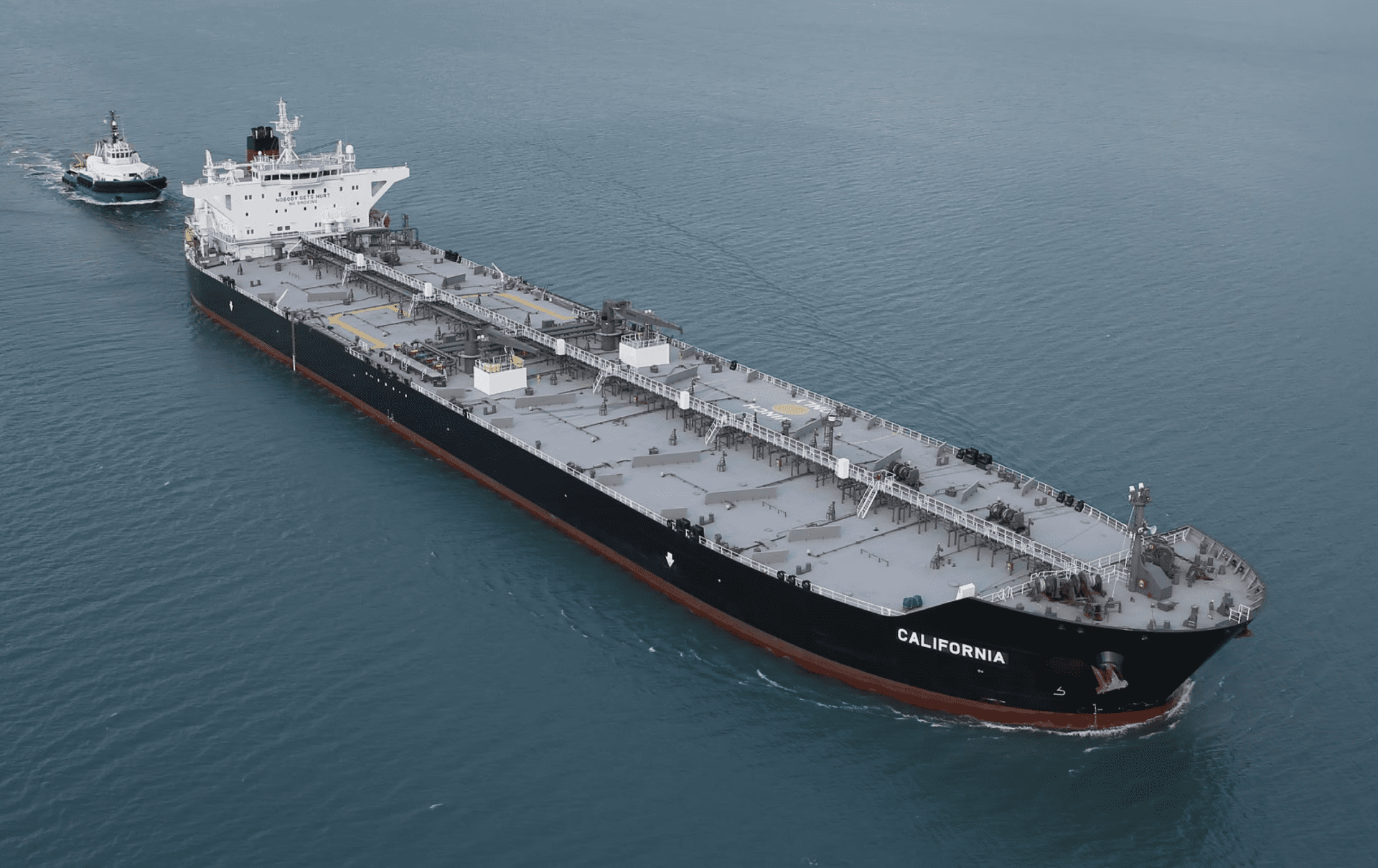
The supply chain reality reveals Pakistan's infrastructure ceiling. Current Baltic Dry Index levels around 2,633 points reflect elevated dry bulk freight rates, but Pakistani ports cannot accommodate the vessel sizes that generate meaningful economies of scale. A VLCC carrying 2 million barrels of crude oil draws approximately 20 meters when fully loaded, while Pakistani ports typically handle vessels with lighter drafts suitable for Bangladesh, India, and Pakistan deliveries. KPT Chairman Shahid Ahmed suggested the growth may continue beyond current tensions as shipping companies prefer diversified routes to reduce risk and maintain trade flow stability.
Freight concentration determines where margin accumulates, and Pakistani operators face structural disadvantages despite first-mover benefits from the crisis. The disruption has reduced Strait traffic to approximately 5% of the pre-conflict 3,000 vessels monthly, with over 150 ships anchoring outside the strait to avoid risks. However, Pakistan's total port capacity across Karachi, Port Qasim, and Gwadar remains a fraction of Jebel Ali's 25+ million TEU annual throughput. The infrastructure gap means Pakistani operators capture volume during the crisis but cannot sustain market share once normal routing resumes. Vessel owners and charterers, not port operators, extract most of the freight premium from route diversifications.
For observers monitoring transshipment margin shifts, watch the Shanghai Containerized Freight Index (SCFI) for Asia-Middle East routes by mid-June. Recent diplomatic efforts including UK and France conferences on reopening Hormuz suggest political pressure for normalization, but tanker traffic dropped 70% initially and then to near zero as the crisis deepened. A sustained SCFI increase above $1,800 per TEU for Pakistan-routing containers signals infrastructure constrained pricing power. If Pakistani rates fall below $1,200 per TEU by August, normal UAE routing has likely resumed, ending Pakistan's temporary margin expansion and returning the country to its traditional import-focused port role.
.jpg)

'%3e%3cg id='Final-Copy-2_2_' transform='translate(1275.000000, 200.000000)'%3e%3cpath class='st0' d='M7.4,12.8h6.8l3.1-11.6H7.4C4.2,1.2,1.6,3.8,1.6,7S4.2,12.8,7.4,12.8z'/%3e%3c/g%3e%3c/g%3e%3c/g%3e%3cg id='final---dec.11-2020'%3e%3cg id='_x30_208-our-toggle' transform='translate(-1275.000000, -200.000000)'%3e%3cg id='Final-Copy-2' transform='translate(1275.000000, 200.000000)'%3e%3cpath class='st1' d='M22.6,0H7.4c-3.9,0-7,3.1-7,7s3.1,7,7,7h15.2c3.9,0,7-3.1,7-7S26.4,0,22.6,0z M1.6,7c0-3.2,2.6-5.8,5.8-5.8 h9.9l-3.1,11.6H7.4C4.2,12.8,1.6,10.2,1.6,7z'/%3e%3cpath id='x' class='st2' d='M24.6,4c0.2,0.2,0.2,0.6,0,0.8l0,0L22.5,7l2.2,2.2c0.2,0.2,0.2,0.6,0,0.8c-0.2,0.2-0.6,0.2-0.8,0 l0,0l-2.2-2.2L19.5,10c-0.2,0.2-0.6,0.2-0.8,0c-0.2-0.2-0.2-0.6,0-0.8l0,0L20.8,7l-2.2-2.2c-0.2-0.2-0.2-0.6,0-0.8 c0.2-0.2,0.6-0.2,0.8,0l0,0l2.2,2.2L23.8,4C24,3.8,24.4,3.8,24.6,4z'/%3e%3cpath id='y' class='st3' d='M12.7,4.1c0.2,0.2,0.3,0.6,0.1,0.8l0,0L8.6,9.8C8.5,9.9,8.4,10,8.3,10c-0.2,0.1-0.5,0.1-0.7-0.1l0,0 L5.4,7.7c-0.2-0.2-0.2-0.6,0-0.8c0.2-0.2,0.6-0.2,0.8,0l0,0L8,8.6l3.8-4.5C12,3.9,12.4,3.9,12.7,4.1z'/%3e%3c/g%3e%3c/g%3e%3c/g%3e%3c/g%3e%3c/svg%3e) Privacy Choices
Privacy Choices