.avif)
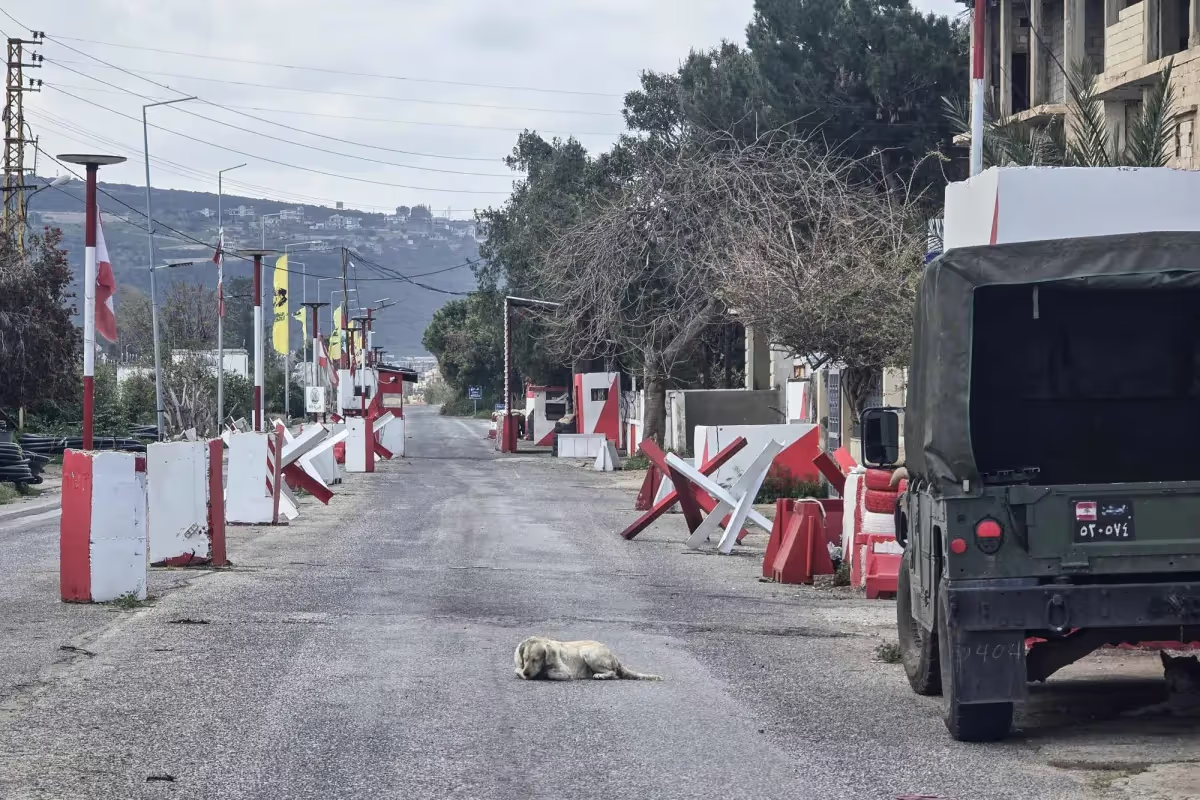
Crude tanker operators face degraded maritime security monitoring along Lebanon's coast after Israeli forces destroyed 17 surveillance cameras at the UN Interim Force in Lebanon (UNIFIL) headquarters in Naqura within 24 hours, according to UN officials. The camera destruction eliminates a critical component of the maritime domain awareness system that helps assess transit risks for vessels carrying crude oil through Lebanese territorial waters — a route used by tankers serving the Zahrani and Sidon terminals. For operators of Suezmax vessels (carrying 120,000-150,000 tonnes of crude), this monitoring gap complicates risk assessment protocols that determine insurance rates, routing decisions, and crew safety measures along the eastern Mediterranean corridor.
The surveillance disruption occurs as the broader Israel-Hezbollah conflict, which began March 2 according to reports, intensifies near coastal infrastructure. UNIFIL spokeswoman Kandice Ardiel described Israeli soldiers conducting "massive demolitions" in Naqura — a coastal town that serves as a key observation point for maritime traffic approaching Lebanese ports. The force reported additional escalation Friday when an explosion at a UNIFIL base near Odaisseh wounded three Indonesian peacekeepers, with Indonesia condemning the incident as "unacceptable." These developments create operational uncertainty for tanker operators who rely on UNIFIL's maritime monitoring reports to supplement their own security assessments when approaching Lebanese waters.
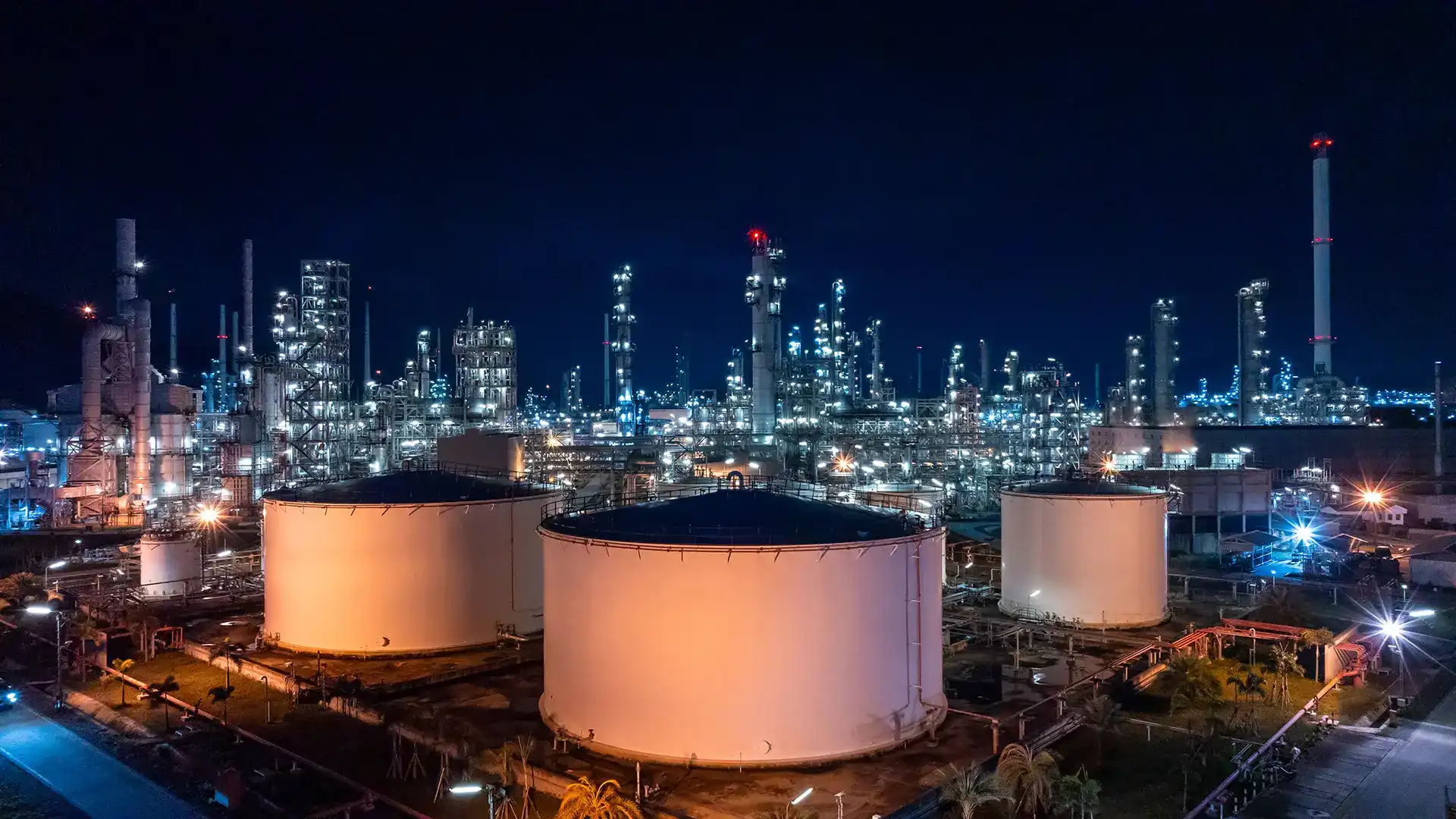
Physically, the destroyed cameras provided real-time surveillance coverage of the maritime approaches to Lebanon's two main oil terminals. Zahrani terminal, located 8 nautical miles south of Sidon, receives Suezmax-class vessels carrying crude imports for Lebanon's domestic consumption, while Sidon handles smaller product tankers. The UNIFIL cameras at Naqura monitored the northern approaches to these facilities, providing early warning of maritime incidents, unauthorized vessel movements, or security threats that could disrupt commercial operations. Without this coverage, tanker operators lose approximately 15-20 minutes of advance warning time for potential security incidents — the difference between conducting an emergency course change in open water versus closer to shore where maneuvering options are limited.
On the buy side, Lebanese refiners and fuel importers now face increased uncertainty about crude delivery schedules, as tanker operators may implement enhanced security protocols that extend transit times. Lebanon imports approximately 80% of its refined products and crude oil requirements, making reliable tanker deliveries essential for domestic fuel supplies. Delays caused by extended security assessments or route diversions add carrying costs of approximately $25,000-30,000 per day for a Suezmax vessel, costs that ultimately translate into higher delivered fuel prices for Lebanese consumers already facing severe economic pressures.
On the sell side, regional crude exporters — particularly those shipping from Middle Eastern terminals to Mediterranean markets — must now factor additional risk premiums into their Lebanese delivery contracts. A typical Suezmax cargo from Saudi Arabia's Ras Tanura to Lebanon's Zahrani terminal, carrying 130,000 tonnes of Arab Light crude worth approximately $100 million at current prices, now carries heightened transit risk during the final approach phase. Sellers may demand enhanced letter of credit terms or additional insurance coverage, increasing transaction costs and potentially making Lebanese buyers less competitive compared to alternative Mediterranean destinations with clearer security monitoring.
For large integrated oil companies with substantial trading arms — entities like Saudi Aramco Trading, Shell, or TotalEnergies — the surveillance gap can be partially offset through enhanced satellite monitoring services and direct coordination with military authorities from flag states. These operators typically maintain dedicated security teams that can access real-time intelligence feeds from commercial maritime security providers, costing approximately $15,000-25,000 monthly for comprehensive eastern Mediterranean coverage. They can also leverage relationships with naval forces conducting freedom of navigation operations to receive security updates, though this information may be less detailed than the tactical-level reporting previously available from UNIFIL's coastal observation posts.
Smaller regional operators — independent tanker owners, regional fuel traders, or Lebanese import companies — lack access to these premium security services and depend more heavily on publicly available maritime security reporting. These operators typically relied on UNIFIL's daily maritime situation reports, distributed free through UN channels, to supplement basic Automatic Identification System (AIS) tracking and commercial maritime security bulletins. Without UNIFIL's coastal monitoring, smaller operators may need to purchase commercial maritime intelligence services costing $3,000-8,000 monthly, or accept increased uncertainty about transit conditions. Some may choose to avoid Lebanese waters entirely until monitoring capabilities are restored, reducing competition for Lebanese fuel import contracts.
The monitoring disruption affects freight economics differently across vessel classes. Suezmax tankers, which dominate crude imports to Lebanon, typically earn $15,000-25,000 daily in the current market. Extended security protocols or route diversions could add 1-2 days to voyage schedules, reducing effective daily earnings and making Lebanese deliveries less attractive compared to alternative Mediterranean destinations with established security monitoring. Smaller product tankers serving Lebanon's refined fuel imports face similar time penalties but operate on thinner absolute margins, making them more sensitive to security-related delays. The reduced monitoring capability may concentrate freight demand among operators with enhanced security infrastructure, potentially widening the earnings gap between large integrated players and independent vessel operators.
For immediate operational guidance, crude tanker operators should monitor the International Maritime Organization's Maritime Safety Committee broadcasts for formal navigation warnings regarding Lebanese territorial waters, typically issued within 48-72 hours of significant maritime security changes. Enhanced due diligence protocols should include direct communication with Lebanese port authorities at Zahrani and Sidon terminals, which maintain independent radar coverage of their immediate approaches. Operators should also track the eastern Mediterranean component of the Baltic Dry Index futures curve — any sustained premium compared to other Mediterranean routes signals market-wide recognition of increased Lebanese transit risk, providing quantitative validation for enhanced security protocols and potential rate adjustments.


.jpg)
.jpg)
'%3e%3cg id='Final-Copy-2_2_' transform='translate(1275.000000, 200.000000)'%3e%3cpath class='st0' d='M7.4,12.8h6.8l3.1-11.6H7.4C4.2,1.2,1.6,3.8,1.6,7S4.2,12.8,7.4,12.8z'/%3e%3c/g%3e%3c/g%3e%3c/g%3e%3cg id='final---dec.11-2020'%3e%3cg id='_x30_208-our-toggle' transform='translate(-1275.000000, -200.000000)'%3e%3cg id='Final-Copy-2' transform='translate(1275.000000, 200.000000)'%3e%3cpath class='st1' d='M22.6,0H7.4c-3.9,0-7,3.1-7,7s3.1,7,7,7h15.2c3.9,0,7-3.1,7-7S26.4,0,22.6,0z M1.6,7c0-3.2,2.6-5.8,5.8-5.8 h9.9l-3.1,11.6H7.4C4.2,12.8,1.6,10.2,1.6,7z'/%3e%3cpath id='x' class='st2' d='M24.6,4c0.2,0.2,0.2,0.6,0,0.8l0,0L22.5,7l2.2,2.2c0.2,0.2,0.2,0.6,0,0.8c-0.2,0.2-0.6,0.2-0.8,0 l0,0l-2.2-2.2L19.5,10c-0.2,0.2-0.6,0.2-0.8,0c-0.2-0.2-0.2-0.6,0-0.8l0,0L20.8,7l-2.2-2.2c-0.2-0.2-0.2-0.6,0-0.8 c0.2-0.2,0.6-0.2,0.8,0l0,0l2.2,2.2L23.8,4C24,3.8,24.4,3.8,24.6,4z'/%3e%3cpath id='y' class='st3' d='M12.7,4.1c0.2,0.2,0.3,0.6,0.1,0.8l0,0L8.6,9.8C8.5,9.9,8.4,10,8.3,10c-0.2,0.1-0.5,0.1-0.7-0.1l0,0 L5.4,7.7c-0.2-0.2-0.2-0.6,0-0.8c0.2-0.2,0.6-0.2,0.8,0l0,0L8,8.6l3.8-4.5C12,3.9,12.4,3.9,12.7,4.1z'/%3e%3c/g%3e%3c/g%3e%3c/g%3e%3c/g%3e%3c/svg%3e) Privacy Choices
Privacy Choices