.avif)
Indian crude procurement officers face a compressed decision window as Russia positions to increase oil and LNG supplies amid West Asian energy disruptions, with payment mechanism clarity emerging as the critical bottleneck. Russian First Deputy Chairman Denis Manturov's confirmation that Russian companies can "steadily increase supplies" to India creates immediate procurement pressure for refiners already managing tight crude slates. For large integrated players like Indian Oil Corporation (IOC), which processed roughly 2.1 million barrels per day in 2025, the opportunity centers on securing discounted Urals crude—typically $8-12/barrel below Brent—but the execution window narrows to 2-4 weeks before Western sanctions enforcement potentially tightens payment rails. Mid-tier refiners like Mangalore Refinery and Petrochemicals (MRPL), processing 300,000 bpd, face starker choices: lock term contracts now through established rupee-ruble mechanisms or risk supply gaps if traditional Middle East suppliers redirect volumes to higher-paying European buyers seeking alternatives to disrupted West Asian flows.
The margin anatomy reveals divergent pressures across India's refining sector, with processing spreads—the difference between crude input costs and refined product prices—facing compression from multiple directions simultaneously. Singapore complex refining margins, the benchmark for Asian refiners, averaged $4.2/barrel in March 2026 before West Asian disruptions, but Indian refiners typically capture $1-2/barrel additional margin through discounted Russian crude sourcing. However, this advantage erodes when factored against payment mechanism costs: rupee-ruble settlement through select Indian banks adds approximately $0.50-0.80/barrel in foreign exchange conversion costs and documentary credit fees compared to standard dollar-denominated letters of credit (LCs)—bank guarantees ensuring payment upon document presentation. For refiners processing 1 million bpd, this translates to $18-29 million annually in additional transaction costs, but remains economical given Russian crude's discount. The wildcard: if sanctions enforcement blocks established payment channels, refiners face emergency procurement at spot premiums potentially reaching $15-20/barrel above current contract prices.
On the buy side, India's fertilizer importers confront a structural shift as Russia's 40% supply increase in 2025 reshapes procurement strategies ahead of the critical kharif (summer) crop season starting June. Coromandel International, importing roughly 1.2 million tonnes of phosphatic fertilizers annually, benefits from Russian potash and DAP (diammonium phosphate) priced $30-50/tonne below traditional suppliers like Morocco's OCP Group, but faces supply chain complexity through northern ports like Paradip rather than established west coast terminals serving Middle East suppliers. The timing advantage: Russian suppliers offer 60-90 day credit terms versus 30-45 days from traditional sources, but require upfront LC establishment through specific banking channels. For smaller regional distributors like Chambal Fertilisers, the Russian pivot offers margin expansion—procurement costs drop 8-12% while retail prices remain regulated—but execution requires establishing new supplier relationships and logistics chains within weeks before monsoon planting begins.
On the sell side, traditional Middle East energy suppliers face margin compression as Russian competition intensifies amid geopolitical supply disruptions creating contradictory pricing pressures across regional markets. Saudi Aramco's crude marketing arm faces difficult positioning as West Asian supply concerns drive European buying competition for Arab Light crude, potentially pushing prices $3-5/barrel above normal premiums to Brent, while simultaneously competing with discounted Russian grades in Asian markets where buyers seek supply security. UAE's ADNOC encounters similar pressure in LNG markets, where long-term contract renegotiations with Indian buyers now include Russian supply optionality that wasn't present in previous cycles. For integrated trading houses like Vitol or Trafigura managing Middle East crude flows, the arbitrage opportunity centers on capturing West Asian risk premiums in European sales while maintaining Asian market share through flexible pricing on non-Russian volumes. However, this strategy requires sophisticated risk management as geopolitical developments could reverse premium structures within days.
Payment infrastructure emerges as the decisive constraint, with established rupee-ruble settlement mechanisms through Punjab National Bank, UCO Bank, and IndusInd Bank handling roughly $18-20 billion in annual Russia-India trade, but facing capacity limits as volumes expand. The system operates through nostro-vostro accounts—correspondent banking relationships where each bank maintains deposits in the other's currency—but processing times extend 7-12 days compared to 2-3 days for dollar-based transactions. For time-sensitive crude purchases requiring cargo laycan windows—the period when tankers must arrive for loading—this timing gap creates operational risk. Large traders with established banking relationships can pre-position working capital, but mid-tier operators face liquidity constraints when rupee settlement requires advance funding without immediate cargo delivery confirmation. The infrastructure ceiling: existing authorized banks can process approximately $2.5-3 billion monthly in energy transactions, but expanded Russian supply could push requirements to $4-5 billion monthly, necessitating additional bank authorizations or alternative settlement mechanisms.
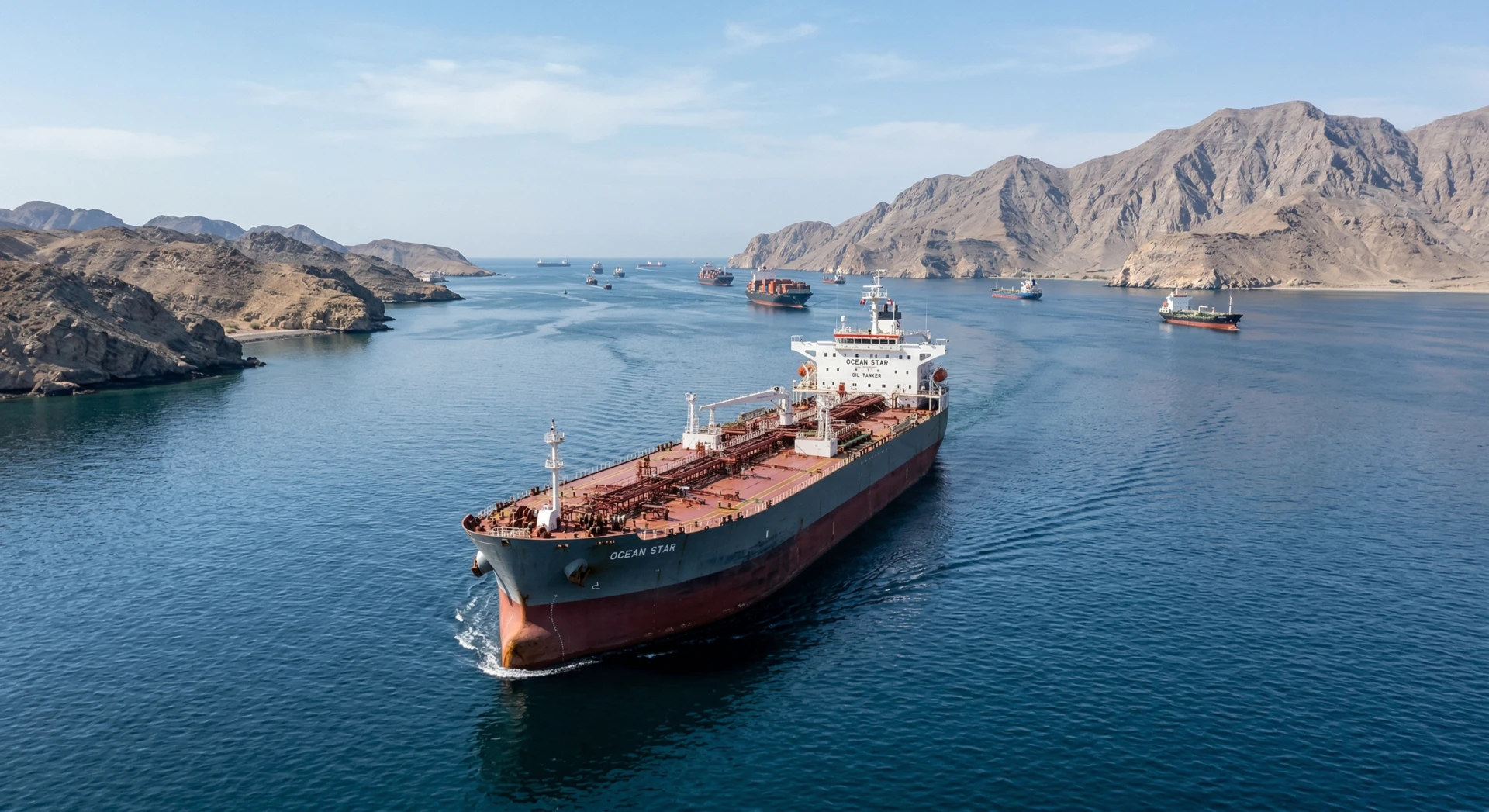
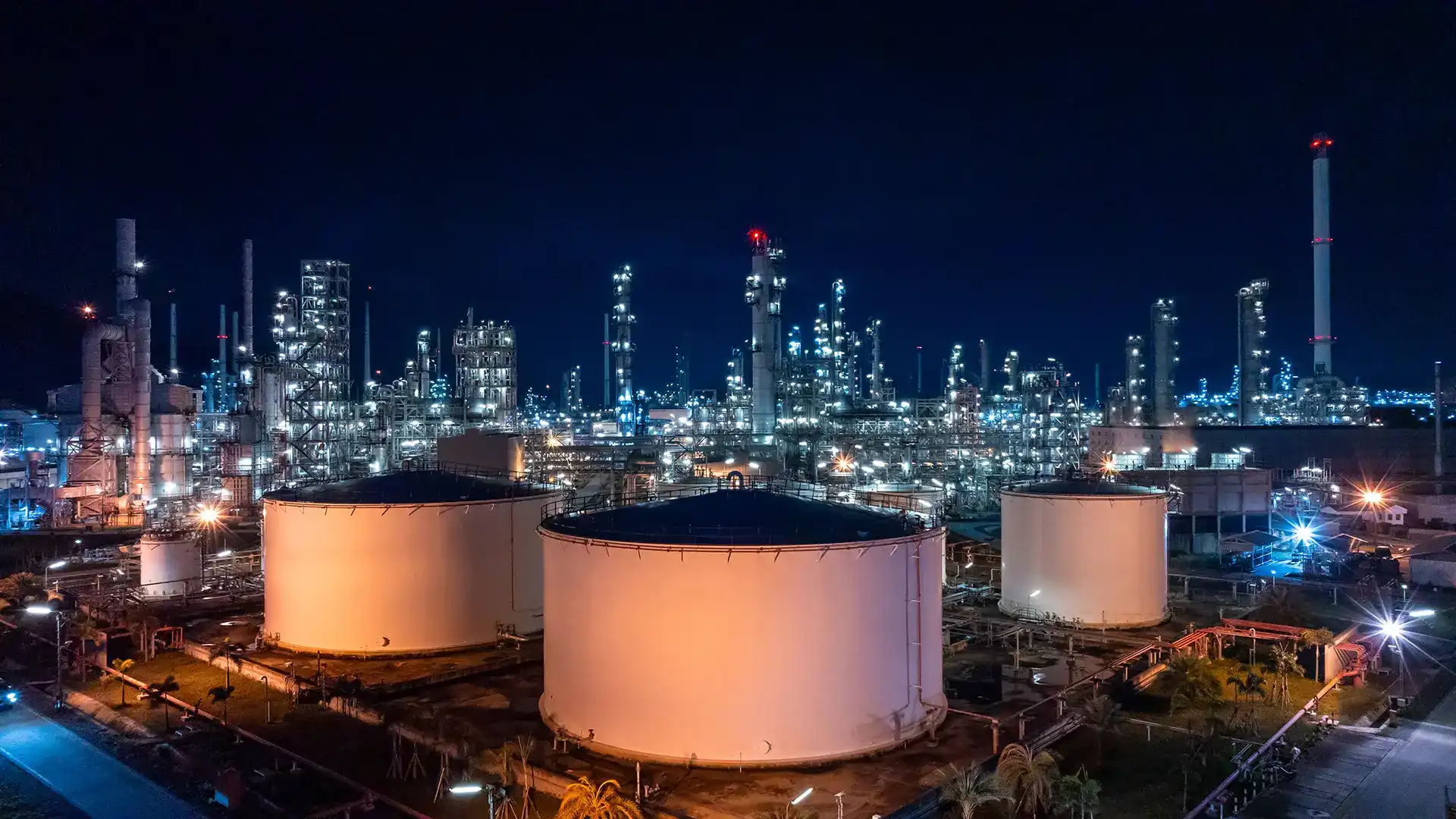
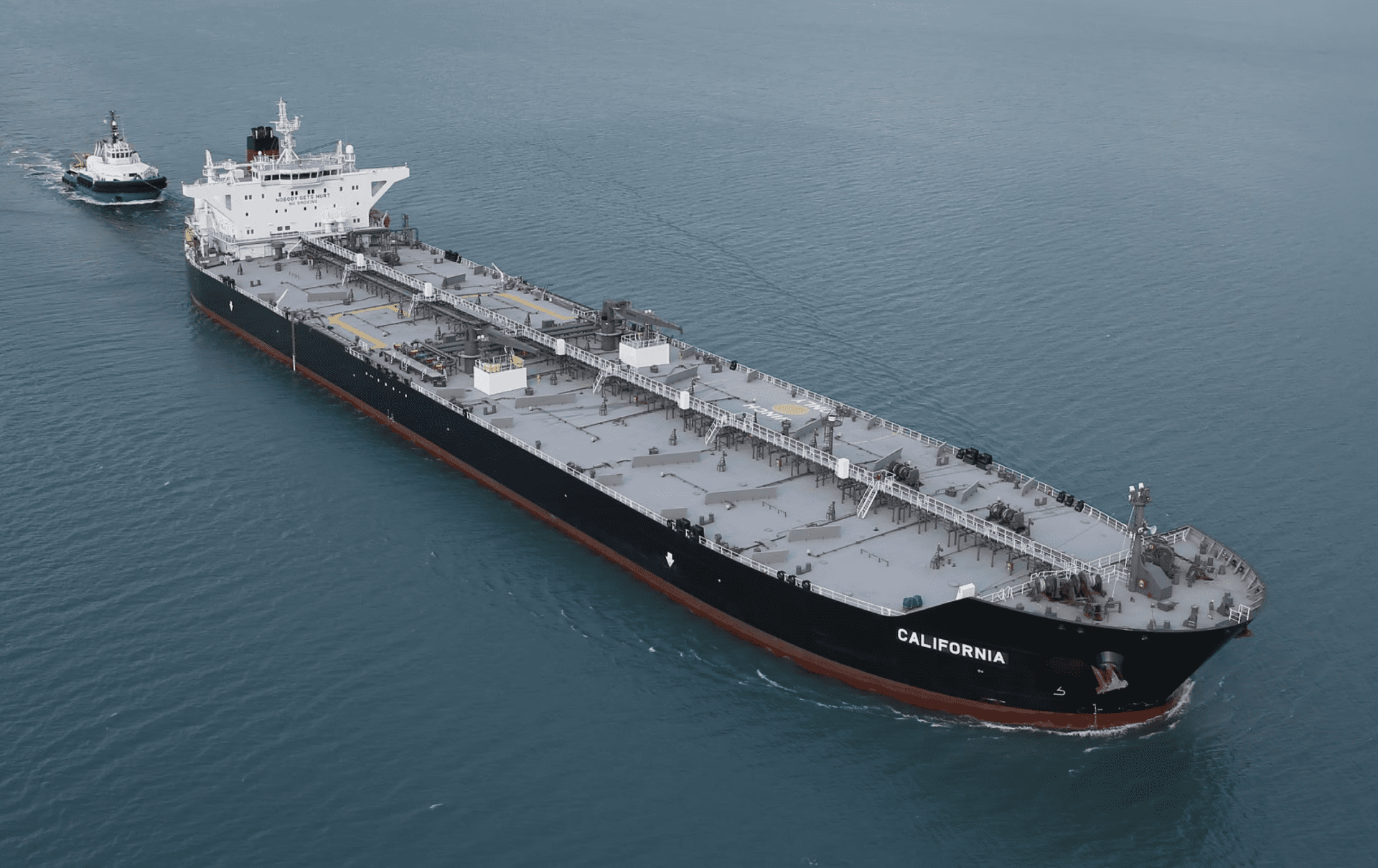
Infrastructure capacity constraints create execution bottlenecks even as supply agreements expand, with India's western port terminals—primarily Jamnagar, JNPT, and Kandla—configured for Middle East crude specifications while Russian Urals requires different storage and blending facilities. Reliance's Jamnagar complex, processing 1.4 million bpd, maintains separate crude tanks for different API gravities, but increasing Russian volumes from current 15% of throughput to potential 25-30% requires additional desalting capacity and modified distillation unit configurations. The vessel logistics present additional constraints: Russian crude typically arrives in Aframax tankers (750,000 barrels) via longer Black Sea routes requiring 18-22 days transit versus 7-10 days from Middle East suppliers in VLCC vessels (2 million barrels). This timing difference forces Indian refiners to maintain higher working inventory—approximately 5-7 additional days of crude stock—tying up $200-350 million in incremental working capital for a 1 million bpd facility. Port congestion at designated Russian crude terminals adds 2-4 days vessel waiting time, further increasing total logistics costs.
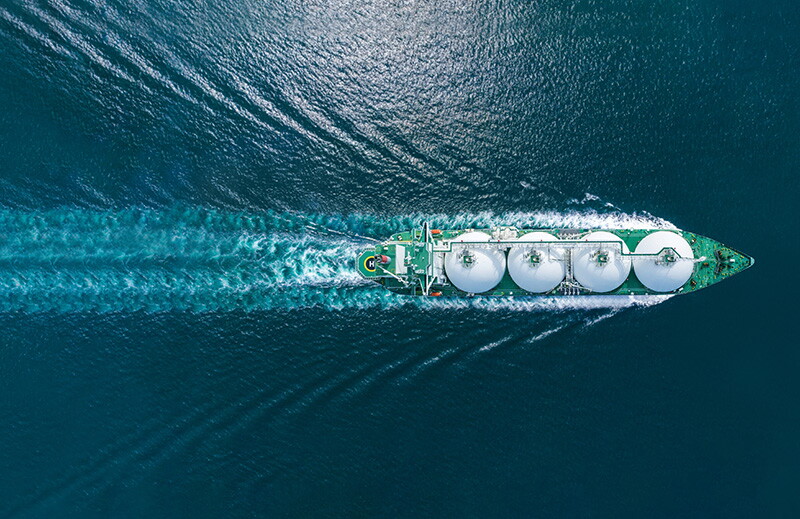
Forward signals indicate this supply relationship expansion faces a critical test in the June-August timeframe when monsoon logistics constraints, European summer driving demand, and potential West Asian supply disruptions converge to stress the entire system. European gas storage facilities targeting 90% capacity by October will drive increased LNG competition, potentially raising Asian spot prices to $14-16/MMBtu from current $11-12 levels, making Russian pipeline gas and LNG contract terms more attractive despite payment complexity. The Kudankulam nuclear project timeline—with Units 5 and 6 scheduled for commissioning in 2027-2028—signals Russia's confidence in sustained bilateral energy cooperation, but immediate crude and LNG supply increases require demonstrating payment mechanism resilience before larger infrastructure commitments proceed. Indian procurement officers monitoring this development should track three key indicators: rupee-ruble settlement processing times through authorized banks, European TTF gas price premiums above $13/MMBtu indicating supply tightness, and MRPL's success expanding Russian crude processing beyond current 40% throughput limits. The window for establishing expanded Russian energy relationships closes rapidly as monsoon season approaches and global supply chains face maximum stress.
.jpg)
'%3e%3cg id='Final-Copy-2_2_' transform='translate(1275.000000, 200.000000)'%3e%3cpath class='st0' d='M7.4,12.8h6.8l3.1-11.6H7.4C4.2,1.2,1.6,3.8,1.6,7S4.2,12.8,7.4,12.8z'/%3e%3c/g%3e%3c/g%3e%3c/g%3e%3cg id='final---dec.11-2020'%3e%3cg id='_x30_208-our-toggle' transform='translate(-1275.000000, -200.000000)'%3e%3cg id='Final-Copy-2' transform='translate(1275.000000, 200.000000)'%3e%3cpath class='st1' d='M22.6,0H7.4c-3.9,0-7,3.1-7,7s3.1,7,7,7h15.2c3.9,0,7-3.1,7-7S26.4,0,22.6,0z M1.6,7c0-3.2,2.6-5.8,5.8-5.8 h9.9l-3.1,11.6H7.4C4.2,12.8,1.6,10.2,1.6,7z'/%3e%3cpath id='x' class='st2' d='M24.6,4c0.2,0.2,0.2,0.6,0,0.8l0,0L22.5,7l2.2,2.2c0.2,0.2,0.2,0.6,0,0.8c-0.2,0.2-0.6,0.2-0.8,0 l0,0l-2.2-2.2L19.5,10c-0.2,0.2-0.6,0.2-0.8,0c-0.2-0.2-0.2-0.6,0-0.8l0,0L20.8,7l-2.2-2.2c-0.2-0.2-0.2-0.6,0-0.8 c0.2-0.2,0.6-0.2,0.8,0l0,0l2.2,2.2L23.8,4C24,3.8,24.4,3.8,24.6,4z'/%3e%3cpath id='y' class='st3' d='M12.7,4.1c0.2,0.2,0.3,0.6,0.1,0.8l0,0L8.6,9.8C8.5,9.9,8.4,10,8.3,10c-0.2,0.1-0.5,0.1-0.7-0.1l0,0 L5.4,7.7c-0.2-0.2-0.2-0.6,0-0.8c0.2-0.2,0.6-0.2,0.8,0l0,0L8,8.6l3.8-4.5C12,3.9,12.4,3.9,12.7,4.1z'/%3e%3c/g%3e%3c/g%3e%3c/g%3e%3c/g%3e%3c/svg%3e) Privacy Choices
Privacy Choices