.avif)
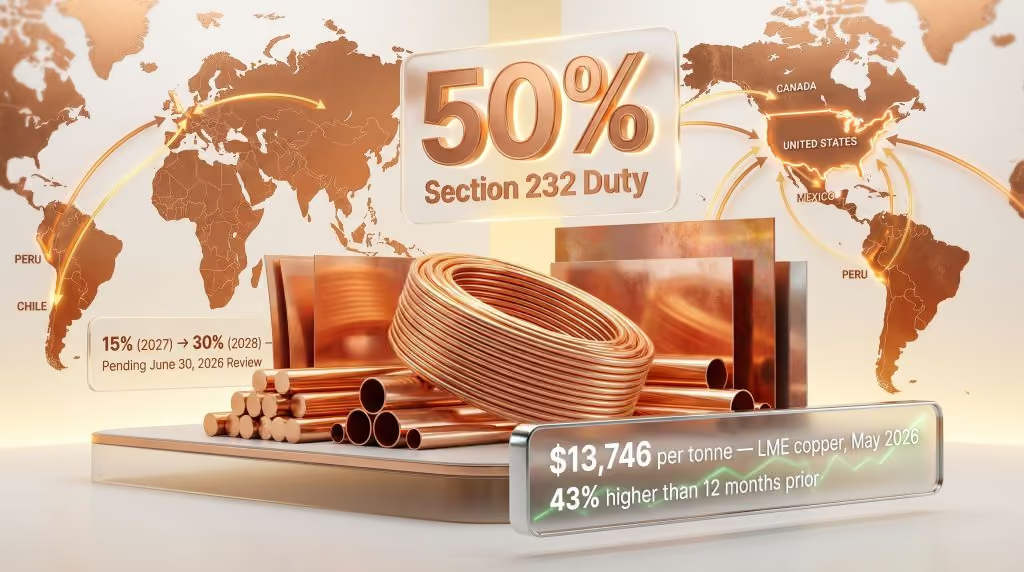
Commodity importers face a 43 day inventory squeeze after a federal appeals court allowed Trump's 10% worldwide tariff to remain in effect through its July 24 expiration date. The Court of Appeals for the Federal Circuit concluded the administration's legal position is "likely to succeed on the merits," keeping the levy active during ongoing legal challenges. The margin impact is immediate and universal every international commodity purchase now carries a 10% surcharge that cannot be hedged through conventional derivatives, creating an unmanageable cost structure for import dependent operators across agricultural products, energy, metals, and industrial inputs.
A letter of credit (LC) the bank guarantee that secures payment once shipping documents are presented now incorporates 10% additional liability that most importers cannot pass through to end customers under existing contracts. The tariffs operate under Section 122 of the Trade Act of 1974, which allows worldwide tariffs up to 15% for 150 days. For a mid-sized agricultural importer bringing in a 25,000 tonne soybean cargo valued at $12.5 million, the tariff adds $1.25 million in immediate costs. Most commodity supply contracts cannot absorb this margin destruction the 10% levy typically exceeds the entire trading margin on bulk agricultural and energy products.
The impacts first affect importers, who directly pay the tariffs involved and must comply with associated requirements. On the buy side, commodity importers confront an impossible decision matrix. Accelerate shipments before July 24 to avoid potential policy extension creating port congestion, storage costs, and working capital strain. Or delay purchases hoping for tariff expiration risking supply shortages if Congress extends the authority or courts reverse the lower ruling. Most commodity contracts cannot be restructured in 43 days, leaving importers locked into loss-making positions.
On the sell side, domestic commodity producers gain an immediate 10% price premium versus international suppliers the tariff differential creates artificial competitive advantage that cannot persist beyond the expiration window. The Supreme Court tariff ruling dropped US tariffs from 12.7% to 8.3% overnight, then the new blanket rate pushed them back to 10.7%. For US steel producers, the 10% levy on international steel creates immediate margin expansion of roughly $50-80 per tonne, depending on grade and origin. This windfall concentrates entirely with domestic producers while import-dependent manufacturers absorb the cost increase.
For large integrated trading houses with derivatives access Cargill, ADM, a national oil company's trading arm the tariff creates hedging complexity that conventional commodity derivatives cannot address. Currency hedges protect against FX moves but cannot offset regulatory cost changes. The DXY exchange rate fell to 99.8579 on June 11, 2026, down 0.09% from the previous session, though the United States Dollar has strengthened 1.59% over the past month. The dollar strength compounds import costs beyond the tariff impact, creating a double margin squeeze that large operators manage through accelerated domestic sourcing and inventory optimization.
For smaller regional operators independent fuel distributors, regional grain elevators, specialty chemical importers without derivatives access, the practical equivalent involves emergency contract renegotiation and supplier diversification. Most lack the working capital to stockpile ahead of the July 24 deadline or the scale to command priority domestic supply. The proposed new tariffs add additional cost and complexity to an already complicated import environment, with parties purchasing significant amounts of imported products needing to examine existing contracts to determine their financial obligations related to tariff payment. These operators face the harshest margin compression with the fewest management tools.
Section 122 expires July 24, and the tariff war is far from over. The expiration creates a binary cliff-edge that commodity markets cannot efficiently price. Either the tariff disappears on July 25, creating immediate margin recovery for importers and competitive pressure for domestic producers. Or Congress extends the authority, potentially at higher rates, creating sustained margin destruction for international trade. The United States emerged as the largest single driver of global import growth in 2025, largely due to firms stockpiling ahead of tariffs, alongside strong demand for AI related equipment. The stockpiling dynamic is already evident in commodity flows, with June import volumes running 15-20% above seasonal norms across multiple sectors.
Changing tariffs on imports targeting key sectors are creating ripples across multiple industries, affecting not just manufacturers but the entire supply chain network that depends on imported materials and components, with Thomson Reuters' Global Trade Report 2026 confirming that tariff related disruptions have shifted strategic priorities. Trade finance intermediaries capture expanded margins through complex transaction structures that separate tariff liability from commodity delivery. Banks offering LC modifications, trade credit facilities, and customs bond arrangements see revenue increases of 25-40% on affected transactions. This margin concentration benefits financial intermediaries while commodity operators absorb both the tariff cost and increased financing charges.
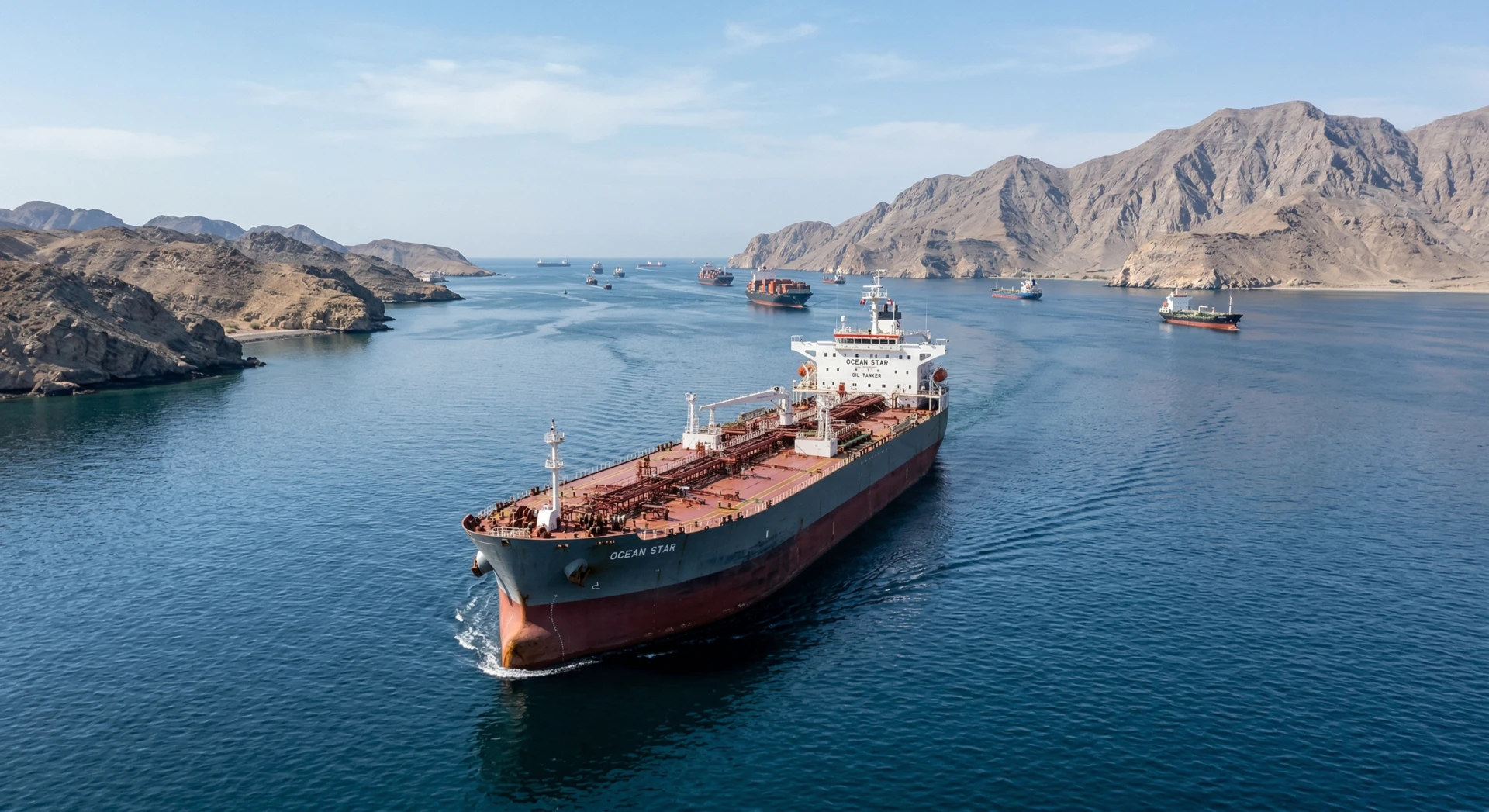
For observers tracking this dynamic, monitor the Chicago Board of Trade soybean futures contract the July-November spread widening beyond $0.20/bushel signals market expectation of tariff extension beyond July 24. The dollar index climbed above 100 on Thursday, nearing a ten week high as investors grew increasingly concerned about inflationary pressures, with the protracted conflict and ongoing near total closure of the Strait of Hormuz continuing to disrupt energy flows from the Persian Gulf. Any DXY move sustainably above 101 indicates broader trade policy uncertainty that extends beyond the immediate tariff expiration question.

.jpg)



'%3e%3cg id='Final-Copy-2_2_' transform='translate(1275.000000, 200.000000)'%3e%3cpath class='st0' d='M7.4,12.8h6.8l3.1-11.6H7.4C4.2,1.2,1.6,3.8,1.6,7S4.2,12.8,7.4,12.8z'/%3e%3c/g%3e%3c/g%3e%3c/g%3e%3cg id='final---dec.11-2020'%3e%3cg id='_x30_208-our-toggle' transform='translate(-1275.000000, -200.000000)'%3e%3cg id='Final-Copy-2' transform='translate(1275.000000, 200.000000)'%3e%3cpath class='st1' d='M22.6,0H7.4c-3.9,0-7,3.1-7,7s3.1,7,7,7h15.2c3.9,0,7-3.1,7-7S26.4,0,22.6,0z M1.6,7c0-3.2,2.6-5.8,5.8-5.8 h9.9l-3.1,11.6H7.4C4.2,12.8,1.6,10.2,1.6,7z'/%3e%3cpath id='x' class='st2' d='M24.6,4c0.2,0.2,0.2,0.6,0,0.8l0,0L22.5,7l2.2,2.2c0.2,0.2,0.2,0.6,0,0.8c-0.2,0.2-0.6,0.2-0.8,0 l0,0l-2.2-2.2L19.5,10c-0.2,0.2-0.6,0.2-0.8,0c-0.2-0.2-0.2-0.6,0-0.8l0,0L20.8,7l-2.2-2.2c-0.2-0.2-0.2-0.6,0-0.8 c0.2-0.2,0.6-0.2,0.8,0l0,0l2.2,2.2L23.8,4C24,3.8,24.4,3.8,24.6,4z'/%3e%3cpath id='y' class='st3' d='M12.7,4.1c0.2,0.2,0.3,0.6,0.1,0.8l0,0L8.6,9.8C8.5,9.9,8.4,10,8.3,10c-0.2,0.1-0.5,0.1-0.7-0.1l0,0 L5.4,7.7c-0.2-0.2-0.2-0.6,0-0.8c0.2-0.2,0.6-0.2,0.8,0l0,0L8,8.6l3.8-4.5C12,3.9,12.4,3.9,12.7,4.1z'/%3e%3c/g%3e%3c/g%3e%3c/g%3e%3c/g%3e%3c/svg%3e) Privacy Choices
Privacy Choices