.avif)
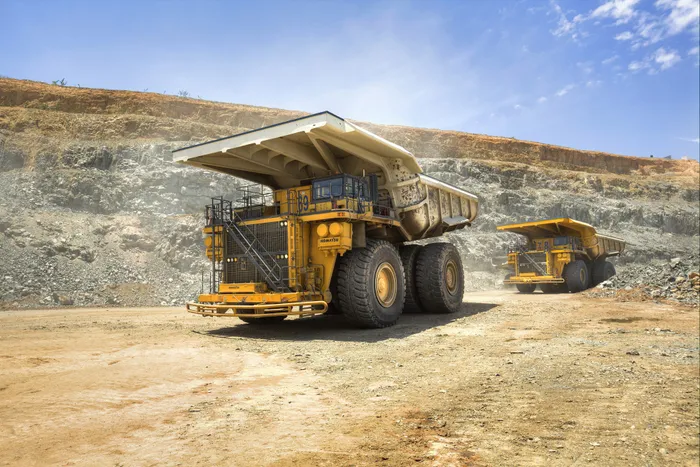
Gold Concentrate Buyers face new Arctic supply chain costs as Amaroq reports CAD 27 million first-year revenue from Greenland's Nalunaq mine, highlighting the premium and logistical complexity required to access gold production from the world's most remote active mining jurisdiction. Amaroq reported CAD 18.6 million net loss for 2025 despite exceeding production guidance with over 6,000 ounces produced, with 2026 production guidance set at 25,000 to 35,000 ounces. At current LBMA gold prices around $4,762 per ounce, with 2026 consensus forecasts at $4,742/oz, each additional tonne of concentrate from Greenland arrives with transport costs that buyers in established jurisdictions never face — ice-season shipping windows, helicopter logistics, and specialised Arctic vessels.
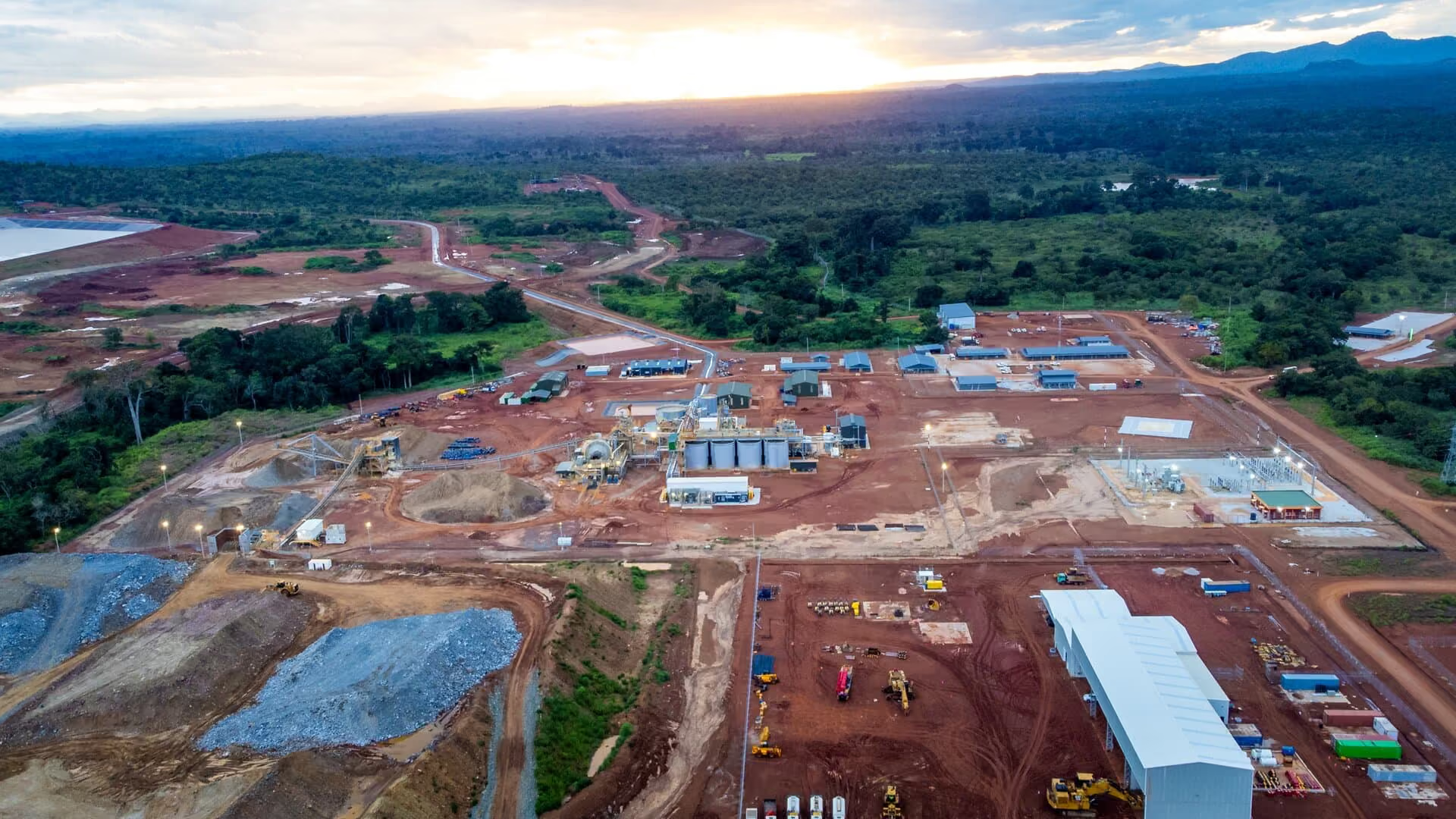
Amaroq is a mine development company focused on gold production from its Nalunaq mine — a underground operation that extracts ore from narrow veins, processes it through flotation circuits (machines that separate gold-bearing minerals from waste rock using chemical bubbles), and produces concentrate containing 60-95% of the contained gold for shipment to refineries. Early-year output of 7,000 to 10,000 ounces rising as a second processing phase lifts recovery rates from about 60% to as high as 95%, with head grades of 14 to 15 g/t. Consider the transport economics: Nalunaq is located approximately 30 km northeast of Nanortalik, served by Narsarsuaq international airport 100 km to the north, with connections to Copenhagen and Reykjavik, and benefits from access to ice-free deep-water fjords. A standard 20-tonne concentrate shipment to European refineries costs approximately $15,000-20,000 more than equivalent Canadian or Australian supply, purely from specialized logistics — ice-class vessels, seasonal weather windows, and helicopter support.
On the buy side: European refineries and major gold buyers face a structural premium for Greenland concentrate that reflects not just transport costs but supply reliability concerns. Unlike monthly shipments from established mining regions, transport depends almost entirely on ships and aircraft, greatly increasing costs and complexity, extending the typical decade-long timeline from discovery to production and dramatically increasing capital requirements. Refineries typically demand 10-15% discounts on doré (semi-refined gold bars) from remote jurisdictions to compensate for irregular supply and higher processing insurance costs. On the sell side: Amaroq's margin structure reflects these realities — all-in sustaining cost of $1,250 to $1,450 per ounce in the fourth quarter, with operating costs budgeted at $44 million to $47 million and total sustaining costs at $69 million to $73 million. At current gold prices, this leaves operating margins of $3,300-3,500 per ounce, but only after achieving full production rates and flotation recovery optimization.
For large integrated gold traders (Newmont, Barrick, Kinross) with established Arctic logistics networks: the Greenland supply represents portfolio diversification into a Western jurisdiction with proven reserves, despite transport premiums. These operators can absorb seasonal shipping constraints within broader supply chains and hedge currency exposure (CAD-denominated costs against USD gold sales) through derivatives markets. For smaller regional gold buyers — independent refineries, regional jewelry manufacturers, coin producers — the irregular supply schedule and minimum cargo requirements make Greenland concentrate economically challenging without consortium purchasing or tolling agreements with larger operators. The typical 500-ounce monthly gold requirement becomes 2,000-3,000 ounces per quarterly shipment, straining working capital.
Unlike established mining regions in Australia, Canada, or even emerging sources in Africa and South America, Greenland has minimal production infrastructure and no large-scale operating critical mineral mines, with only two active mines on the entire island, Nalunaq (a gold mine) and White Mountain (an anorthosite mine). Watch the ice-free shipping window: Greenland's maritime access depends on fjord ice conditions between May and October, concentrating annual logistics into a six-month window. For concentrate buyers, this means inventory planning around seasonal availability rather than just-in-time delivery. Any operational disruption at Nalunaq during the shipping season creates supply gaps lasting 8-10 months, not weeks.


.avif)

'%3e%3cg id='Final-Copy-2_2_' transform='translate(1275.000000, 200.000000)'%3e%3cpath class='st0' d='M7.4,12.8h6.8l3.1-11.6H7.4C4.2,1.2,1.6,3.8,1.6,7S4.2,12.8,7.4,12.8z'/%3e%3c/g%3e%3c/g%3e%3c/g%3e%3cg id='final---dec.11-2020'%3e%3cg id='_x30_208-our-toggle' transform='translate(-1275.000000, -200.000000)'%3e%3cg id='Final-Copy-2' transform='translate(1275.000000, 200.000000)'%3e%3cpath class='st1' d='M22.6,0H7.4c-3.9,0-7,3.1-7,7s3.1,7,7,7h15.2c3.9,0,7-3.1,7-7S26.4,0,22.6,0z M1.6,7c0-3.2,2.6-5.8,5.8-5.8 h9.9l-3.1,11.6H7.4C4.2,12.8,1.6,10.2,1.6,7z'/%3e%3cpath id='x' class='st2' d='M24.6,4c0.2,0.2,0.2,0.6,0,0.8l0,0L22.5,7l2.2,2.2c0.2,0.2,0.2,0.6,0,0.8c-0.2,0.2-0.6,0.2-0.8,0 l0,0l-2.2-2.2L19.5,10c-0.2,0.2-0.6,0.2-0.8,0c-0.2-0.2-0.2-0.6,0-0.8l0,0L20.8,7l-2.2-2.2c-0.2-0.2-0.2-0.6,0-0.8 c0.2-0.2,0.6-0.2,0.8,0l0,0l2.2,2.2L23.8,4C24,3.8,24.4,3.8,24.6,4z'/%3e%3cpath id='y' class='st3' d='M12.7,4.1c0.2,0.2,0.3,0.6,0.1,0.8l0,0L8.6,9.8C8.5,9.9,8.4,10,8.3,10c-0.2,0.1-0.5,0.1-0.7-0.1l0,0 L5.4,7.7c-0.2-0.2-0.2-0.6,0-0.8c0.2-0.2,0.6-0.2,0.8,0l0,0L8,8.6l3.8-4.5C12,3.9,12.4,3.9,12.7,4.1z'/%3e%3c/g%3e%3c/g%3e%3c/g%3e%3c/g%3e%3c/svg%3e) Privacy Choices
Privacy Choices